Taylor Swift’s real estate portfolio is a masterclass in strategic asset acquisition, valued at an estimated $150 million as of 2026. Her holdings span across Nashville, New York City, Rhode Island, and Los Angeles, characterized by a preference for historical significance, extreme privacy, and significant square footage. By utilizing various Limited Liability Companies (LLCs) and securing historical landmark statuses, Swift has built a diversified residential empire that serves both as personal sanctuaries and high-value investment vehicles.
The Evolution of the "Tay-beca" Empire: New York City Holdings
Perhaps the most impressive segment of Taylor Swift’s real estate holdings is her massive footprint in the Tribeca neighborhood of Manhattan. Often referred to by fans and real estate experts as "Tay-beca," her presence on Franklin Street is a rare example of a single individual consolidating multiple units in a premier luxury building to create a fortress-like residence.
155 Franklin Street
Swift’s NYC journey began in 2014 when she purchased two adjacent penthouses from Lord of the Rings director Peter Jackson. She famously combined these units into one massive 8,300-square-foot duplex. The renovation was extensive, involving the preservation of original wooden beams and brickwork, blending a rustic aesthetic with high-end modern amenities.
By 2017, she expanded her holdings in this specific building by purchasing an additional unit on the second floor for nearly $10 million. This move was widely interpreted by real estate analysts as a security play, allowing her team to control more of the building's infrastructure and entry points.
The 153 Franklin Street Townhouse
To further her privacy, Swift purchased the century-old townhouse located directly next door to her 155 Franklin Street units. This property, bought for roughly $18 million, features a private garage—a gold standard for high-profile celebrities in Manhattan. This allows Swift to enter and exit her home via vehicle without ever stepping onto the public sidewalk, effectively bypassing the paparazzi that frequently congregate in the neighborhood.
Long-term NYC Strategy
The total investment in the Franklin Street block alone exceeds $50 million. From a technical real estate perspective, consolidating units in a landmarked district like Tribeca is a complex undertaking involving New York City’s Landmarks Preservation Commission and the Department of Buildings. Swift’s team has navigated these hurdles to create a contiguous living space that offers more square footage than almost any other private residence in Lower Manhattan.
Historical Preservation: The Samuel Goldwyn Estate in Los Angeles
In 2015, Swift made a significant move into the Los Angeles market by purchasing the former home of Hollywood mogul Samuel Goldwyn for $25 million. Unlike many celebrities who renovate historic homes into modern "white boxes," Swift took a different approach that earned her significant respect from architectural historians.
Landmark Designation
Shortly after purchasing the 11,000-square-foot mansion, Swift applied for and successfully obtained "Local Historic Landmark" status for the property in 2017. This designation ensures that the home’s exterior and significant interior features must be preserved in their original state. Technically, this can limit the flexibility of future renovations, but for an investor like Swift, it protects the home's pedigree and long-term value as a piece of Hollywood history.
Property Features
The estate, located in Beverly Hills, sits on nearly two acres. It features:
- A sunken tennis court.
- A massive pool and pool house.
- A sweeping staircase that reflects the Golden Age of Hollywood.
- Detailed crown moldings and original floorings restored to their 1934 glory.
By maintaining the integrity of the Goldwyn Estate, Swift has ensured the property remains a "trophy asset." In the 2026 luxury market, such properties often command a premium because they are irreplaceable, regardless of the buyer’s budget.
High Watch: The Rhode Island Fortress
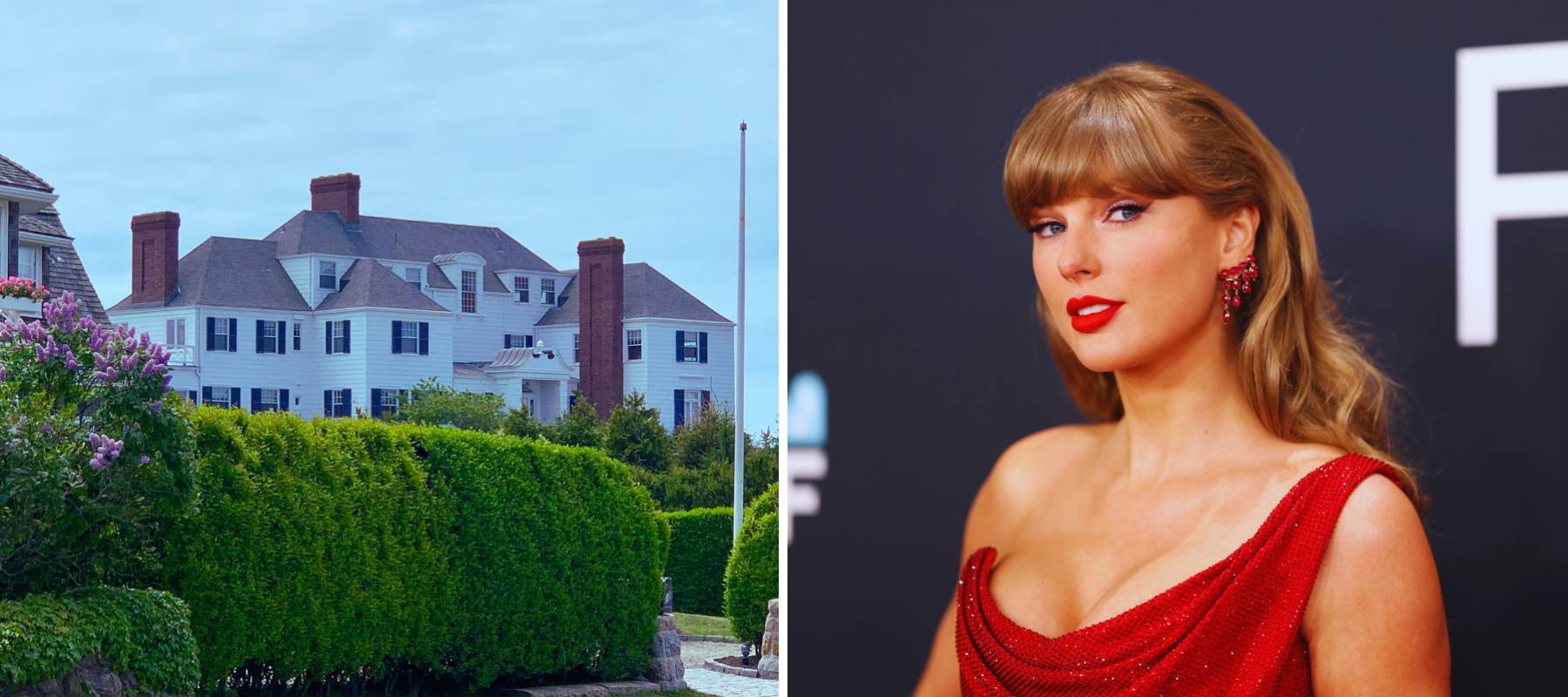
One of Swift’s most famous properties is the "Holiday House" (officially known as High Watch) in Watch Hill, Rhode Island. Purchased in 2013 for approximately $17.75 million in cash, the mansion is perched at the highest point in the seaside village.
Architectural Significance and Geography
The house is a 12,000-square-foot mansion built in 1930. It features 700 feet of private shoreline and sits on five acres of prime coastal land. The technical challenge of this property involves its proximity to the Atlantic Ocean. Maintaining a historic home in a high-wind, high-salt environment requires constant structural oversight and "hardened" landscaping to prevent erosion.
Cultural and Financial Impact
This property served as the inspiration for her song "The Last Great American Dynasty," which tells the story of the home’s previous owner, Rebekah Harkness. Economically, Swift’s purchase of High Watch significantly boosted the profile of Watch Hill, though it also necessitated a permanent security presence. The property is equipped with state-of-the-art surveillance and physical barriers that blend into the coastal aesthetic to comply with local zoning laws while providing necessary protection.
Nashville: The Roots of the Portfolio
Nashville remains the anchor of Swift’s portfolio. She owns two distinct properties in the city that represent the beginning of her real estate journey and her current status as a global icon.
The Adelicia Penthouse
At just 20 years old, Swift purchased a 3,300-square-foot penthouse at The Adelicia, a luxury condo building in Midtown Nashville. The unit is known for its "shabby chic" Alice in Wonderland-inspired interior design. While smaller than her other holdings, its location in a managed luxury building provides a different type of security and ease of maintenance.
Northumberland Estate
In 2011, she purchased a 5,600-square-foot Greek Revival estate known as Northumberland for $2.5 million. The property features a main house and a 2,000-square-foot guest house. This estate is often used by her family and serves as a private retreat that feels more like a traditional Southern home than her urban or coastal fortresses.
Comparative Analysis of Taylor Swift's Key Properties
The following table provides a breakdown of the primary properties in the Swift portfolio based on available public records and real estate valuations as of early 2026.
| Property Name / Location | Estimated Year Purchased | Estimated Purchase Price | Square Footage | Primary Real Estate Value |
|---|---|---|---|---|
| Franklin St. Portfolio (NYC) | 2014 - 2018 | $50,000,000+ | 15,000+ (Total) | Urban consolidation and private garage access. |
| Goldwyn Estate (Beverly Hills) | 2015 | $25,000,000 | 11,000 | Landmark status and historical Hollywood pedigree. |
| High Watch (Rhode Island) | 2013 | $17,750,000 | 12,000 | Massive private shoreline and elevated coastal views. |
| Northumberland (Nashville) | 2011 | $2,500,000 | 5,600 | Traditional Greek Revival architecture and privacy. |
| The Adelicia (Nashville) | 2009 | $1,990,000 | 3,300 | High-rise luxury with managed amenities. |
Investment Strategy: Privacy, Pedigree, and Protection
Analysis of Taylor Swift's real estate moves reveals a consistent three-pronged strategy that differs from the typical "house flipping" seen in many celebrity circles.
1. The Use of LLCs for Anonymity
Swift typically purchases properties through various LLCs to shield her name from initial public records. This is a standard practice for ultra-high-net-worth individuals (UHNWIs) to prevent the immediate "paparazzi effect" once a deed is recorded. Examples of entities associated with her management include 13 Management and various shell companies named after her interests or lyrics.
2. Security Infrastructure as a Non-Negotiable
Every property Swift owns has undergone significant security upgrades. This includes:
- Permit-heavy fencing: In Rhode Island, she had to navigate local coastal regulations to install protective walls.
- Advanced Surveillance: Each home is equipped with 24/7 monitoring systems.
- Safe Rooms: Standard in her larger estates to provide immediate protection in the event of an intrusion.
- Controlled Access: Buying adjacent properties (as seen in NYC) to control the "buffer zone" around her primary residence.
3. Wealth Preservation Through Historical Value
By purchasing homes with historical significance—like the Samuel Goldwyn Estate or the Peter Jackson penthouses—Swift is investing in "blue chip" real estate. These properties tend to hold their value better than new-build "mega-mansions" because their value is tied to history and location, factors that cannot be replicated.
Global Footprint: The London Connection
While Swift has spent significant time in London, her real estate status there has been more fluid. For many years, she reportedly rented or used private residences in neighborhoods like Primrose Hill and Hampstead. Reports in 2024 and 2025 suggested she was looking for a permanent London "base" to serve her European tour legs and international business interests. Owning property in London (specifically within the M25) involves different tax implications, such as the Stamp Duty Land Tax (SDLT), which is particularly high for non-residents and those purchasing additional properties.
Common Challenges in Managing a Global Portfolio
Managing $150 million in real estate is not merely about owning the keys; it is about the massive operational overhead required to maintain these assets.
- Taxation: Swift faces high property tax bills across multiple jurisdictions. In New York, the property taxes on her Franklin Street holdings alone run into the hundreds of thousands of dollars annually.
- Maintenance: Historic homes, particularly the Goldwyn Estate and High Watch, require specialized contractors familiar with historical preservation techniques.
- Zoning and Litigation: Swift has occasionally faced legal or zoning hurdles, such as neighbors’ concerns regarding security walls or the use of public beach access near her Rhode Island home. Successfully navigating these requires a dedicated legal and real estate management team.
FAQ: Taylor Swift Real Estate
How many houses does Taylor Swift own?
As of 2026, Taylor Swift owns approximately eight properties. This includes her massive consolidated units in New York City (which function as one or two residences but comprise several deeds), her two estates in Nashville, her Beverly Hills mansion, and her Rhode Island home.
What is Taylor Swift's most expensive property?
Her New York City portfolio on Franklin Street is her most expensive collective asset, with a total value exceeding $50 million when combining the penthouses, the townhouse, and the additional floor units. Individually, the Samuel Goldwyn Estate in Beverly Hills is her most valuable single-deed residence.
Does Taylor Swift own property in the UK?
While Swift has a long history of living in London, she has traditionally favored long-term rentals for privacy and flexibility. However, rumors of a permanent North London acquisition have persisted since 2024. If she has purchased, it is likely held under a highly private corporate structure.
How does Taylor Swift protect her homes from fans and paparazzi?
She uses a combination of physical security (high walls, private garages), technology (advanced surveillance), and "buffer real estate." By purchasing neighboring units or homes, she creates a physical distance between her private living quarters and the public street.
Is Taylor Swift's Rhode Island house open to the public?
No. "High Watch" is a strictly private residence. While the beach below the property is subject to Rhode Island's public access laws, the house and the surrounding grounds are heavily guarded and private property.
Final Recommendations for Real Estate Investors
While few can replicate the scale of Taylor Swift’s portfolio, her approach offers valuable lessons for any serious real estate investor:
- Prioritize Location and Pedigree: Buying properties with a "story" or historical significance (like her LA mansion) provides a hedge against market volatility.
- Think About Security Early: For high-profile individuals, the "exit and entry" logistics of a property are more important than the interior decor.
- Consolidation Strategy: Swift’s NYC move shows the value of buying adjacent units. If you find a location you love, look for opportunities to expand horizontally or vertically to increase your footprint and control over the environment.
- Preservation is an Investment: Respecting the architectural integrity of a home can lead to landmark status, which can provide tax benefits and long-term value appreciation.