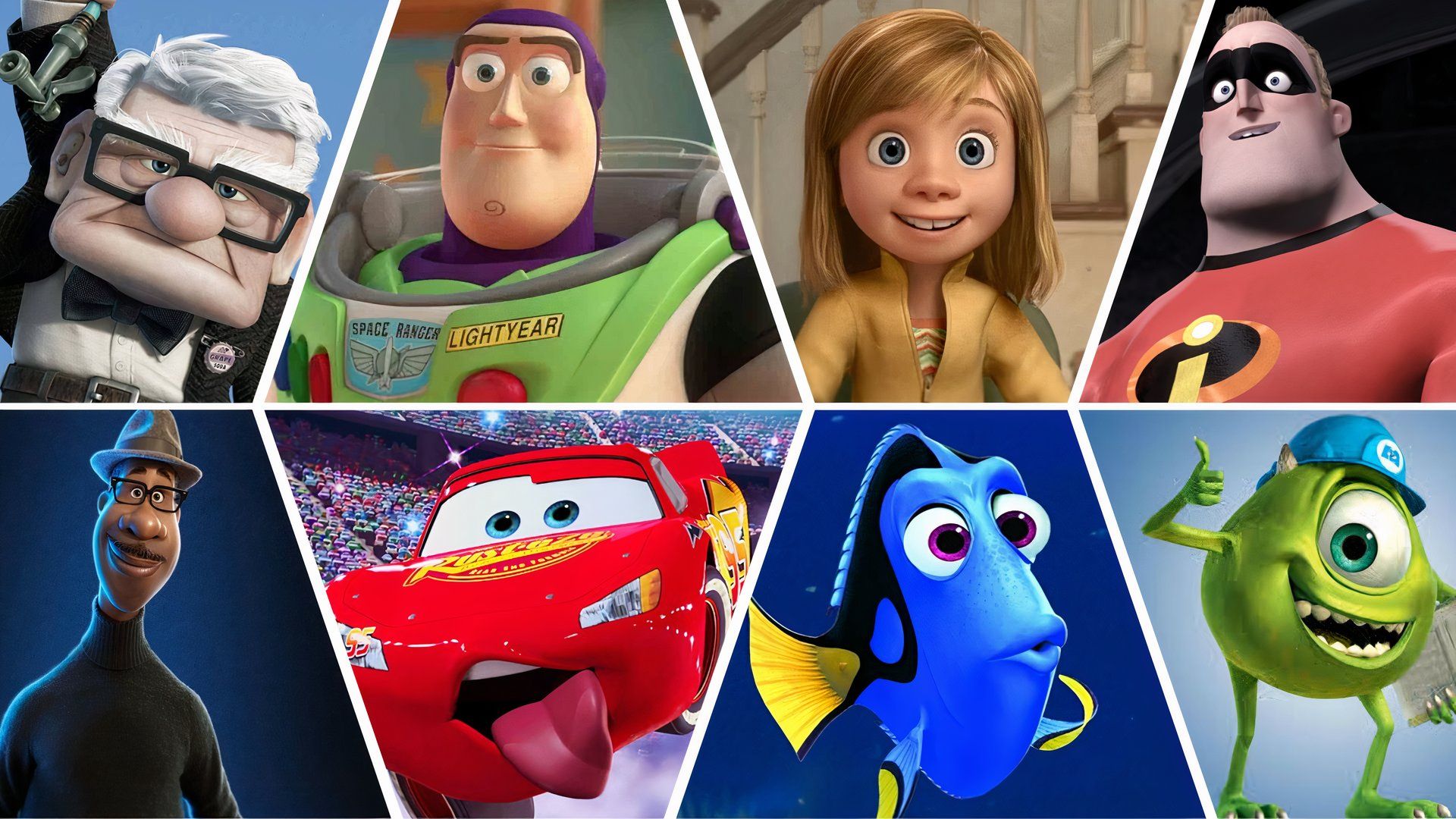
In 2017, Pixar Animation Studios released two distinct feature films: Cars 3 and Coco. While Cars 3 served as a technical marvel and a thematic return to form for a beloved franchise, Coco emerged as a cultural phenomenon, winning two Academy Awards and securing its place as one of the most emotionally resonant films in the studio's history. Together, they defined 2017 as a year of both legacy and profound original storytelling.
The year 2017 represented a pivotal moment for Pixar Animation Studios. Coming off the massive commercial success of Finding Dory (2016), the studio faced the challenge of balancing its lucrative franchise sequels with the demand for original, high-concept narratives. As we look back from the perspective of 2026, the 2017 slate remains a benchmark for how a major studio can navigate the transition between honoring the past and pioneering new cultural frontiers. This article provides a comprehensive analysis of these two films, their production backgrounds, technical achievements, and their lasting impact on the animation industry.
The Dual Strategy: Sequel and Originality
Pixar’s 2017 release schedule was a strategic blend of the familiar and the foreign. By releasing Cars 3 in the summer and Coco in the late fall, the studio occupied two of the most profitable windows in the cinematic calendar.
Cars 3: Reclaiming the Legacy
Released on June 16, 2017, Cars 3 was tasked with a difficult mission: rehabilitating the reputation of the Cars franchise after the critically divisive Cars 2 (2011). Directed by Brian Fee, who had served as a storyboard artist on the previous two films, the third installment moved away from the spy-thriller antics of its predecessor and returned to the heart-heavy, character-driven roots of the 2006 original.
The film follows Lightning McQueen (voiced by Owen Wilson) as he faces the reality of aging in a sport increasingly dominated by high-tech "Next Gen" racers like Jackson Storm. The narrative focus on mentorship and the inevitable passage of time resonated with older audiences while maintaining the visual spectacle required for younger fans.
Coco: A Cultural Landmark
While Cars 3 was a safe bet for merchandise and franchise stability, Coco, released on November 22, 2017, was a bold step into unmapped territory for Pixar. Directed by Lee Unkrich and co-directed by Adrian Molina, the film was the result of years of intensive research into Mexican culture and the tradition of Día de los Muertos (Day of the Dead).
Coco tells the story of Miguel, a young boy with a forbidden passion for music who accidentally travels to the Land of the Dead. There, he seeks the help of his deceased great-great-grandfather to return to the living and reverse his family’s ancestral ban on music. The film was praised not just for its stunning visuals, but for its respectful and deeply researched portrayal of Mexican traditions.
Detailed Comparison of 2017 Pixar Releases
To understand the scale and impact of these films, it is helpful to look at their performance and critical metrics side-by-side.
| Feature | Cars 3 | Coco |
|---|---|---|
| Release Date (US) | June 16, 2017 | November 22, 2017 |
| Director | Brian Fee | Lee Unkrich |
| Estimated Budget | $175 Million | $175–200 Million |
| Worldwide Box Office | ~$383.9 Million | ~$807.8 Million |
| Rotten Tomatoes Score | 69% | 97% |
| Key Themes | Legacy, Aging, Mentorship | Family, Memory, Culture |
| Major Awards | Annie Award Nominations | 2 Academy Awards (Best Animated Feature, Best Original Song) |
Technical Innovations and Visual Artistry
Pixar has always been at the forefront of animation technology, and 2017 was no exception. Both films utilized the proprietary RenderMan software to push the boundaries of what was possible in computer-generated imagery.
The Realism of Cars 3
For Cars 3, the technical focus was on physical realism. The production team utilized new rendering techniques to simulate different surfaces with unprecedented accuracy. This is most evident in the "Thunder Hollow" demolition derby sequence. The interaction between the cars and the thick, viscous mud required complex physics simulations that were more advanced than anything seen in previous Pixar films. The lighting in the film also saw a significant upgrade, with the "Next Gen" racers featuring sleek, reflective surfaces that reacted dynamically to the environment, contrasting with the matte, weathered look of the older vehicles.
The Vibrancy of the Land of the Dead in Coco
Coco presented an entirely different set of technical challenges. The Land of the Dead is a vertical, sprawling metropolis inspired by the history of Mexican architecture. To bring this world to life, Pixar’s technical directors had to manage millions of individual light sources.
Furthermore, the character design for Coco required a new approach to skeletal animation. Animating skeletons—characters without skin, muscle, or fat—meant that the animators could not rely on traditional "squash and stretch" techniques to convey weight and emotion. Instead, they had to find personality in the movement of bones and the phrasing of the characters’ clothing. The result was a visual feast that remains one of the most aesthetically distinct environments in the history of the medium.
Critical and Cultural Impact
The reception of these two films in 2017 highlighted the evolving expectations of the global audience.
The Redemption of Lightning McQueen
Cars 3 was generally well-received by critics who appreciated its more grounded tone. It successfully transitioned the franchise from a story about winning races to a story about passing the torch. The introduction of Cruz Ramirez (voiced by Cristela Alonzo) provided a strong female lead and a new direction for the series. While it did not reach the billion-dollar heights of Finding Dory or Toy Story 3, it performed solidly and reaffirmed the franchise's value to the Disney-Pixar portfolio.
The Global Phenomenon of Coco
Coco was more than just a successful movie; it was a cultural event. In Mexico, it became the highest-grossing film in the country's history shortly after its release. Its success proved that stories rooted in specific cultural identities could achieve universal appeal. The film’s centerpiece song, "Remember Me," written by Kristen Anderson-Lopez and Robert Lopez, became an instant classic, helping the film win the Oscar for Best Original Song.
The film's exploration of death and memory was handled with a maturity that appealed to all ages. By 2026, Coco is frequently cited in academic studies regarding cultural representation in media and the psychological benefits of "meaning-making" through storytelling.
Competitive Landscape of 2017 Animation
To understand why these Pixar films are considered the best of the year, one must look at the competition. In 2017, the animation market was crowded:
- The LEGO Batman Movie (Warner Bros.): A highly successful, fast-paced comedy that appealed to fans of the DC Universe.
- Despicable Me 3 (Illumination): A massive commercial hit that outperformed Cars 3 at the box office but lacked the critical depth of Pixar’s offerings.
- The Breadwinner (GKIDS): A critically acclaimed independent film that competed with Coco during award season.
- The Boss Baby (DreamWorks): A commercial success that launched a franchise but did not reach the same artistic heights as Coco.
While other studios produced hits, Pixar’s 2017 output maintained a level of emotional complexity and technical polish that set it apart. Coco, in particular, dominated the conversation, winning nearly every major industry award, including the Golden Globe and the BAFTA for Best Animated Film.
The Role of Music in 2017 Pixar Films
Music played an essential role in both films, though in very different ways. In Cars 3, the score by Randy Newman utilized Americana and blues-rock influences to underscore the rustic, "old-school" feel of the racing world. It provided a sense of nostalgia that anchored the film's themes of legacy.
In Coco, music was the literal heartbeat of the story. The production team collaborated with numerous Mexican musicians to ensure the score was authentic, featuring traditional instruments and styles like Son Jarocho, Huapango, and Mariachi. This dedication to musical authenticity was a key factor in the film's critical success and its ability to transport audiences into Miguel's world.
Frequently Asked Questions
Did Pixar release any other films in 2017?
No, Pixar only released Cars 3 and Coco in 2017. While the studio occasionally releases only one film per year, 2017 followed the "one sequel, one original" pattern they have utilized during several high-output periods.
Which 2017 Pixar movie performed better at the box office?
Coco significantly outperformed Cars 3. While Cars 3 earned approximately $383.9 million worldwide, Coco surpassed $800 million. Coco's international appeal, particularly in China and Mexico, drove its superior commercial performance.
How many Academy Awards did Pixar win for its 2017 films?
Pixar won two Academy Awards in early 2018 for its 2017 release Coco. The awards were for Best Animated Feature and Best Original Song ("Remember Me"). Cars 3 was not nominated for an Oscar.
Is Cars 3 considered better than Cars 2?
Critical consensus and audience scores generally favor Cars 3 over Cars 2. While the second film was a departure into a spy-thriller genre, the third film returned to the character-driven racing roots that made the original 2006 film a success.
Who are the main directors behind the 2017 Pixar movies?
Brian Fee directed Cars 3. Lee Unkrich directed Coco, with Adrian Molina serving as the co-director and writer.
What was the main technical challenge for Coco?
One of the primary technical challenges was "crowd and light management." The Land of the Dead contained over seven million individual lights, and the rendering requirements to keep the scene's depth and color without crashing the systems were immense. Additionally, the skeletal animation required a complete overhaul of how characters moved and interacted with clothing.
A Legacy Perspective from 2026
As of 2026, the 2017 Pixar slate is viewed as a period of successful equilibrium. Cars 3 provided a dignified conclusion to the Lightning McQueen trilogy, ensuring the franchise remained a staple of the Disney parks and consumer products for another decade. Meanwhile, Coco proved that Pixar's "golden age" of original storytelling was far from over.
The influence of Coco can be seen in later Pixar works like Soul (2020) and Luca (2021), which continued to explore specific cultural landscapes and metaphysical themes. For any enthusiast of animation, 2017 stands as a year where the medium proved it could handle the weight of tradition and the spark of new cultural discovery with equal grace. Whether you are revisiting the dusty tracks of the Piston Cup or the glowing marigold bridges of the Land of the Dead, these films represent the pinnacle of 2017's cinematic achievements.
Next Steps for Fans: To further explore the world of 2017 animation, viewers can watch the "Making of Coco" documentaries available on major streaming platforms, which provide an in-depth look at the cultural consultants and technical artists who brought the film to life. For those interested in the technical side of Cars 3, examining the evolution of Pixar’s RenderMan software offers insight into the "Next Gen" visual effects used in the film.