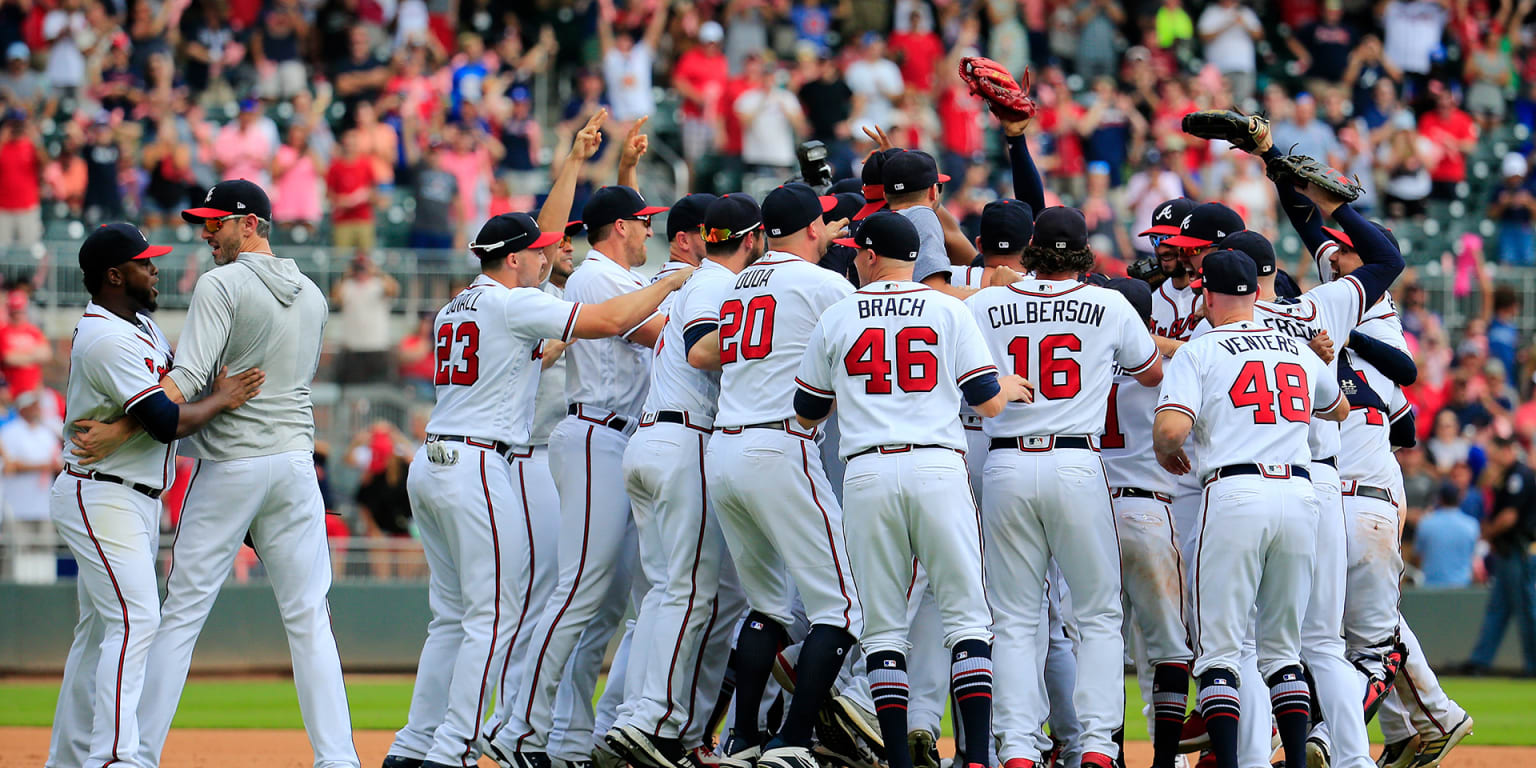
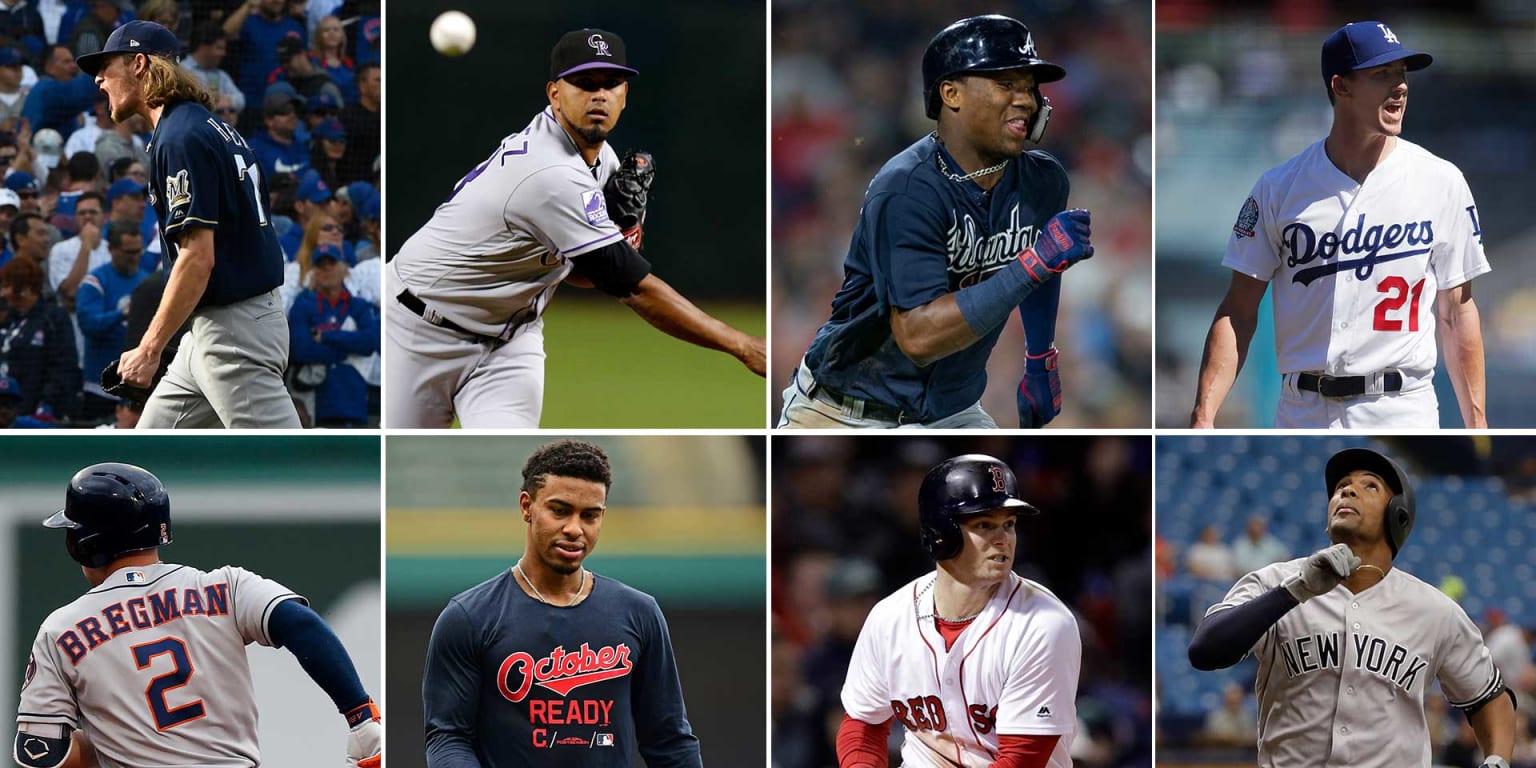
In the 2018 MLB postseason, the Boston Red Sox solidified their place in history by defeating the Los Angeles Dodgers four games to one in the World Series. This victory capped off a dominant year where Boston won a franchise-record 108 regular-season games. The postseason was defined by the Red Sox’s relentless offense, the Dodgers’ second consecutive National League pennant, and a legendary 18-inning marathon in World Series Game 3.
While the term "2018 postseason" can technically apply to the NFL, NBA, or NHL, it is most commonly associated with Major League Baseball’s October classic. This year represented a shift in tactical philosophy, where "bullpenning" and aggressive late-game substitutions became the standard for championship-caliber teams. As we look back from 2026, the 2018 postseason remains a benchmark for team depth and the high-variance nature of relief pitching.
The Regular Season Foundation: Setting the Stage for October
To understand the 2018 postseason, one must first look at the sheer quality of the teams that qualified. The American League was top-heavy, featuring three teams with over 100 wins: the Boston Red Sox (108), the Houston Astros (103), and the New York Yankees (100). This created a "collision course" atmosphere in the Junior Circuit.
In the National League, the race was much tighter. The Los Angeles Dodgers and the Milwaukee Brewers both required Game 163 tiebreakers to secure their respective divisions. The Brewers, led by NL MVP Christian Yelich, utilized an unconventional "out-getter" strategy with their bullpen, led by Josh Hader, which fundamentally changed how managers approached postseason pitching rotations.
The 108-Win Red Sox Juggernaut
Under first-year manager Alex Cora, the Red Sox were a statistical marvel. Mookie Betts won the AL MVP, J.D. Martinez flirted with the Triple Crown, and the starting rotation—anchored by Chris Sale and David Price—provided a veteran presence that few teams could match. Their entry into the postseason was not just as favorites, but as a team expected to dominate.
The Dodgers' Quest for Redemption
Following a heartbreaking Game 7 loss in the 2017 World Series, the Los Angeles Dodgers entered the 2018 postseason with a "unfinished business" mentality. Despite a slow start to the regular season, the mid-season acquisition of Manny Machado from the Baltimore Orioles provided the necessary spark to push them past the Colorado Rockies in the NL West.
The 2018 Wild Card Round: Sudden Death
The postseason began with two high-stakes Wild Card games that showcased the tension of single-elimination baseball.
NL Wild Card: Rockies vs. Cubs
The Colorado Rockies traveled to Wrigley Field to face the Chicago Cubs in what became a historic pitching duel. The game lasted 13 innings, ending in a 2-1 victory for the Rockies. Tony Wolters, a backup catcher, drove in the winning run. This game was a testament to the "grind" of postseason baseball, as both offenses struggled to find any rhythm against elite relief pitching.
AL Wild Card: Yankees vs. Athletics
In the American League, the New York Yankees hosted the Oakland Athletics. The Athletics attempted to use an "opener" (Liam Hendriks) rather than a traditional starter, a tactic that was gaining popularity in 2018. However, the Yankees' power proved too much. Aaron Judge hit a home run in the first inning, and the Yankees cruised to a 7-2 win, setting up a highly anticipated ALDS matchup with the Red Sox.
Division Series: Rivalries and Sweeps
The Division Series (DS) round of the 2018 postseason offered a mix of historic rivalry and absolute dominance.
ALDS: Red Sox vs. Yankees
This was the first time these rivals met in the postseason since 2004. The Red Sox won the series 3-1, but the highlight was Game 3 in the Bronx. Brock Holt became the first player in MLB history to hit for the cycle in a postseason game during a 16-1 blowout. The Red Sox closed the series in Game 4 behind a gritty performance by Rick Porcello and a nervy save by Craig Kimbrel.
ALDS: Astros vs. Indians
The defending champion Houston Astros made quick work of the Cleveland Indians, sweeping them 3-0. The Astros outscored Cleveland 21-6, showcasing a roster that appeared just as formidable as the 2017 championship squad. George Springer and Alex Bregman continued their postseason heroics, signaling that the road to the pennant would have to go through Houston.
NLDS: Brewers vs. Rockies
The Milwaukee Brewers continued their hot streak by sweeping the Rockies. Milwaukee’s "initial out-getter" strategy worked to perfection, as their starters rarely went more than four innings before handing the ball to a dominant bullpen. This series solidified the Brewers as a legitimate threat to the Dodgers.
NLDS: Dodgers vs. Braves
The Dodgers defeated the young Atlanta Braves 3-1. While the Braves, led by Ronald Acuña Jr., showed flashes of their future potential (including a grand slam by Acuña in Game 3), the Dodgers' experience and depth were overwhelming. Clayton Kershaw’s vintage performance in Game 2 set the tone for the series.
The League Championship Series: Clashes of the Titans
The LCS round featured the four best teams in baseball, leading to high-drama sequences that defined the 2018 postseason.
ALCS: Red Sox vs. Astros
This series was a battle between the two most recent 100-win juggernauts. After losing Game 1 at home, the Red Sox won four straight games to eliminate the defending champions. The series was highlighted by Jackie Bradley Jr., who won the ALCS MVP despite a low batting average, thanks to a series of clutch hits: a bases-clearing double in Game 2, a grand slam in Game 3, and a two-run homer in Game 4.
Defensively, Andrew Benintendi made a game-saving diving catch in Game 4 with the bases loaded that prevented an Astros comeback. This series proved that the Red Sox were not just a regular-season wonder but a team capable of beating elite pitching under pressure.
NLCS: Dodgers vs. Brewers
The NLCS was a grueling seven-game affair. The Brewers’ bullpen-heavy approach pushed the Dodgers to the brink. However, Los Angeles relied on the heroics of Cody Bellinger and Yasiel Puig. In Game 7, Chris Taylor made a spectacular leaping catch in left-center field to preserve a lead, and the Dodgers eventually won 5-1 to secure their second straight World Series berth.
The 2018 World Series: Boston vs. Los Angeles
The 2018 World Series pitted two of the most storied franchises in sports against each other. The Red Sox held home-field advantage and utilized it effectively.
Games 1 and 2: Boston Takes Control
In the chilly air of Fenway Park, the Red Sox won the first two games. Andrew Benintendi’s four-hit performance in Game 1 and David Price’s solid start in Game 2 gave Boston a 2-0 lead. J.D. Martinez continued to provide the middle-of-the-order thump that the Dodgers struggled to match.
Game 3: The 18-Inning Marathon
Game 3 of the 2018 World Series is etched in history as the longest game in World Series history by both time (7 hours and 20 minutes) and innings (18). It was the only game the Dodgers won in the series. Max Muncy ended the game with a walk-off home run off Nathan Eovaldi. Despite the loss, Eovaldi became a Red Sox legend for throwing six innings of relief on short rest, a performance that many credited with galvanizing the team for the remaining games.
Games 4 and 5: Closing the Door
In Game 4, the Dodgers held a 4-0 lead late into the game, but the Red Sox offense exploded for nine runs in the final three innings, sparked by a pinch-hit home run from Mitch Moreland and a late blast by Steve Pearce.
Game 5 was a coronation. David Price pitched a masterpiece, exorcising his past postseason demons, and Steve Pearce hit two home runs. The Red Sox won 5-1, clinching the championship at Dodger Stadium. Pearce was named the World Series MVP, an unlikely hero who had been acquired in a mid-season trade from the Toronto Blue Jays.
| 2018 Postseason Stat Leaders | Player | Team | Statistic |
|---|---|---|---|
| Batting Average (min. 30 AB) | Steve Pearce | Red Sox | .289 |
| Home Runs | Alex Bregman / Steve Pearce | Astros / Red Sox | 4 |
| Runs Batted In (RBI) | J.D. Martinez | Red Sox | 14 |
| ERA (min. 15 IP) | David Price | Red Sox | 3.46 |
| Strikeouts | Justin Verlander | Astros | 28 |
| Innings Pitched | Nathan Eovaldi | Red Sox | 22.1 |
Tactical Innovations of the 2018 Postseason
The 2018 postseason was a turning point for how baseball is managed. We saw the culmination of several analytical trends:
- The "Opener" and Bullpen Games: While the Athletics were the most visible users of the "opener" in the Wild Card, the Brewers used "bullpenning" to get to Game 7 of the NLCS. This challenged the traditional idea that a starter must go six or seven innings to be effective.
- Aggressive Defensive Shifting: Teams used more data than ever to position fielders. The Red Sox, in particular, were lauded for their outfield positioning, which took away dozens of potential hits from the Astros and Dodgers.
- High-Velocity Relief: The 2018 postseason featured an unprecedented number of relievers throwing 98+ mph. This led to high strikeout rates but also emphasized the importance of hitters who could make contact under pressure, such as Boston’s Mookie Betts and Andrew Benintendi.
The Legacy of the 2018 Postseason in 2026
Looking back from 2026, the 2018 postseason is viewed as the peak of the "Red Sox Era" of the late 2010s. It was a season where everything went right for Boston, from the hiring of Alex Cora to the career-best performance of Steve Pearce.
However, the legacy is also complicated by subsequent investigations into sign-stealing across MLB. While the 2017 Astros were the primary focus of these scandals, the 2018 Red Sox were also investigated for the illegal use of the video replay room during the regular season. MLB’s final report in 2020 resulted in the loss of a second-round draft pick and a suspension for the team’s replay coordinator, though it was determined the conduct was significantly less systemic than what occurred in Houston the previous year.
In 2026, many of the stars of this postseason have transitioned into the next phases of their careers. Mookie Betts, who eventually moved to the Dodgers, is now considered one of the greatest players of his generation. David Price’s 2018 performance remains the gold standard for veteran "redemption" arcs in postseason history.
Frequently Asked Questions
Who won the 2018 World Series?
The Boston Red Sox won the 2018 World Series, defeating the Los Angeles Dodgers 4-1. This was the Red Sox's fourth title since 2004 and their ninth in franchise history.
Who was the 2018 World Series MVP?
Steve Pearce was named the World Series MVP. Pearce, a journeyman first baseman/outfielder, hit three home runs and drove in eight runs during the five-game series, including two home runs in the clinching Game 5.
What was the longest game in the 2018 postseason?
Game 3 of the World Series was the longest, lasting 18 innings. It took 7 hours and 20 minutes to complete, with the Dodgers eventually winning 3-2 on a walk-off home run by Max Muncy.
How did the 2018 Red Sox perform in the regular season?
The 2018 Red Sox were one of the most successful regular-season teams in history, winning 108 games and losing only 54. They finished first in the American League East, eight games ahead of the 100-win New York Yankees.
Was there a sign-stealing scandal involving the 2018 Red Sox?
Yes, Major League Baseball investigated the Red Sox for the illegal use of the video replay room to decode signs during the 2018 regular season. While the league found the infractions were less severe than the 2017 Astros' scheme, the team was penalized with the loss of a 2020 second-round draft pick, and replay operator J.T. Watkins was suspended.
Final Recommendation for Historians and Fans
For those looking to relive the 2018 postseason, the best resources are the official MLB Film Room archives and the comprehensive statistical databases at Baseball-Reference. If you are analyzing the tactical shift of this era, pay close attention to the "bullpen games" managed by Craig Counsell (Brewers) and the late-inning pinch-hitting maneuvers of Alex Cora. The 2018 postseason serves as a masterclass in roster depth and the importance of trade-deadline acquisitions in securing a championship.