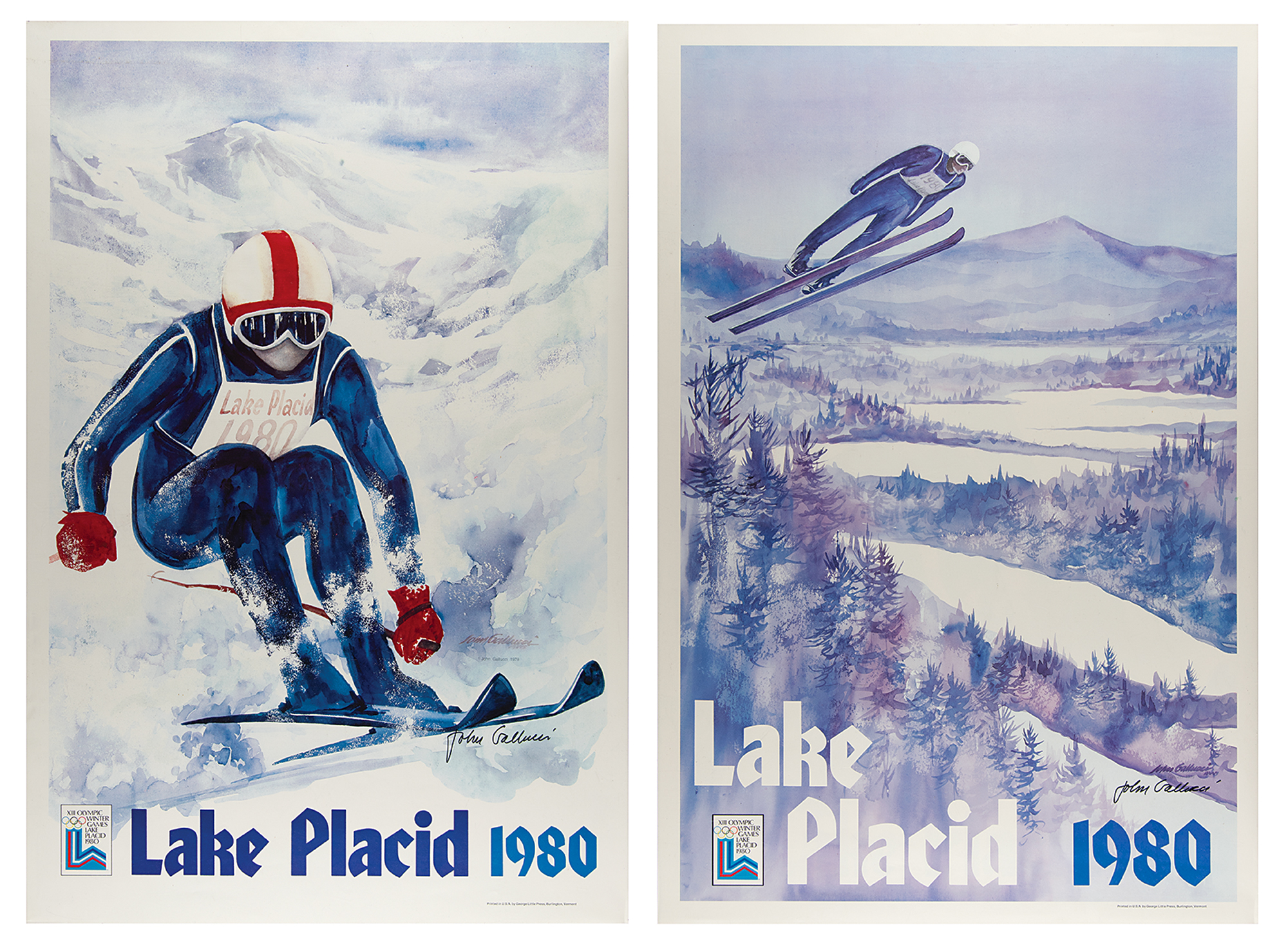
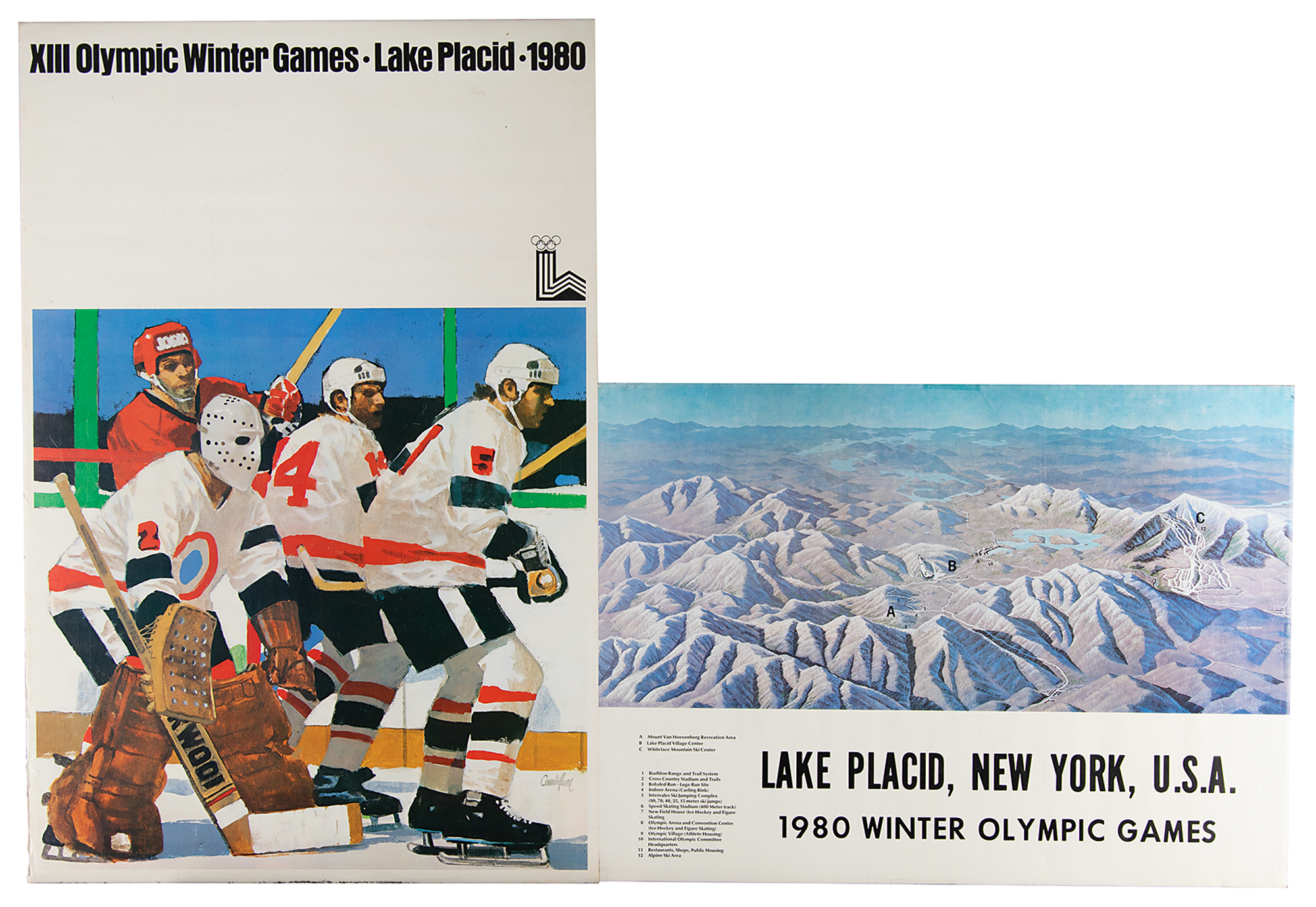
The 1980 Winter Olympics, officially known as the XIII Olympic Winter Games, were held in Lake Placid, New York, United States, from February 13 to February 24, 1980. Best remembered for the iconic "Miracle on Ice" and Eric Heiden’s unprecedented five speed skating gold medals, these Games took place against a tense geopolitical backdrop and left a complex, enduring legacy for rural sports infrastructure.
Historical and Political Context of the 1980 Lake Placid Games
The selection of Lake Placid as the host city for the 1980 Winter Olympics marked the second time the small Adirondack village hosted the event, having previously welcomed the world for the 1932 Winter Olympics. By 1980, however, the scale of the Olympic movement had grown exponentially, transforming a cozy, community-scaled sporting gathering into a massive global media spectacle. Lake Placid was unique in being the smallest community ever selected to host the modern Winter Games, a logistical reality that heavily influenced the planning, execution, and post-Olympic legacy of the event.
Geopolitically, the 1980 Winter Games occurred during a period of severe deterioration in United States-Soviet relations. Just two months prior to the opening ceremony, the Soviet Union invaded Afghanistan. This military action prompted United States President Jimmy Carter to issue an ultimatum: unless Soviet troops withdrew from Afghanistan, the United States would boycott the upcoming Summer Olympic Games in Moscow. While the Lake Placid Winter Games proceeded without a boycott, the atmosphere was heavily charged with Cold War anxieties. Security was tight, and athletes competed under the heavy cloud of international political friction, setting the stage for one of the most politically resonant sporting upsets in history.
Logistical Challenges and Infrastructure Innovations
Hosting an event of global magnitude in a remote village with a permanent population of fewer than 3,000 residents required unprecedented logistical maneuvering. Unlike major metropolitan areas that naturally possess extensive hotel capacity, transportation networks, and public transit, Lake Placid struggled to accommodate tens of thousands of athletes, officials, journalists, and spectators.
To solve the housing shortage, planners devised an innovative and controversial long-term solution: the construction of a medium-security federal prison, the Federal Correctional Institution, Lake Placid. The facility was designed to temporarily house athletes and media personnel during the Games before being converted into a federal penitentiary after the closing ceremonies. While practical from an infrastructure standpoint, this unusual arrangement highlighted the extreme measures required to bring the Winter Olympics to a rural venue.
Transportation and communication infrastructure also underwent massive overhauls. Planners constructed new highway connections, upgraded the local water and sewage systems, and built state-of-the-art sports facilities, including the massive Herb Brooks Arena (part of the Olympic Center) and the newly designed Mt. Van Hoevenberg bobsled and luge run. However, unseasonably warm weather leading up to February 1980 caused a critical shortage of natural snow, forcing organizers to rely heavily on newly developed artificial snowmaking systems to save the outdoor alpine and Nordic events.
Athletic Highlights and Historic Performances
Despite the logistical hurdles and geopolitical tensions, the athletic competition at the 1980 Winter Olympics produced some of the most extraordinary individual and team achievements in the history of winter sports.
The Miracle on Ice
The defining moment of the 1980 Winter Games occurred on February 22, 2020—correction, February 22, 1980—when the United States men's national ice hockey team, composed entirely of amateur and collegiate players, faced the heavily favored, elite professional Soviet Union team in the medal round. The Soviet squad had dominated international ice hockey for decades, winning consecutive gold medals in the previous four Olympic Games and crushing the U.S. team 10-3 in an exhibition game at Madison Square Garden just days before the Olympics.
Coached by Herb Brooks, the young American team executed a disciplined, high-conditioning strategy. Trailing late in the game, the U.S. team mounted a stunning comeback, capped off by team captain Mike Eruzione scoring the go-ahead goal to make it 4-3 in the third period. As the clock ran out, broadcaster Al Michaels famously shouted his iconic countdown: "Do you believe in miracles? Yes!" The victory became a cultural touchstone, symbolizing an uplifting moment of national morale during an economically and politically difficult era for the United States. Two days later, the U.S. defeated Finland 4-2 to secure the actual gold medal.
Eric Heiden’s Five Gold Medals
While the hockey team captured the American imagination, American speed skater Eric Heiden achieved an athletic feat that remains unmatched in Olympic history. Heiden competed in all five speed skating events—the 500m, 1000m, 1500m, 5000m, and 10000m—and won the gold medal in every single one of them.
Not only did Heiden sweep all five events, but he also set a new Olympic record in every race and a world record in the 10000m. Competing on outdoor ice without the benefit of today's indoor, climate-controlled ovals and aerodynamic skin suits, Heiden’s dominance showcased a rare combination of raw power, technical precision, and enduring stamina.
Other Notable Competitors
- Ingemar Stenmark (Sweden): The legendary alpine skier secured gold medals in both the slalom and giant slalom, solidifying his status as one of the greatest technical skiers of all time.
- Hanni Wenzel (Liechtenstein): Dominating the women's alpine events, Wenzel won gold in both the slalom and giant slalom, bringing unprecedented international sporting glory to the small European principality.
- Nikolay Zimyatov (Soviet Union): The Soviet cross-country skier captured three gold medals in the 15km, 30km, and 4x10km relay events.
Medal Standings Overview
The competitive landscape of the 1980 Winter Olympics was heavily contested between traditional winter sports powerhouses, with the Soviet Union and the East German Democratic Republic leading the overall medal count.
| Country | Gold | Silver | Bronze | Total |
|---|---|---|---|---|
| Soviet Union | 10 | 6 | 6 | 22 |
| East Germany | 9 | 7 | 7 | 23 |
| United States | 6 | 4 | 2 | 12 |
| Austria | 3 | 2 | 2 | 7 |
| Sweden | 3 | 0 | 6 | 9 |
| Liechtenstein | 2 | 2 | 0 | 4 |
Economic and Long-Term Legacy
The legacy of the 1980 Winter Olympics is a classic case study in the long-term viability of hosting mega-events in small, non-metropolitan regions. In the immediate aftermath, Lake Placid faced severe financial strains. The Lake Placid Olympic Organizing Committee accumulated significant debt, struggling to transition the newly built facilities into self-sustaining operations.
To prevent these venues from falling into disuse and decay—a fate that has plagued numerous subsequent Olympic host cities—the New York State legislature established the Olympic Regional Development Authority (ORDA) in 1982. ORDA was tasked with managing, maintaining, and modernizing the Lake Placid Olympic sites for both elite athletic training and recreational tourism.
This unique state-sponsored management model proved remarkably successful. Over the subsequent decades, the venues utilized during the 1980 Games—including the ski jumps, bobsled run, sliding center, and ice arenas—were continually upgraded and utilized as official training centers for U.S. national winter sports teams. Consequently, Lake Placid remains one of the few rural Olympic hosts that avoided the abandonment of its capital investments, transforming a precarious financial burden into an enduring anchor for the regional economy and winter tourism in upstate New York.
Frequently Asked Questions
Why were the 1980 Winter Olympics held in such a small town?
Lake Placid was awarded the 1980 Games largely because it was the only American city to bid for the event, and the International Olympic Committee was eager to return to the historic site of the 1932 Games. Organizers believed a compact venue footprint would evoke a classic, traditional winter sports atmosphere, though it created immense logistical challenges regarding housing and transportation.
Who won the most gold medals at the 1980 Winter Olympics?
American speed skater Eric Heiden won the most individual gold medals, capturing five golds across all five speed skating distances (500m to 10000m) and setting Olympic records in every event.
What was the "Miracle on Ice"?
The "Miracle on Ice" refers to the medal-round ice hockey game played on February 22, 1980, where a team of American college players defeated the heavily favored professional Soviet Union team 4-3. The victory propelled the U.S. team to the gold medal match and became an iconic moment in sports and Cold War history.
How did Lake Placid handle the housing shortage during the Games?
Because the local hotel infrastructure could not support tens of thousands of visitors, planners constructed a medium-term federal correctional facility to temporarily house athletes and media personnel during the Games before converting it into a federal prison.
Are the 1980 Olympic venues still in use today?
Yes. Unlike many other Olympic sites, the facilities in Lake Placid are actively managed and maintained by the New York State Olympic Regional Development Authority (ORDA). They continue to serve as training grounds for elite winter athletes and recreation areas for the public.
Conclusion and Historical Significance
The 1980 Winter Olympics in Lake Placid remain a watershed moment in sports history, defined by the juxtaposition of intense Cold War politics, rustic rural infrastructure, and transcendent athletic achievements. From Eric Heiden’s peerless speed skating sweep to the patriotic fervor of the Miracle on Ice, the Games demonstrated how sports can capture the global imagination. Furthermore, the successful long-term stewardship of its venues through ORDA provides a rare blueprint for how small communities can sustainably manage the physical and economic footprint of the Olympic Games for decades after the closing flame is extinguished.