The 2000 NFL Draft remains one of the most uniquely polarizing and historically significant talent acquisition events in professional football history. Widely remembered for a historically weak class of quarterbacks at the top—highlighted by the Cleveland Browns selecting Courtney Brown first overall and the iconic tumble of Tom Brady to the 199th pick—this draft fundamentally reshaped the league's landscape through a mixture of historic misses and legendary late-round value.
Historical Context and Pre-Draft Landscape
The landscape of the National Football League in the spring of 2000 was vastly different from the modern era. The league operated with 31 franchises, as the Cleveland Browns had returned to play as an expansion franchise in 1999, and the Houston Texans had not yet entered the league. Front offices relied significantly less on advanced analytics and far more on traditional scouting tape, regional combines, and protracted physical evaluations.
Entering the 2000 NFL Draft, scouts recognized a distinct lack of elite quarterback talent at the top of the board. Unlike drafts featuring multiple consensus franchise quarterbacks, the 2000 class lacked a marquee signal-caller whom teams felt comfortable building around immediately. Instead, front offices heavily prioritized defensive stalwarts, dominant edge rushers, and physical playmakers, viewing defense as the safer route to immediate competitiveness.
This macro-evaluation set the stage for a draft that defied traditional positional value at the very top, while simultaneously harboring unprecedented value in the middle and late rounds. The event took place over two days on April 15–16, 2000, at the Theater at Madison Square Garden in New York City, broadcasting the transformation of football franchises in real time.
The First Round: High Risks and Mixed Returns
The opening round of the 2000 NFL Draft set a high-stakes tone. Teams at the top of the order faced immense pressure to secure cornerstone players, leading to mixed long-term results.
The Top Selections
- Cleveland Browns: Courtney Brown, DE, Penn State Possessing the number one overall pick, the expansion Browns selected defensive end Courtney Brown. While Brown showed flashes of dominance and had a productive early career marred by knee injuries, he ultimately failed to sustain the longevity expected of a top overall selection, symbolizing the high-risk nature of the draft's upper echelon.
- Washington Redskins: LaVar Arrington, LB, Penn State Arrington was widely considered one of the most athletically gifted linebackers of his generation. Selected second overall after Washington traded up, Arrington earned three Pro Bowl selections and played a ferocious style of football, though injuries eventually shortened his career.
- Washington Redskins: Chris Samuels, OT, Alabama With their second pick in the top three (acquired via trade), Washington selected offensive tackle Chris Samuels. This pick proved to be an overwhelming success. Samuels anchored the offensive line for a decade, earning six Pro Bowl nods and becoming a model of consistency.
- Cincinnati Bengals: Peter Warrick, WR, Florida State Warrick entered the league with immense collegiate acclaim as an electrifying playmaker. While he enjoyed a solid, productive career as a receiver and punt returner, he did not reach the transcendent superstar status his draft slot implied.
- Baltimore Ravens: Jamal Lewis, RB, Tennessee The Ravens utilized their fifth overall pick to draft bruising running back Jamal Lewis. This selection paid immediate dividends. Lewis became the centerpiece of Baltimore’s punishing ground game, rushing for over 2,000 yards in 2003 and capturing a Super Bowl title as a rookie in Super Bowl XXXV.
First-Round Selection Overview
| Pick | Team | Player | Position | College | Notable Career Highlights |
|---|---|---|---|---|---|
| 1 | Cleveland Browns | Courtney Brown | DE | Penn State | Solid starter; career hampered by injuries |
| 2 | Washington Redskins | LaVar Arrington | LB | Penn State | 3x Pro Bowl selection; dominant athletic playmaker |
| 3 | Washington Redskins | Chris Samuels | OT | Alabama | 6x Pro Bowl selection; cornerstone franchise tackle |
| 4 | Cincinnati Bengals | Peter Warrick | WR | Florida State | Solid multi-year contributor as WR and returner |
| 5 | Baltimore Ravens | Jamal Lewis | RB | Tennessee | Super Bowl XXXV champion; 2,000-yard rusher |
The Quarterback Class of 2000
The defining narrative of the 2000 NFL Draft centers on how teams evaluated the quarterback position. Six quarterbacks were selected within the first three rounds, none of whom became elite, long-term answers for the teams that drafted them early.
- Chad Pennington (18th Overall, New York Jets): Pennington was the first quarterback selected. Possessing high football intelligence and incredible accuracy, Pennington won NFL Comeback Player of the Year twice and led the Jets to multiple playoff appearances. However, multiple severe shoulder surgeries sapped his arm strength, limiting his ultimate ceiling.
- Giovanni Carmazzi (65th Overall, San Francisco 49ers): Selected in the third round, Carmazzi never threw a regular-season pass in the NFL.
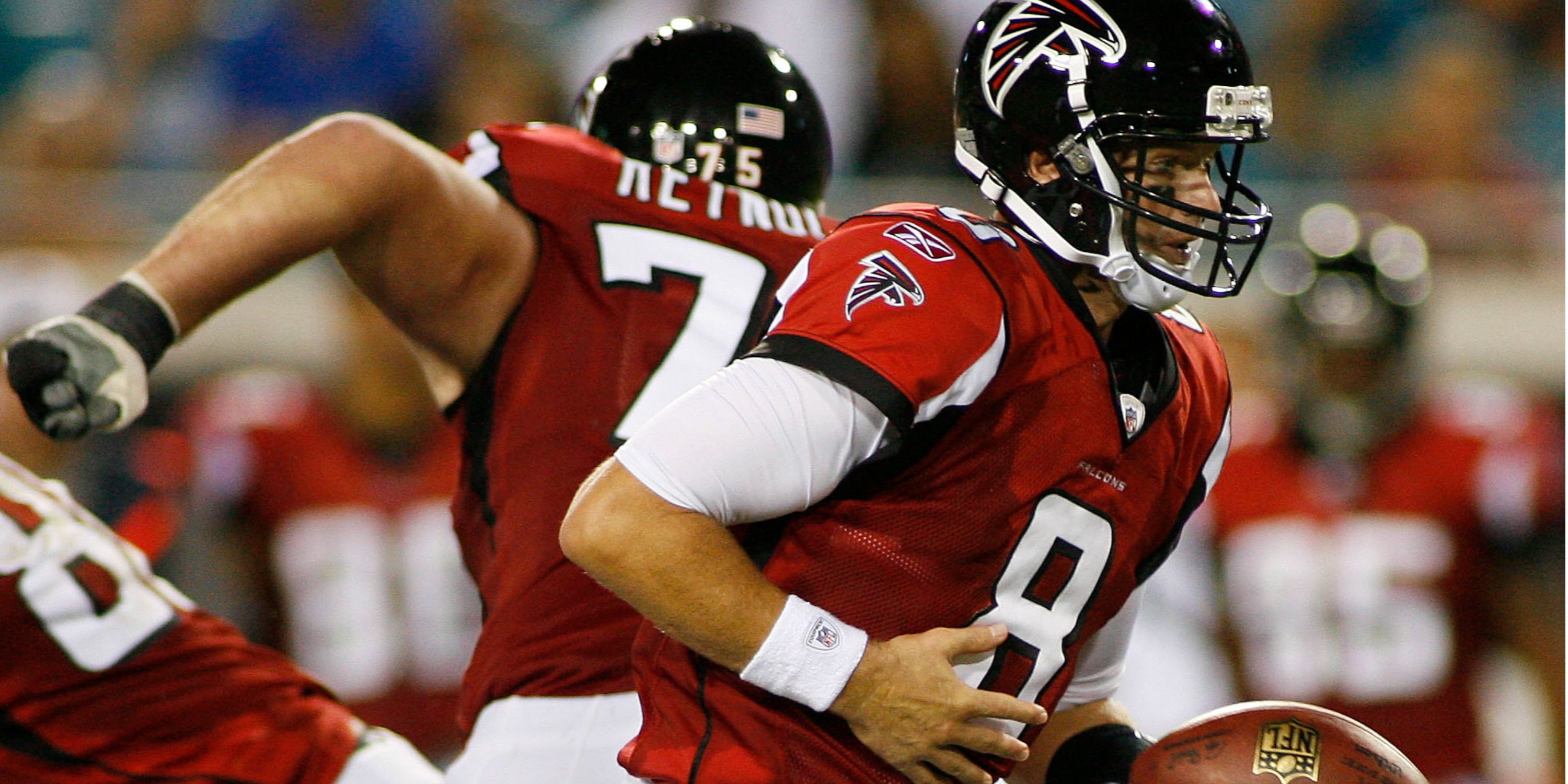
- Chris Redman (75th Overall, Baltimore Ravens): Drafted in the third round, Redman served primarily as a career backup over several seasons.
- Tee Martin (163rd Overall, Pittsburgh Steelers): A fifth-round selection, Martin transitioned into a long and successful coaching career after brief professional stints.
- Marc Bulger (168th Overall, New Orleans Saints): Drafted in the sixth round, Bulger was eventually cut by New Orleans before catching on with the St. Louis Rams, where he blossomed into a two-time Pro Bowl selection.
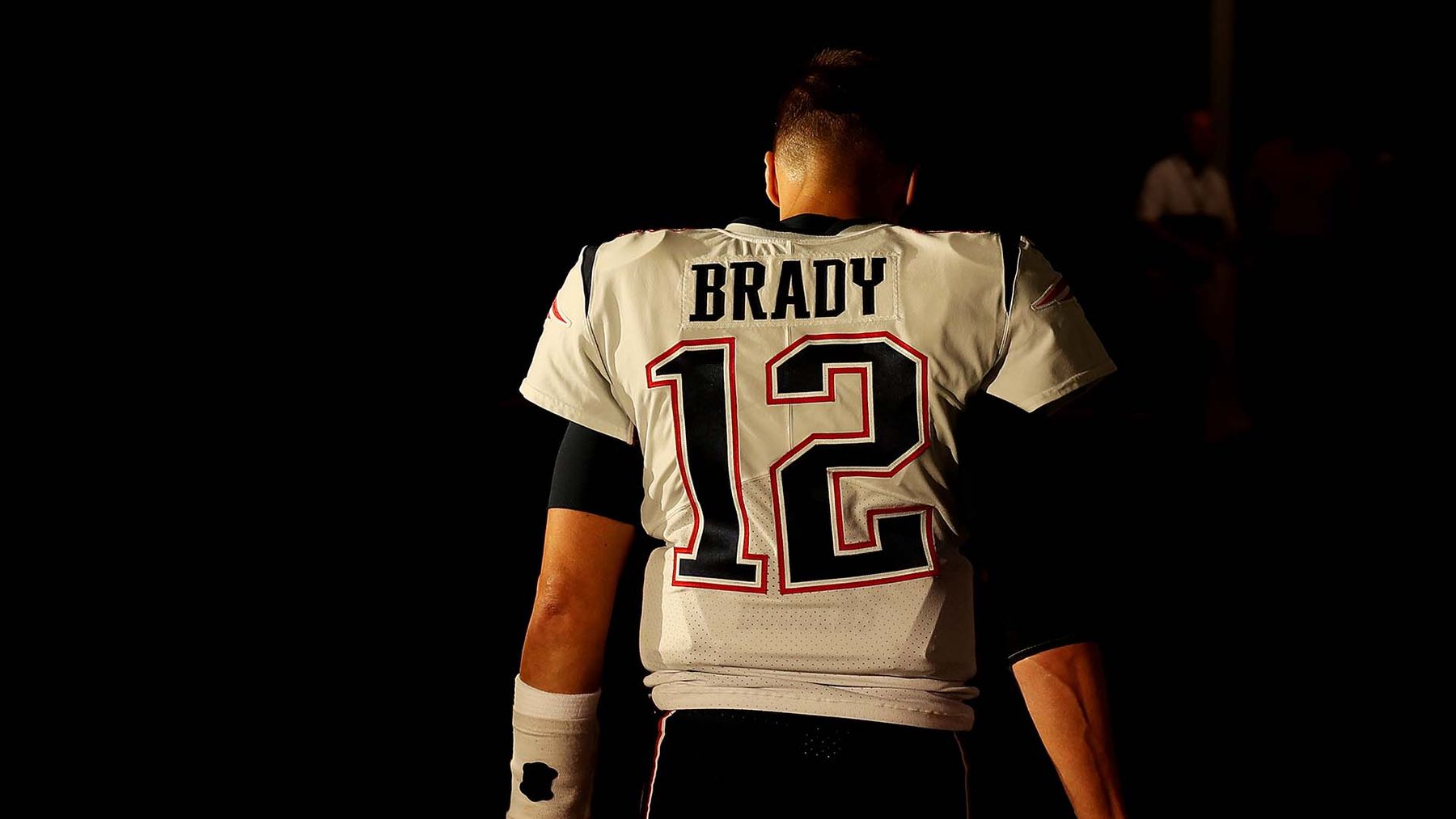
- Tom Brady (199th Overall, New England Patriots): Selected in the sixth round out of Michigan, Brady's slide down the draft board is widely chronicled. Listed as a backup behind Drew Bledsoe, Brady took over the starting role in 2001, won Super Bowl XXXVI, and went on to capture a record seven Super Bowl titles, transforming the history of the New England Patriots and the National Football League.
Mid-to-Late Round Diamonds in the Rough
While the top of the draft featured several cautionary tales, the middle and late rounds yielded an extraordinary concentration of Hall of Fame talent and perennial Pro Bowlers. Front offices that maximized their scouting departments in rounds four through seven found players who defined decades of football.
Notable Late-Round Selections
- Draft Day Steals: Beyond Tom Brady, the 2000 draft produced defensive legends and stalwart contributors well after the initial rounds concluded.
- The Defensive Backfield: Cornerbacks and safeties found late-round homes, developing into shutdown coverage players and physical tacklers who anchored championship defenses.
- Offensive Trench Depth: Offensive guards and tackles drafted outside the top 100 picks developed into multi-year starters, proving that evaluation in the trenches extends far beyond premier draft capital.
This disparity highlighted a fundamental reality of draft evaluation: physical measurables captured at the NFL Scouting Combine do not always translate to professional execution, while competitive drive, football character, and scheme fit frequently reveal themselves away from the spotlight.
Strategic Lessons and Front Office Evolution
The 2000 NFL Draft serves as a fascinating case study in football operations, offering enduring lessons for modern front offices.
1. The Fallacy of Positional Scarcity Reaches
When teams reach for a player simply because of positional need—such as drafting quarterbacks high in a weak class—they frequently compromise roster value. The failure of early quarterback selections in 2000 demonstrated that forcing a pick at the game's most important position rarely works out.
2. The Value of Draft Capital Accumulation
The successes of teams that accumulated picks highlighted the inherent unpredictability of the draft. Because talent evaluation is an inexact science, having more selections increases the statistical probability of landing foundational players.
3. Evaluating Intangibles
The ultimate success of players like Tom Brady forced talent evaluators to re-examine how they weight intangibles—such as pocket presence, poise under pressure, leadership, and unwavering work ethic—relative to raw athletic testing numbers like the 40-yard dash or vertical jump.
Frequently Asked Questions
Who was the first overall pick in the 2000 NFL Draft?
Defensive end Courtney Brown out of Penn State was selected first overall by the expansion Cleveland Browns. While he showed promise, injuries limited his career longevity.
How many quarterbacks were drafted before Tom Brady?
Six quarterbacks were selected before Tom Brady heard his name called at pick number 199 in the sixth round. Those quarterbacks were Chad Pennington, Giovanni Carmazzi, Chris Redman, Tee Martin, Spergon Wynn, and Tom Brady's eventual teammate, Tom Brady himself being the seventh quarterback taken overall.
Which team had the most successful draft in 2000?
The Baltimore Ravens are widely credited with having one of the most impactful drafts in NFL history. They selected running back Jamal Lewis fifth overall and added legendary tight end and future Hall of Famer Todd Heap in the first round of the subsequent draft, but their 2000 haul featured immediate contributors who won Super Bowl XXXV as rookies.
Why did Tom Brady fall to the sixth round?
Tom Brady fell to the 199th pick due to concerns over his perceived lack of elite arm strength, ordinary athletic testing numbers at the NFL Scouting Combine, and a shared-playing-time arrangement during his college career at the University of Michigan.
How many rounds were in the 2000 NFL Draft?
The 2000 NFL Draft consisted of seven rounds, totaling 254 selections across 31 franchises, prior to the expansion of the league to 32 teams with the addition of the Houston Texans in 2002.
Next Actions for Football Historians and Analysts
To deepen your understanding of the 2000 NFL Draft, examine the individual team draft logs from that year to analyze how different front-office philosophies influenced long-term franchise success. Reviewing historical draft day trades provides further insight into how general managers manipulated draft capital to secure foundational players.