The 2000 NFL draft class delivered a transformative wave of talent, producing immediate impact players, durable franchise cornerstones, and multiple future Pro Football Hall of Famers. Anchored by historic selections like Brian Urlacher and Tom Brady, this cohort reshaped how front offices evaluated college production, physical testing metrics, and late-round value across all seven rounds.
Evaluating the 2000 NFL rookies requires examining not just the elite stars who dominated the decade that followed, but also the systemic drafting philosophies of the era. This comprehensive retrospective analyzes the structural makeup of the class, examines the standout performers across offense and defense, contrasts the top picks with late-round steals, and details the lasting legacy of the players who entered the league at the turn of the millennium.
Historical Context and Draft Structure of 2000
The April 2000 NFL Draft took place against a backdrop of shifting franchise strategies. Teams were increasingly relying on disciplined scouting departments to unearth value, while the expansion Cleveland Browns participated in their second draft since returning to the league. The overall talent pool featured elite defensive stoppers, durable running backs, and mid-to-late-round quarterbacks whose development completely altered conventional wisdom regarding draft positioning.
Unlike modern drafts heavily influenced by advanced analytics and exhaustive player-tracking data, talent evaluation in 2000 leaned heavily on traditional game film, in-person scouting, combine measurables, and character assessments. Consequently, many eventual superstars slipped past the first day entirely, proving that evaluation models of the time carried substantial blind spots regarding intangible traits, work ethic, and scheme fit.
First-Round Highlights and Immediate Impact
The opening round of the 2000 draft featured several players who would anchor their respective franchises for a decade or more. At the very top, the draft established a defensive tone, with teams prioritizing elite athleticism and sideline-to-sideline playmaking ability.
Defensive Anchors and Playmakers
- LaVar Arrington (2nd overall, Washington Redskins): A consensus All-American from Penn State, Arrington entered the league with immense physical gifts. He earned three consecutive Pro Bowl nods from 2001 to 2003, terrorizing opposing backfields with his explosive pass-rushing and open-field tackling.
- Chris Samuels (3rd overall, Washington Redskins): Selected immediately after Arrington, the offensive tackle from Alabama provided steady, high-level protection on the blind side, earning six Pro Bowl selections over a stellar 10-year career.
- Brian Urlacher (9th overall, Chicago Bears): One of the defining linebackers of his generation, Urlacher won the NFL Defensive Rookie of the Year award in 2000. He went on to capture the Associated Press NFL Defensive Player of the Year award in 2005, anchoring the center of the Bears' defense with elite intelligence, range, and leadership until his retirement.
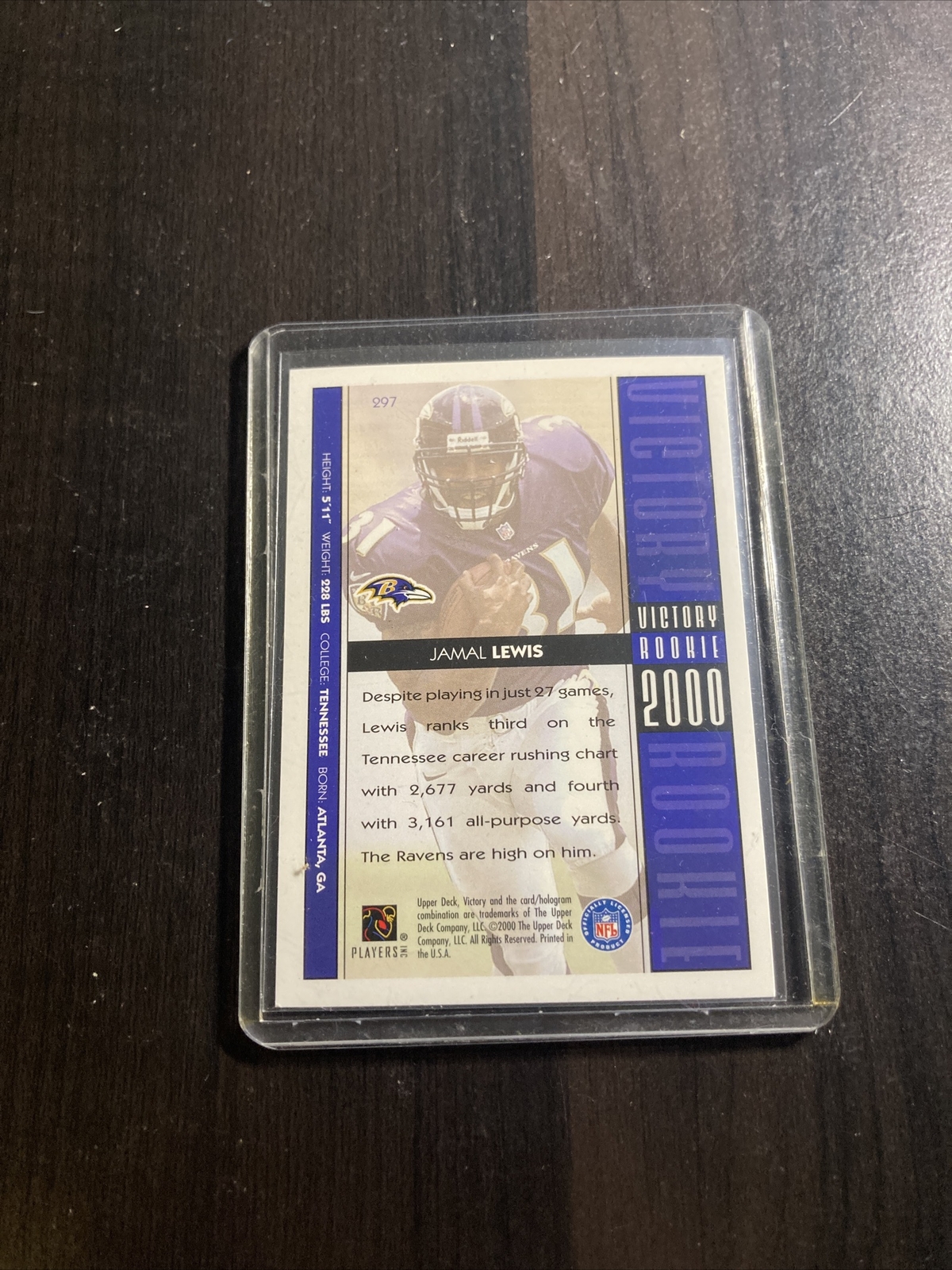
- Jamal Lewis (5th overall, Baltimore Ravens): Powering the running game for Baltimore, Lewis rushed for 1,364 yards as a rookie and played a pivotal role in leading the Ravens to victory in Super Bowl XXXV, later topping the 2,000-yard rushing mark in 2003.
The Definitive Late-Round Find: Tom Brady
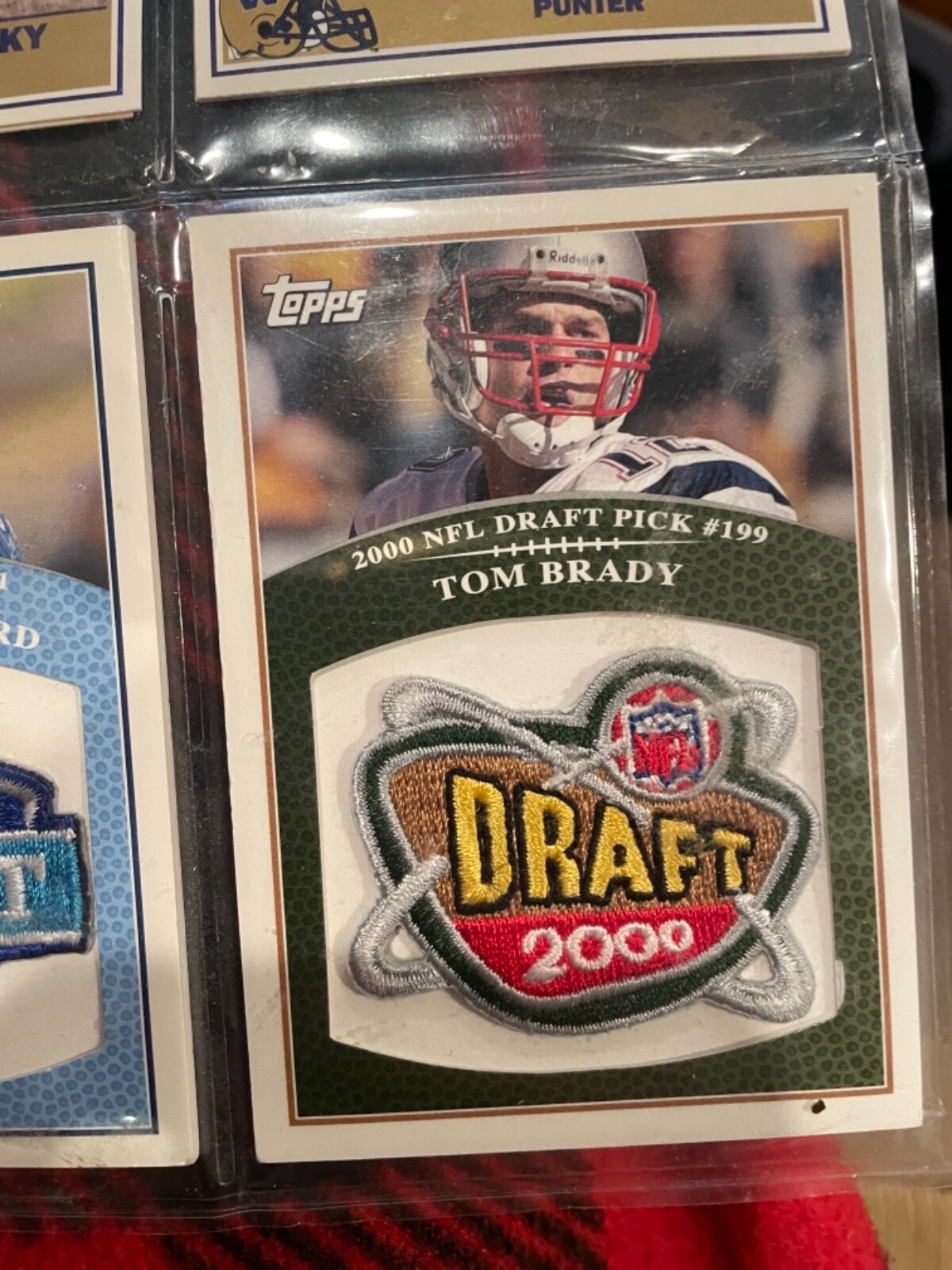
No retrospective of the 2000 NFL rookies is complete without examining the selection of quarterback Tom Brady. Drafted in the sixth round with the 1999th overall pick by the New England Patriots out of the University of Michigan, Brady's slide into the late rounds remains the most scrutinized and consequential draft-day occurrence in professional sports history.
Initially entering training camp as the fourth-string quarterback behind Drew Bledsoe, Michael Bishop, and John Friesz, Brady fought for a roster spot through sheer preparation and precision. When an injury to Bledsoe thrust Brady into the starting role early in the 2001 season, he seized the opportunity, orchestrating a championship run that launched an unprecedented era of sustained success. Brady's career trajectory fundamentally altered how NFL personnel departments evaluated collegiate quarterback prospects who lacked elite physical testing numbers but demonstrated exceptional poise, decision-making, and pocket awareness.
Key Contributors Across Offense and Defense
Beyond the household names at the top and bottom of the draft boards, the 2000 class featured a deep tier of productive starters who shaped the competitive landscape of the NFL throughout the 2000s.
Offensive Playmakers and Trench Warriors
- Shaun Alexander (19th overall, Seattle Seahawks): Selected in the first round out of Alabama, Alexander developed into one of the league's most lethal goal-line and open-field runners, culminating in an NFL MVP award in 2005 and a Super Bowl appearance.
- Plaxico Burress (8th overall, Pittsburgh Steelers): A towering wide receiver out of Michigan State, Burress provided a dominant red-zone target throughout his career, famously catching the game-winning touchdown pass in Super Bowl XLII for the New York Giants.
- Chad Pennington (18th overall, New York Jets): The first quarterback selected in the draft, Pennington showcased elite accuracy and football intelligence, twice winning the NFL Comeback Player of the Year award.
Defensive Standouts
- Julian Peterson (16th overall, San Francisco 49ers): A versatile linebacker and defensive end out of Michigan State, Peterson earned multiple Pro Bowl nods for his ability to rush the passer and drop into pass coverage effectively.
- Ahmed Plummer (36th overall, San Francisco 49ers): A second-round cornerback who provided reliable coverage in the secondary, intercepting ten passes during his standout 2001 campaign.
Comparative Breakdown of Notable 2000 Selections
| Player | Position | Draft Round / Pick | Primary Franchise | Career Accolades & Highlights |
|---|---|---|---|---|
| Tom Brady | Quarterback | Round 6, Pick 199 | New England Patriots | 7x Super Bowl Champion, 5x Super Bowl MVP, 3x NFL MVP |
| Brian Urlacher | Linebacker | Round 1, Pick 9 | Chicago Bears | Defensive Rookie of the Year, Defensive Player of the Year, Hall of Fame |
| Jamal Lewis | Running Back | Round 5, Pick 5 | Baltimore Ravens | Super Bowl XXXV Champion, 2,000-yard rusher, NFL 2000s All-Decade Team |
| Shaun Alexander | Running Back | Round 1, Pick 19 | Seattle Seahawks | NFL MVP (2005), 3x Pro Bowl selection, NFL 2000s All-Decade Team |
| Chris Samuels | Offensive Tackle | Round 3, Pick 3 | Washington Redskins | 6x Pro Bowl selection, consistent blindside protector |
Frequently Asked Questions
Who was the number one overall pick in the 2000 NFL Draft?
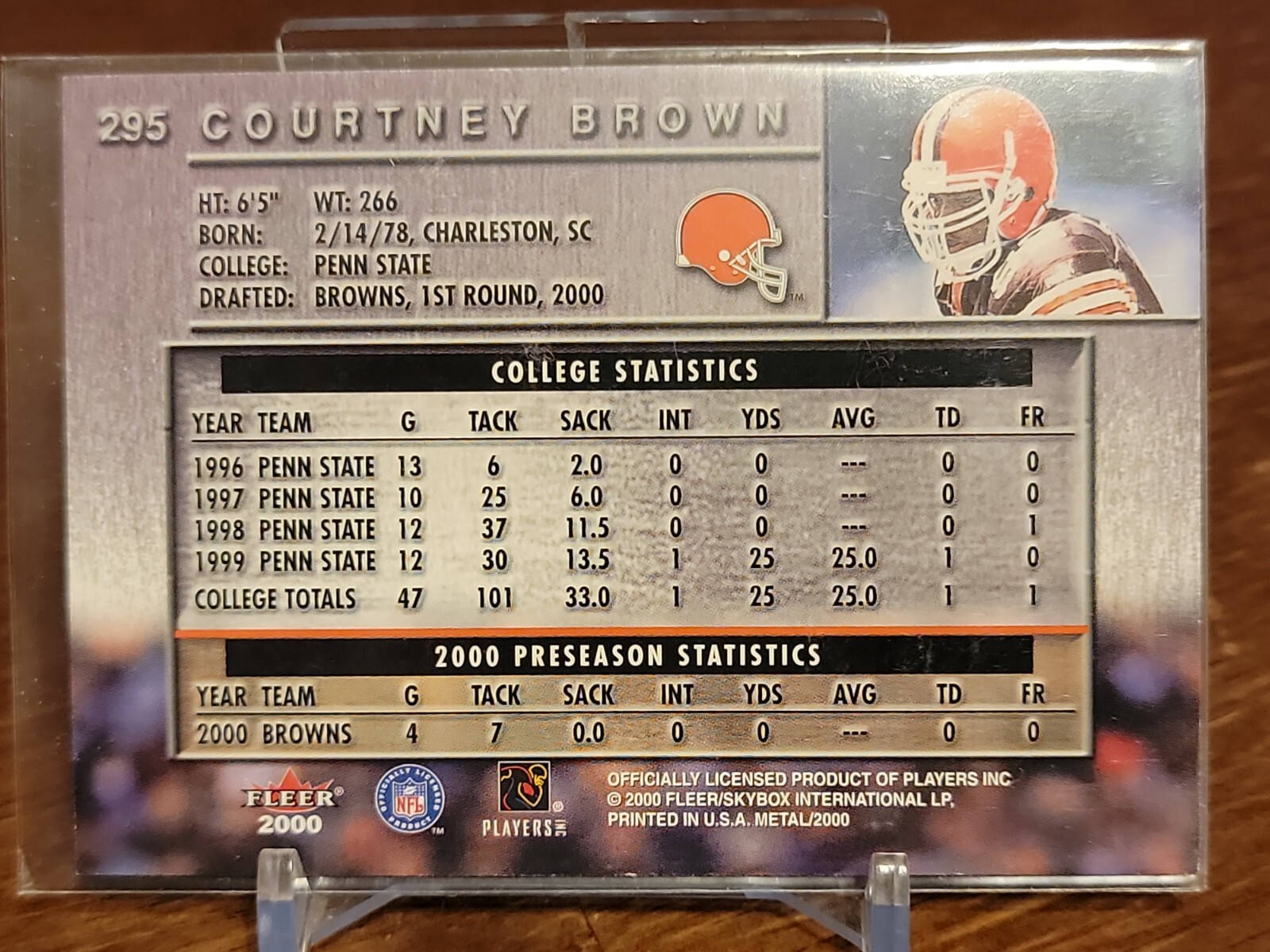
The Cleveland Browns selected defensive end Courtney Brown from Penn State with the first overall pick. While injuries limited the duration of his professional career, Brown showed flashes of dominant pass-rushing ability during his early seasons with the franchise.
How many quarterbacks were drafted before Tom Brady in 2000?
Six quarterbacks were selected before Tom Brady heard his name called. Those players were Chad Pennington, Giovanni Carmazzi, Chris Redman, Tee Martin, Marc Bulger, and Spergon Wynn. Brady was the seventh quarterback chosen in the draft.
Which rookie won the Associated Press Defensive Rookie of the Year award in 2000?
Chicago Bears linebacker Brian Urlacher won the award following a dominant debut season in which he recorded 8 blocks, 8 sacks, and two interceptions, instantly revitalizing the Chicago defense.
What made the 2000 draft class unique compared to other years?
The class is uniquely defined by a stark contrast between high-profile selections that experienced injury struggles and legendary late-round finds—most notably Tom Brady—who redefined the long-term value obtainable in the final rounds of the draft.
How did the 2000 rookie class impact modern scouting methods?
The unprecedented success of late-round and undervalued prospects forced front offices to reassess how they weighed intangible leadership traits, pocket poise, and work ethic against pure physical combine measurables, leading to more holistic evaluation models in subsequent decades.
Practical Recommendations for Sports Researchers and Historians
When researching historical draft classes such as the 2000 cohort, analysts should rely on verified official league archives, play-by-play databases, and historical transaction records rather than anecdotally driven summaries. Cross-referencing draft slot values with career Approximate Value (AV) metrics provides an objective baseline for measuring the true return on investment achieved by each franchise. Evaluating front office decision-making requires examining the specific team context, roster needs, and prevailing tactical philosophies of the year 2000, ensuring a historically accurate perspective on how these rookies transitioned into professional football icons.