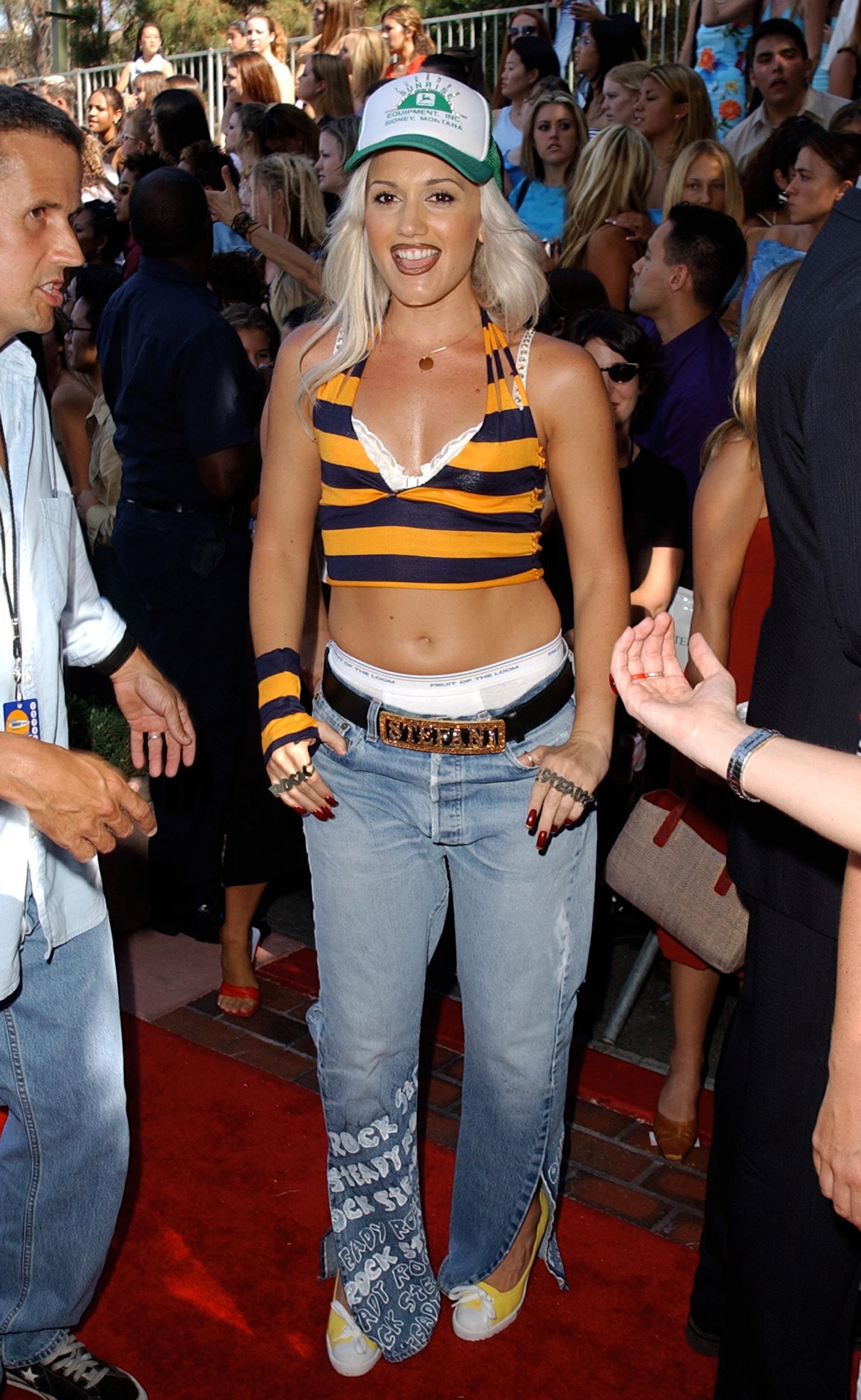
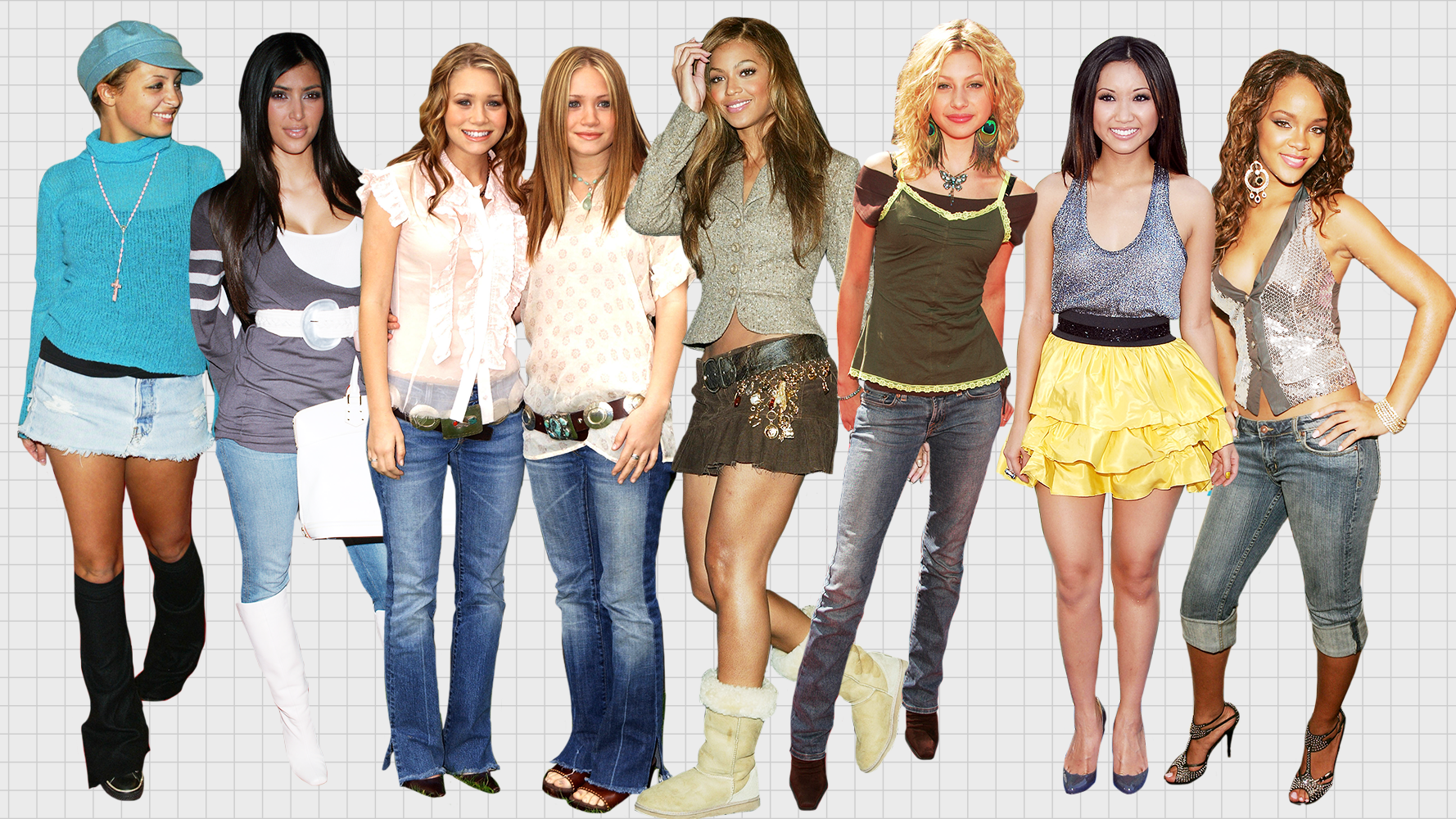
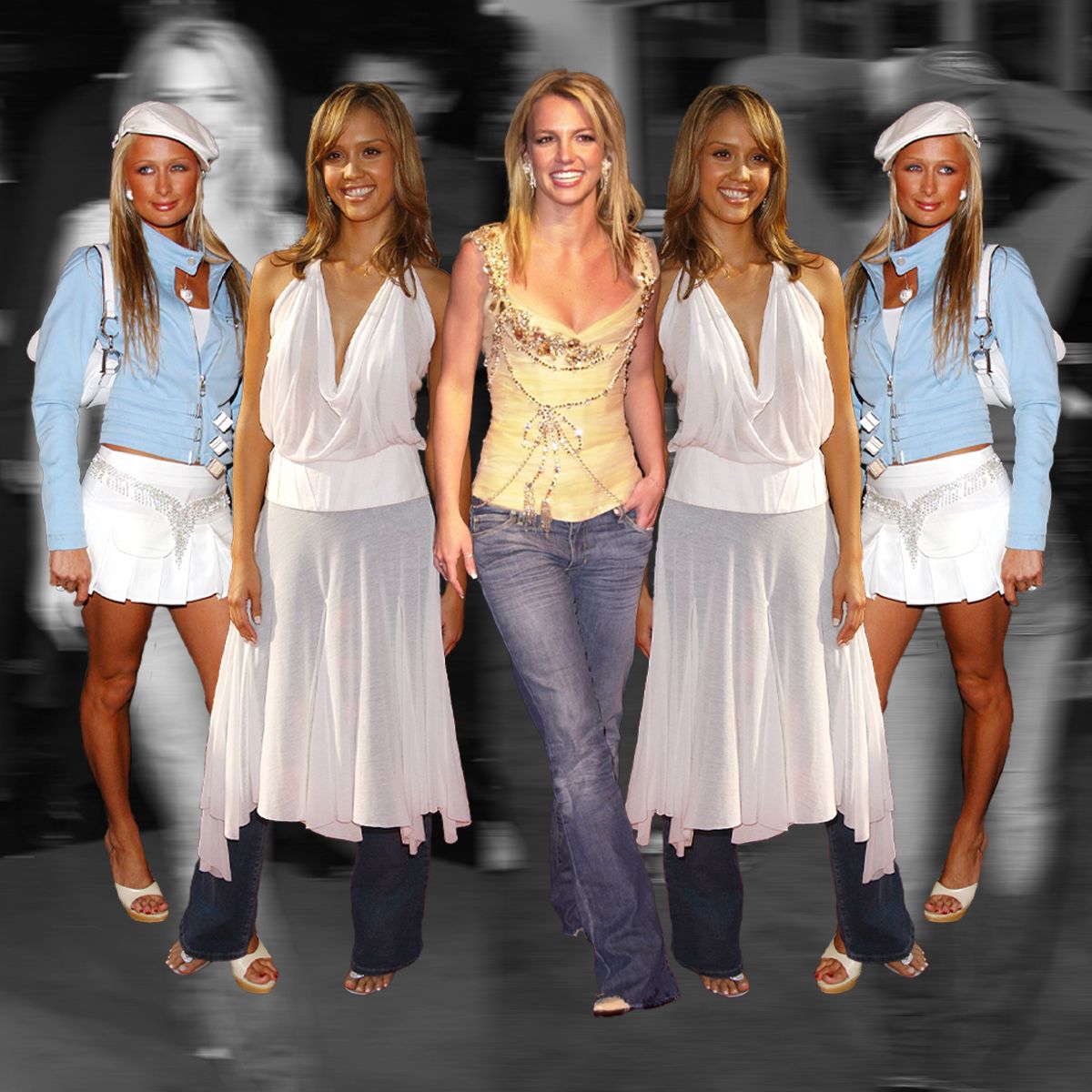
The fashion of the year 2000 represents a unique transitional epoch where late-90s minimalism collided with futuristic optimism and early digital-age aesthetics, characterized by low-rise denim, metallic fabrics, velour tracksuits, and an eclectic blend of pop culture and hip-hop influences.
Introduction to Y2K Style and the Turn of the Millennium
The turn of the millennium was a psychological and cultural watershed. As society crossed from 1999 into 2000, widespread anxiety surrounding the Y2K computer bug paired paradoxically with an unbridled enthusiasm for the technological future. This duality manifested directly in clothing design. The gloomy, grunge-inspired minimalism that dominated the early and mid-1990s gave way to a vibrant, hyper-visible, and often synthetic aesthetic.
Far from being a monolithic trend, fashion in 2000 was a chaotic laboratory of influences. Pop music icons, hip-hop royalty, and MTV mainstays dictated trends at a breakneck pace. This era marked a crucial pivot point in retail, bridging the gap between traditional seasonal runway collections and the rapid-fire consumer appetite that would eventually give birth to modern fast fashion. Understanding 2000 fashion requires examining how technology, music videos, and youth culture coalesced into a distinct visual identity that continues to inspire contemporary nostalgia.
Core Aesthetic Pillars of 2000 Fashion
To comprehend the sartorial landscape of the year 2000, one must analyze the primary visual and material drivers that defined the wardrobe of the era. Designers and consumers alike embraced materials and silhouettes that would have seemed theatrical or unwearable just a decade prior.
Futuristic and Tech-Optimistic Design
With the dawn of the new millennium, the future arrived with a glossy sheen. Fashion designers drew heavy inspiration from science fiction cinema, space exploration, and cyber-culture.
- Metallic and Glossy Finishes: Silver, chrome, and iridescent fabrics were ubiquitous. Vinyl, patent leather, and PVC jackets, pants, and boots gave wearers a slick, robotic edge.
- Prismatic Accessories: Wraparound sunglasses, reminiscent of safety goggles or sci-fi armor, were worn indoors and outdoors alike, stripped of their utilitarian purpose and repurposed purely for high-fashion attitude.
- Synthetic Textures: Polyester blends and nylon took center stage, prized for their ability to hold high-octane neon colors and glossy sheens.
The Rise of Low-Rise and Exposed Elements
Perhaps the most defining structural silhouette shift in 2000 was the radical drop in waistband heights.
- Low-Rise Denim: Pants and skirts sat aggressively low on the hips, fundamentally altering traditional tailoring proportions. Brands competed to produce the lowest possible rises.
- Exposed Undergarments: The low-rise silhouette naturally ushered in the trend of exposed thong straps (often referred to as the "whale tail") and decorated waistbands, turning undergarments into visible components of the outer outfit.
- Midriff-Baring Tops: Crop tops, tube tops, and baby tees cut significantly shorter than their 90s predecessors laid bare the midriff, emphasizing youth and physical confidence.
Iconic Wardrobe Staples of the Era
The year 2000 was defined by specific garment categories that became uniform-like staples for youth and celebrities alike. These items formed the building blocks of both casual daywear and high-profile red-carpet appearances.
| Garment Category | Defining Characteristics | Primary Materials | Key Cultural Drivers |
|---|---|---|---|
| Velour Tracksuits | Matching zip-up jackets and drawstring pants; often branded with rhinestones. | Cotton-polyester velour blend | Hip-hop artists, MTV reality stars, airport paparazzi photos |
| Cargo Pants | Baggy, multi-pocketed silhouettes; utilitarian cuts worn slouchy on the hips. | Cotton twill, nylon, parachute silk | Girl groups, skate culture, boy bands |
| Baby Tees | Shrunken, fitted t-shirts featuring ironic text, cartoon characters, or rhinestones. | Cotton jersey, spandex blends | Pop princesses, teen magazines |
| Baguette Bags | Small, elongated shoulder bags designed to tuck snugly under the arm. | Leather, monogram canvas, sequins | Luxury designers, Carrie Bradshaw (Sex and the City) |
The Velour Tracksuit Revolution
Long before athleisure became an everyday corporate uniform, the velour tracksuit reigned supreme in 2000. Pioneered by luxury leisurewear brands and adopted enthusiastically by pop stars and hip-hop icons, these matching sets transformed comfort wear into a status symbol. Often embellished with metallic logos or rhinestone lettering across the rear or chest, they were worn everywhere from casual errands to high-profile industry events.
Cargo Pants and Oversized Silhouettes
While fitted tops and low-rise bottoms ruled women's fashion, the silhouette for casual streetwear often leaned toward exaggerated volume. Cargo pants, parachute pants, and oversized denim jeans dominated both male and female wardrobes. Influenced heavily by the hip-hop community and the skater subculture, these garments featured an abundance of straps, zippers, and deep pockets, prioritizing functional rebellion over sleek tailoring.
Footwear and Accessories
An outfit in the year 2000 was incomplete without footwear and accessories that commanded attention. Accessories were rarely subtle; they served as punchy exclamation points to already loud ensembles.
Footwear Trends
- Platform Shoes and Sneakers: Chunky soles were everywhere. Platform sandals, thick-soled loafers, and heavy sneakers added physical height and grounded voluminous trousers.
- Pointed-Toe Boots: For formal or going-out attire, knee-high or ankle boots with sharply pointed toes and thin stiletto heels were paired with miniskirts and bootcut jeans.
- Chunky Slides: Molded rubber and embellished slide sandals became summer essentials, often worn with platform soles.
Accessories That Defined the Decade
- Tiny Sunglasses: Tinted lenses in shades of rose, blue, and yellow, framed in wire or translucent plastic, offered zero eye protection but maximum aesthetic impact.
- Chunky Belts: Wide leather belts adorned with oversized metal grommets, western buckles, or studded details were worn loose across the hips rather than cinched at the natural waist.
- Hair Accessories: Butterfly clips, colorful beaded braids, zig-zag headbands, and snap clips dominated youthful hairstyles, allowing for intricate, pinned-back looks.
Cultural Catalysts: Music, Television, and Celebrity Influence
Fashion in 2000 did not emerge in a vacuum; it was actively broadcast and curated by the burgeoning entertainment complex of the era. The primary engines of style dissemination were MTV, pop music videos, teen dramas, and red-carpet events.
The MTV Effect and Pop Royalty
Music television was the undisputed supreme ruler of style. Viewers scrutinized the wardrobes of pop stars like Britney Spears, Christina Aguilera, *NSYNC, and the Backstreet Boys within hours of a video's premiere. Concert tours and televised award shows functioned as live runway shows where boundary-pushing outfits were debuted, validated, and rapidly copied by high-street retailers.
Hip-Hop Integration into Mainstream High Fashion
The year 2000 solidified the profound influence of hip-hop culture on global fashion. Oversized jerseys, branded streetwear, durags, and heavy platinum or gold jewelry transitioned from regional urban scenes to global mainstream ubiquity. Artists like Jay-Z, Missy Elliott, and Destiny's Child bridged the gap between luxury fashion houses and street culture, forever altering the trajectory of modern style.
Comparison of 1990s Minimalist vs. 2000 Maximalist Fashion
To fully understand the seismic shift that occurred at the turn of the millennium, it is helpful to compare the prevailing paradigms of the preceding decade with the dawn of the 2000s.
| Design Element | 1990s Minimalism (Late Decade) | 2000 Maximalism & Futurism |
|---|---|---|
| Color Palette | Neutral tones (black, white, beige, olive, muted earth tones) | High-octane neon, electric pink, metallic silver, iridescent hues |
| Waistline Placement | Mid-to-high rise; tailored waists resting at the navel | Ultra low-rise; resting dangerously low on the hipbones |
| Fabric Choices | Matte cottons, raw denim, fine wools, simple slips | Vinyl, PVC, velour, synthetic spandex, patent leather |
| Primary Silhouettes | Clean, linear, elongated, understated | Voluminous cargo pants paired with ultra-cropped tight tops |
| Accessory Philosophy | Minimalist silver jewelry, simple leather straps, understated bags | Statement pieces, oversized logos, tiny tinted sunglasses, rhinestones |
Modern Legacy and Retro Revival
The fashion of the year 2000 has experienced a massive cultural resurgence among younger generations. Often collectively termed "Y2K fashion" by Gen Z consumers, these archival looks have been mined from thrift stores, secondary marketplaces, and vintage collections. Contemporary designers frequently reference the turn of the millennium in runway shows, reissuing low-rise denim, baguette bags, and metallic finishes for a new audience that views the era through a lens of digital nostalgia.
However, reviving this era comes with practical considerations. Modern iterations of Y2K fashion often incorporate modern fabric technologies and sustainable manufacturing practices, contrasting with the cheap synthetic blends that flooded malls in the original year 2000. As contemporary style continues to cycle through decades past, the turn of the millennium remains a fascinating study in technological optimism, pop culture dominance, and unapologetic self-expression.
Frequently Asked Questions About 2000 Fashion
What are the defining characteristics of fashion in the year 2000?
Fashion in 2000 was defined by a blend of futuristic optimism and pop-culture maximalism. Key characteristics include low-rise denim, metallic and glossy synthetic fabrics, velour tracksuits, baby tees, chunky platform shoes, and visible undergarments.
How did music videos influence fashion trends in 2000?
Music television networks like MTV acted as the primary style incubator of the era. Viewers routinely copied the exact outfits worn by pop stars and hip-hop artists in high-rotation music videos, driving rapid consumer demand for specific garments like cargo pants and branded apparel.
Were low-rise jeans popular in the year 2000?
Yes, low-rise denim was the dominant silhouette for pants and skirts. Waistbands dropped significantly compared to the 1990s, resting low on the hips and often paired with cropped tops and exposed waistbands.
What role did hip-hop play in 2000 style?
Hip-hop culture heavily influenced global mainstream fashion in 2000 by popularizing oversized silhouettes, branded streetwear, graphic hoodies, athletic jerseys, and heavy statement jewelry, successfully merging street style with luxury aesthetics.
How does contemporary fashion view the year 2000 today?
Current fashion cycles frequently revisit the year 2000 through retro revivals often labeled as Y2K style. Younger demographics embrace vintage pieces, low-rise cuts, and early digital-age aesthetics for their nostalgic and expressive value.