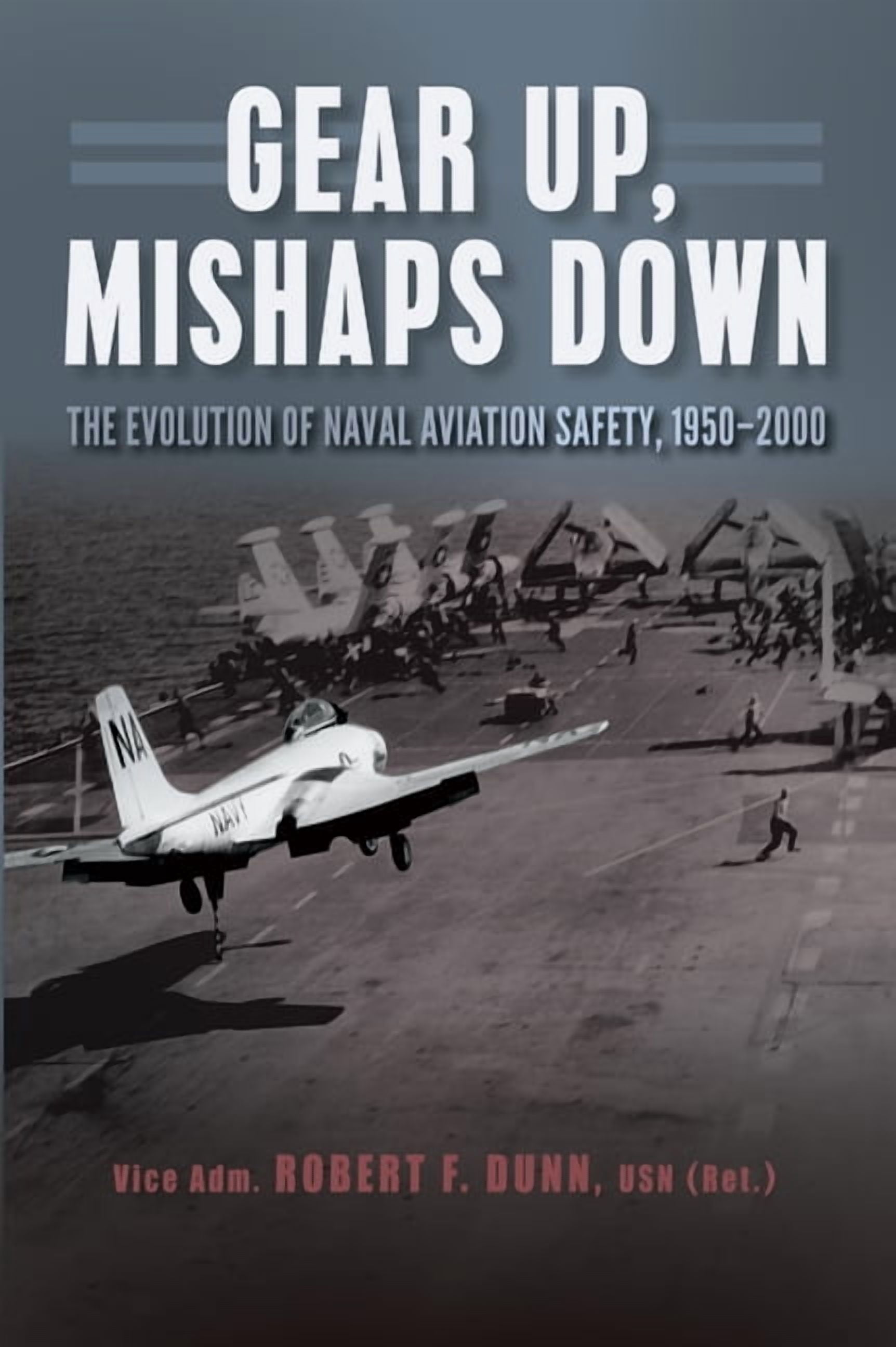
The 1950s marked a pivotal transformation in commercial aviation, shifting from post-war, ad-hoc operational methods to the establishment of rigorous, standardized safety protocols. This decade introduced the first generation of jet airliners and pressurized cabins, necessitating advancements in structural engineering, air traffic control, and cockpit instrumentation to mitigate the high risks inherent in rapid technological expansion.
The Post-War Aviation Landscape and Its Risks
In the immediate aftermath of World War II, aviation safety was characterized by a lack of international standardization and reliance on military-surplus technology. As commercial air travel began to expand in the late 1940s and early 1950s, the industry faced a "teething period." Engines were often unreliable, navigation was primarily visual or relied on low-frequency radio beacons, and the rapid pace of development meant that aircraft were often pushed to their mechanical limits before long-term fatigue factors were fully understood.
The primary safety challenge during this era was the "unknown unknown." Engineers were entering the realm of high-altitude, high-speed flight without the benefit of computer modeling. Cabin pressurization cycles, which stress the aircraft's hull, were a novel engineering concern. The failure to account for metal fatigue at pressurization points led to catastrophic structural integrity issues, most notably demonstrated by the de Havilland Comet accidents in 1954. This realization forced a complete re-evaluation of how aircraft were tested for endurance, shifting the focus from static strength to dynamic, repetitive stress analysis.
The Comet Crisis: A Catalyst for Structural Integrity
The de Havilland Comet, the world’s first commercial jetliner, serves as the most important case study for 1950s safety. Its mid-decade crashes revealed that the square windows of the cabin acted as "stress concentrators." When the cabin was pressurized and depressurized, the metal around these sharp corners experienced significantly higher loads than the rest of the fuselage.
This tragedy changed the trajectory of aeronautical engineering. The investigation into the Comet introduced the aviation world to the concept of metal fatigue testing. Engineers began subjecting full-scale fuselages to water-tank pressure tests—repeatedly pressurizing and depressurizing the hull until it failed—to determine the actual lifespan of the airframe. This standard of verification remains a cornerstone of modern aircraft certification in 2026. By the end of the 1950s, rounded windows became the industry standard, and the "fail-safe" design philosophy—where a single structural crack would not lead to catastrophic disintegration—was codified into airworthiness requirements.
Advancements in Air Traffic Control (ATC)
As the speed and number of aircraft increased throughout the 1950s, the "see and avoid" method of pilot-controlled navigation became insufficient. In the early part of the decade, pilots were largely responsible for their own separation from other aircraft. This was viable when planes were slow and flight traffic was sparse, but it was disastrously ill-suited for the jet age.
The mid-1950s saw the rapid deployment of radar technology for civilian use. This allowed ground controllers to monitor flight paths and provide separation instructions. The development of the "Air Traffic Control" system as we recognize it today was spurred by the 1956 Grand Canyon mid-air collision. This event highlighted the tragic inadequacy of relying on visual separation in congested airspace. In response, regulators began establishing "positive control" zones, where all aircraft, regardless of weather conditions, were required to be under the guidance of radar-equipped controllers.
Instrumentation and the Human Factor
Cockpit safety in the 1950s underwent a transition toward "blind flying" capability. Before this era, instrument meteorological conditions (IMC) were handled with relatively primitive flight instruments. The 1950s introduced the "Basic T" arrangement of flight instruments—airspeed, attitude, altitude, and heading—which standardized where a pilot looked to maintain situational awareness.
Furthermore, this decade saw the introduction of the first practical weather radar and the refinement of the Instrument Landing System (ILS). ILS allowed pilots to track a radio beam down to the runway, drastically reducing the risk of controlled flight into terrain (CFIT) during poor visibility. These tools minimized the reliance on the pilot's subjective interpretation of their environment, effectively reducing human error through standardized, objective data.
Comparative Safety Metrics and Technological Shifts
The following table summarizes the key areas of transition that defined safety improvements during the 1950s.
| Safety Factor | Early 1950s Approach | Late 1950s/Legacy Impact |
|---|---|---|
| Structural Design | Static strength-focused | Fatigue-life cycle testing |
| Air Traffic | See-and-avoid (Visual) | Radar-based positive control |
| Navigation | Radio beacons/Dead reckoning | VOR and instrument approaches |
| Fuselage | Square windows; high stress | Rounded windows; stress relief |
| Cockpit Layout | Ad-hoc arrangement | Standardized "Basic T" setup |
Operational Limitations and Regulatory Evolution
The 1950s also saw the professionalization of the aviation regulator. In the United States, the Civil Aeronautics Administration (CAA) was eventually replaced by the Federal Aviation Agency (FAA) in 1958. This shift was monumental because it consolidated air traffic management and safety rule-making under a single authority with the power to enforce strict standards.
During this time, the "fail-safe" concept evolved from a theoretical idea into a legal mandate for type certification. Manufacturers were no longer allowed to simply design a plane that flew well; they had to prove through rigorous, witnessed testing that the aircraft could withstand extreme conditions, such as bird strikes, engine failures on takeoff, and rapid decompression. The 1950s established the culture of the "certification basis," where every new aircraft model had to comply with a set of documented, legally binding safety requirements before being granted an Airworthiness Certificate.
Common Challenges and Persistent Risks
Despite these advancements, the 1950s remained a high-risk period for several reasons:
- Engine Reliability: Early turbojet engines were prone to flameouts and thermal degradation.
- Fuel Capacity and Range: The desire to cross oceans led to aircraft pushed to their fuel limits, leaving little margin for error during diversions.
- Training Gaps: Pilots accustomed to piston-engine aircraft with high-drag characteristics had to adapt to the "clean" aerodynamic profiles of jet airliners, which required different landing techniques and power management.
- Emergency Egress: Cabin safety protocols, such as emergency slides and rapid oxygen deployment, were still in their infancy. Many 1950s aircraft designs lacked the rapid evacuation systems that are mandatory today.
Frequently Asked Questions
Why were square windows in the 1950s a major safety concern? Square windows created "stress risers" at their corners. When an aircraft is pressurized, the metal fuselage expands slightly. Because the corners of a square window are sharp, the stress is concentrated in those tiny areas, leading to metal fatigue and eventual cracking. Rounded windows distribute this stress evenly, preventing the cracks that caused early Comet failures.
How did the 1956 Grand Canyon collision change flight safety? It served as a wake-up call that the skies were too crowded for pilots to rely solely on looking out their windows to avoid other planes. It led to the modernization of the US Air Traffic Control system, the integration of radar, and the creation of the FAA to manage civil and military air traffic together.
What was the "Basic T" instrument layout? It is a standardized cockpit configuration that places the four most critical flight instruments (Airspeed, Attitude, Altitude, and Heading) in a "T" shape. This allows a pilot to scan their status quickly without moving their eyes across a chaotic dashboard, reducing the likelihood of spatial disorientation during instrument flight.
Why is 1950s aviation safety considered the birth of "modern" standards? Before the 1950s, aviation was often experimental. By the end of the decade, the industry had adopted scientific methods for fatigue testing, unified global air traffic control practices, and established rigorous government certification processes that essentially still govern how we build and fly aircraft in 2026.
What role did the FAA play in the late 1950s? The Federal Aviation Agency was formed in 1958 to unify the management of the nation’s airspace. It replaced the fragmented oversight of the era with a central authority capable of enforcing safety regulations, managing navigation aids, and setting standardized requirements for pilot training and aircraft maintenance.
Recommendation for Further Exploration
To understand how these 1950s standards continue to influence current flight operations, interested researchers should examine the original technical reports from the "Comet Inquiry" conducted by the UK’s Ministry of Transport and Civil Aviation. These documents detail the first systematic use of forensic engineering in aviation. For those seeking a practical understanding of how these standards evolved into current FAA regulations, reviewing the historical evolution of 14 CFR Part 25 (Airworthiness Standards) will reveal the direct lineage between the structural testing requirements born in the 1950s and the safety protocols applied to modern airliners in 2026.