1980s photography captures a transitional era defined by the bold embrace of vibrant color, the dominance of consumer-grade 35mm film point-and-shoots, and the early, experimental integration of electronic imaging technology. Far from the muted tones of the 1970s, the decade prioritized high-saturation film stocks, flash-heavy reportage, and stylized fashion aesthetics that continue to heavily influence modern digital presets and aesthetic revivals.
The Cultural and Aesthetic Shift from the 1970s
To understand 1980s photography, one must first recognize the stark departure it made from the preceding decade. The 1970s were largely characterized by gritty, natural-light realism, earthy color palettes, and an emphasis on documentary or conceptual fine art—exemplified by the New Topographics movement or the moody Kodachrome street photography of the era. By contrast, the 1980s heralded a consumer boom driven by mass media, commercial advertising, and an appetite for hyper-saturated visual spectacle.
This cultural shift moved photography out of strictly traditional darkrooms and into the mainstream public consciousness. Visual style became glossy, theatrical, and intentionally artificial. Photographers embraced neon lighting, heavy direct flash (often referred to as snapshot aesthetic or deer-in-the-headlights portraiture), and striking primary colors. This era blurred the boundaries between high art and commercial advertising, as museums began exhibiting works by fashion and commercial shooters who manipulated lighting and color to evoke emotion rather than objective documentation.
Iconic Equipment of the 1980s: Cameras and Optics
The technological landscape of the 1980s saw rapid evolution. While professional photographers still relied heavily on robust mechanical and electro-mechanical manual focus SLRs, the decade introduced autofocus and advanced metering systems that revolutionized how images were captured.
The Rise of Consumer Point-and-Shoots and Autofocus
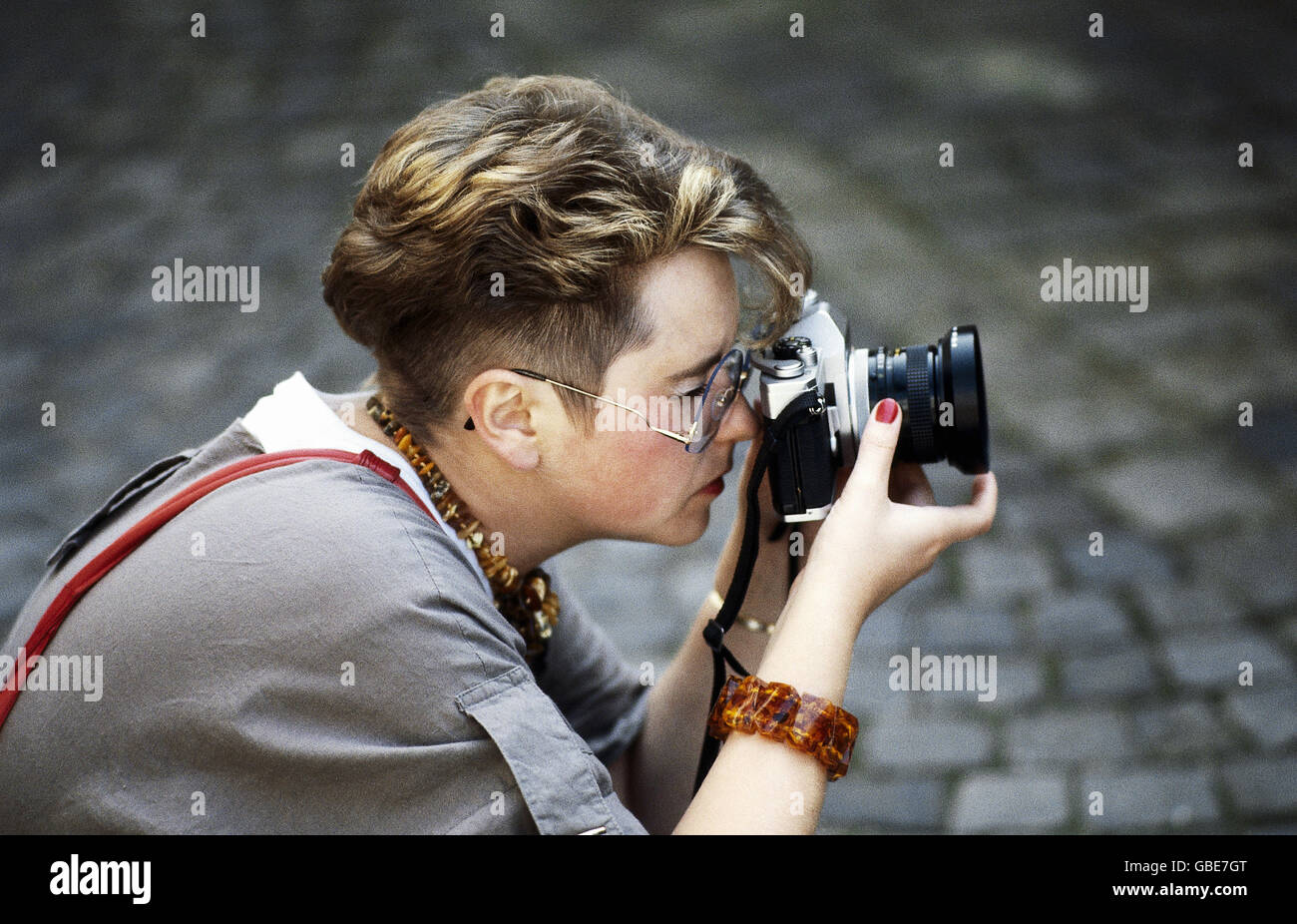
The introduction of affordable, automated electronics democratized photography. Cameras like the Canon Sure Shot (known as the Autoboy in Japan) and the Olympus Infinity series brought motorized film advance, automatic exposure, and reliable autofocus to the masses. These consumer-friendly devices encouraged spontaneous, casual documentation, paving the way for the snapshot culture that dominates modern smartphone photography.
Professional Workhorses: Manual to Electronic SLRs
For professionals and advanced amateurs, the 1980s were defined by legendary film bodies that offered durability and precision:
- Canon AE-1 Program (1981): Building on the massive success of the original AE-1, this model introduced microprocessor-controlled programmed auto-exposure, making it a staple for photojournalists and students.
- Nikon F3 (1980): Designed by Giorgetto Giugiaro, this professional titanium-shuttered SLR featured aperture-priority auto-exposure and remained a rugged industry standard for conflict and street photography well into the digital age.
- Minolta Maxxum 7000 (1985): A watershed moment in camera history, the Maxxum 7000 was the first camera to feature both integrated autofocus and motorized film winders built directly into the camera body, forcing competitors to scramble to catch up.
Dominant Film Stocks and Technical Characteristics
The distinct look of 1980s photography is inseparable from the specific chemical formulations of the film stocks manufactured during that period. Film was not merely a medium for recording reality; it was an active participant in shaping the aesthetic.
| Film Stock / Type | ISO Speed | Typical Use Case | Aesthetic Signature |
|---|---|---|---|
| Kodachrome 64 / 200 | 64 / 200 | National Geographic, fine art, documentary | Rich, warm yellows and reds, fine grain, incredible archival longevity. |
| Fujicolor Super HR | 100 – 400 | Commercial, street, fashion | High green and blue saturation, cool shadow tones, distinct grain structure. |
| Kodak VR / Gold | 100 – 400 | Consumer snapshot, family events | Warm skin tones, golden highlights, slightly muddy shadows under artificial light. |
| Ilford HP5 Plus / Tri-X | 400 | Photojournalism, street photography | High contrast, deep blacks, classic gritty silver-halide grain when pushed. |
Color negative films of the era, such as early iterations of Kodak Gold and Fujicolor, possessed a wide exposure latitude that favored overexposure for a pastel, dreamy look, or underexposure for deep, saturated shadows. Slide films like Kodachrome offered punchy contrast and vivid palettes that defined commercial magazine spreads.
Key Genres and Pacing Pioneers
The visual language of the 1980s manifested differently across distinct genres, each pushing technical boundaries in unique ways.
Fashion and Commercial Photography
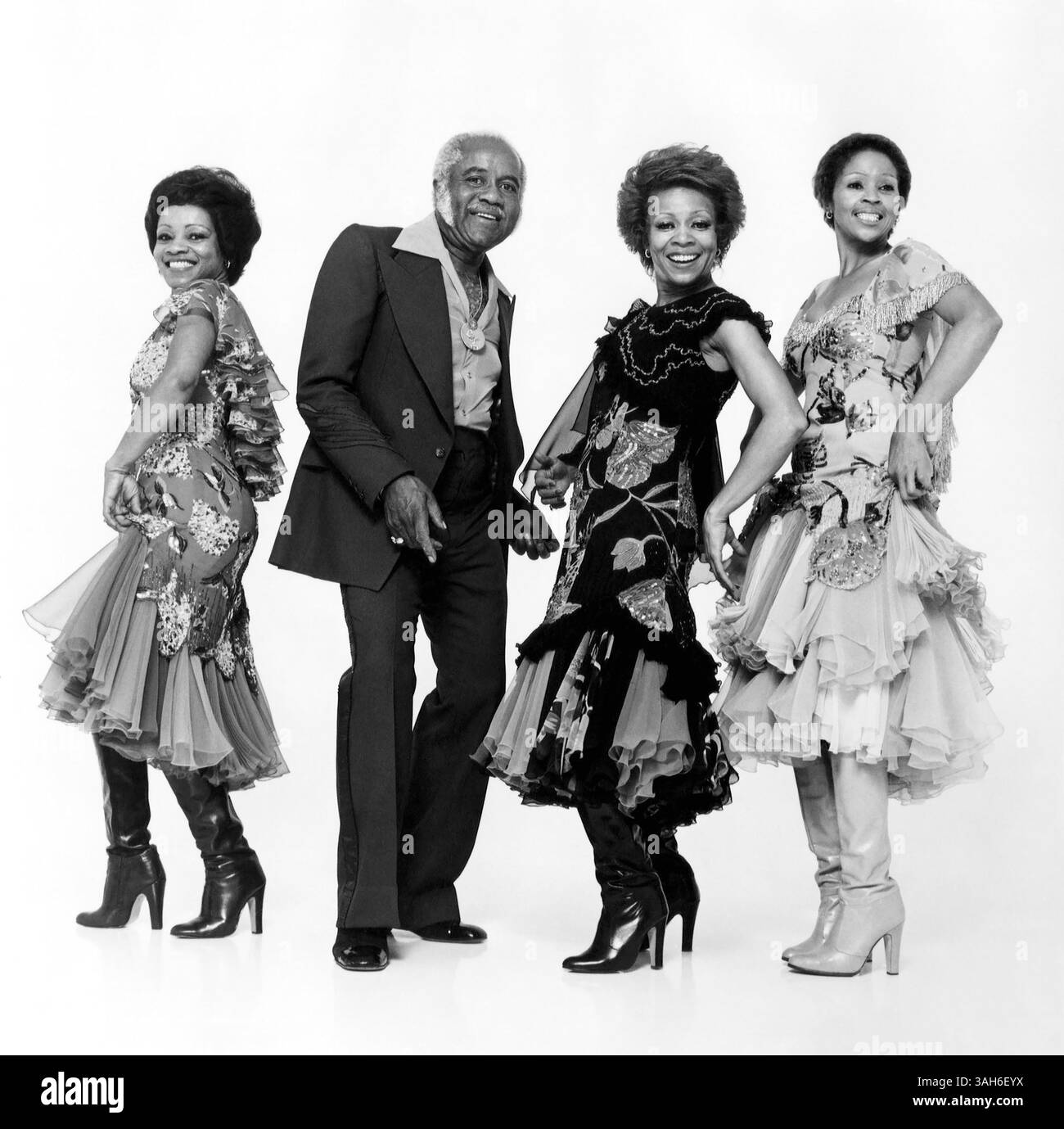
Fashion photography broke free from static studio setups. Pioneers like Herb Ritts, Bruce Weber, and Peter Lindbergh utilized natural outdoor lighting, dramatic beach locations, and high-contrast black-and-white film to create iconic portraits of the era's supermodels. Simultaneously, studio photographers utilized saturated color gels, hard-edged rim lighting, and bold backdrops to match the loud fashion trends of the decade.
Fine Art and the "New Color" Movement
While color photography was initially dismissed by fine art institutions in favor of black-and-white, 1980s photographers solidified color as a legitimate artistic medium. William Eggleston and Joel Meyerowitz continued to demonstrate the poetic potential of everyday American suburban landscapes bathed in harsh sunlight and saturated shadows, inspiring a generation of artists to embrace commercial film stocks for fine art output.
Street Photography and Documenting Subcultures
Street photographers capitalized on compact cameras to document urban decay, youth subcultures, and consumer capitalism. The gritty street scenes of New York City, documented by photographers like Bruce Gilden, utilized aggressive direct flash to capture candid, unfiltered reactions from pedestrians, establishing a raw aesthetic that mirrored the punk and hip-hop movements taking shape on the streets.
Common Characteristics and Visual Signatures
Replicating or appreciating 1980s photography requires understanding its core technical and compositional markers:
- Direct Flash ("Flash-on-Camera"): Rather than bouncing light or using softboxes, photographers frequently used harsh, on-camera direct flash, casting stark shadows behind subjects and creating an immediate, hyper-real atmosphere.
- High Contrast and Saturated Hues: Blues leaned cyan, greens leaned heavily toward emerald, and skin tones often carried a warm, golden, or magenta tint depending on the processing chemistry.
- Light Leaks and Grain: Consumer plastic lenses and aged point-and-shoots frequently produced unpredictable light leaks, soft corner vignettes, and pronounced film grain that modern digital shooters attempt to emulate via software filters.
- Analog Artifacts: Date stamps in bright orange LED font imprinted directly onto the corner of the negative frame became an accidental trademark of consumer vacation photography.
Frequently Asked Questions About 1980s Photography
What camera should I buy to get the 1980s look?
To achieve an authentic 1980s aesthetic, look for electronic 35mm point-and-shoot cameras from the mid-to-late 1980s, such as the Olympus Infinity series, Canon Sure Shot, or a manual-focus SLR like the Canon AE-1 or Nikon FM2 paired with a 50mm f/1.8 lens.
Which film stocks define the 1980s aesthetic?
Kodachrome 64 and early versions of Kodak VR and Fujicolor Super HR are the definitive stocks. For black-and-white work, Kodak Tri-X 400 and Ilford HP5 pushed to higher ISOs provide the authentic journalistic grit of the decade.
How can I make modern digital photos look like 1980s film?
To emulate the look digitally, shoot in raw format, add a medium-to-coarse film grain overlay, lift the blacks slightly to create a faded look, boost overall color saturation (specifically targeting reds and cyans), and selectively introduce warm amber tones to the highlights.
Why is direct flash so common in 1980s photography?
Direct flash became popular due to the proliferation of affordable built-in electronic flashes on consumer point-and-shoot cameras. Photographers embraced it for its convenience, ability to freeze motion in low light, and the distinct high-contrast, pop-art look it produced.
Are 1980s film cameras expensive to maintain?
Electronic components in 1980s cameras—such as internal capacitors, motorized winders, and early autofocus modules—can fail due to age. Fully mechanical cameras (like the Nikon FM series) are generally easier and more reliable to maintain than fully computerized electronic bodies from the late '80s.
Practical Next Steps for Enthusiasts
If you want to explore 1980s photography firsthand, start by sourcing a tested, working vintage 35mm camera from a reputable dealer. Purchase a few rolls of consumer-grade color negative film—such as Kodak Gold 200 or Fujifilm 400—and shoot in natural urban light or use an external flash during evening walks. Focus on capturing candid interactions, neon signage, and bold architectural elements rather than overly posed compositions. By embracing the limitations and quirks of analog equipment, you will capture the genuine spontaneity that defined the visual culture of the 1980s.