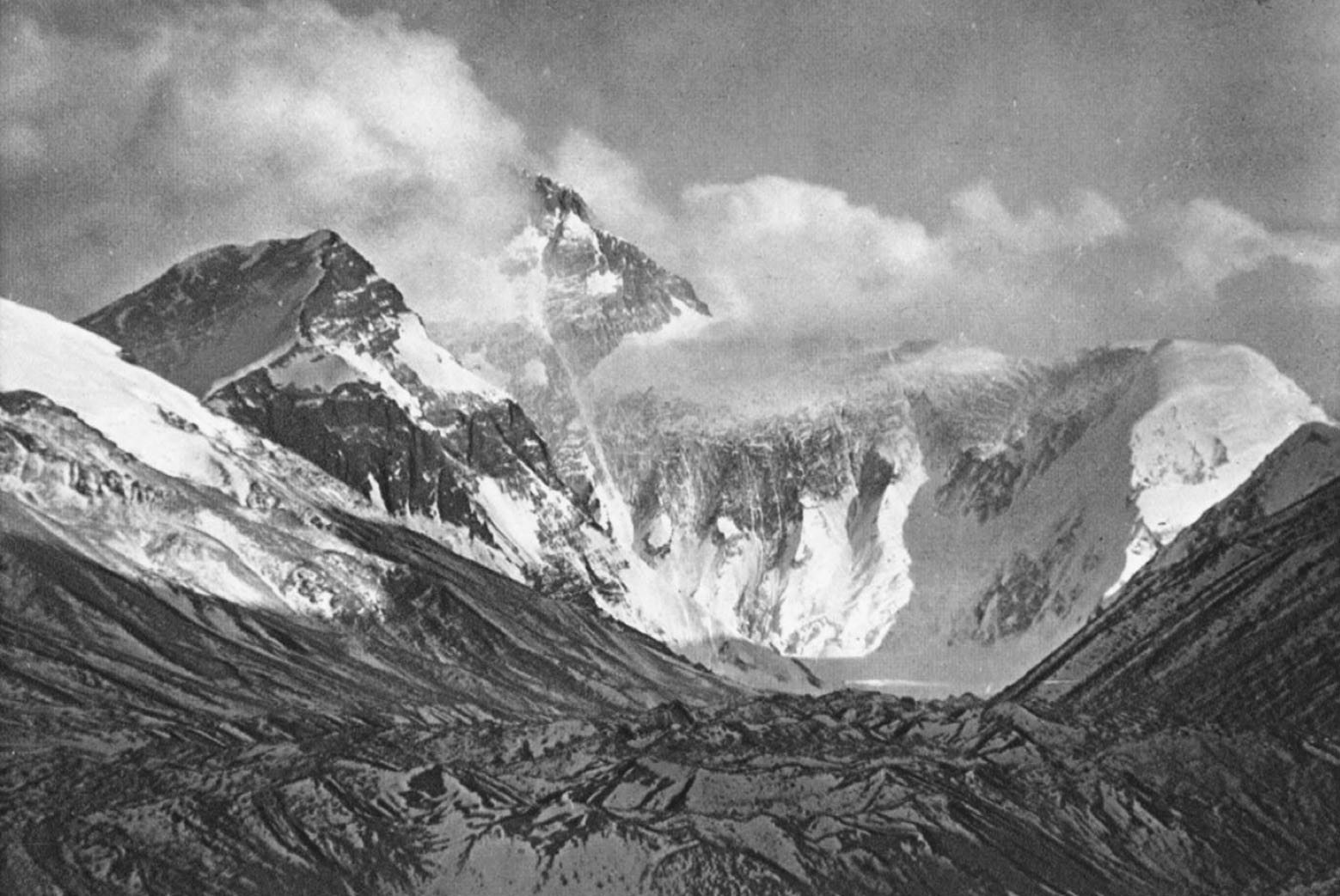
The 1922 British Mount Everest expedition was the first mountaineering mission with the express goal of reaching the summit of the world's highest peak. Organized by the Mount Everest Committee, this pioneering endeavor established the logistical framework for subsequent attempts, demonstrated the lethal realities of high-altitude physiology, and resulted in the first human ascent above 8,000 meters, forever altering the trajectory of Himalayan exploration.
Historical Context and Objectives
Following the 1921 reconnaissance expedition, which successfully identified a viable route via the East Rongbuk Glacier and the North Col, the British mountaineering community felt immense pressure to secure a success. The 1921 mission had been purely exploratory, but the 1922 expedition was a focused assault. The objectives were clear: to transport a massive team to the North Col, establish high-altitude camps, and push a pair of climbers to the summit at 29,032 feet (8,848 meters).
This expedition was a product of its time—an era defined by imperial ambition and the "heroic age" of exploration. The British, having lost the race to the South Pole just a decade prior, viewed Everest as the "Third Pole." The expedition was funded largely by the Alpine Club and the Royal Geographical Society, reflecting the institutional weight behind the attempt.
Logistics and Operational Scale
The logistics of the 1922 expedition were unprecedented. Unlike modern expeditions that benefit from established trekking routes and aviation, the 1922 team had to trek hundreds of miles across the Tibetan Plateau from Darjeeling. The caravan consisted of seven British mountaineers, several support staff, and hundreds of local porters who navigated the harsh terrain carrying heavy equipment, including oxygen apparatus—a then-experimental and controversial technology.
The primary logistical challenge was the transport of supplies to the North Col. Without modern satellite communication or weather forecasting, the team relied on grit and manual labor. They established a series of camps, with Camp IV situated on the North Col at approximately 23,000 feet, which served as the launchpad for all subsequent summit pushes.
The Debate Over Supplemental Oxygen
One of the most significant technical facets of the 1922 expedition was the use of supplemental oxygen. At the time, the medical community and the mountaineering elite were divided. Some, such as George Mallory, initially dismissed oxygen as "unsportsmanlike," arguing that the challenge of Everest should be met using only human strength and acclimation. Others, including expedition members like George Finch, recognized that the atmospheric pressure at extreme altitudes rendered human physiological function unsustainable for long durations.
The oxygen sets used in 1922 were heavy, cumbersome, and prone to mechanical failure. They consisted of high-pressure steel cylinders, rubber tubing, and crude masks. Despite their flaws, the climbers who utilized oxygen in 1922 reached higher elevations than those who did not, providing the first real-world data points on the efficacy of assisted breathing at extreme altitudes.
The Three Summit Attempts
The expedition organized three distinct attempts to reach the summit, each providing unique insights into the mountain's physical demands.
- The First Attempt (Mallory, Norton, and Somervell): This attempt focused on climbing without oxygen. They reached an elevation of 26,985 feet (8,225 meters) before the biting cold and the lack of oxygen forced them to turn back. This climb proved that human beings could survive and move at extreme altitudes without assistance, though at a significant physiological cost.
- The Second Attempt (Finch and Bruce): Using supplemental oxygen, the team achieved a world altitude record of approximately 27,300 feet (8,326 meters). This attempt highlighted the technical superiority of oxygen sets, as the climbers were able to maintain a faster pace than the first group, despite the heavy weight of the equipment.
- The Third Attempt (Mallory, Somervell, and Wakefield): This final push ended in tragedy when an avalanche occurred on the slopes of the North Col. Seven Sherpa porters were killed, marking the first recorded deaths in an Everest expedition. The tragedy brought the mission to a somber, premature conclusion.
Comparative Performance: Oxygen vs. Non-Oxygen
The 1922 expedition served as a critical case study for high-altitude medicine. The following table summarizes the primary outcomes of the summit attempts.
| Attempt | Strategy | Highest Elevation Reached | Primary Outcome |
|---|---|---|---|
| First | No Oxygen | 26,985 ft (8,225 m) | Established a new human altitude record. |
| Second | Supplemental Oxygen | 27,300 ft (8,326 m) | Validated the utility of oxygen equipment. |
| Third | No Oxygen | 25,000 ft (7,620 m) | Terminated due to fatal avalanche accident. |
Physiological and Psychological Impact
The 1922 expedition was a brutal introduction to the "Death Zone"—the altitude above 8,000 meters where the human body can no longer acclimate and begins to slowly perish. The medical records from the expedition describe severe frostbite, exhaustion, and cognitive decline. The climbers reported difficulty in sleeping, loss of appetite, and a profound sense of lethargy.
Psychologically, the team faced the immense pressure of global expectation. Every move was recorded and relayed back to the British press. The eventual failure to reach the summit, coupled with the loss of life, cast a shadow over the achievement of the altitude records. However, the data gathered regarding heart rates, respiratory distress, and caloric expenditure during the climb would eventually form the basis of modern high-altitude physiology protocols used by current-day expeditions.
Legacy and Modern Interpretations
By 2026, the 1922 expedition is recognized not as a failure, but as an essential learning phase. It debunked the myth that Everest was a straightforward climb and highlighted the necessity of advanced gear, improved weather prediction, and the ethical management of local support teams.
The lessons learned in 1922 regarding the risks of the North Col and the importance of oxygen were directly applied to the 1924 expedition, which saw the tragic loss of George Mallory and Andrew Irvine. The 1922 mission proved that the mountain could be climbed, provided the technology and the logistics were properly aligned. Today, modern climbers often look back at the 1922 maps and journals to understand the fundamental routes that remain relevant, even as commercial climbing has transformed the mountain.
Frequently Asked Questions
Did the 1922 expedition reach the summit? No. The expedition did not reach the summit of Mount Everest. The highest point achieved was approximately 27,300 feet (8,326 meters), which was a world altitude record at the time.
How many people died in the 1922 expedition? Seven Sherpa porters lost their lives in a tragic avalanche on the lower slopes of the North Col. This was the first major loss of life on an Everest expedition and served as a stark reminder of the mountain's objective hazards.
Why was the 1922 expedition significant for oxygen use? It was the first major expedition to extensively test and document the use of supplemental oxygen. The results demonstrated that oxygen allowed for higher climbing speeds and greater mental clarity, eventually leading to its standardized use in high-altitude mountaineering.
What was the role of the North Col? The North Col served as the primary staging ground. Its successful identification in 1921 and subsequent establishment as a camp in 1922 became the blueprint for the North Face approach to Everest for decades.
How were the results of the expedition communicated to the public? The expedition included journalists and relied on runners to carry dispatches down the mountain to telegraph stations in Tibet and India. This created a cycle of public anticipation that helped build the "Everest mythos" in the British consciousness.
Recommendation for Further Study
To fully grasp the technical and human challenges of early 2026-era high-altitude research, readers should consult the original accounts published by the Mount Everest Committee. These records contain detailed meteorological logs and the first technical schematics of the oxygen equipment. Studying these primary sources provides a clearer understanding of how far mountaineering technology has progressed, while also highlighting the enduring, unchangeable nature of the mountain's extreme environment.