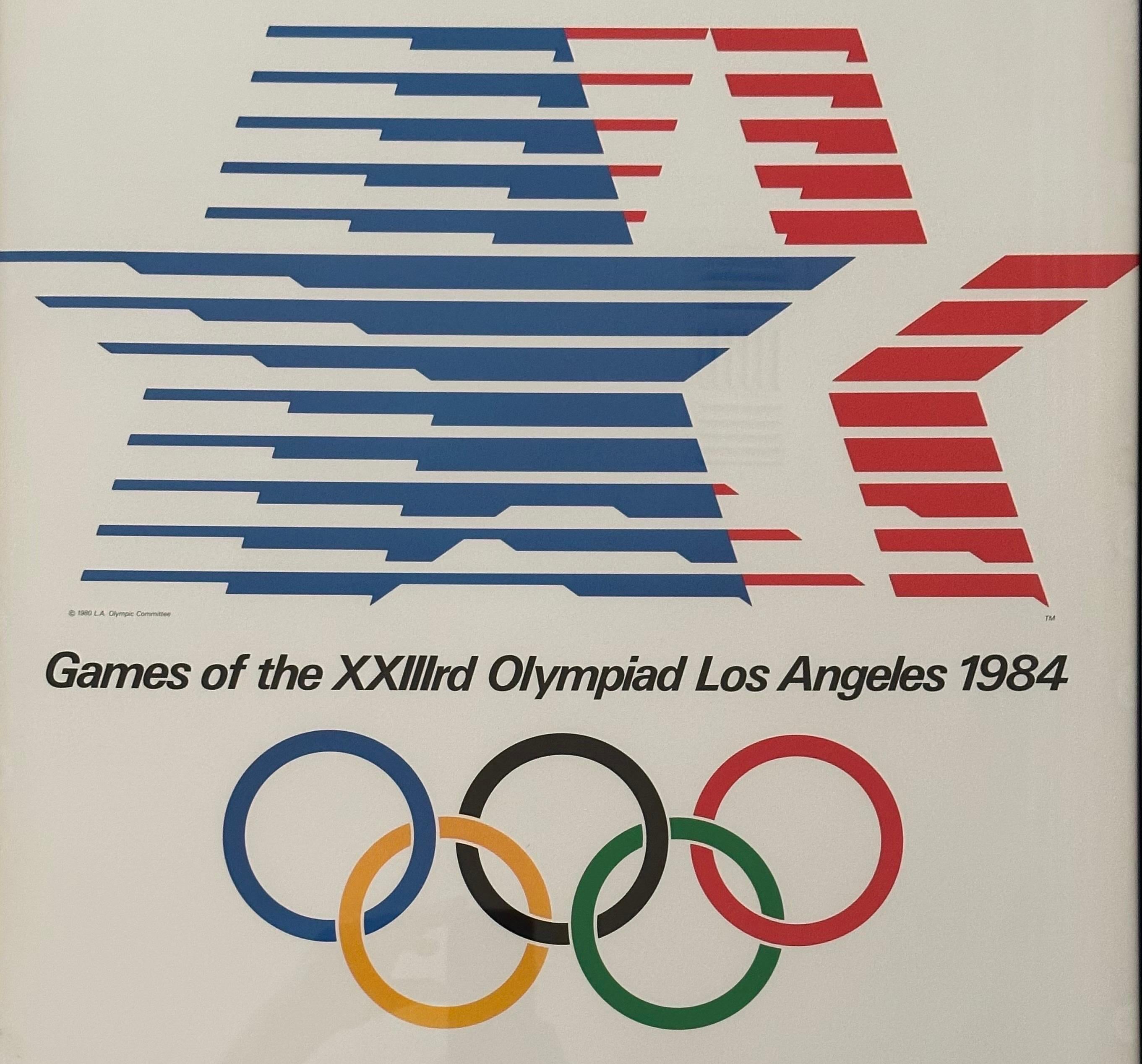
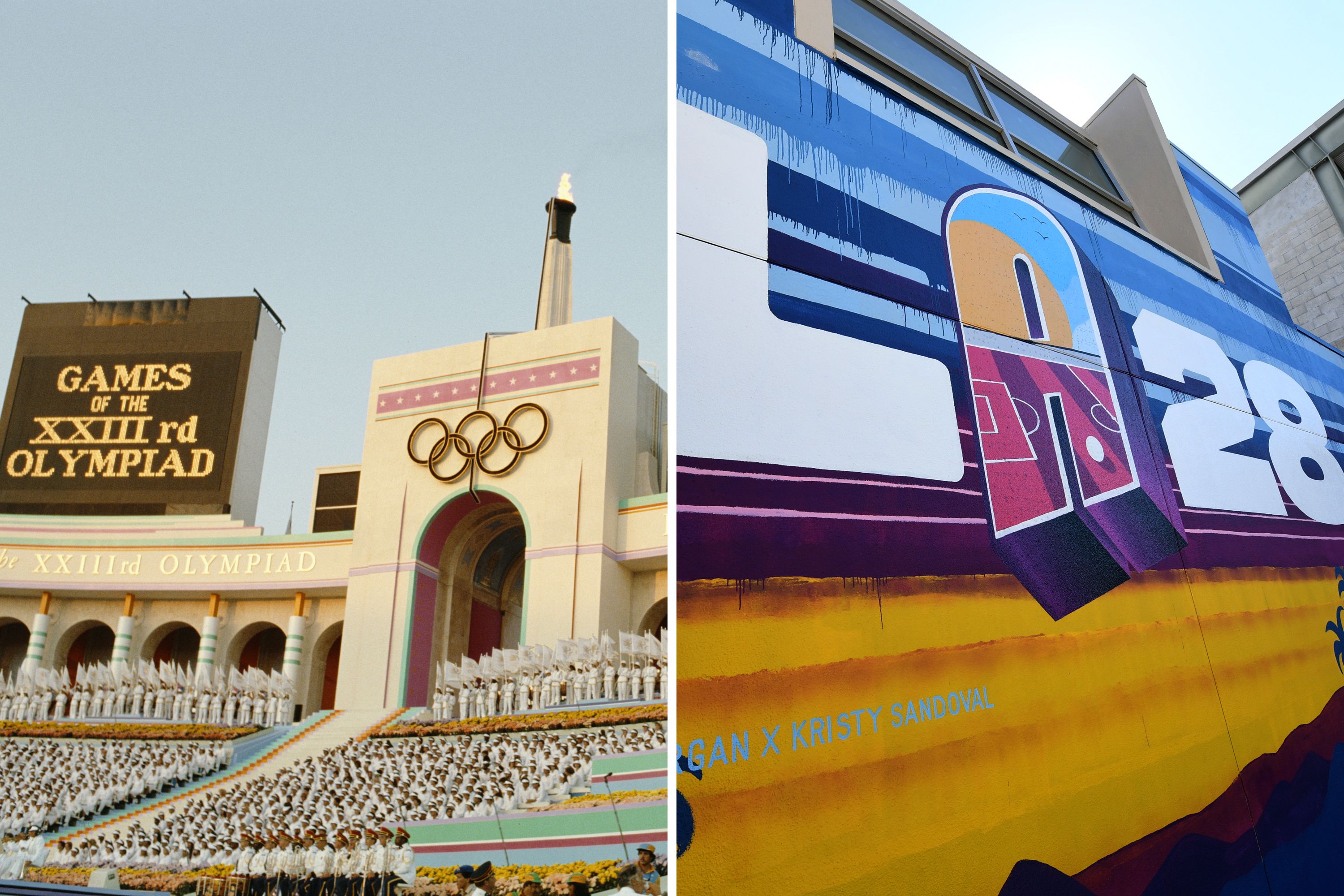
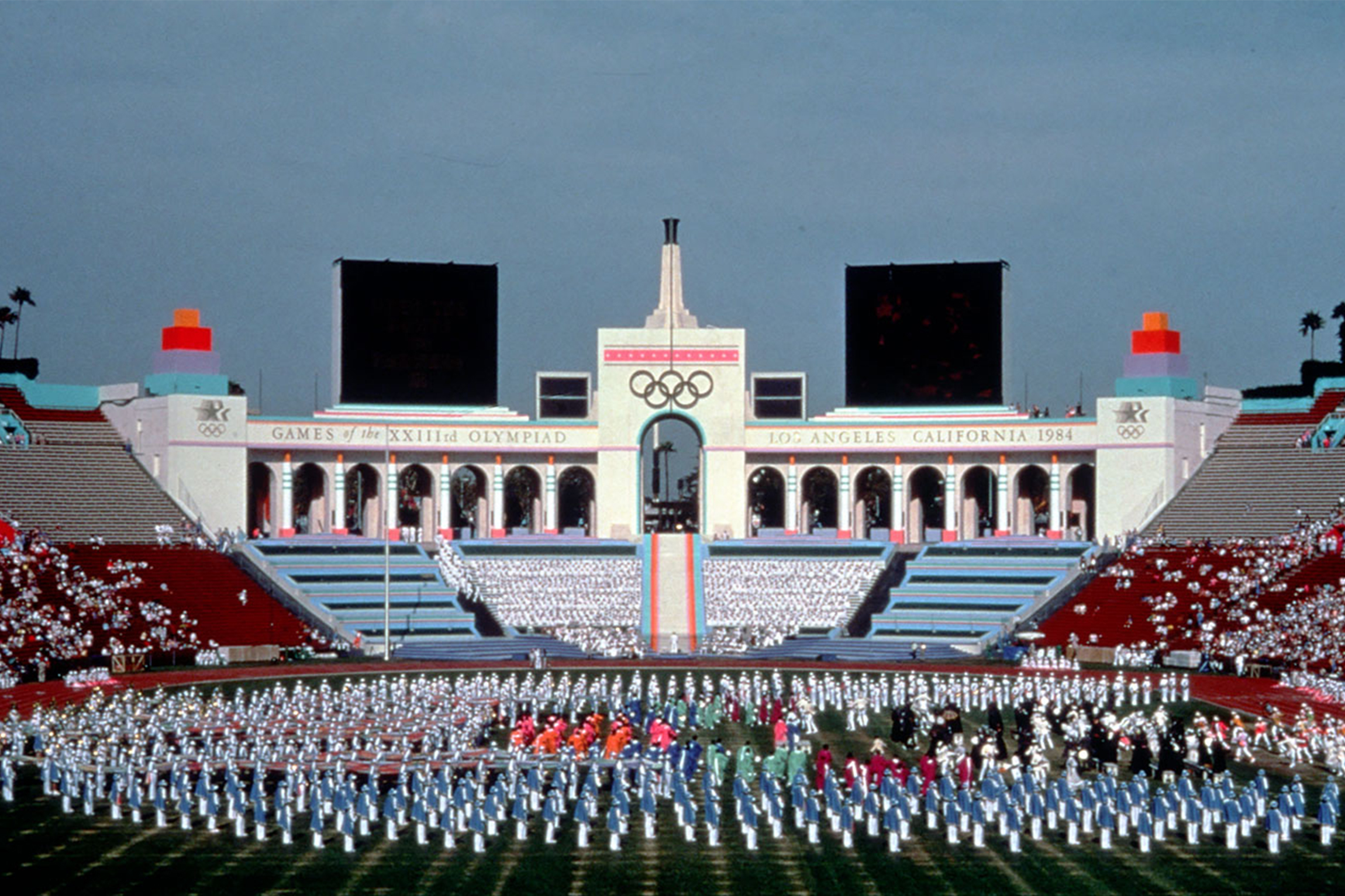
The 1984 Summer Olympics, officially known as the Games of the XXIII Olympiad, took place in Los Angeles, California, United States, from July 28 to August 12, 1984. Marked by a retaliatory Soviet-led boycott, unprecedented private corporate financing, and iconic athletic performances, the 1984 Los Angeles Olympics fundamentally transformed the modern Olympic movement, proving that a multi-sport global event could turn a substantial commercial profit while operating outside heavy government funding.
Historical Context and the Political Landscape
To understand the 1984 Los Angeles Olympics, one must examine the turbulent geopolitical climate of the early 1980s. The Cold War was experiencing a severe resurgence following the Soviet Union’s December 1979 invasion of Afghanistan. In response, United States President Jimmy Carter led a massive international boycott of the 1980 Summer Olympics held in Moscow, with approximately 65 nations declining to participate.
As the calendar turned toward 1984, the Olympic movement faced deep uncertainty regarding whether the Eastern Bloc would retaliate. Los Angeles had been the sole bidder for the 1984 Games after other candidate cities withdrew due to financial concerns and public skepticism—sentiments deeply influenced by the massive financial debts incurred by the 1976 Montreal Olympics. The International Olympic Committee (IOC) and the Los Angeles Olympic Organizing Committee (LAOOC), spearheaded by businessman Peter Ueberroth, faced daunting logistical, political, and financial hurdles even before the first athlete arrived.
The Soviet-Led Boycott and Its Impact
On May 8, 1984, less than three months before the opening ceremony, the Soviet Union announced it would boycott the Los Angeles Games. Citing chauvinistic sentiments, an anti-Soviet hysteria whipped up by American authorities, and a lack of security guarantees for visiting athletes and delegations, Moscow chose to stay home.
Affected Nations and Alternative Events
The Soviet boycott was joined by 14 of its allies, including East Germany, Poland, Bulgaria, Hungary, Cuba, and Czechoslovakia (though Romania and Yugoslavia notably defied the boycott and participated in Los Angeles). Iran and Libya also boycotted the Games for independent geopolitical reasons.
While the absence of athletes from the Eastern Bloc—traditionally dominant powers in weightlifting, gymnastics, track and field, and fencing—diminished the competitive depth in certain events, the Games proceeded with a record 140 nations participating. To appease athletes who trained for years only to miss out on the Olympic stage, the socialist nations organized a series of multi-sport replacement events known as the Friendship Games (Druzhba-84) later that summer, where several world records were broken under controversial conditions.
A Financial Revolution: The First Privately Funded Olympics
Perhaps the most enduring legacy of the 1984 Summer Olympics is their financial structure. Prior to Los Angeles, hosting the Olympics was widely viewed as a fiscal catastrophe for municipal governments, often leaving taxpayers with billions of dollars in debt.
The LAOOC broke completely from tradition by refusing to accept public funds or taxpayer subsidies. Instead, Peter Ueberroth and his team operated the event like a lean, profit-driven corporation.
Key Financial Strategies
- Corporate Sponsorship Tiers: The LAOOC drastically reduced the number of official corporate sponsors, granting exclusive rights to a select few global brands (such as Coca-Cola, Visa, and McDonald’s) for tens of millions of dollars each.
- Existing Infrastructure: Rather than building dozens of expensive new arenas and stadiums that might fall into disuse afterward, Los Angeles utilized existing world-class facilities, such as the Los Angeles Memorial Coliseum, the Rose Bowl, and various university campuses across Southern California.
- Television Broadcasting Rights: Ueberroth leveraged competitive bidding between American television networks, securing a then-record $225 million broadcasting rights fee from ABC, which provided extensive, primetime coverage across the United States.
Through these rigorous commercial measures, the LAOOC generated a surplus of approximately $225 million. A significant portion of these funds was subsequently funneled into the LA84 Foundation to support youth sports and athletic infrastructure in Southern California, reshaping regional recreation for decades.
| Operational Area | Traditional Model (Pre-1984) | 1984 Los Angeles Model |
|---|---|---|
| Primary Funding Source | Government subsidies and taxpayer revenue | Private investment, corporate sponsorships, and ticket sales |
| Infrastructure Development | Construction of numerous custom, single-use venues | Utilization of existing collegiate and municipal facilities |
| Financial Outcome | Multi-decade public debt (e.g., Montreal 1976) | Surpluses exceeding $200 million |
| Broadcasting Rights | Fragmented negotiations with modest revenues | Consolidated, highly competitive network bidding |
Iconic Athletic Performances and Milestones
Despite the absence of athletes from the Eastern Bloc, the 1984 Los Angeles Olympics delivered legendary athletic moments that captured global attention and cemented the status of several competitors as sporting icons.
Track and Field Brilliance
American sprinter and long jumper Carl Lewis delivered a legendary performance on the track and field, matching Jesse Owens’ historic 1936 feat by winning four gold medals in a single Olympiad. Lewis triumphed in the 100-meter dash, the 200-meter dash, the long jump, and as the anchor leg of the 4x100-meter relay team.
In the women's distance running events, the 1984 Games marked a monumental turning point with the introduction of the women's marathon. American runner Joan Benoit captured the imagination of the global audience by running away from the field to win gold in a grueling race under the Southern California sun, cementing the legitimacy and immense popularity of women's endurance running on the Olympic stage.
Gymnastics and Team Sports
Romanian gymnast Ecaterina Szabo captured four gold medals, while American gymnast Mary Lou Retton became an overnight sensation. Retton won the all-around individual gymnastics gold medal, becoming the first American woman to achieve the feat, alongside two silver and two bronze medals.
In team sports, the United States men's basketball team—featuring future NBA legends Michael Jordan, Patrick Ewing, and Chris Mullin under legendary coach Bobby Knight—dominated the tournament, cruising to an undefeated record and the gold medal before professional players were officially permitted to compete in the Games.
Security Challenges and Logistics
Hosting a global event in the shadow of the 1972 Munich Olympic massacre and ongoing international terrorism meant security was paramount. The Los Angeles Police Department (LAPD), working in close coordination with federal agencies including the FBI and the Department of Defense, orchestrated one of the largest peacetime security operations in United States history.
Despite concerns regarding traffic congestion in a notoriously car-centric metropolis, the city's planners successfully mitigated gridlock. Businesses staggered work hours, schools closed for the duration of the event, and thousands of volunteers facilitated public transportation, ensuring that athletes and spectators reached venues efficiently.
Long-Term Legacy and Cultural Impact
The 1984 Los Angeles Olympics permanently altered the business model of international sporting events. Following the financial success of the LAOOC, future host cities viewed the Olympics through a commercial lens, paving the way for massive global sponsorship programs managed directly by the IOC.
Culturally, the Games projected a vibrant, sun-drenched image of Southern California to billions of television viewers worldwide. The aesthetic of the 1984 Games—characterized by distinctive magenta, vermilion, and star-in-motion branding—became a defining visual touchstone of 1980s pop culture. Furthermore, the commercial triumph demonstrated that major sporting spectacles could thrive under private enterprise, establishing a blueprint that influenced the hosting strategies of subsequent Olympic cycles well into the twenty-first century.
Frequently Asked Questions
Why did the Soviet Union boycott the 1984 Summer Olympics?
The Soviet Union boycotted the Games primarily in retaliation for the United States-led boycott of the 1980 Moscow Olympics. Soviet officials publicly cited security concerns for their athletes, allegations of anti-Soviet propaganda within the United States, and what they termed chauvinistic commercialization by the organizers.
How did the 1984 Los Angeles Olympics make a profit?
The LAOOC avoided public debt and government funding by relying entirely on private sector revenues. They secured massive corporate sponsorships from exclusive global brands, sold lucrative broadcasting rights to television networks, and utilized existing regional stadiums and arenas rather than building expensive new venues.
Who were the standout athletes of the 1984 Games?
American track and field star Carl Lewis became the most celebrated competitor by winning four gold medals, matching Jesse Owens' 1936 record. Other notable stars included American gymnast Mary Lou Retton, who won the individual all-around gold, and marathoner Joan Benoit, who won the inaugural women's Olympic marathon.
Which countries participated in the 1984 Olympics despite the boycott?
A total of 140 nations participated in the Los Angeles Games, setting a record at the time. Notably, socialist nations such as Romania and Yugoslavia chose to defy the Soviet-led boycott and sent competitive delegations to Los Angeles.
What happened to the financial surplus generated by the 1984 Olympics?
The surplus, totaling roughly $225 million, was split between the United States Olympic Committee and the LA84 Foundation. The LA84 Foundation was established to promote youth sports, fund coaching education, and maintain sports infrastructure throughout Southern California.
Conclusion and Historical Significance
The 1984 Summer Olympics stand as a complex, defining chapter in modern sports history. By successfully pioneering a self-funding model built on corporate sponsorship and existing infrastructure, the Los Angeles organizing committee solved the acute financial crisis threatening the future of the Olympic movement. Although the shadow of the Cold War and the Eastern Bloc boycott stripped the competitions of several world-class athletes, the athletic achievements of competitors like Carl Lewis and Mary Lou Retton ensured the Games remained an unforgettable spectacle of human excellence.