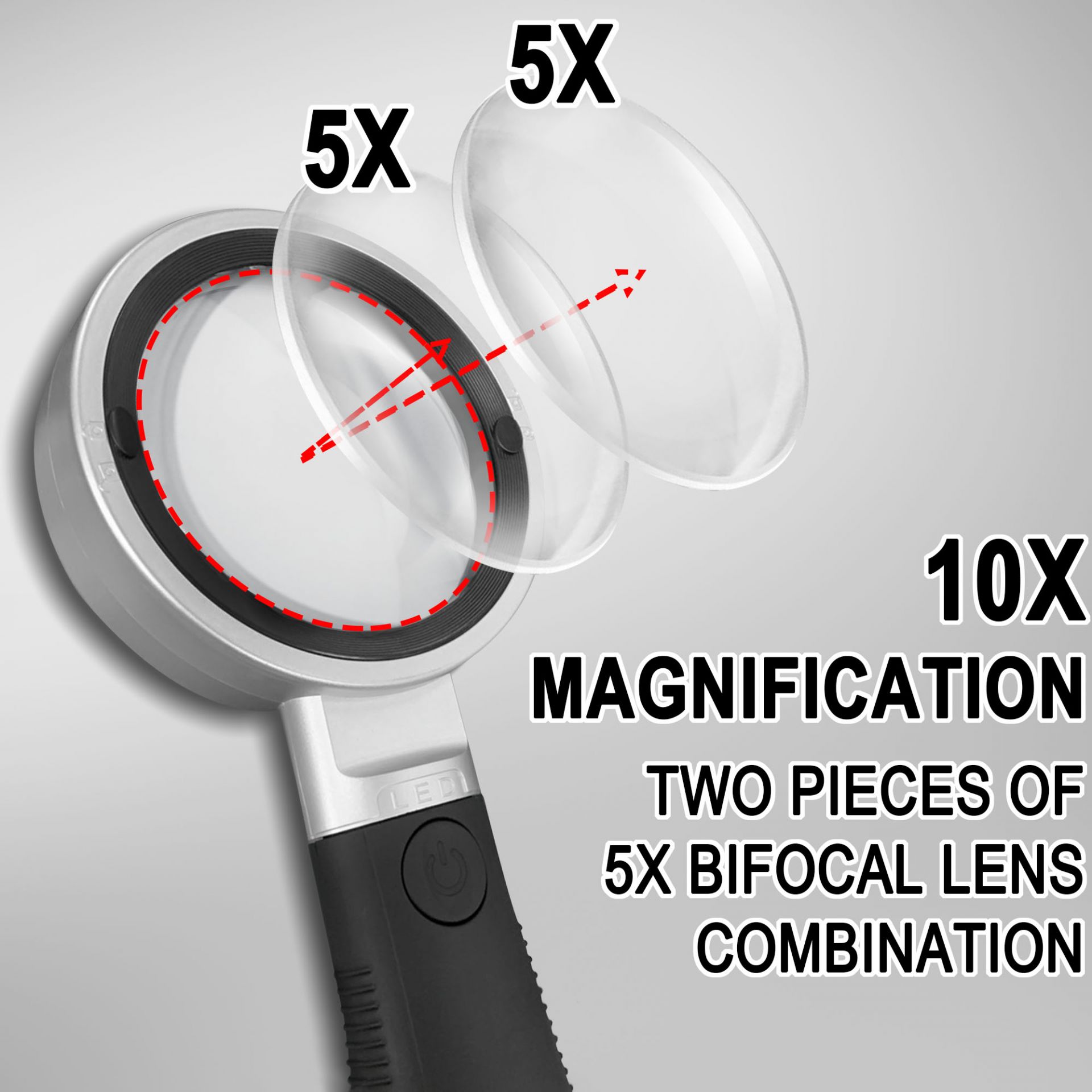
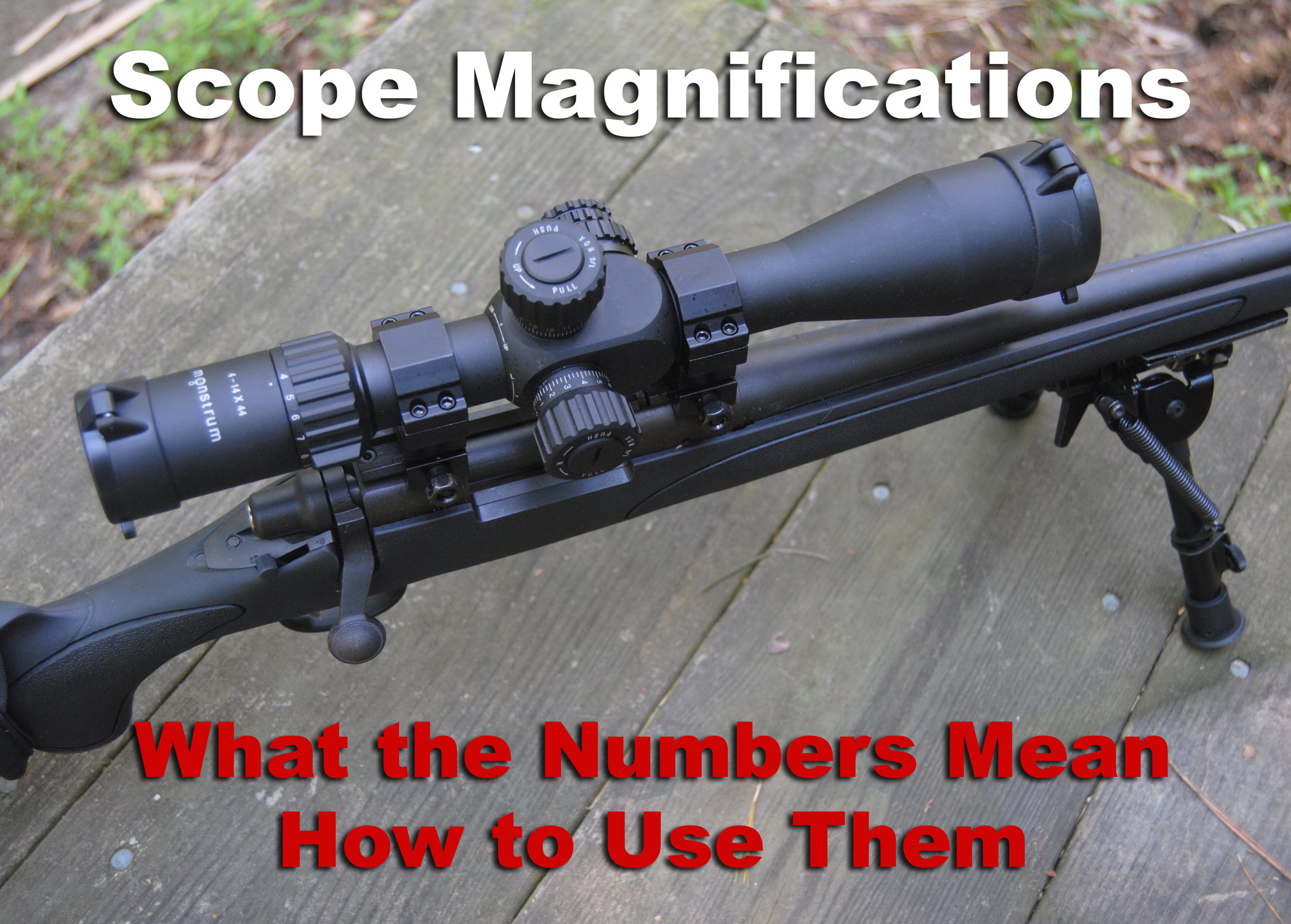
10x magnification indicates that an object viewed through an optical instrument appears ten times larger than it does to the naked eye. Specifically, it reduces the apparent distance between the observer and the subject by a factor of ten, allowing for the inspection of fine details that are otherwise invisible or indistinct.
What is 10x Magnification? The Science of Scaled Vision
To understand 10x magnification, one must first understand the concept of angular magnification. When you look at an object, its size on your retina is determined by the angle it subtends at your eye. Optical instruments like magnifying glasses, binoculars, and loupes use lenses to increase this angle. A 10x rating means the angle subtended by the image is ten times larger than the angle subtended by the object when viewed from a standard reference distance.
In the world of optics, the standard reference distance for "near vision" is typically 250 millimeters (approximately 10 inches). Therefore, a 10x magnifying glass creates an image that appears as large as the object would look if you could somehow bring it ten times closer to your eye—to a distance of just 25 millimeters—without losing focus.
It is important to distinguish between linear magnification and area magnification. A 10x magnification refers to linear dimensions. If you are looking at a square, each side appears ten times longer. However, the total surface area of that square appears 100 times larger (10 multiplied by 10). This dramatic increase in visible area is why 10x is considered a significant threshold for detail in many professional and hobbyist fields.
The Optical Mechanics Behind 10x Power
The ability of a lens to magnify is inextricably linked to its focal length. The focal length is the distance between the center of the lens and the point where parallel light rays converge. For a simple magnifying glass, the magnification ($M$) can be roughly calculated using the formula $M = (250 / f) + 1$, where $f$ is the focal length in millimeters.
To achieve 10x magnification, the focal length must be relatively short—approximately 25mm to 28mm. As focal length decreases, the curvature of the lens must increase. This leads to several optical challenges that manufacturers must address:
- Spherical Aberration: Light rays passing through the edges of a highly curved lens focus at a different point than rays passing through the center, causing blurriness.
- Chromatic Aberration: Different colors of light (wavelengths) refract at different angles, leading to "color fringing" or a rainbow effect around the edges of the subject.
- Depth of Field: As magnification increases, the depth of field (the zone of sharp focus) becomes significantly shallower. At 10x, a jeweler or biologist must be very precise with the distance between the lens and the object.
To combat these issues, high-quality 10x optics often use aspheric lenses or lens triplets. A triplet lens bonds three separate glass elements together to correct for color and distortion, providing a flat, crisp field of view across the entire lens.
Practical Applications of 10x Magnification
The "10x" specification is a sweet spot across multiple industries. It offers enough power to see microscopic details while maintaining a manageable field of view and sufficient light transmission.
Jewelry and Gemology: The Industry Standard
In the jewelry world, 10x is the official standard. The Gemological Institute of America (GIA) bases its diamond clarity grading on what a trained professional can see under 10x magnification. Inclusions (internal flaws) and blemishes (external flaws) that are not visible at 10x are generally considered "eye-clean." A 10x triplet loupe is the most essential tool for any gemologist, as it provides the necessary magnification without the distortion found in cheaper, single-lens magnifiers.
Birding and Wildlife Observation
For binoculars, 10x is one of the two most popular configurations (the other being 8x). A pair of 10x42 binoculars provides a closer view of distant birds or wildlife than 8x models. This is particularly useful in open habitats like shorelines, plains, or marshes where subjects are far away. However, 10x binoculars require a steadier hand, as the higher magnification also amplifies the natural shaking of the user's arms.
Industrial Inspection and Printing
Printers and engineers use 10x "linen testers" or standing loupes to inspect halftone dots, circuit board solder joints, and material fatigue. At 10x, the individual dots of a four-color printing process become clearly visible, allowing for precise calibration of color and registration.
Horology (Watchmaking)
Watchmakers utilize 10x eye loupes for the assembly and repair of intricate movements. While lower powers (3x to 5x) are used for general assembly, 10x is required to inspect the escapement, balance spring, and tiny gear teeth for debris or wear.
The Trade-offs: Why More Isn't Always Better
While it might be tempting to assume that 20x or 30x would be superior to 10x, higher magnification comes with significant physical trade-offs.
- Reduced Field of View (FOV): As you "zoom in," the total area you can see at one time shrinks. This makes it harder to locate a subject (like a bird in a tree) or to see the context of a mechanical part.
- Image Stability: At 10x, every heartbeat and muscle tremor is visible. Above 10x, hand-holding an optical device becomes nearly impossible without the aid of a tripod or electronic image stabilization.
- Light Gathering: For a given lens size, higher magnification results in a smaller exit pupil (the circle of light that reaches your eye). This makes the image appear dimmer, especially in low-light conditions such as dawn or dusk.
- Eye Relief: Higher magnification often requires the eye to be placed much closer to the lens. This can be a significant drawback for users who wear eyeglasses, as they may not be able to see the full field of view.
Comparing 10x Optical Devices
Not all 10x optics are created equal. The application dictates the design of the tool.
| Device Type | Typical Use Case | Primary Benefit | Key Limitation |
|---|---|---|---|
| Triplet Loupe | Gem grading, hobbyist | Highly portable; color-corrected | Requires very close proximity to object |
| 10x42 Binoculars | Birding, hunting | Long-distance viewing; depth perception | Heavy; prone to image shake |
| 10x Monocular | Hiking, travel | Lightweight and compact | Narrower field of view than binoculars |
| Dissecting Microscope | Biology, electronics | Binocular vision; room for tools | Non-portable; requires external light |
| Folding Magnifier | General reading, maps | Large lens area | Often suffers from edge distortion |
Choosing the Right 10x Optical Tool in 2026
As of 2026, the technology behind 10x optics has matured, with a focus on specialized coatings and lightweight materials. When selecting a device, consider the following criteria:
Lens Quality and Coatings
Look for fully multi-coated (FMC) optics. These coatings reduce reflection and increase light transmission, which is vital for maintaining image brightness at 10x. In binoculars, "ED" (Extra-low Dispersion) glass is now standard for mid-to-high-tier models, virtually eliminating the purple or green halos around high-contrast objects.
Build Material
In 2026, magnesium alloy has largely replaced aluminum in high-end 10x binoculars and loupes due to its superior strength-to-weight ratio. For handheld loupes, ensure the housing is made of a non-reflective material to prevent glare from interfering with your view of the subject.
Ergonomics and Eye Relief
For those who wear glasses, an eye relief of at least 15mm to 18mm is necessary for 10x binoculars. For loupes, the "swing-out" design should be stiff enough to stay in place but smooth enough for one-handed operation.
Troubleshooting Common Issues with 10x Optics
Users often encounter frustration when moving from lower powers to 10x. Most issues are related to physics rather than faulty equipment.
"The image is blurry at the edges." This is usually caused by using a single-element lens (a "simple" magnifier). To fix this, upgrade to an aplanatic-achromatic lens system, which is designed specifically to provide edge-to-edge sharpness.
"I can't keep the image still." If you are using 10x binoculars, try tucking your elbows into your chest or leaning against a tree or car. If using a loupe, rest the hand holding the loupe against your cheek and bring the object up to the lens, rather than moving the lens toward the object.
"The image is too dark." Ensure you are not blocking the light source with your head or the instrument itself. Many modern 10x loupes now come with integrated LED or UV lighting to solve this exact problem.
Frequently Asked Questions
Is 10x magnification enough to see bacteria?
No. Most bacteria are between 0.5 and 5 micrometers in size. To see them clearly, you generally need a compound microscope with at least 400x to 1000x magnification. A 10x lens is suited for seeing larger structures like insect anatomy, plant cells, or crystalline structures in rocks.
What does "10x42" mean on binoculars?
The first number (10x) is the magnification. The second number (42) is the diameter of the objective lenses (the front lenses) in millimeters. A larger objective lens gathers more light, which provides a brighter image but makes the binoculars heavier.
Why is 10x the standard for diamond grading?
The 10x standard was established because it provides a balance between extreme detail and practical usability. If a higher magnification were used, almost every diamond would show flaws, making the grading system less useful for commerce. If a lower magnification were used, significant flaws could be missed.
Can I use a 10x loupe to take photos with my phone?
Yes. By aligning your smartphone camera lens with the eyepiece of a 10x loupe, you can take "macro" style photos. However, because the depth of field is so narrow at 10x, you may need a steadying rig or a specialized adapter to keep the image in focus.
Does 10x magnification differ between digital and optical?
Yes, significantly. Optical magnification uses lenses to physically enlarge the image before it hits your eye or a sensor, preserving resolution. Digital magnification (or digital zoom) simply crops and enlarges the pixels of an image, which results in a loss of detail and a "blocky" or "noisy" appearance.
Practical Recommendation
For most users, a high-quality 10x triplet loupe is the best entry point into the world of high-detail magnification. It is a tool that lasts a lifetime and serves multiple purposes, from identifying garden pests to verifying the hallmarks on family silver. When purchasing, prioritize brands that explicitly state they use achromatic and aplanatic lenses to ensure that the 10x view you are getting is clear, accurate, and free of distracting distortions. If you are choosing binoculars for general outdoor use, 10x is an excellent choice for open-country observation, provided you are comfortable with a slightly narrower field of view compared to 8x alternatives.