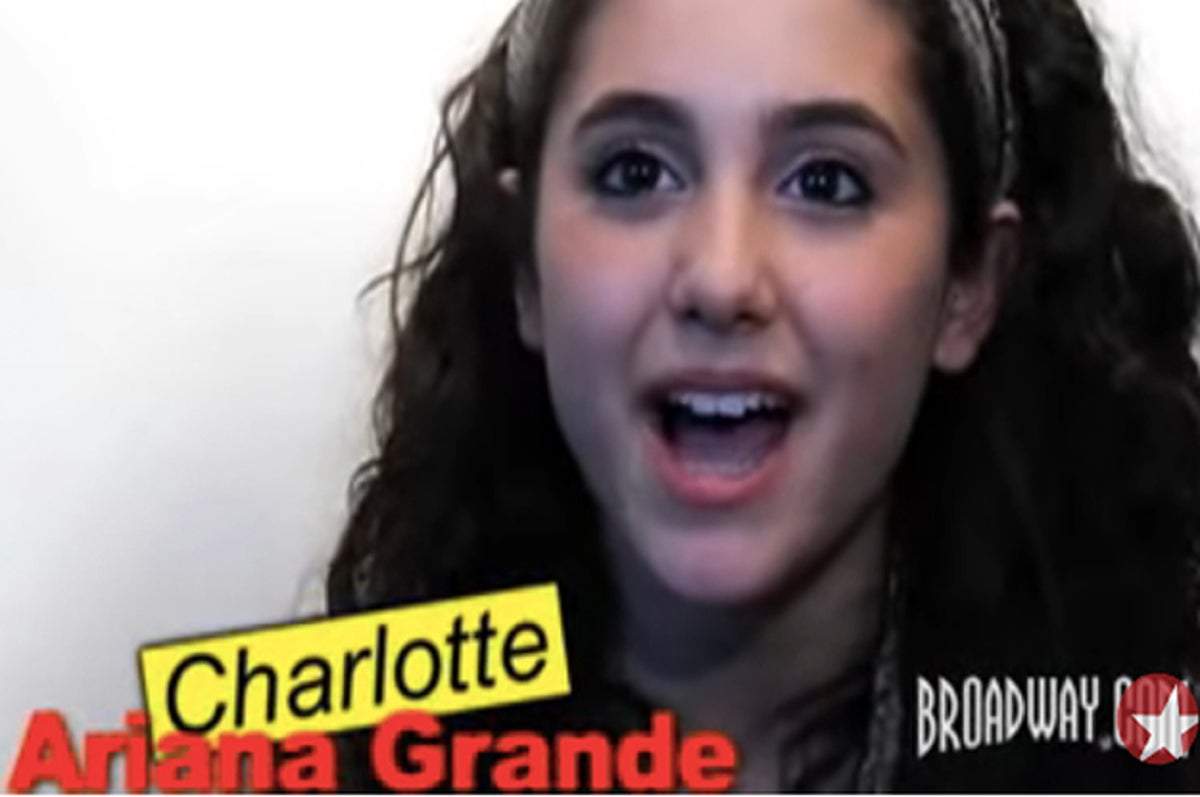
Ariana Grande’s debut in the 2008 Broadway musical 13 served as the definitive "vocal showdown" that launched her career. Performing the role of Charlotte, Grande showcased a sophisticated technical range and power that rivaled seasoned adult professionals, establishing a foundation of vocal discipline that remains evident in her global pop performances today in 2026.
The Genesis of 13: A High-Stakes Broadway Experiment
When 13 premiered at the Bernard B. Jacobs Theatre on October 5, 2008, it stood out for a singular, ambitious reason: it was the first—and remains one of the few—Broadway musicals to feature a cast and band composed entirely of teenagers. There were no adults on stage and no adults in the orchestra pit. This "teens-only" requirement created an environment of intense, youthful energy that many critics and fans labeled a "vocal showdown."
The music and lyrics were crafted by Jason Robert Brown, a Tony Award-winning composer known for his harmonically complex and vocally demanding scores. For a group of thirteen-year-olds to tackle Brown’s work was a feat of technical endurance. The production was not merely a "kids' show"; it was a rigorous professional endeavor that required the cast to master difficult syncopation, high-lying vocal tessituras, and dense ensemble harmonies.
In this competitive atmosphere, a young Ariana Grande found her footing. While she was not the lead character—that role belonged to Graham Phillips as Evan Goldman—her presence in the supporting role of Charlotte provided some of the show's most memorable vocal textures. Even at the age of 15, Grande's ability to navigate the "bridge" between her chest voice and head voice (the passaggio) was noticeably more advanced than that of her peers, marking her as a standout in the production’s hierarchy.
Analyzing the Vocal Showdown: Charlotte vs. Lucy
The narrative arc of 13 involves the social hierarchies of a middle school in Appleton, Indiana. This social friction translates musically into several high-octane numbers where the female cast members engage in what can only be described as a vocal duel.
The Dynamic Between Grande and Gillies
Central to the "vocal showdown" was the chemistry and rivalry between Ariana Grande (Charlotte) and Elizabeth Gillies (Lucy). Gillies possessed a soulful, rock-oriented belt that contrasted sharply with Grande’s cleaner, more acrobatic theatrical style.
In numbers like "Opportunity" and "It Can't Be True," the cast was required to execute "belt" notes—high-intensity singing in the chest register—that pushed the limits of adolescent vocal cords. The showdown wasn't just about who could sing the loudest, but who could maintain pitch and tonal quality under the physical stress of choreography. Grande’s role as the "mean girl" sidekick required her to sing sharp, staccato lines that cut through the orchestration, a skill she would later refine in her transition to pop music.
Technical Demands of the Score
Jason Robert Brown’s score for 13 is notorious among musical theater students for its difficulty. The songs are often written in keys that sit right at the "break" for female voices.
- Vocal Range: The female ensemble was frequently required to hit sustained C5 and Eb5 notes.
- Rhythmic Complexity: Songs like "Brand New You" utilize R&B-influenced rhythms that require perfect timing, a precursor to the "trap-pop" rhythms Grande would dominate in the 2020s.
- Ensemble Precision: Because the band was also made up of teens, the singers had to be exceptionally precise with their cues, as the room for error was significantly smaller than with a veteran professional orchestra.
Key Musical Numbers: Where the Showdown Happened
To understand why 13 is considered a vocal masterclass for the young cast, one must look at the specific songs that defined the production.
"Opportunity"
Though primarily a solo for the character Kendra, the backup vocals provided by Grande and the rest of the cheerleading squad are a masterclass in tight, three-part harmony. The "vocal showdown" here is found in the blend. If one voice is slightly off-pitch or carries too much vibrato, the entire R&B-flavored chord collapses. Grande’s ability to "straight-tone" her notes—singing without vibrato to create a piercing, clean sound—was a highlight of this number.
"It Can’t Be True"
This is perhaps the most famous ensemble number for the "popular" kids in the show. It requires the actors to gossip-sing at a frantic pace. The technical challenge involves diction and breath control. Grande’s performance in this number demonstrated her capacity for "patter singing," a staple of Broadway that requires articulating complex lyrics at high speeds without losing the musicality of the line.
"Brand New You"
As the act two showstopper, "Brand New You" is a soulful anthem that demands a gospel-like fervor. In this number, the cast members are encouraged to add "riffs" and "runs." This was where Grande began to show the early signs of the melismatic style (moving a single syllable across multiple notes) that would eventually become her signature. Watching archival footage of this 2008 performance from the vantage point of 2026, the lineage of her vocal "runs" is undeniably clear.
The 2008 Broadway Cast Vocal Profile
The following table compares the primary vocal archetypes present in the original Broadway production of 13, highlighting the diversity of talent that contributed to the vocal showdown.
| Performer | Role | Vocal Type | Key Technical Strength |
|---|---|---|---|
| Ariana Grande | Charlotte | Mezzo-Soprano | Agility and "Mix" placement |
| Elizabeth Gillies | Lucy | Mezzo/Alto | Powerful chest-belt and grit |
| Graham Phillips | Evan | Tenor | Consistent tone and emotional resonance |
| Delaney Moro | Kendra | Soprano | Lyricism and upper-register clarity |
| Allie Trimm | Patrice | Soprano/Belter | Wide range and "money notes" (High E) |
From the Bernard B. Jacobs to Global Arenas
The "vocal showdown" of 13 was more than just a performance; it was a training ground. For Grande, the transition from Charlotte to a global icon involved evolving her vocal technique while preserving the foundational elements learned on Broadway.
The Evolution of the "Belt"
In 2008, Grande’s belt was typical of a high-end musical theater performer—forward-placed, bright, and somewhat nasal to ensure it reached the back of the balcony. By 2026, she has transitioned into a more "head-dominant" mix. This allows her to reach the same high notes (and higher) with less physical strain, a necessity for a touring pop artist performing 90-minute sets.
The Influence of Jason Robert Brown
Grande has frequently cited Jason Robert Brown as a major influence. The "showdown" environment he created by writing such difficult music forced his young cast to become better musicians. Grande learned how to read complex charts and understand harmonic structures, which later allowed her to take a hands-on role in vocal arranging for her albums like Positions and Eternal Sunshine.
Professionalism Under Pressure
Broadway is a grueling environment. Eight shows a week, often with limited rest, requires a "vocal athlete" mindset. The showdown in 13 taught Grande how to maintain her voice under pressure—lessons that served her well during the demanding years of her Sweetener and Dangerous Woman tours.
The Legacy of 13: Why it Matters in 2026
Nearly two decades after its debut, 13 remains a cult favorite. Its legacy is tied inextricably to the success of its alumni. In 2026, the show is frequently revived by youth theaters and high schools, often cited as the "show that gave us Ariana Grande."
The "vocal showdown" aspect has become a benchmark for young performers. Auditioning for the role of Charlotte or Lucy now carries the weight of history; young singers often attempt to replicate the specific riffs Grande and Gillies popularized in the original cast recording. The production proved that teenage performers could handle "adult" musical complexity, changing how casting directors and composers approached youth-centric stories.
Furthermore, the 2022 Netflix adaptation of the musical brought the story to a new generation, though many purists still point to the 2008 Broadway vocal performances as the "gold standard." The 2008 cast had a raw, live energy that a studio-produced film cannot fully replicate.
Common Myths About Ariana Grande in 13
There are several misconceptions regarding Grande’s time on Broadway that are worth clarifying for the sake of historical accuracy.
- She was the lead: Ariana Grande was a supporting actress. The show is an ensemble piece, but the primary protagonist is Evan Goldman. Grande’s character, Charlotte, is a key member of the social "in-group."
- She used a different voice: While her style has changed, the core of her voice—the clarity and the placement—is the same. The "theater voice" she used was simply a different application of the same instrument.
- She left the show early: Grande stayed for the duration of the show's limited Broadway run, which consisted of 105 performances and 22 previews.
FAQ: The Vocal Legacy of 13
Did Ariana Grande win any awards for 13?
While she did not win a Tony Award, Ariana Grande won a National Youth Theatre Association Award for her performance as Charlotte. This was an early validation of her talent within the theatrical community.
Can I still listen to the original Broadway cast recording?
Yes, the original cast recording remains widely available on all major streaming platforms as of 2026. It is considered an essential listen for fans of Jason Robert Brown and those wishing to hear the "vocal showdown" in its original form.
How did her role in 13 lead to Victorious?
The casting directors for the Nickelodeon show Victorious were aware of the talent in 13. Both Ariana Grande and Elizabeth Gillies were cast in the show shortly after 13 closed, largely due to their proven ability to perform at a professional level and their existing chemistry.
What is the most difficult song for Charlotte in the show?
"It Can't Be True" is widely considered the most difficult for the character of Charlotte because of its rapid-fire lyrics and the need to maintain a character-driven "mean girl" tone while hitting precise musical intervals.
Did Jason Robert Brown write specifically for Ariana's voice?
While the score was written before she was cast, Brown is known for tailoring arrangements to the specific strengths of his performers during the rehearsal process. It is highly likely that some of the vocal flourishes heard in Charlotte’s lines were developed to highlight Grande’s specific agility.
Practical Recommendation: Exploring the Vocal Roots
For those interested in the technical aspects of the 13 "vocal showdown," the best next step is to compare the 2008 Broadway Cast Recording with the 2022 Netflix Soundtrack. Notice the differences in vocal "weight" and the contemporary versus classic Broadway arrangements.
Aspiring singers should study the track "Brand New You" to understand how to blend pop sensibilities with theatrical power. For a deeper dive into the composition, the vocal selections (sheet music) published by Hal Leonard provide a clear look at the intricate harmonies that Grande and her castmates had to navigate every night at the Bernard B. Jacobs Theatre.