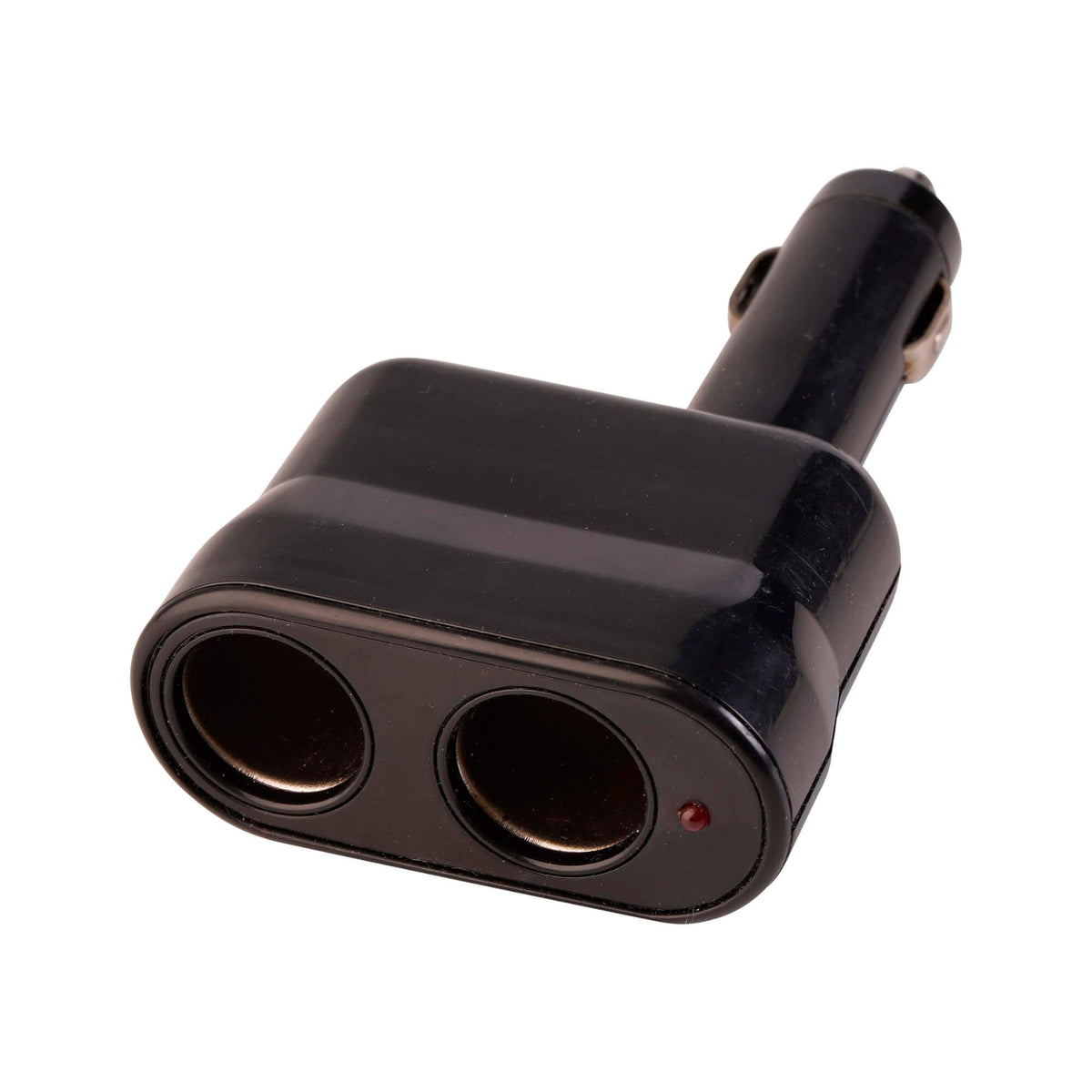
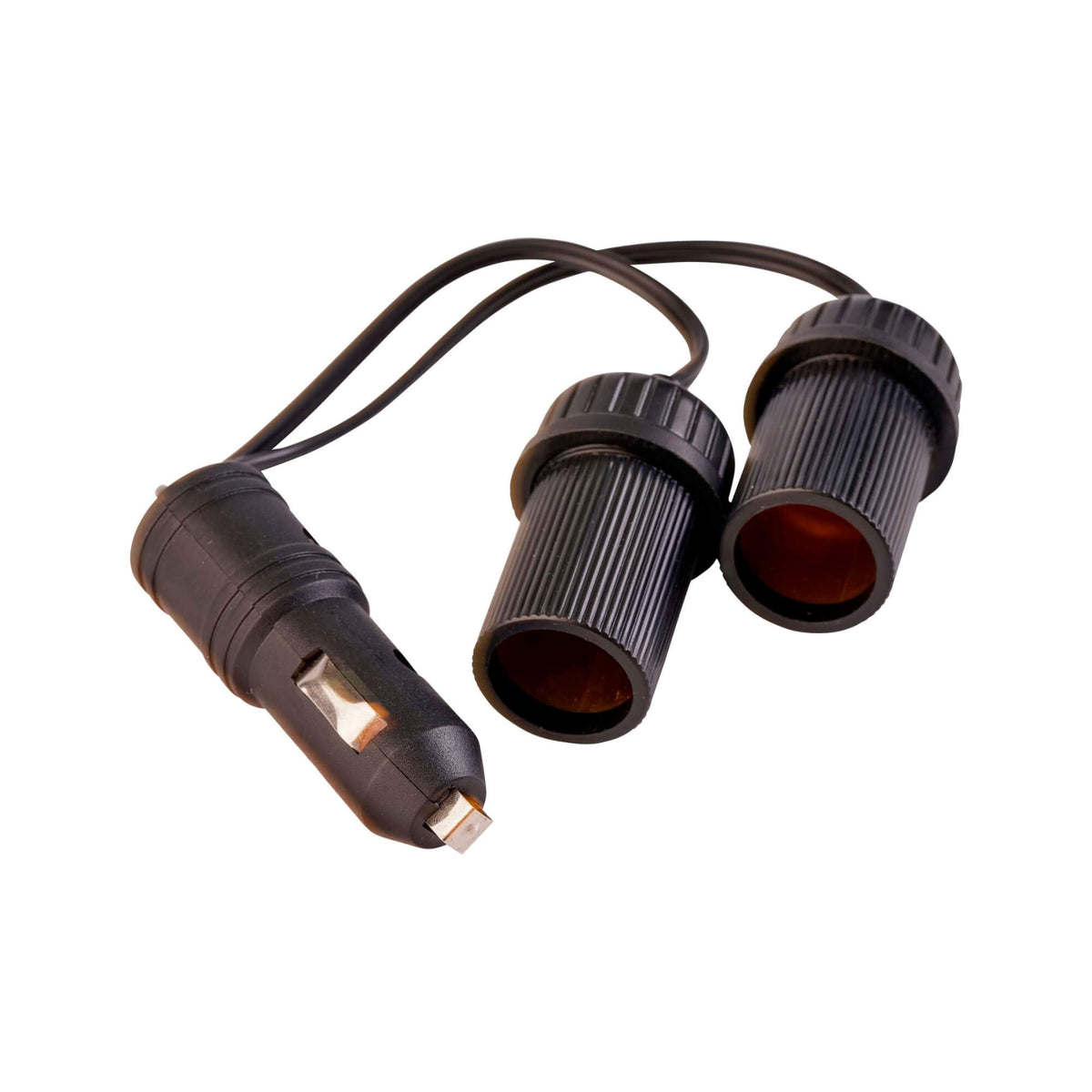
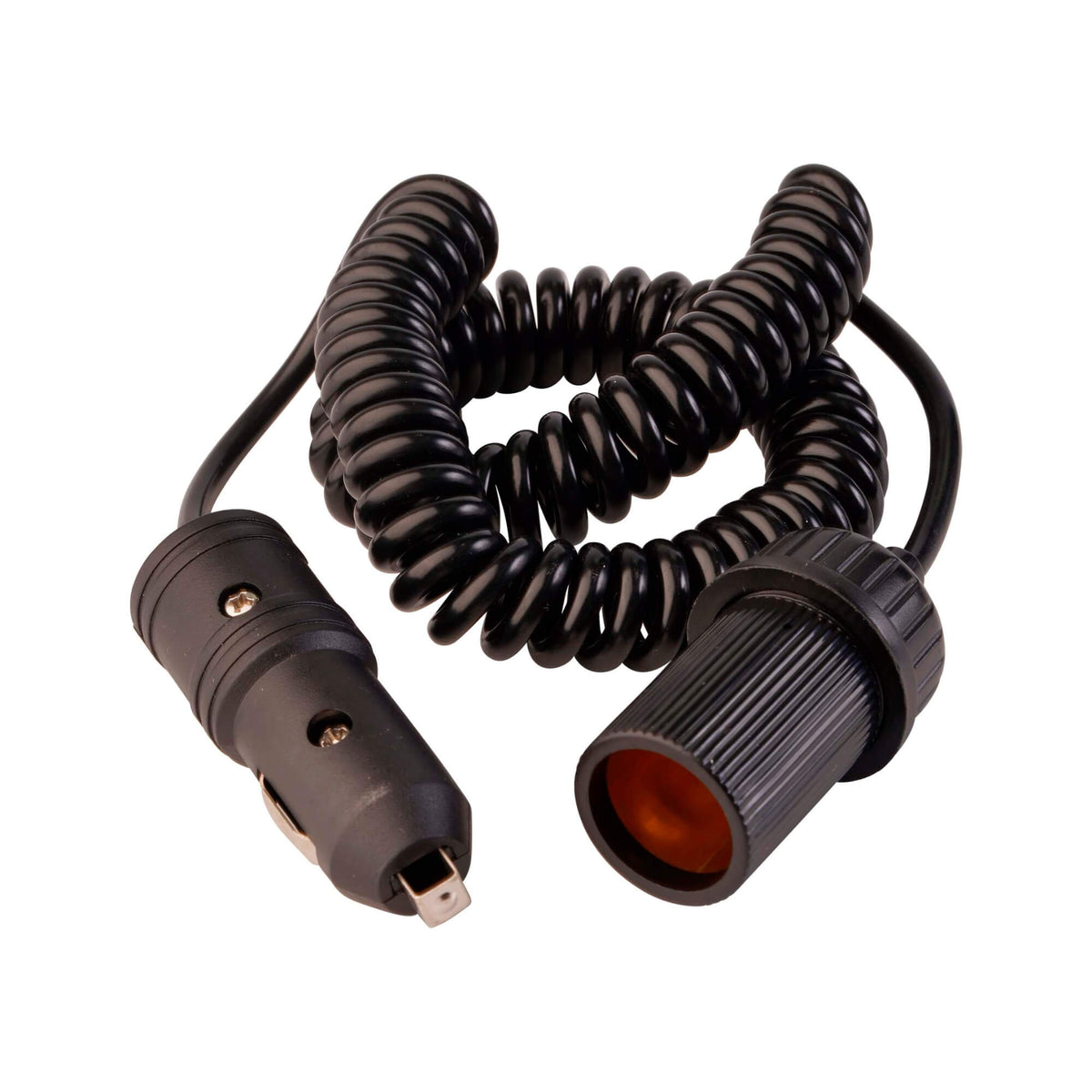
12V accessories are electrical devices designed to operate on a 12-volt Direct Current (DC) system, common in cars, trucks, RVs, and boats. These components range from simple USB chargers to high-draw appliances like portable refrigerators and winches, enabling increased functionality, comfort, and safety during travel or off-grid living.
The landscape of vehicle-based electronics has shifted significantly by 2026. While the basic principles of DC electricity remain constant, the efficiency, integration, and management of 12V accessories have reached new heights. Modern users no longer view these items as mere add-ons but as integrated components of a sophisticated mobile ecosystem. Whether you are a professional overlander, a weekend camper, or someone looking to enhance a daily commute, understanding the technical requirements and variety of 12V accessories is essential for building a reliable and safe electrical system.
The Fundamentals of 12V DC Power Systems
Before integrating various 12V accessories, one must understand the foundation upon which they operate. A standard automotive electrical system typically relies on a lead-acid or Lithium Iron Phosphate (LiFePO4) battery and an alternator. While labeled "12V," a healthy system usually operates between 12.6V (static battery) and 14.4V (while the alternator is charging).
Direct Current (DC) differs from the Alternating Current (AC) found in households. In a 12V DC system, electricity flows in one direction. This simplicity allows for easier battery storage but introduces challenges regarding voltage drop. Because the voltage is relatively low, even a small amount of resistance in the wiring can lead to a significant loss of power over long distances. This is why selecting the correct wire gauge for your 12V accessories is arguably the most critical step in any installation.
In 2026, the prevalence of smart alternators in modern vehicles complicates the direct connection of accessories. These alternators often reduce voltage output to save fuel, which can prevent secondary batteries from charging fully or cause certain accessories to malfunction. Consequently, the use of DC-to-DC chargers has become a mandatory prerequisite for anyone running a multi-accessory setup in a late-model vehicle.
Essential Categories of 12V Accessories
The market for 12V accessories is vast, but most items fall into several primary functional categories. Categorizing these helps in planning the power distribution and fusing requirements of your vehicle.
Portable Refrigeration and Climate Control
The transition from ice-filled coolers to 12V compressor fridges is a defining upgrade for many travelers. Unlike thermoelectric coolers, which merely lower the temperature relative to the ambient air and consume massive amounts of power, 12V compressor fridges function like a household refrigerator. They are highly efficient, often drawing less than 1.0 Ah (Amp-hour) on average, and can maintain freezing temperatures even in desert environments.
Beyond refrigeration, 12V fans (such as those from Sirocco) and diesel heaters have become staples. Diesel heaters utilize the 12V system for their glow plug, fuel pump, and fan, providing immense heat with minimal electrical draw, making them ideal for winter expeditions.
Lighting and Visibility
LED technology has revolutionized 12V lighting. From high-intensity light bars and spot lamps for off-road navigation to subtle amber camp lights that do not attract insects, the options are nearly limitless. The primary advantage of LED 12V accessories is their lumens-per-watt efficiency. You can now illuminate an entire campsite for several hours while drawing less than 2 Amps from your battery.
Communication and Navigation
Reliable power for communication devices is a safety requirement in remote areas. This category includes 12V-powered UHF/VHF radios, satellite messengers (like Garmin InReach), and cellular boosters (like weBoost). Furthermore, the integration of Starlink Mini or similar mobile satellite internet kits, which can be modified to run directly on 12V DC, has transformed remote work and emergency communication in 2026.
Power Management and Charging
This category includes the "hidden" 12V accessories that make everything else work. USB-C Power Delivery (PD) sockets are now the standard, capable of charging laptops directly from the 12V system without the need for an inefficient AC inverter. Battery monitors, such as those produced by Victron Energy or Redarc, provide real-time data via Bluetooth, allowing users to see exactly how much current their accessories are consuming.
Technical Specifications: Wiring, Fusing, and Connectors
Installing 12V accessories requires more than just "plug and play." A failure to match the accessory’s current draw with the appropriate wire size and fuse can lead to equipment failure or, in the worst case, a vehicle fire.
Understanding Wire Gauge and Voltage Drop
When current flows through a wire, it encounters resistance, which generates heat and causes voltage to drop. For a 12V accessory to function correctly, it usually requires at least 11.5V at the device end. If you use a wire that is too thin for a long run (e.g., running a fridge to the back of a van), the voltage might drop to 10.5V, causing the fridge to shut down to protect the battery, even if the battery is full.
Standard 12V wiring uses the American Wire Gauge (AWG) or square millimeters (mm²). For high-draw items like air compressors, 6 AWG or 8 AWG is often required. For light-duty USB ports, 16 AWG or 18 AWG may suffice over short distances.
The Role of Fuses and Circuit Breakers
Every 12V accessory must be fused. The fuse’s purpose is not to protect the device, but to protect the wire. If a wire is pinched and shorts to the vehicle's chassis, the battery will dump all its energy into that wire, causing it to glow red-hot and ignite surrounding materials. A fuse acts as the "weak link" that breaks the circuit before the wire fails. Always place the fuse as close to the power source (the battery) as possible.
Comparison of Common 12V Connectors
The method of connection significantly impacts the reliability of your 12V accessories. While the "cigarette lighter" socket is the most common, it is often the least reliable for high-vibration environments or high-current loads.
| Connector Type | Max Current (Typical) | Best Use Case | Pros | Cons |
|---|---|---|---|---|
| Cigarette Socket | 10A - 15A | Phone chargers, GPS | Universal, easy to find | Vibrates loose, prone to arcing |
| Anderson Powerpole | 15A - 45A+ | Fridges, Solar panels | Secure, genderless, low loss | Requires crimping tool |
| Hella / Merit Plug | 15A | Marine, European RVs | Locking mechanism, compact | Not as common in US |
| USB-C (PD) | Up to 100W | Laptops, Tablets | High speed, modern standard | Requires dedicated 12V-to-5/20V converter |
| SAE Connector | 10A - 15A | Battery maintainers | Weather-resistant, simple | Polarized (easy to reverse) |
Advanced Power Management: The 2026 Standard
As of 2026, the "dual battery system" has evolved into a sophisticated power management hub. The most effective way to run 12V accessories without risking a dead starter battery is to isolate the accessory load.
- Lithium Iron Phosphate (LiFePO4) Batteries: These have largely replaced AGM and Lead-Acid for accessory power. They offer thousands of cycles, can be discharged to 0% without damage, and maintain a higher voltage (around 13V) throughout the discharge cycle, ensuring your 12V accessories run at peak performance.
- DC-DC Chargers: These devices act as a smart multi-stage charger for your secondary battery. They take the variable output from the alternator and "boost" or "buck" it to the exact voltage required by the battery chemistry. Most modern DC-DC units also include a built-in MPPT solar controller.
- Smart Shunts: A smart shunt is a 12V accessory that sits between the battery and the loads. It measures every milliamp entering or leaving the system. In 2026, these are almost exclusively monitored via smartphone apps, providing "time-to-empty" readouts that are far more accurate than simple voltage meters.
Common Mistakes and Troubleshooting
Even with high-quality 12V accessories, issues can arise. Understanding how to troubleshoot these is key to maintaining a functional mobile system.
- Parasitic Draw: Some accessories, particularly cheap USB chargers or LED controllers, draw a small amount of power even when turned off. Over a week, this can drain a battery. Using a master isolation switch or high-quality components with low "quiescent current" is the solution.
- Poor Grounding: In a vehicle, the metal chassis acts as the return path to the battery. However, modern vehicles use more adhesives and plastics, and less steel. High-draw 12V accessories should ideally have a dedicated ground wire run directly back to the battery or a central bus bar to avoid "ground loops" and erratic behavior.
- Corrosion in Marine Environments: If using 12V accessories in a boat or near the ocean, standard copper wire will oxidize (turn green) and lose conductivity. Use "tinned copper" wire and marine-grade heat shrink connectors to prevent this.
- Overloading the Circuit: Trying to run an air compressor and a fridge off a single cigarette lighter splitter will almost always blow a fuse. High-draw items need dedicated, heavy-gauge circuits.
Frequently Asked Questions
Can I run 12V accessories directly off my car's starter battery?
While possible for small items like phone chargers, it is not recommended for high-draw or long-duration items like fridges or lights. Starter batteries are designed for short bursts of high current and can be damaged by deep discharges. Furthermore, you risk being unable to start your vehicle if you leave an accessory on too long.
What is the difference between 12V and 24V accessories?
24V systems are common in large trucks and heavy machinery. A 24V system is more efficient for high-power applications because it requires half the current (Amps) to deliver the same amount of power (Watts), allowing for thinner wiring. However, most consumer 12V accessories are not compatible with 24V unless specified as "multi-voltage" (e.g., 12/24V).
How do I calculate how long my 12V accessory will run?
You need to know the Amp-hour (Ah) capacity of your battery and the Amp draw of the accessory. For example, if you have a 100Ah Lithium battery and a fridge that draws 1A on average, the fridge could theoretically run for 100 hours. Always leave a safety margin of at least 10-20% for Lithium and 50% for Lead-Acid batteries.
Is it better to use 12V DC or an inverter for my laptop?
It is significantly more efficient to use a 12V DC-to-DC USB-C charger. An inverter must convert 12V DC to 110V/220V AC, and then your laptop's power brick converts it back to DC. This double-conversion process usually loses 15-20% of your energy as heat.
Are "solar ready" 12V accessories actually better?
"Solar ready" usually implies that the device can accept a wide range of DC input voltages or has a built-in controller. However, for a robust system, it is usually better to have a dedicated solar controller (MPPT) that manages the battery, allowing you to use any standard 12V accessory without worrying about solar fluctuations.
Recommendation for Next Actions
To successfully implement a 12V accessory system in 2026, begin by performing a power audit. List every device you plan to run, its current draw in Amps, and how many hours per day you expect to use it. This will dictate your battery size and the thickness of the wiring you need to install.
Once you have your power audit, prioritize high-quality over-current protection. Invest in a dedicated fuse block (such as those from Blue Sea Systems) rather than using messy "in-line" fuses. This centralizes your 12V accessories, makes troubleshooting easier, and ensures your vehicle remains safe from electrical hazards. For those building for the long term, opting for tinned copper wiring and Anderson connectors for high-load items will provide a level of reliability that standard automotive plugs cannot match.