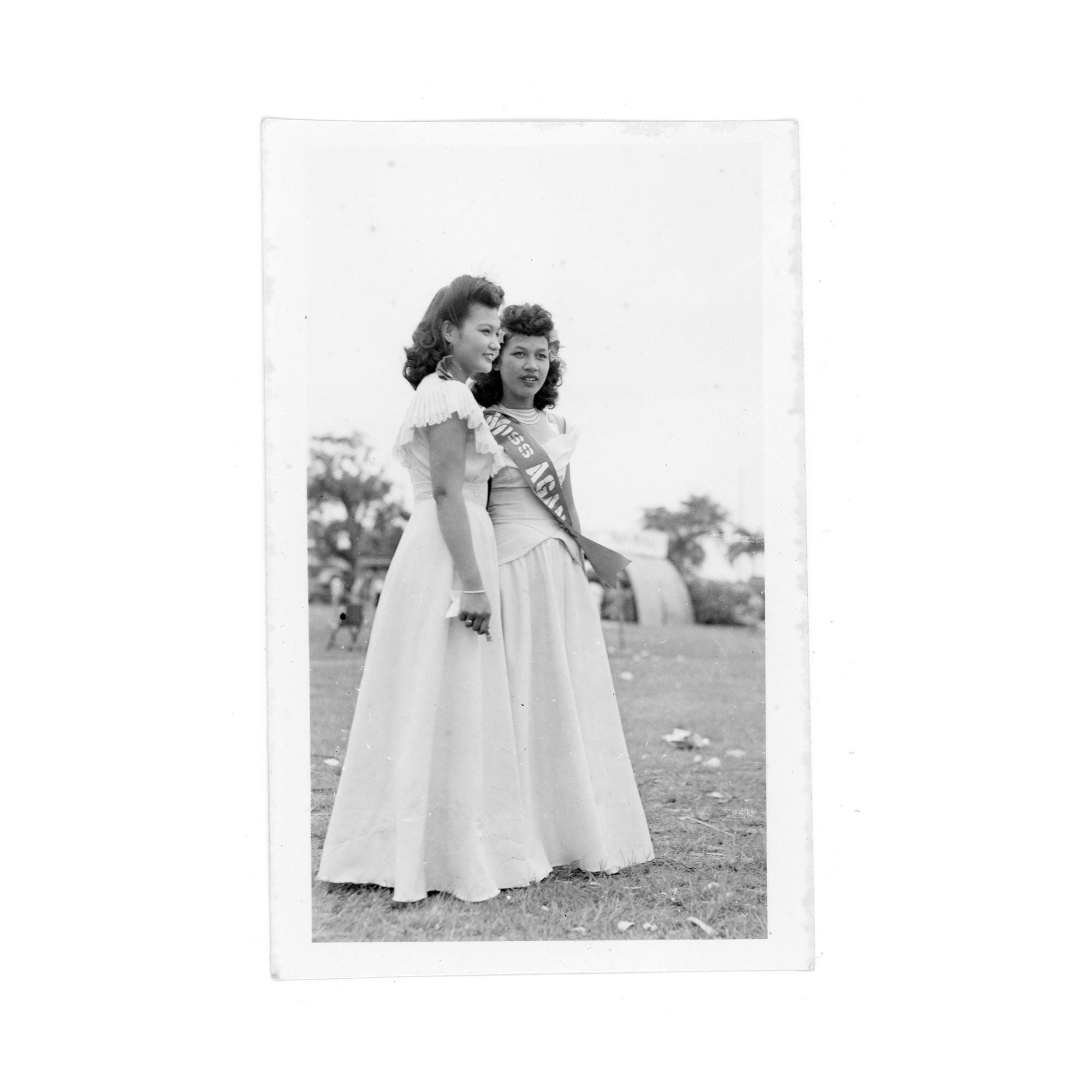
The 1950s served as the foundational decade for modern beauty pageants, transforming local community competitions into televised national and global spectacles. During this era, pageants became sophisticated vehicles for postwar American commercialism, reinforcing strict beauty standards and domestic ideals while establishing the rigid procedural, judging, and eligibility frameworks that still define competitive pageantry today.
The Rise of the Postwar Pageant Industry
The 1950s were a pivotal period for the professionalization of the beauty pageant. While competitions like the Miss America pageant had existed in various forms since the 1920s, the postwar era brought a shift toward massive public consumption via the emerging medium of television. This shift necessitated a more uniform approach to how winners were selected, how contestants were vetted, and how the "ideal" woman was portrayed to the American public.
In this decade, the pageant industry moved away from seaside novelty acts toward a serious, merit-based image. Organizations sought to distance themselves from the "bathing beauty" critiques of earlier years by introducing scholarship foundations and talent competitions. The 1950s marked the era where the Miss America organization solidified its association with higher education funding, a move that provided a crucial veneer of legitimacy in a conservative, post-World War II society that placed high value on traditional femininity and upward social mobility.
Structuring the Competition: Standards and Judging Criteria
To understand the 1950s pageant, one must understand the structural requirements that governed the experience. Unlike modern pageants, which prioritize platform activism and interview skills, the 1950s model was heavily weighted toward physical presentation, poise, and domestic grace.
The competition structure typically involved several distinct phases of evaluation:
- The Talent Segment: This allowed contestants to demonstrate skills such as singing, playing an instrument, or performing a monologue. It was intended to showcase the "well-rounded" nature of the contestant.
- Evening Gown Competition: Judges looked for elegance and fashion sense, assessing how a contestant carried themselves in formal wear. This was a direct extension of the period’s focus on high-society aesthetics.
- Swimsuit Presentation: While controversial even then, this segment remained a staple. It was framed by organizers not as a display of sexuality, but as a test of physical fitness and health.
- Personal Interview: During the 1950s, this segment was often less about policy or social issues and more about personal etiquette, future career aspirations (often centered on marriage or teaching), and the ability to represent the organization’s brand with poise.
Eligibility and Prerequisites: The 1950s Framework
Eligibility in the 1950s was defined by exclusionary criteria that reflected the social norms of the time. To enter a major pageant, a contestant generally had to meet strict requirements:
- Marital Status: Being unmarried was a non-negotiable requirement. The pageant was effectively a hunt for a "representative" whose public life was unencumbered by domestic responsibilities, yet who was expected to adhere to traditional gender roles.
- Physical Measurements: Height and weight standards were strictly enforced. Because the television broadcast was a visual medium, organizers sought a uniform look that fit the narrow beauty standards of the decade.
- Character Clauses: Many organizations included morality clauses in their contracts. A contestant’s reputation was vetted; any public scandal or perceived "unladylike" behavior was grounds for immediate disqualification.
- Residency: Contestants were typically required to win a local or state title before advancing to the national stage. This created a multi-tiered pipeline that fostered brand loyalty at the community level.
Comparative Analysis of Major 1950s Pageant Structures
The table below outlines the primary organizational pillars that defined competitive beauty standards in the 1950s.
| Feature | Primary Focus | Judging Metric | 1950s Cultural Context |
|---|---|---|---|
| Physical Presentation | Swimsuit Segment | Symmetry, Health, Fitness | Postwar focus on physical hygiene |
| Talent Showcase | Creative Ability | Mastery, Stage Presence | Pursuit of the "well-rounded" woman |
| Poise/Evening Wear | Formal Appearance | Grace, Elegance, Fashion | Reflection of elite social standing |
| Public Representation | Interview/Question | Etiquette, Articulation | Mirroring domestic and moral ideals |
The Role of Television and Commercialization
The most significant technical development for 1950s pageants was the advent of live television. The 1954 Miss America pageant was the first to be broadcast nationally, changing the nature of the event forever. Producers had to manage timing, camera angles, and the pacing of the event to keep a home audience engaged.
This transition turned pageants into high-stakes commercial events. Sponsors such as Catalina Swimwear or various cosmetic companies saw the immense potential in linking their products to the winners. The "pageant look"—characterized by specific hair styling, makeup techniques, and wardrobe choices—became a template for young women across the United States. Technical crews worked to ensure that lighting and staging emphasized the "wholesome" image that the organizers promoted, often airbrushing the reality of the grueling schedule and competitive atmosphere in favor of a polished, aspirational broadcast.
Challenges, Controversies, and Operational Limitations
Despite the carefully curated image, the decade was not without internal and external pressures. The 1950s pageant circuit faced criticism from various groups regarding the commodification of women. However, the most pressing operational challenges were internal, such as managing the logistics of regional pageants and ensuring that winners remained brand-compliant for the duration of their reign.
A common mistake made by historians is assuming these pageants were purely patriarchal. While they certainly reinforced gender roles, they also served as one of the few avenues in the 1950s where young women could gain national exposure, financial support for education, and a platform for public speaking. Balancing the restrictive requirements with the genuine professional opportunities provided to the victors remains a complex point of analysis for researchers in 2026.
Troubleshooting the "Pageant Image"
For those researching the history of these events, it is important to distinguish between the myth and the documentable procedure. If you are analyzing 1950s pageants, consider the following research steps:
- Review Local Press: Most information regarding the "pageant machine" is found in local newspaper archives, which documented the specific requirements for local prelims.
- Examine Sponsor Records: The financial backing of these pageants provides the clearest insight into why specific segments (like talent or fashion) were prioritized.
- Identify Contractual Constraints: Look for original copies of contestant contracts from the era. These documents explicitly state the behavioral and lifestyle expectations that contestants were legally bound to follow.
Frequently Asked Questions
What were the main requirements to compete in a 1950s pageant? Contestants were required to be single, within a specific age range (usually 18–25), and often had to meet strict physical standards. Additionally, they had to be winners of local or regional competitions and sign a legal agreement promising to uphold the organization’s moral and public standards.
Did the 1950s pageants offer prizes beyond titles? Yes. By the early 1950s, the focus shifted toward scholarships. Winners often received significant financial support for college, which was a major draw for contestants who otherwise lacked access to higher education funding in a pre-Title IX era.
How did television change the pageant format? Television necessitated the creation of a "broadcast-ready" product. This meant shorter talent segments, standardized lighting, and professional emcees to guide the audience through the night, transforming a local community ritual into a national entertainment product.
Was the swimsuit segment always controversial in the 1950s? Yes, but the controversy was managed through the narrative of health and fitness. By framing the swimsuit portion as an athletic or physical wellness demonstration, organizers attempted to deflect criticism that the pageant was solely about physical objectification.
Why are 1950s pageants studied today? They are studied as essential case studies in the construction of femininity, the history of television media, and the evolution of consumer culture. They provide a clear window into what society in the 1950s valued, prioritized, and excluded.
Moving Forward with Historical Research
For scholars and enthusiasts seeking to understand the 1950s pageant landscape in 2026, the primary path forward is to focus on primary source documentation. Publicly available archives, digitised records from the Miss America and Miss Universe organizations, and regional historical societies hold the key to uncovering the specific operational procedures that governed these events. By moving past the visual polish of the era and into the mechanics of the contracts, judging sheets, and sponsor agreements, one can gain a comprehensive understanding of how these pageants operated as both a cultural institution and a sophisticated business enterprise.