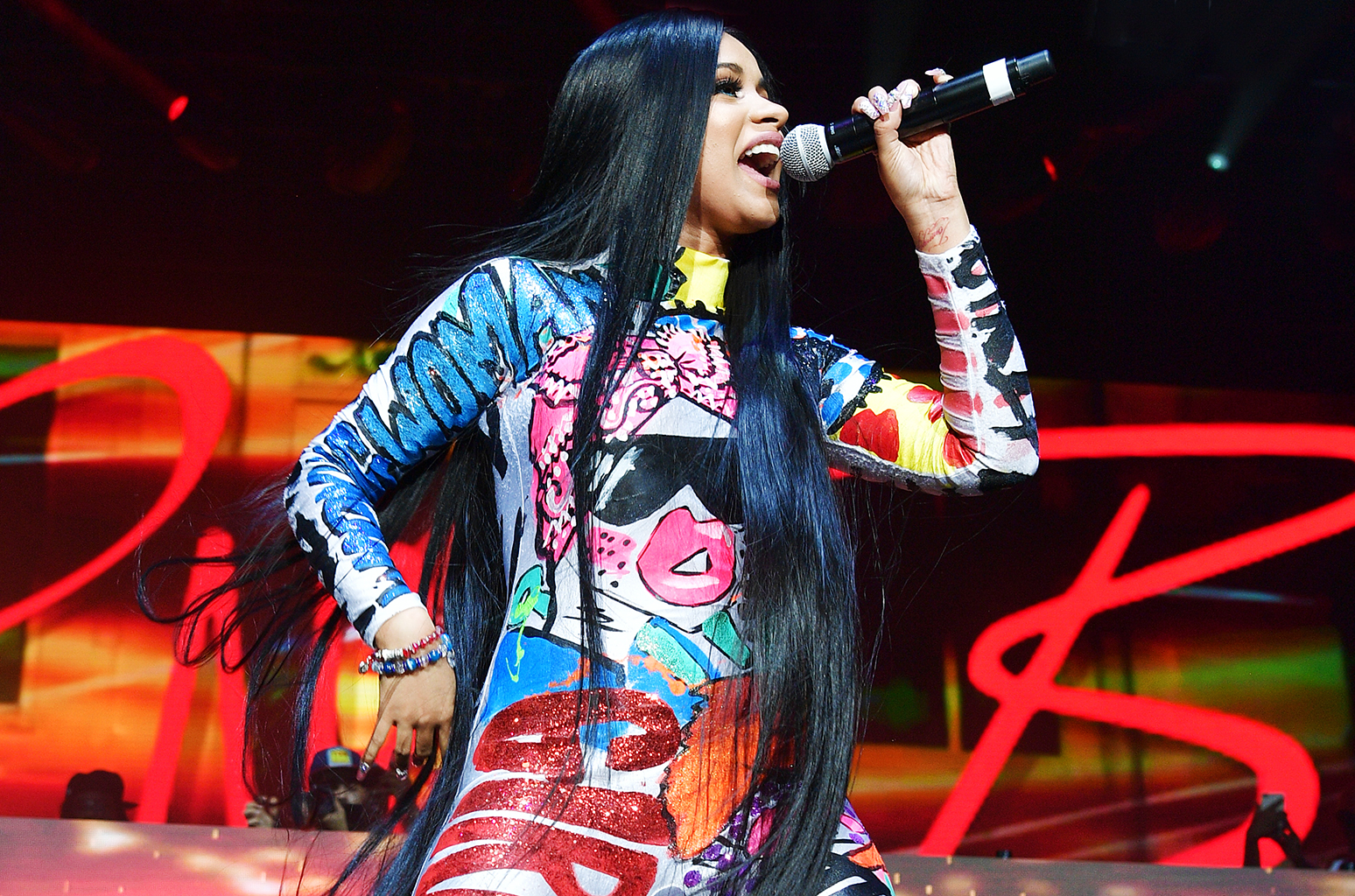
In 2015, Belcalis Almánzar—better known as Cardi B—transitioned from a popular social media personality and cast member of VH1's Love & Hip Hop: New York into a serious force in the music industry, laying the vital groundwork for her eventual coronation as a dominant figure in modern rap.
The year 2015 marked a pivotal inflection point in the career of Cardi B. Before releasing multi-platinum chart-toppers or breaking historic Billboard records, the future Grammy Award-winning artist was carving out a distinct space for herself in the public consciousness. Utilizing her charismatic social media presence, her unapologetic personality on reality television, and her raw, unfiltered approach to music, Cardi B transformed a burgeoning digital fanbase into a viable entry point into the competitive landscape of hip hop. This period defined her initial artistic evolution, establishing the foundational momentum that propelled her from a New York internet personality to an international superstar.
The Cultural Landscape of 2015 Hip Hop and Reality Television
To understand Cardi B's trajectory in 2015, it is essential to examine the intersection of social media influence, reality television, and the male-dominated hip hop industry of the mid-2010s. For decades, breaking into commercial rap required traditional avenues: securing a major label development deal, distributing physical mixtapes through street promoters, or securing coveted radio station spins. However, 2015 stood at the precipice of a digital revolution where platforms like Instagram and Vine began to democratize celebrity status.
Cardi B leveraged her already substantial Instagram following—built on candid comedic videos, motivational rants about independence, and unfiltered commentary on life in New York City—to capture a massive, loyal audience. Her authentic persona resonated deeply with fans who appreciated her lack of pretense. When she joined the cast of VH1's Love & Hip Hop: New York for its sixth season, which began airing in late 2015, she gained a national television platform. Rather than fading into the background as a novelty reality TV star, Cardi B used the show as a megaphone for her artistic ambitions, frequently vocalizing her determination to pursue a serious career in music and fashion rather than relying solely on television appearances.
Transitioning from Social Media to Music: The First Steps
The pivotal moment of Cardi B's 2015 musical journey involved stepping out of the booth of her viral videos and into professional recording environments. While she had previously released freestyles and informal tracks, late 2015 served as her official introduction to the collaborative ecosystem of New York hip hop.
Her formal entry into the recording space was marked by notable guest features and independent collaborations that showcased her raw potential. Most prominently, her appearance on the remix of Jamaican dancehall artist Shaggy’s single "Boom Boom" in late 2015 provided her with a wider platform to demonstrate her rapid-fire flow and distinct Bronx cadence. Additionally, she dropped her debut full-length independent mixtape, Gangsta Bitch Music, Vol. 1, though its recording sessions and promotional rollout heavily anchored her presence throughout late 2015 and early 2016. This mixtape served as a definitive declaration of intent, proving that her appeal extended far beyond 15-second Instagram clips.
Key Characteristics of Cardi B’s 2015 Artistic Persona
- Unfiltered Authenticity: Her lyrical content and public persona relied on a radical honesty regarding her past experiences, financial struggles, and personal independence.
- Signature Delivery: Defined by an aggressive, high-energy New York delivery, punctuated by distinct vocal tags and comedic timing.
- Digital-First Engagement: Pioneered an era where personal brand equity built on social media could be successfully monetized and converted into mainstream entertainment currency.
- Fashion and Aesthetics: Began utilizing high-fashion collaborations and striking aesthetic choices to command attention outside of purely musical mediums.
Major Milestones and Career Developments in 2015
| Milestone / Event | Context and Significance | Impact on Career Trajectory |
|---|---|---|
| Joining Love & Hip Hop: New York | Cast in Season 6 (premiering December 2015). | Provided national television exposure, introducing her personality to millions of viewers. |
| Instagram Growth and Virality | Amassed hundreds of thousands of new followers through comedic commentary and life advice. | Created a direct-to-consumer marketing channel that bypassed traditional gatekeepers. |
| Music Industry Networking | Began working with New York producers, DJs, and fellow independent artists. | Facilitated her transition from internet personality to recording artist. |
| Initial Feature Work | Collaborated on independent tracks and remixes, including work toward her debut mixtape. | Demonstrated her ability to maintain rhythm and lyrical presence on structured tracks. |
Overcoming Skepticism and Industry Barriers
Entering the rap game as a woman who rose to prominence via reality television and social media came with distinct professional hurdles. In 2015, industry traditionalists frequently dismissed internet personalities and reality stars attempting to transition into music as novelty acts incapable of sustaining a legitimate rap career. Cardi B faced widespread skepticism from critics who questioned her lyrical depth, technical training, and long-term viability in an industry that historically held female rappers to hyper-critical standards.
Rather than ignoring the criticism, Cardi B weaponized her underdog status. She leaned into her background, addressing the doubters directly through her music and social media channels. Her ability to articulate the economic realities of working-class survival in New York City gave her bars a gritty, relatable edge that resonated with listeners who saw their own struggles reflected in her journey. This resilience transformed a potential professional liability—her lack of a traditional industry pedigree—into her greatest competitive advantage.
The Foundation for Global Superstardom
The momentum generated throughout 2015 acted as the vital spring for the massive commercial breakthroughs that followed in subsequent years. By establishing a fiercely loyal fanbase, mastering the nuances of digital self-promotion, and proving her dedication to the craft of songwriting, Cardi B set the stage for her historic signing with Atlantic Records in 2017 and her chart-dominating single "Bodak Yellow."
Without the hustle, media training on reality television, and initial independent music releases of 2015, the cultural phenomena of her later multi-platinum albums and global accolades would not have been possible. The year 2015 was not merely a stepping stone; it was the crucible in which the Queen of Hip Hop forged her identity.
Frequently Asked Questions
How did Cardi B become famous in 2015?
Cardi B rose to fame in 2015 primarily through her viral Instagram videos, where she shared unfiltered comedic commentary and motivational thoughts, which subsequently led to her casting on VH1’s Love & Hip Hop: New York in the latter half of the year.
When did Cardi B release her first music?
While Cardi B began releasing informal freestyles and working on music projects throughout late 2015, her formal debut independent mixtape, Gangsta Bitch Music, Vol. 1, was officially released in early 2016, following the groundwork laid during the previous year.
What role did Love & Hip Hop play in her career?
The show provided Cardi B with a massive national television platform during a crucial transition period, allowing her to broadcast her musical aspirations, expand her fanbase beyond social media, and secure industry visibility.
Why was 2015 considered a turning point for female rap?
The mid-2010s marked a shift in how artists built audiences. Cardi B’s rise in 2015 demonstrated that social media independence could bypass traditional label development, paving the way for a new era of self-made hip hop stars.
Did Cardi B have a record deal in 2015?
No. During 2015, Cardi B operated as an independent personality and aspiring artist, relying on self-funding, social media monetization, and independent collaborations before signing her first major label deal with Atlantic Records in 2017.
Practical Next Steps for Researching Hip Hop History
If you are studying the evolution of modern hip hop and digital era superstardom, examine primary source materials from 2015 media archives, including early interviews, independent mixtapes released by New York artists during that era, and the cultural impact of social media algorithms on music marketing. Analyzing the shift from physical distribution to digital-first fan communities provides critical context for how modern rap icons build sustainable careers.