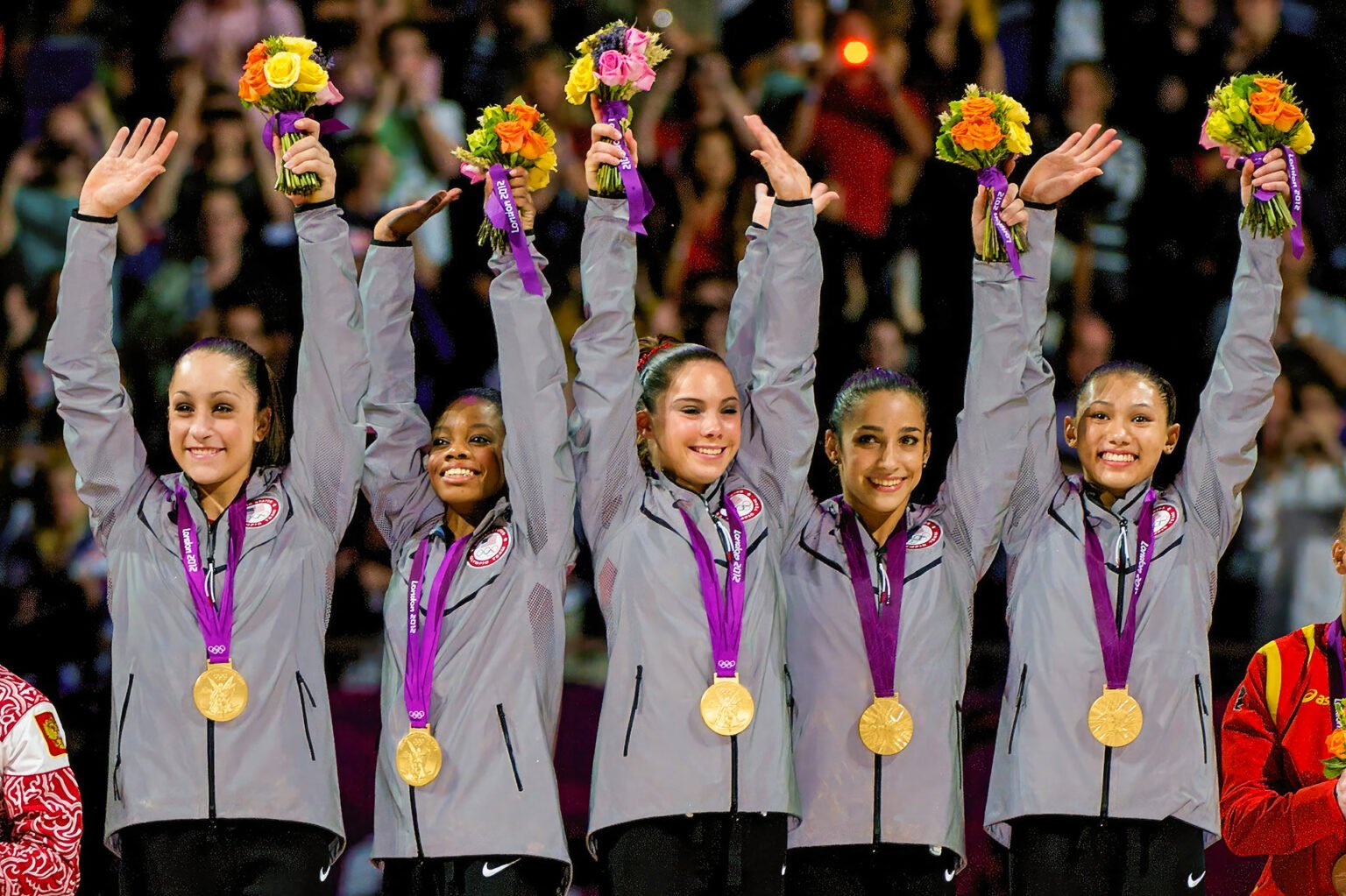
The 2016 United States Olympic women's gymnastics team, popularly dubbed the Final Five, secured their historic gold dominance in Rio de Janeiro by executing a series of technically flawless routines that completely overshadowed the global field. Their victory marked a monumental pinnacle in modern gymnastics history, characterized by unmatched depth, psychological resilience, and breathtaking difficulty scores.
Understanding the Genesis of the Final Five
To comprehend the sheer scale of the 2016 United States Olympic women's gymnastics team gold dominance, one must analyze the structural changes, intense selection processes, and cultural expectations surrounding the program leading into the Rio de Janeiro Olympic Games. Under the guidance of coordinators Martha and Béla Károlyi, the U.S. women’s gymnastics pipeline had evolved into a finely tuned, highly competitive system designed to unearth and refine generational talent.
The team that traveled to Rio de Janeiro consisted of Simone Biles, Gabby Douglas, Laurie Hernandez, Madison Kocian, and Alexandra Raisman. Each gymnast brought specialized strengths to the roster. This carefully curated blend of veteran leadership and explosive youth created an impenetrable lineup capable of maximizing the Code of Points. The team earned the moniker "Final Five" as a tribute to Martha Károlyi, who was retiring from her position as the national team coordinator following the conclusion of the 2016 Games, and in recognition of the upcoming transition from five-gymnast teams to four-gymnast teams for the 2020 Tokyo Olympic Games.
The pressure on this specific cohort was immense. Following the success of the "Fierce Five" at the 2012 London Olympic Games, public and media expectations demanded nothing less than absolute perfection. Every routine executed during the qualification rounds and the team final was scrutinized through the lens of historical legacy. Rather than buckling under this immense weight, the athletes channeled the pressure into a clinical, business-like execution that demoralized competing nations before the competition had even reached its halfway point.
Breakdown of the Team Final Dominance in Rio
The team final at the Rio Olympic Arena on August 9, 2016, showcased a masterclass in athletic preparation and execution. The format of the team competition required three athletes from each country to compete on each of the four apparatuses: vault, uneven bars, balance beam, and floor exercise, with all three scores counting toward the team total under the prevailing 3-up, 3-count format.
The United States began their campaign on the vault, an event where they held a distinct advantage due to difficulty values that outpaced every other nation. Simone Biles delivered a massive Amanar, earning a score that set the tone for the rotation. Supported by powerful vaults from Laurie Hernandez and Alexandra Raisman, the U.S. established an early lead that they would never relinquish.
| Apparatus | U.S. Scoring Highlights & Key Gymnasts | Strategic Advantage |
|---|---|---|
| Vault | Simone Biles, Laurie Hernandez, Alexandra Raisman | High D-scores (Difficulty) and superior flight execution |
| Uneven Bars | Madison Kocian, Gabby Douglas, Simone Biles | Clean lines, high release moves, and precise handstands |
| Balance Beam | Laurie Hernandez, Simone Biles, Alexandra Raisman | Mental poise, acrobatic series connection, and minimal wobbles |
| Floor Exercise | Laurie Hernandez, Alexandra Raisman, Simone Biles | Unrivaled tumbling power, artistic expression, and landing control |
As the rotation moved to the uneven bars, the U.S. squad faced one of their historically tighter events relative to nations like Russia and China. However, world uneven bars champion Madison Kocian delivered a stellar set, backed by clean execution from Gabby Douglas and Simone Biles. This performance effectively neutralized the perceived vulnerabilities of the American lineup, leaving opponents with virtually no statistical margin for error.
By the time the competition reached the balance beam and floor exercise, the U.S. lead had expanded into an insurmountable margin. Laurie Hernandez captivated the judges and audience with her poise and dynamic tumbling, while Alexandra Raisman provided veteran stability with high-amplitude passes and unwavering confidence. Anchor gymnast Simone Biles closed out the competition on floor exercise with her signature tumbling passes—the Biles and the Biles II—securing the gold medal with a final team score of 184.897, more than eight points ahead of the silver-medalist Russian team.
Comprehensive Overview of Full Highlights and Key Routines
Accessing and analyzing the full highlights of the 2016 Olympic women's gymnastics team performance provides a window into a historic era of athletic achievement. The broadcasts captured not only the physical triumphs but also the emotional weight of years of sacrifice.
Vault Rotations and Power Generation
The vault highlights from the 2016 team final remain a benchmark for modern women's gymnastics. Simone Biles's Amanar (a round-off entry onto the springboard, back handspring onto the vault table, and 2.5 twists in layout position) demonstrated textbook form, characterized by massive height, minimal deduction on landing, and an extraordinary execution score. Complementing Biles, Alexandra Raisman’s Cheng vault provided an explosive, dynamic opening that immediately put the international judging panel on notice.
Uneven Bars Precision
While the uneven bars are traditionally dominated by European and Asian specialists, the 2016 U.S. team featured world-class execution on this apparatus. Madison Kocian’s routine is frequently highlighted for its intricate connection values, flawless pirouettes, and textbook catches on high-to-low and low-to-high transition elements. Gabby Douglas, the 2012 individual all-around champion, contributed vital stability with her soaring release elements and elegant lines, reinforcing the team's all-around versatility.
Balance Beam Poise Under Pressure
The balance beam is widely considered the most volatile apparatus in gymnastics due to the narrow four-inch surface. The full highlights of the beam rotation demonstrate extraordinary mental fortitude. Laurie Hernandez, competing in her first Olympic Games at age 16, delivered a fearless routine highlighted by her confident leaps and secure acro series. Simone Biles followed with a powerhouse routine that, despite a slight wobble on a single element, maintained a high difficulty tariff that kept the U.S. score safely out of reach of chasing competitors.
Floor Exercise Showstoppers
The concluding rotation on the floor exercise was a celebratory victory lap executed at the highest competitive level. Alexandra Raisman’s routine combined emotional maturity, precise musical phrasing, and powerful tumbling, earning her a massive score and cementing her role as the emotional heart of the team. Simone Biles concluded the entire team event with her legendary floor routine, leaving the arena and global audiences in awe of her gravity-defying height and stuck landings.
Individual Successes Stemming from Team Dominance
The team gold medal served as a launching pad for unprecedented individual success during the remainder of the 2016 Rio Olympic Games. The cohesion of the team environment directly fueled the individual mental readiness required for the all-around and apparatus finals.
Simone Biles captured the individual all-around gold medal with a dominant margin, showcasing her consistency across all four events. She subsequently claimed the gold medal on the vault and the bronze medal on the balance beam, cementing her status as one of the greatest athletes in Olympic history. Alexandra Raisman secured the silver medal in the individual all-around competition, finishing immediately behind Biles in a historic one-two finish for the United States, and also earned a silver medal on the floor exercise.
Madison Kocian added an individual silver medal on the uneven bars to her credentials, validating the strategic emphasis placed on specialist apparatus training within the U.S. program. Laurie Hernandez captured the silver medal on the balance beam, displaying remarkable composure in a high-stakes individual final. Gabby Douglas, who had carried the burden of defending her 2012 all-around title throughout the quadrennium, placed fourth in the uneven bars final, contributing crucial leadership throughout the fortnight.
Technical Evolution and Scoring Context of the 2016 Quadrennium
The dominance of the 2016 team must be contextualized within the parameters of the Fédération Internationale de Gymnastique (FIG) Code of Points used during that Olympic cycle. The 2013–2016 Code placed a heavy emphasis on difficulty (D-score) accumulation combined with strict execution (E-score) deductions.
The U.S. coaching staff successfully engineered routines that maximized D-scores without sacrificing fundamental gymnastics technique. By pioneering and mastering high-value skills—such as Biles's complex tumbling passes and unique balance beam connections—the program created a mathematical buffer that other nations struggled to bridge. This strategic approach required rigorous physical conditioning, careful injury management, and advanced biomechanical analysis.
Furthermore, the physical demands placed on these athletes necessitated strict adherence to rehabilitation protocols. The training regimen overseen by Martha Károlyi at the Karolyi Ranch in Texas emphasized endurance, mental toughness, and absolute precision under fatigue. The full highlights of their routines in Rio are a direct byproduct of this grueling preparation, where every leap, twist, and dismount was rehearsed thousands of times before ever being performed on the Olympic stage.
Frequently Asked Questions
What was the official name of the 2016 U.S. Olympic women's gymnastics team?
The team was officially known as the United States women's gymnastics team for the 2016 Rio Olympic Games, but they became universally recognized by the cultural moniker "Final Five," reflecting the retirement of coordinator Martha Károlyi and the reduction of team sizes to four members for future Games.
Who were the five members of the 2016 gold-winning team?
The five members were Simone Biles, Gabby Douglas, Laurie Hernandez, Madison Kocian, and Alexandra Raisman. Each gymnast played a vital role across the four apparatuses during the team qualification and final rounds.
By what margin did the United States win the 2016 team gold medal?
The United States won the team gold medal with a total score of 184.897, finishing 8.209 points ahead of the silver-medal-winning Russian team, representing one of the largest margins of victory in modern Olympic gymnastics history.
How did the team success impact individual medal counts in Rio?
The team gold served as a springboard for extensive individual success, resulting in Simone Biles winning the all-around, vault, and floor golds (plus beam bronze), Alexandra Raisman winning all-around and floor silvers, Madison Kocian winning an uneven bars silver, and Laurie Hernandez winning a balance beam silver.
Where can viewers watch the full highlights of the 2016 team final?
Official full highlights, archived broadcasts, and event replays are regularly maintained by the International Olympic Committee through official digital channels, Olympic streaming platforms, and authorized Olympic broadcast partners.
Practical Next Actions and Viewing Guide
For sports historians, gymnastics enthusiasts, and casual fans seeking to fully appreciate the 2016 Olympic women's gymnastics team performance, taking a structured approach to viewing the archives yields the deepest insights.
- Locate Verified Archives: Access official Olympic streaming archives or the official International Olympic Committee YouTube channel to view unedited apparatus rotations rather than clipped highlight reels.
- Analyze D-Scores vs. E-Scores: Review the official judges' breakdown sheets for the team final to understand how difficulty scores separated the United States from international competitors.
- Study Individual Routines: Cross-reference the team performances with the individual all-around and apparatus finals to observe how consistency in the team final translated into individual medals.
- Examine Coaching Strategy: Research the historical training methods of the 2013–2016 quadrennium to understand the physical and tactical preparation required to achieve such a dominant margin of victory.