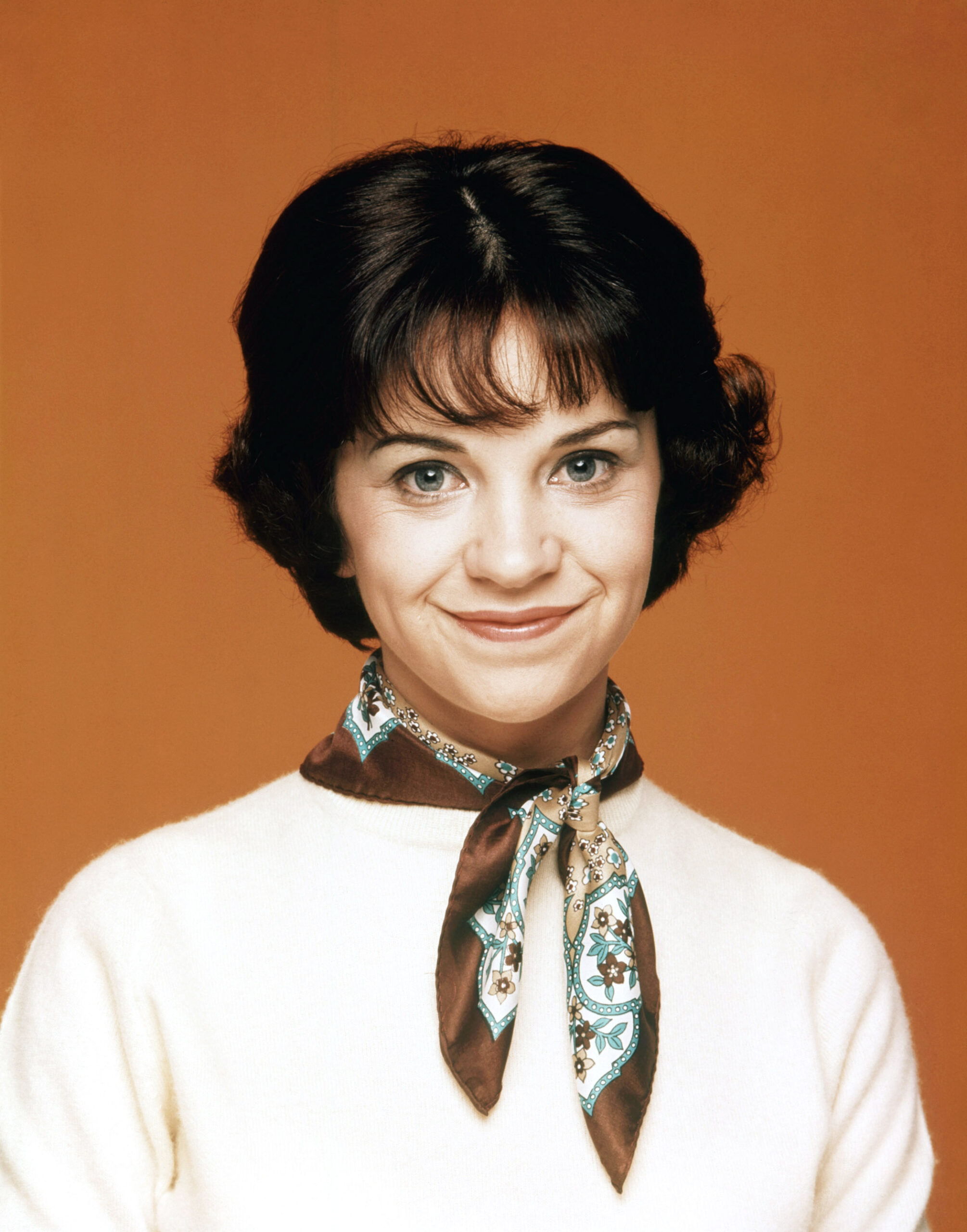
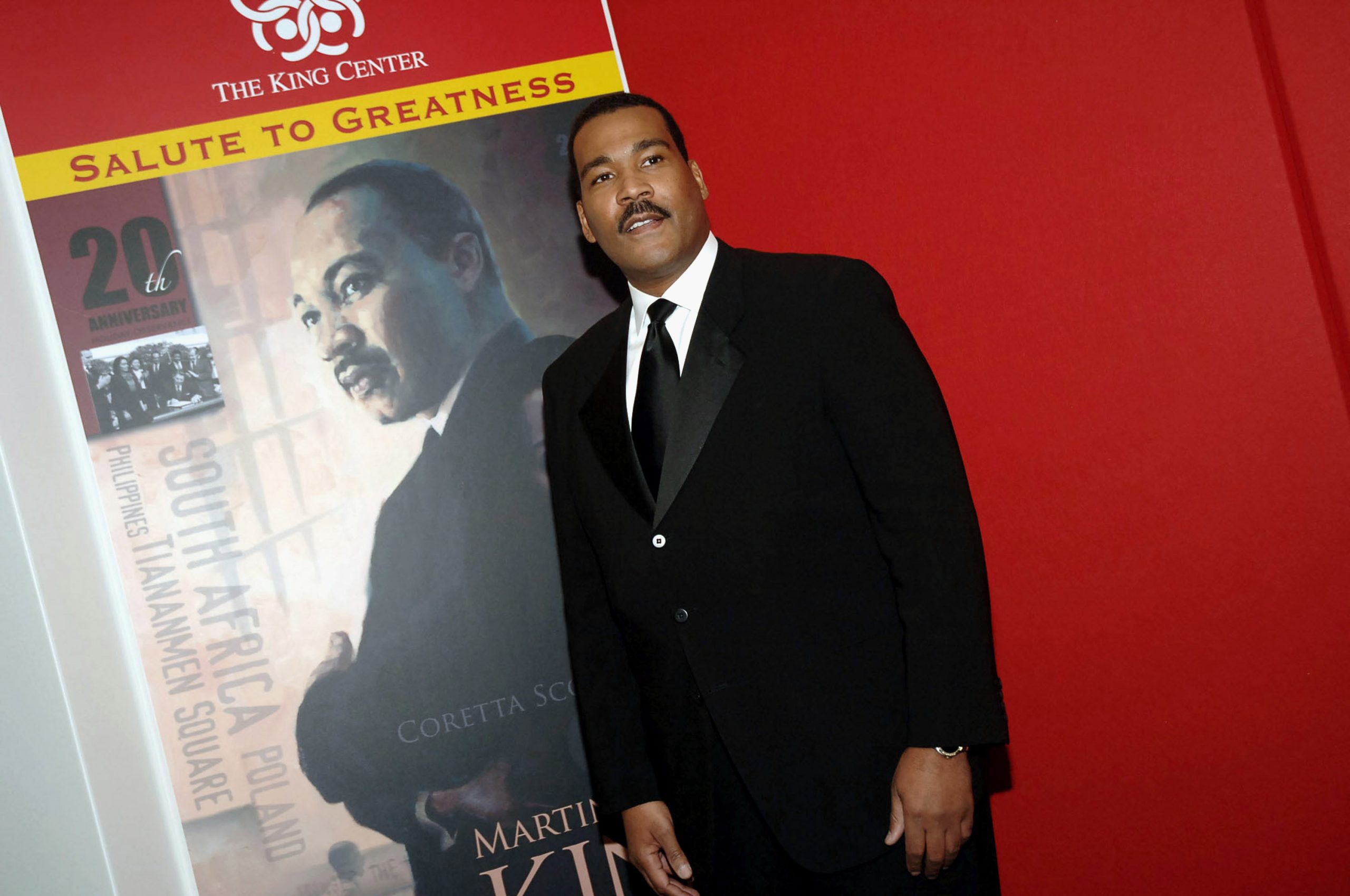
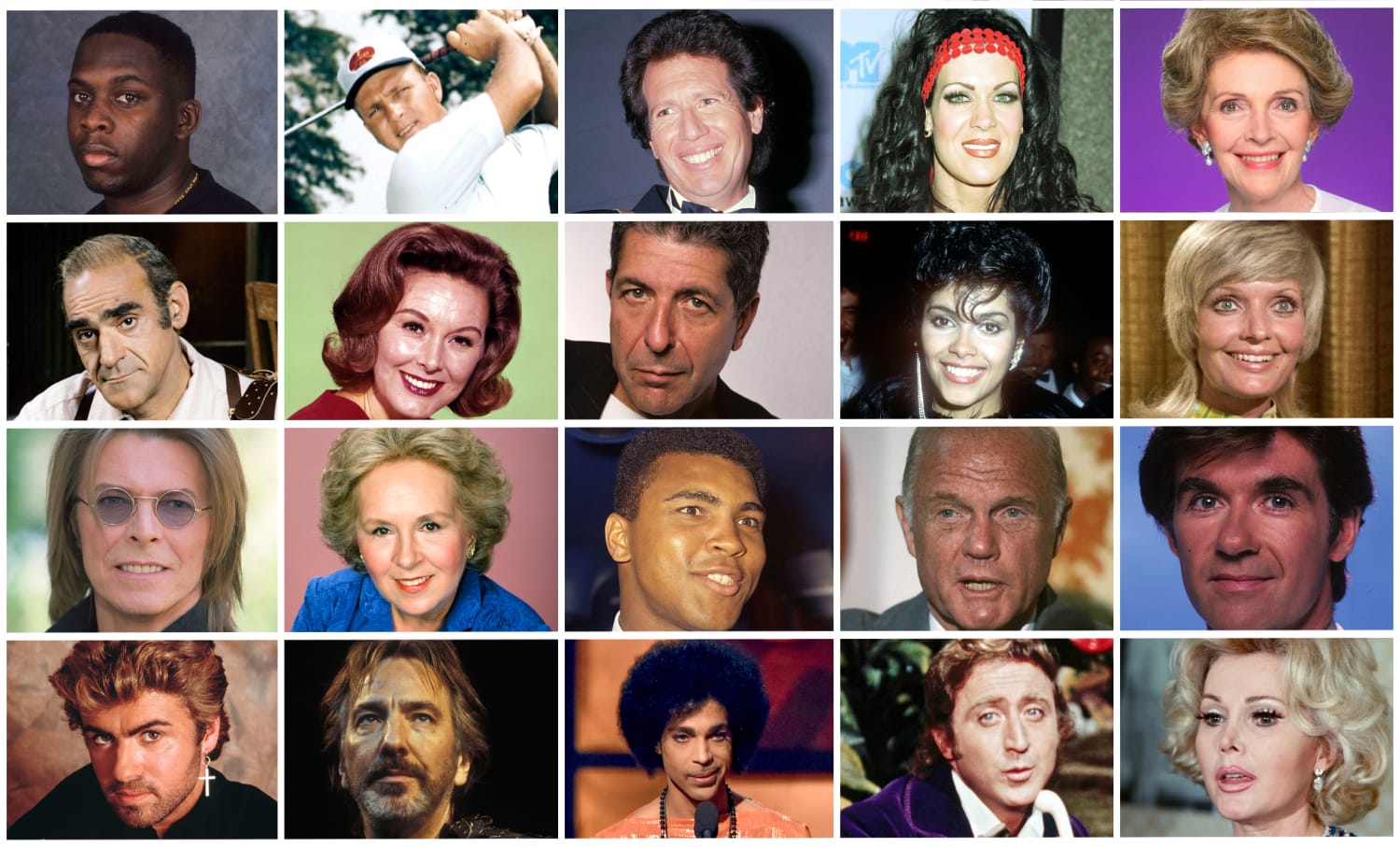
The year 2017 marked a profound period of transition in the world of entertainment, witnessing the departure of legendary figures who defined rock and roll, pioneered television feminism, and brought iconic characters to life on the silver screen. From the tragic losses of Chris Cornell and Chester Bennington to the passing of pioneers like Mary Tyler Moore and Chuck Berry, these individuals left behind legacies that continue to shape cultural discourse and artistic standards in 2026.
The Cultural Impact of 2017's Losses
When we look back from the vantage point of 2026, the year 2017 remains a watershed moment for the "changing of the guard" in Hollywood and the music industry. While 2016 was often cited for its high-profile shocks (such as David Bowie and Prince), 2017 felt like the closing of chapters for the architects of modern pop culture. This was the year the world lost the man who effectively invented the rock and roll guitar riff (Chuck Berry), the woman who changed the face of the independent working woman on television (Mary Tyler Moore), and the voice of a generation’s angst (Chris Cornell).
The impact was not merely emotional; it was structural. The deaths of several high-profile musicians under tragic circumstances sparked a renewed, decade-long conversation about mental health and substance abuse in the creative arts. Furthermore, the passing of figures like Hugh Hefner and Jerry Lewis prompted complicated re-evaluations of 20th-century legacies during a time of shifting social norms. Remembering the stars lost in 2017 requires more than a list of names; it requires an understanding of how their absence redirected the trajectory of their respective industries.
Musical Icons Who Defined Eras
The music industry in 2017 was rocked by the loss of several titans, ranging from the founding fathers of the genre to the leaders of the 1990s grunge and 2000s nu-metal movements.
Tom Petty: The Heartbeat of American Rock
Tom Petty passed away on October 2, 2017, at the age of 66, just one week after completing a massive 40th-anniversary tour with the Heartbreakers. His death was later ruled an accidental overdose resulting from a variety of medications, including fentanyl and oxycodone, which he was taking to manage a fractured hip.
Petty was often described as the "Everyman" of rock and roll. His ability to craft anthems like "Free Fallin’," "I Won’t Back Down," and "American Girl" gave him a permanent place on the radio and in the hearts of multiple generations. In 2026, Petty’s influence is seen in the resurgence of "heartland rock" sensibilities among modern singer-songwriters who prioritize songcraft and authenticity over digital sheen. His insistence on artistic integrity and his famous legal battles for the rights of artists remain a blueprint for musicians navigating the streaming-dominated landscape of the mid-2020s.
Chris Cornell and Chester Bennington: A Double Tragedy
The deaths of Chris Cornell (May 18, 2017) and Chester Bennington (July 20, 2017) are inextricably linked in the public consciousness. Cornell, the powerhouse vocalist of Soundgarden and Audioslave, died by suicide in a Detroit hotel room. Bennington, the lead singer of Linkin Park and a close friend of Cornell, died by suicide on what would have been Cornell’s 53rd birthday.
These losses hit the music community with unique ferocity. Cornell was viewed as one of the greatest voices in rock history, possessing a multi-octave range that could transition from a soulful croon to a primal scream. Bennington was the voice of a generation that grew up in the early 2000s, articulating themes of depression and isolation that resonated with millions. Their deaths catalyzed a massive shift in how the industry handles mental health, leading to the establishment of numerous support foundations that are still active in 2026.
The Architects: Chuck Berry and Fats Domino
In 2017, the very foundations of rock and roll were shaken by the deaths of Chuck Berry (March 18) and Fats Domino (October 24). Berry, who was 90, was the primary developer of the rhythm and blues sounds that became rock and roll. With "Johnny B. Goode" and "Maybellene," he established the guitar as the lead instrument of the genre.
Fats Domino, passing at 89, was a pioneer of the New Orleans rhythm and blues style. His piano-driven hits like "Ain’t That a Shame" and "Blueberry Hill" sold millions of copies long before the genre was fully commercialized. Without these two men, the landscape of modern music—from the Beatles to the hip-hop of the 2020s—would look fundamentally different. They didn't just play music; they invented the language that the rest of the world would use for the next seventy years.
Legends of the Silver Screen and Television
While the music world mourned its rockers, the film and television industries lost figures who had spent decades as household names, shaping the medium of the moving image.
Mary Tyler Moore: The Woman Who Could Turn the World on With Her Smile
Mary Tyler Moore died on January 25, 2017, at the age of 80. While she first rose to fame on The Dick Van Dyke Show, it was The Mary Tyler Moore Show in the 1970s that cemented her as a cultural icon. Her portrayal of Mary Richards—a single, professional woman who was not defined by her relationship to a man—was revolutionary for its time.
Moore’s legacy in 2026 is viewed through the lens of feminist history. She didn't just play a character; she ran a production company (MTM Enterprises) that produced some of the most critically acclaimed television of the 20th century, including The Bob Newhart Show and Hill Street Blues. Her influence persists in every modern sitcom that features a career-driven female lead.
Bill Paxton: The Ultimate Character Actor
The death of Bill Paxton on February 25, 2017, following complications from heart surgery, was a shock to fans and colleagues alike. Paxton was unique in his ability to appear in massive blockbusters like Aliens, Twister, and Titanic, while also delivering nuanced, award-winning performances in prestige television like Big Love.
Paxton held a unique record in Hollywood: he was the only actor to be killed by a Terminator, an Alien, and a Predator. However, beyond the trivia, he was a beloved figure known for his infectious energy and versatility. In 2026, he is remembered as the quintessential "actor's actor"—someone who could elevate any material he was given, regardless of the genre.
Sir Roger Moore and Adam West: The Icons of Heroism
Two very different versions of the "hero" were lost in 2017. Sir Roger Moore (May 23), the longest-serving James Bond, brought a suave, lighthearted touch to 007 that defined the character for the 1970s and 80s. Adam West (June 9), the star of the 1960s Batman television series, provided a campy, "bright knight" interpretation of the Caped Crusader that remains a cult favorite.
As we look back, West's death marked the end of an era of "sincere camp" in superhero media. Conversely, Roger Moore’s passing invited a retrospective on the evolution of the Bond franchise, highlighting how his tenure kept the series alive during a period of significant cultural shift.
| Name | Primary Field | Notable Work | Date of Passing |
|---|---|---|---|
| Mary Tyler Moore | Television | The Mary Tyler Moore Show | Jan 25, 2017 |
| Bill Paxton | Film | Twister, Aliens | Feb 25, 2017 |
| Chuck Berry | Music | "Johnny B. Goode" | Mar 18, 2017 |
| Chris Cornell | Music | Soundgarden, Audioslave | May 18, 2017 |
| Roger Moore | Film | James Bond (007) | May 23, 2017 |
| Adam West | Television | Batman (1966) | Jun 9, 2017 |
| Chester Bennington | Music | Linkin Park | Jul 20, 2017 |
| Jerry Lewis | Comedy/Film | The Nutty Professor | Aug 20, 2017 |
| Hugh Hefner | Media | Playboy Magazine | Sep 27, 2017 |
| Tom Petty | Music | Tom Petty and the Heartbreakers | Oct 2, 2017 |
| Fats Domino | Music | "Blueberry Hill" | Oct 24, 2017 |
| David Cassidy | Music/TV | The Partridge Family | Nov 21, 2017 |
Influential Figures in Media and Comedy
The year 2017 also saw the passing of individuals who built empires and redefined the boundaries of comedy and publishing.
Hugh Hefner: The Architect of the Sexual Revolution
Hugh Hefner died on September 27, 2017, at the age of 91. As the founder of Playboy, Hefner was a polarizing figure whose impact on American culture cannot be overstated. He was instrumental in bringing the conversation about sex into the mainstream and was a staunch defender of the First Amendment. However, in the years since his death, particularly as we evaluate his legacy in 2026, his history has been scrutinized through a more critical lens, balancing his civil rights advocacy against the darker realities of the "Playboy" lifestyle.
Jerry Lewis: The King of Comedy
Jerry Lewis passed away on August 20, 2017, at 91. A giant of physical comedy, Lewis's partnership with Dean Martin in the 1950s was a cultural phenomenon. As a solo artist, he became a filmmaker whose techniques (such as the use of video assist) are still industry standards today. His annual Labor Day telethon for the Muscular Dystrophy Association raised over $2 billion during his lifetime, marking a philanthropic legacy as massive as his comedic one.
Don Rickles: The Master of the Insult
Known as "Mr. Warmth," Don Rickles died on April 6, 2017, at 90. Rickles was the definitive insult comic, a man who could roast the biggest stars in the world and make them love him for it. His passing felt like the end of the "Rat Pack" era of Las Vegas entertainment, where sharp-tongued wit and high-energy performance were the gold standard.
Mental Health and the Music Industry: A Lasting Conversation
One of the most significant "troubleshooting" legacies of 2017 is the industry-wide focus on the mental health of touring musicians. The loss of Cornell and Bennington within months of each other forced a reckoning with the grueling nature of the music business.
In the years following 2017, organizations such as MusiCares and the Hi, How Are You Project saw increased funding and visibility. By 2026, it has become standard practice for major labels and touring agencies to provide mental health resources as part of their contracts. The "rock star" lifestyle, once romanticized for its excess and volatility, is now more frequently discussed in terms of sustainability and wellness. This shift is a direct, if painful, result of the events of 2017.
Evaluating the Legacy from 2026
From the perspective of 2026, the celebrities lost in 2017 are not just historical footnotes; they are the pillars upon which much of our current entertainment is built. When we watch a modern television show featuring a complex female protagonist, we see the DNA of Mary Tyler Moore. When we hear a guitar solo that blends blues with high-energy rhythm, we are hearing the echo of Chuck Berry.
The "lost stars" of 2017 were, in many ways, the last of the "monoculture" icons—people who were known and celebrated by nearly everyone before the fragmentation of the digital age. Their deaths reminded the world of the power of a shared cultural experience.
Common Questions About 2017 Celebrity Deaths
Who was the most famous person to die in 2017? While "most famous" is subjective, Tom Petty, Mary Tyler Moore, and Hugh Hefner are frequently cited as the most culturally significant losses due to their long-term impact on music, television, and social norms, respectively.
Why did so many musicians die in 2017? While the number of deaths wasn't statistically anomalous compared to other years, the high profile of figures like Tom Petty, Chris Cornell, and Chester Bennington made it feel particularly devastating. Their deaths also highlighted a spike in opioid-related incidents and mental health crises within the industry during that period.
How did Tom Petty die? Tom Petty died of an accidental drug overdose. His family released a statement clarifying that he was suffering from many serious ailments, including emphysema and a fractured hip, and the combination of medications he was taking to perform his final tour led to his accidental death.
Is there a memorial for the celebrities lost in 2017? Most of these stars have individual memorials or foundations established in their names. For example, the Chris and Vicky Cornell Foundation supports children facing homelessness and abuse, while the Mary Tyler Moore Vision Initiative works toward a cure for diabetic blindness.
How is the death of Hugh Hefner viewed today in 2026? In 2026, Hefner’s legacy is viewed with significant nuance. While he is credited with pushing for free speech and social progress in the 1950s and 60s, recent documentaries and memoirs have cast a critical light on the power dynamics within the Playboy Mansion, leading to a more balanced and often critical historical assessment.
Final Thoughts on the Class of 2017
Remembering the stars we lost in 2017 is a reminder of the ephemeral nature of fame and the enduring power of art. As we move further into the 2020s, the work of these individuals serves as both a foundation and a challenge for new creators. The best way to honor their memory is to continue engaging with the music, films, and ideas they left behind. Whether it’s revisiting a Soundgarden album, watching a classic Batman episode, or appreciating the comedic timing of Jerry Lewis, their contributions remain a vital part of the global cultural fabric in 2026.