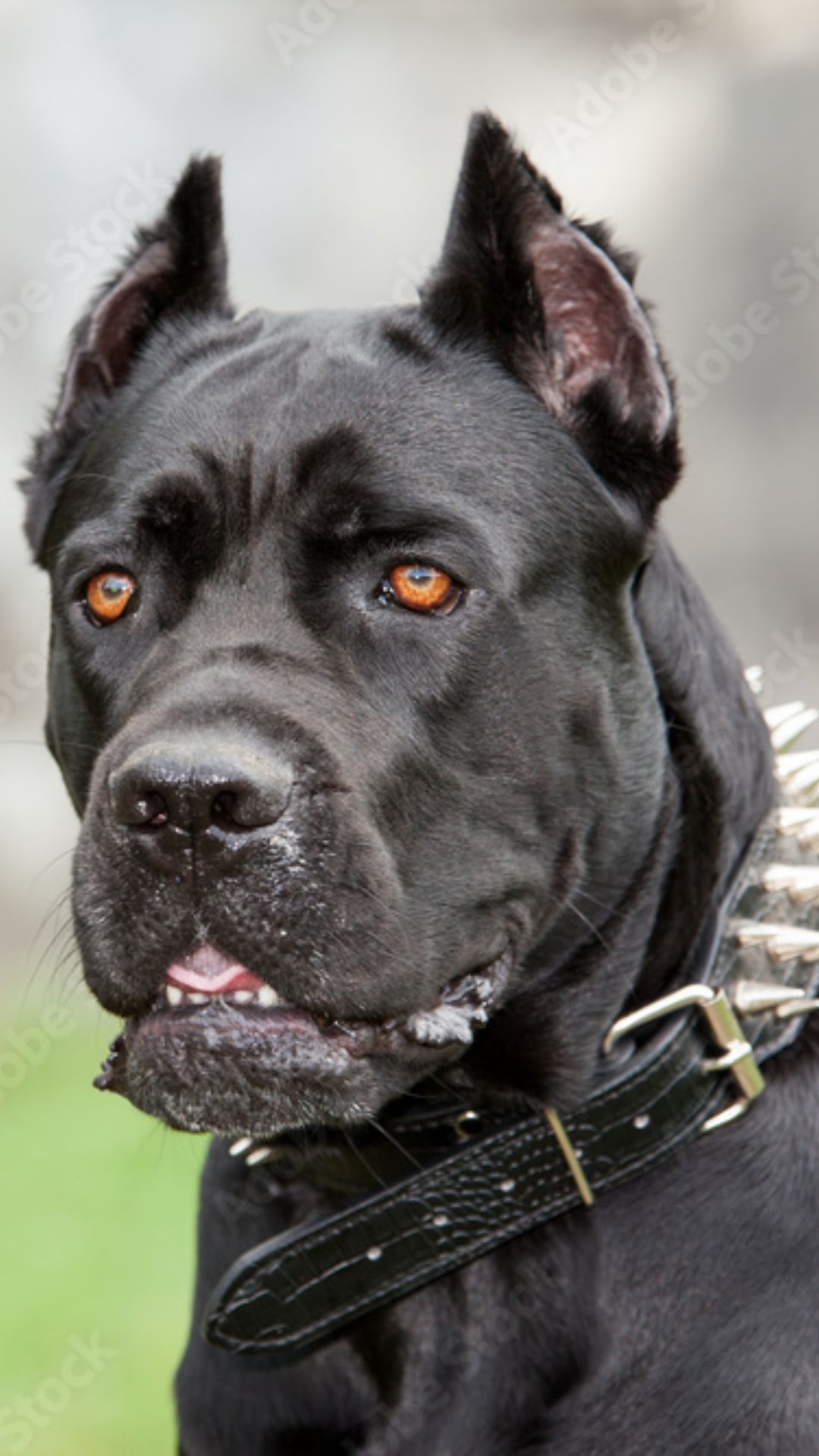
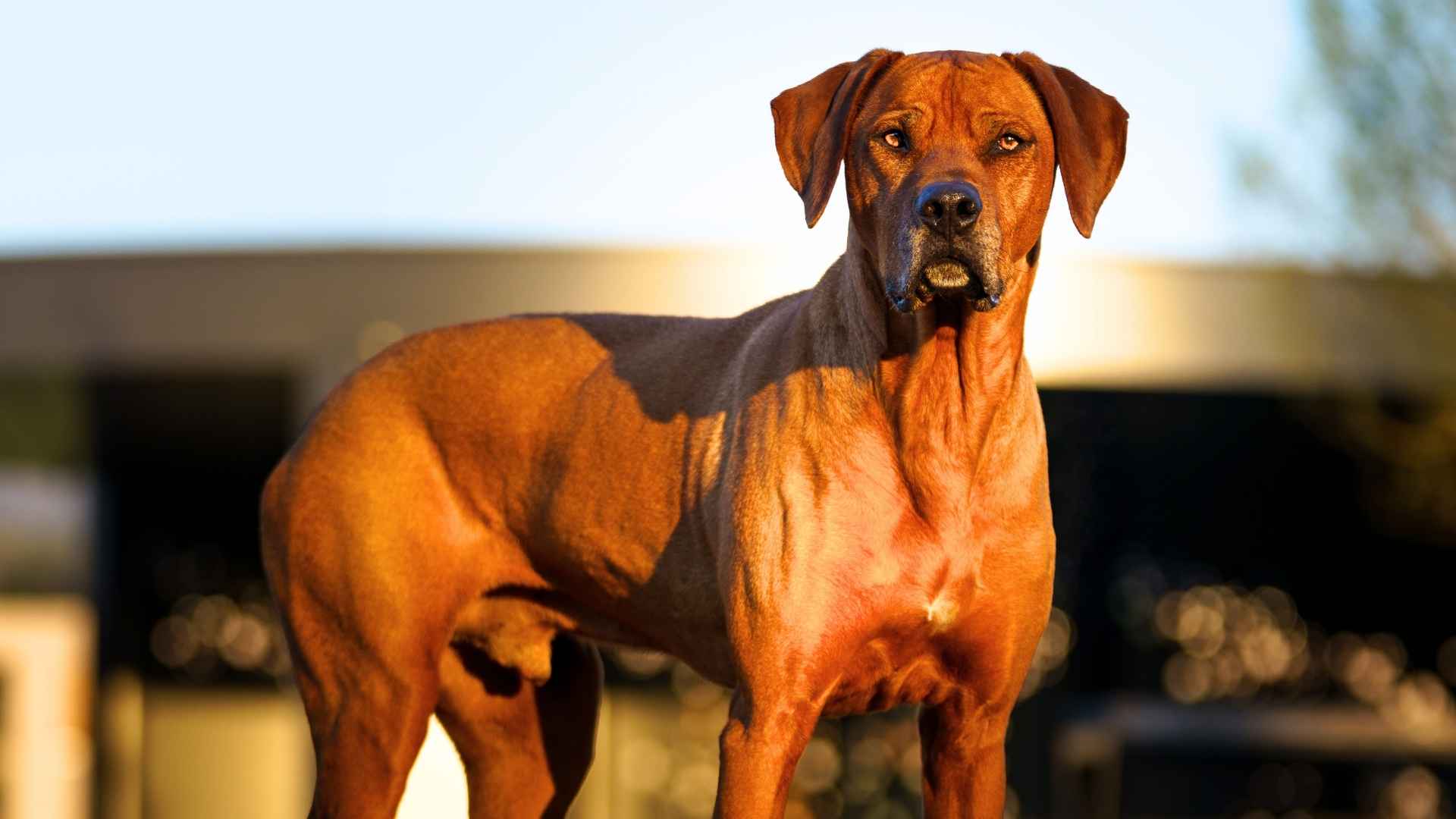
The three dog breeds most frequently associated with severe injuries and fatalities are the Pit Bull, Rottweiler, and German Shepherd. While individual behavior depends heavily on socialization and training, these breeds possess the physical strength and historical guarding or baiting instincts that necessitate advanced handling, secure containment, and proactive safety measures.
Determining which dog breeds are the "most dangerous" is a complex task that involves analyzing decades of bite statistics, hospital admission records, and actuarial data from the insurance industry. In 2026, experts continue to emphasize that "danger" is a combination of a dog’s physical capacity to inflict damage and its propensity to react aggressively under stress. While any dog can bite, certain breeds are statistically overrepresented in severe and fatal attacks due to their size, bite force, and selective breeding history.
This guide provides a detailed analysis of the three breeds most often categorized as high-risk, alongside a comprehensive safety framework for owners and the general public. By understanding the facts behind these statistics, stakeholders can move beyond stigma to implement evidence-based safety protocols.
1. The Pit Bull: Analyzing the Statistics and History
The term "Pit Bull" is often used as a catch-all category for several breeds, including the American Pit Bull Terrier, American Staffordshire Terrier, and Staffordshire Bull Terrier. Historically, these dogs were bred for "bull-baiting" and later for dogfighting. This lineage has contributed to a unique combination of physical traits: powerful jaw muscles, a high pain tolerance, and a "gameness" that leads them to continue an engagement even when injured.
Data from organizations such as DogsBite.org and historical reports from the Centers for Disease Control and Prevention (CDC) consistently place Pit Bull-type dogs at the top of fatality lists. Critics of these statistics argue that breed misidentification is common; however, the medical reality remains that Pit Bull attacks often result in "mauling" injuries—characterized by deep tissue loss and bone fractures—rather than simple "snap-and-release" bites.
Owners of Pit Bull-type dogs in 2026 must be aware of the "prey drive" inherent in the breed. This instinct can be triggered by small animals or even the high-pitched screams of children. Responsible ownership involves rigorous socialization during the puppy stage (3 to 16 weeks) to ensure the dog distinguishes between normal environmental stimuli and actual threats. Furthermore, the use of high-quality, break-resistant harnesses and heavy-duty fencing is considered a standard safety requirement for this breed group.
2. The Rottweiler: Strength and Guarding Instincts
The Rottweiler is a powerful working breed originally developed to herd livestock and pull carts for butchers. Because of their history as protectors, they possess an innate territorial instinct. While they are often described as loyal "gentle giants" within their own families, they can be intensely suspicious of strangers. This protective nature, if not managed, can escalate into aggression if the dog perceives a threat to its "pack" or territory.
Rottweilers consistently rank as the second most dangerous breed in terms of fatal attacks. Their danger stems primarily from their massive size and one of the highest bite forces in the canine world, measured at approximately 328 PSI (pounds per square inch). Unlike the "shake and tear" method often seen in Pit Bulls, a Rottweiler’s bite is often a crushing force that can cause internal organ damage and shattered limbs.
To manage a Rottweiler safely, owners must establish themselves as confident, consistent leaders. This breed does not respond well to harsh, punitive training, which can actually trigger defensive aggression. Instead, they require structured, positive-reinforcement-based obedience training. In 2026, veterinary behaviorists recommend that Rottweilers be socialized not just with people, but with a wide variety of environments to reduce "neophobia"—the fear of new things—which is a primary driver of aggression in the breed.
3. The German Shepherd: High Intelligence and Reactive Potential
The German Shepherd Dog (GSD) is a staple of police and military K9 units worldwide, valued for its intelligence, agility, and "trainability." However, the same traits that make them excellent working dogs—high energy, guarding instincts, and a tendency to be "mouthy"—can make them dangerous in a domestic setting if they are under-stimulated or poorly handled.
German Shepherds are frequently cited in non-fatal bite statistics and emergency room visits. Their aggression is often categorized as "reactive" or "fear-based." Because they are highly sensitive to their environment, a GSD may interpret a jogger running past or a child’s sudden movement as a threat. Their bite force is significant (around 238 PSI), and they are known for a "multiple bite" attack style, where they may bite several times in rapid succession.
Safety with a German Shepherd hinges on mental stimulation and physical exercise. A bored German Shepherd is a destructive and potentially dangerous one. They require a "job" to do, whether that is advanced obedience, agility training, or nose work. Prospective owners should also research bloodlines carefully; "working lines" often have higher drive and intensity compared to "show lines," making them less suitable for inexperienced families.
Comparative Breed Risk and Physical Specifications
The following table compares the physical and risk-related attributes of the three breeds discussed. Data is based on standard breed averages and historical safety reporting.
| Breed | Average Weight (lbs) | Bite Force (PSI) | Primary Origin | Common Risk Trigger |
|---|---|---|---|---|
| Pit Bull Type | 30 - 65 | 235 | Bull-baiting / Fighting | High prey drive / Gameness |
| Rottweiler | 80 - 135 | 328 | Droving / Guarding | Territorial protection |
| German Shepherd | 50 - 90 | 238 | Herding / Police work | Fear / Over-reactivity |
Safety Guide: Preventing Dog Bites and Attacks
Regardless of the breed, preventing dangerous encounters requires a two-pronged approach: responsible ownership and public awareness. By 2026, most municipalities have moved toward "Deed, Not Breed" legislation, which focuses on the behavior of individual dogs and the responsibility of their owners.
For Owners: Professional Training and Management
The single most effective way to mitigate the risk of a dangerous dog is professional training. Owners should seek out trainers certified by the Association of Professional Dog Trainers (APDT).
- Strict Containment: High-risk breeds should be kept in yards with fencing at least six feet high, preferably with "coyote rollers" or inward-leaning toppers to prevent jumping over. Self-closing and locking gates are essential.
- Muzzle Training: In 2026, "basket muzzles" are increasingly recognized as a responsible tool rather than a sign of a "bad" dog. Training a dog to be comfortable in a muzzle allows for safe veterinary visits and walks in crowded areas.
- Spaying and Neutering: Statistics show that intact males are significantly more likely to be involved in biting incidents. Neutering can reduce roaming behaviors and some forms of male-to-male aggression.
For the Public: Recognizing Warning Signs
Most dog bites are preceded by "warning shots" from the animal’s body language. Understanding these signs can prevent a tragedy.
- The "Freeze": A dog that suddenly becomes stiff and still is often seconds away from a bite.
- Whale Eye: When a dog shows the whites of its eyes, it is usually feeling threatened or anxious.
- Lip Licking and Yawning: In a non-tired context, these are "displacement behaviors" indicating high stress.
- Tail Position: A wagging tail does not always mean a happy dog. A stiff, fast-wagging tail held high can indicate extreme arousal and impending aggression.
Legal and Insurance Implications in 2026
The legal landscape for owning high-risk breeds has become more complex. Many homeowners' insurance providers maintain "prohibited breed" lists. If an owner fails to disclose the presence of a Pit Bull or Rottweiler, they may face a total denial of coverage in the event of an attack.
Furthermore, "Strict Liability" laws in many jurisdictions mean that owners are held financially and often criminally responsible for any damage their dog causes, regardless of whether the dog had shown previous signs of aggression (the "one-bite rule" has been phased out in most regions). It is highly recommended that owners of these breeds carry a personal liability umbrella policy with a minimum of $1,000,000 in coverage.
Frequently Asked Questions
Are Pit Bulls "Nanny Dogs"?
The "nanny dog" claim is a persistent myth with no historical evidence. While many individual Pit Bulls are excellent with children, no dog should be left unsupervised with a child. The breed was historically developed for fighting and baiting, and they require the same—if not more—safety precautions as any other powerful breed.
Can training eliminate the risk of a dangerous breed?
Training significantly reduces risk but cannot "cure" genetics. A dog’s instinct to protect or its prey drive is part of its DNA. Training provides a "braking system" for those instincts, but management (leashes, fences, supervision) remains the primary safety net.
Why are German Shepherds used by police if they are dangerous?
German Shepherds are used because they are highly "bidable," meaning they take direction well and have a high "fight drive." In a controlled environment with a professional handler, these traits are assets. In a domestic environment with an unskilled owner, these same traits can lead to unintended aggression.
Does bite force really matter?
Yes. While a small dog like a Chihuahua might bite more frequently, the "danger" of a breed is measured by the severity of the outcome. A Rottweiler’s bite force of 328 PSI can crush bones and sever arteries, whereas a smaller breed lacks the physical mechanics to cause fatal trauma to an adult human.
Is breed-specific legislation (BSL) effective?
The effectiveness of BSL (banning specific breeds) is a subject of heavy debate. Organizations like the American Veterinary Medical Association (AVMA) argue that breed-neutral laws focusing on owner responsibility are more effective. However, many cities still enforce bans or restrictions on Pit Bulls due to their disproportionate representation in fatality statistics.
Practical Recommendations for Prospective Owners
Before adopting or purchasing one of these breeds in 2026, perform a "Lifestyle Audit." Do you have the physical strength to restrain a 100-pound animal? Do you have the financial resources for professional training and specialized insurance? If you have young children or frequent visitors, consider whether you can realistically manage a dog with high guarding instincts. For those who are prepared, these breeds offer unmatched loyalty and utility, but they require a level of commitment and vigilance that far exceeds that of the average pet.