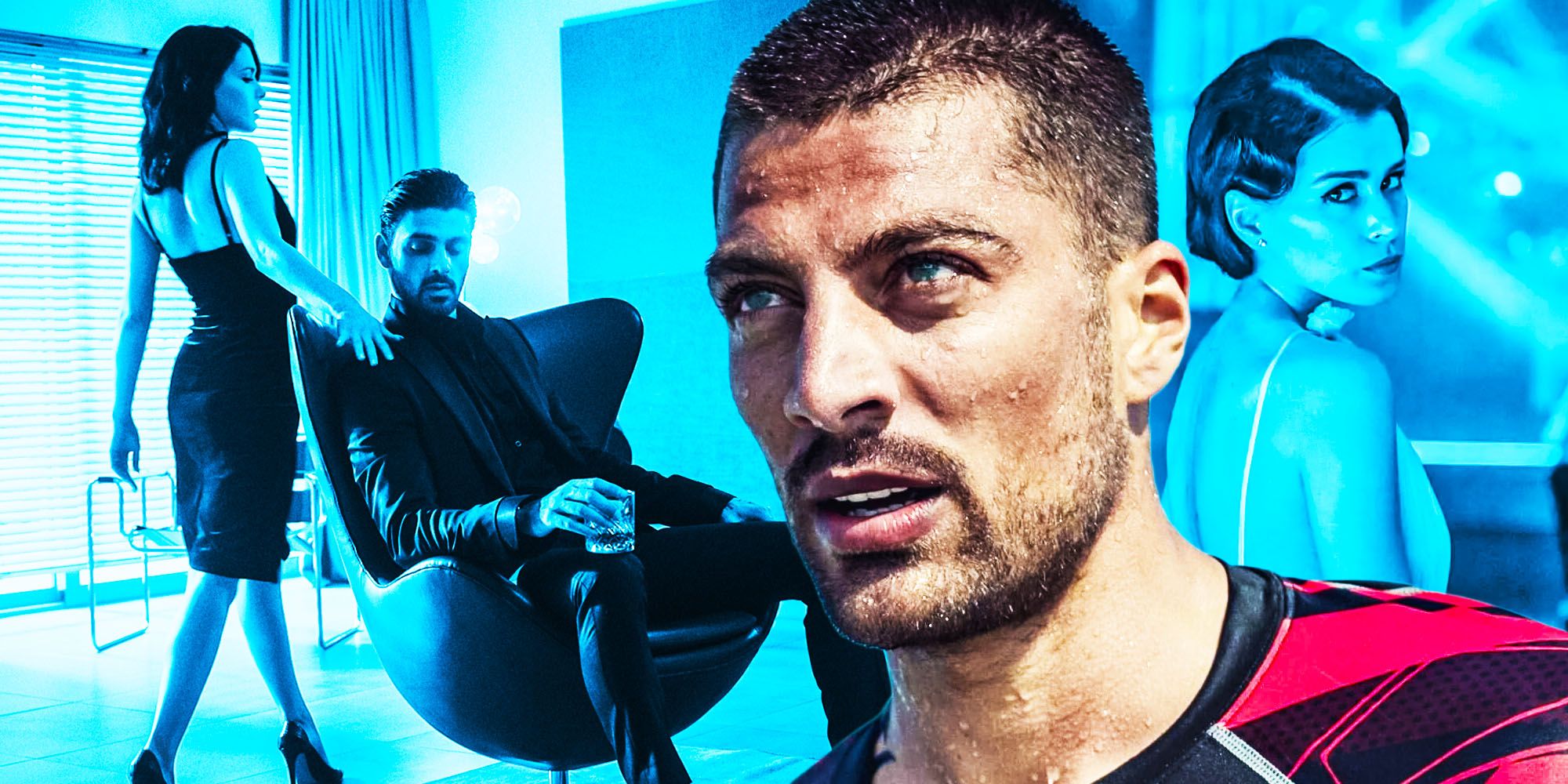
365 Days (Polish: 365 Dni) is a high-profile media franchise consisting of a trilogy of erotic thriller novels by Blanka Lipińska and their subsequent film adaptations on Netflix. The story follows Laura Biel, a young woman who is kidnapped by Don Massimo Torricelli, a Sicilian mafia leader who gives her one year—365 days—to fall in love with him.
The "365 Days" phenomenon represents a significant moment in early 2020s pop culture, marking the transition of the "erotic thriller" genre from niche literary circles to mainstream global streaming dominance. While the franchise reached its cinematic conclusion with the third film release in 2022, its influence on the streaming landscape, the careers of its lead actors, and the discourse surrounding romantic tropes remains a subject of intense study and interest in 2026. To understand the impact of this series, one must look at its literary roots, the technical execution of its film adaptations, and the polarizing reception it received from audiences and critics alike.
The Literary Origins: Blanka Lipińska’s Trilogy
Before it was a global streaming sensation, 365 Days began as a series of novels by Polish author Blanka Lipińska. Often referred to as the "Polish Fifty Shades of Grey," the trilogy was born out of Lipińska’s desire to explore female desire and power dynamics within a heightened, fictionalized Sicilian setting.
The Three Pillars of the Story
The trilogy is comprised of three distinct volumes, each escalating the stakes of the relationship between Laura and Massimo:
- 365 Dni (2018): The introductory novel establishes the premise. Laura Biel, on a trip to Sicily to save her failing relationship, is abducted by Massimo Torricelli. The narrative focuses on the power struggle between them, Massimo’s dark past, and the eventual development of Laura’s feelings under extreme circumstances.
- Ten Dzień (This Day, 2018): The sequel picks up immediately after the cliffhanger of the first book. It explores the complexities of Laura’s new life as the wife of a mafia boss, introducing new antagonists and a rival family that threatens her safety. This volume shifts the focus from the initial abduction to the dangers of the organized crime lifestyle.
- Kolejne 365 Dni (The Next 365 Days, 2019): The final installment deals with the aftermath of a near-fatal incident involving Laura. It introduces a significant love triangle and forces Laura to choose between the life she has built with Massimo and a potential future with a rival, Nacho.
Lipińska’s writing style is characterized by its directness and focus on sensory experiences. In Poland, the books were monumental successes, staying on bestseller lists for years and paving the way for a new wave of adult-oriented romance literature in Eastern Europe.
The Netflix Global Explosion
The transition from a Polish literary hit to an international household name happened almost overnight in June 2020. When the first film adaptation arrived on Netflix, it benefited from a "perfect storm" of global circumstances, including widespread lockdowns that led to a massive increase in streaming consumption.
Breaking Records
The first film, 365 Days, quickly became one of the most-watched titles in Netflix history. It held the number one spot in over 90 countries for several weeks. Unlike traditional Hollywood blockbusters that rely on massive marketing budgets, the franchise grew through organic social media virality, particularly on platforms like TikTok and Instagram, where the chemistry between lead actors Michele Morrone and Anna-Maria Sieklucka became the focal point of fan engagement.
The Visual Aesthetic
One of the defining features of the film adaptations is their high production value. Directors Barbara Białowąs and Tomasz Mandes leaned heavily into a "music video" aesthetic. The films are known for:
- Cinematography: Sweeping aerial shots of the Sicilian coastline and luxurious interiors.
- Soundtrack: A heavy reliance on contemporary pop and R&B, much of it performed by Michele Morrone himself, which helped propel his musical career alongside his acting.
- Fashion: Meticulously curated wardrobes that emphasized the wealth and status of the Torricelli family.
Character Analysis: Laura and Massimo
The core of the "365 Days" franchise is the volatile relationship between its two protagonists. Understanding these characters is essential to understanding why the series resonated so deeply with its core demographic.
Don Massimo Torricelli (Michele Morrone)
Massimo is the quintessential "dark romance" hero. He is portrayed as a man burdened by the violent legacy of his father, possessing immense power but lacking emotional connection until he encounters Laura. In 2026, Michele Morrone’s portrayal remains the definitive version of the character, largely due to his physical presence and the brooding intensity he brought to the role.
Laura Biel (Anna-Maria Sieklucka)
Laura’s character arc is more controversial. She begins as a high-achieving executive who feels unfulfilled in her personal life. Throughout the trilogy, she transforms from a victim of circumstance into a woman who navigates the complexities of the mafia world. Critics often debate her agency, but Lipińska has consistently argued that Laura represents a woman taking ownership of her own desires, however unconventional they may be.
Summary of the Film Trilogy
The following table provides a comparison of the three film adaptations, highlighting their release years, key plot focus, and critical standing.
| Film Title | Release Year | Primary Theme | Key New Characters | Production Locations |
|---|---|---|---|---|
| 365 Days | 2020 | Abduction & Infatuation | Domenico | Sicily (Italy), Warsaw (Poland) |
| 365 Days: This Day | 2022 | Marriage & Betrayal | Nacho, Adriano | Italy, Poland |
| The Next 365 Days | 2022 | Choice & Consequence | Expanded role for Nacho | Italy, Portugal, Poland |
Controversies and Cultural Impact
No discussion of "365 Days" is complete without addressing the significant backlash it faced. The franchise became a lightning rod for debates regarding the glamorization of kidnapping and Stockholm Syndrome.
The Ethics of Dark Romance
Mainstream critics and organizations (including several advocacy groups) expressed concern that the film romanticized non-consensual behavior. This sparked a global conversation about the boundaries of "dark romance" as a genre. Fans of the series often countered by emphasizing the distinction between fictional fantasy and real-world morality, a debate that remains a cornerstone of media studies in the mid-2020s.
Impact on Polish Cinema
On a professional level, "365 Days" proved that Polish production companies could create content that competes on a global scale. It opened doors for more Polish-language content on international platforms, leading to a surge in diverse genres being exported from Eastern Europe to the West.
Music and the "Morrone Effect"
The soundtrack of the "365 Days" franchise played a critical role in its success. Michele Morrone, a relatively unknown Italian actor before the film, used the platform to launch a successful music career. His debut album, Dark Room, was released in tandem with the first film and featured several songs that were integral to the movie’s most famous scenes.
Songs like "Hard For Me," "Watch Me Burn," and "Feel It" became chart-toppers in several countries. The integration of the lead actor’s own music into the film’s narrative was a savvy marketing move that created a holistic brand for the franchise, blending film, music, and social media persona into one singular entity.
Production Insights and Filming Locations
The visual allure of the films is largely attributed to their Mediterranean settings. For fans and travelers, the locations became "bucket list" destinations.
- Sicily, Italy: The majority of the first film was shot in Sicily, utilizing historic villas and rugged coastlines to establish the Torricelli family's domain.
- The Gulf of Castellammare: This area provided many of the sweeping oceanic backdrops that defined the aesthetic of the first and second movies.
- Warsaw, Poland: Contrastingly, the Polish segments utilized modern, high-rise architecture to represent Laura’s corporate background before her life was upended.
The production was handled by Ekipa and Future Space, with Netflix eventually taking a more direct role in the production of the second and third installments to ensure a consistent quality and global appeal.
Frequently Asked Questions
Does the 365 Days movie follow the book exactly?
While the first movie stays relatively close to the core premise of the first book, the sequels take significant liberties. Specifically, the ending of the third movie, The Next 365 Days, is much more ambiguous than the conclusion of Blanka Lipińska’s final book. In the book, Laura’s choice is more definitive, whereas the film leaves the resolution to the viewer's interpretation.
Is there a fourth 365 Days movie in development?
As of 2026, there has been no official announcement regarding a fourth film. The story concluded as a trilogy, mirroring the three books written by Blanka Lipińska. While there have been rumors of spin-offs or "reimaginings" from the perspective of other characters like Nacho or Domenico, Netflix has not confirmed any further entries into the franchise.
Why is 365 Days so controversial?
The primary controversy stems from the plot's central conceit: a man kidnapping a woman and forcing her to fall in love with him. Critics argue this depicts a dangerous power dynamic and romanticizes abuse. However, proponents of the film argue that it belongs to the "dark romance" subgenre, which is intended for adult audiences who can distinguish between problematic fictional tropes and healthy real-life relationships.
What happened at the end of the 365 Days trilogy?
The final film, The Next 365 Days, ends on an open-ended note. Laura is seen on a beach with Massimo after spending time with Nacho. Massimo asks her if she is "back," implying a choice between her life with him and a new life with Nacho. The film cuts to black before she answers, leaving her final decision to the audience's imagination—a stark contrast to the more explicit ending found in the source novels.
Where can I watch the 365 Days movies?
The entire trilogy—365 Days, 365 Days: This Day, and The Next 365 Days—is available exclusively on Netflix globally. Because they are Netflix Originals, they are unlikely to move to other streaming platforms in the near future.
Conclusion and Next Actions
The "365 Days" franchise serves as a case study in modern media consumption. It highlights how a specific genre—dark, adult-oriented romance—can transcend cultural and linguistic barriers through the power of streaming algorithms and social media engagement. Whether viewed as a problematic depiction of romance or a groundbreaking success for Polish cinema, its place in the history of 2020s entertainment is undeniable.
Recommended Next Steps:
- For fans of the movies: Read the original trilogy by Blanka Lipińska to see the original, more detailed character motivations and the definitive ending that the movies omitted.
- For those interested in the genre: Explore other "dark romance" adaptations like Through My Window or the After series to compare how different creators handle themes of obsession and power.
- For industry observers: Study the "Netflix effect" on Michele Morrone's career to understand how streaming platforms now act as launchpads for multi-hyphenate international stars.