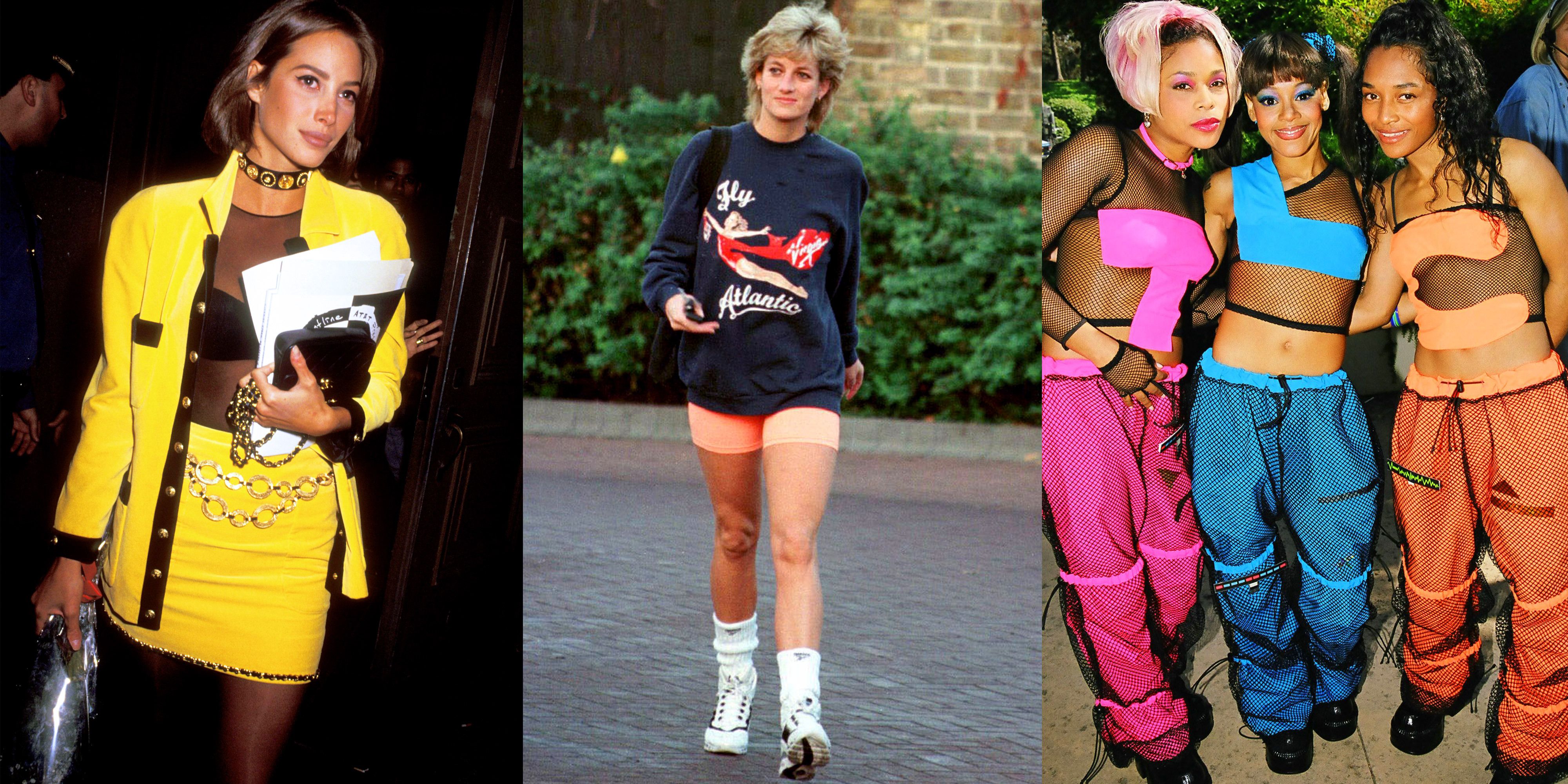
The 1990s was a transformative decade defined by the rapid expansion of digital technology, a major shift in youth subcultures, and the crossover of alternative aesthetics into the mainstream. Understanding these trends requires examining how early globalization, the dawn of the internet, and economic shifts reshaped media, fashion, lifestyle, and domestic spaces.
The Cultural and Historical Landscape of the 1990s
The final decade of the 20th century stood at a unique crossroads between the analog past and the digital future. As the Cold War drew to a close, a sense of global connectivity began to take root, heavily influenced by the expansion of cable television, the early commercialization of the internet via dial-up services, and the widespread adoption of mobile communication devices. Culturally, society moved away from the excess and neon-heavy aesthetics of the 1980s toward a more stripped-back, cynical, or introspective outlook.
This environment fostered distinct subcultures that rejected traditional corporate polish in favor of raw authenticity. Whether through the defiant chords of grunge rock, the minimalist architectural layouts of urban apartments, or the practical utility of early streetwear, the decade established a cultural blueprint that continues to influence modern creative industries. Analyzing this period requires looking past surface-level nostalgia to examine the technological shifts, economic factors, and social movements that gave rise to these enduring phenomena.
Evolution of Fashion and Subcultural Aesthetics
Fashion in the 1990s experienced a massive democratization and fragmentation, moving away from rigid designer silhouettes toward eclectic, comfort-driven, and counter-cultural styles.
Grunge and Alternative Apparel
Originating in the Pacific Northwest, the grunge movement popularized an effortless, anti-fashion aesthetic. Flannel shirts, distressed denim, combat boots, and oversized cardigans became the uniform of a generation influenced by bands like Nirvana, Pearl Jam, and Soundgarden. This style was a deliberate rejection of 1980s corporate consumerism, favoring thrift-store practicality and a rugged, worn-in appearance.
Minimalism and High Fashion
In sharp contrast to grunge, high fashion embraced stark minimalism. Designers like Calvin Klein, Helmut Lang, and Prada championed clean lines, neutral color palettes, and slip dresses. This stripped-back approach focused on fabric quality and precise tailoring, laying the groundwork for the modern capsule wardrobe concept.
Streetwear and Hip-Hop Influence
The golden age of hip-hop brought urban streetwear to the forefront of global fashion. Brands like Cross Colours, FUBU, and Karl Kani, alongside sportswear staples from Nike, Adidas, and Champion, popularized oversized silhouettes, graphic tees, puffer jackets, and athletic footwear. Sneaker culture transitioned from functional athletic gear to prized collector items, particularly with the annual releases of iconic basketball footwear lines.
Technological Shifts and Digital Integration
Technology in the 1990s transitioned from analog novelties to networked digital utilities, fundamentally altering how people communicated, worked, and consumed information.
The Rise of the World Wide Web
The public launch of the World Wide Web in the early part of the decade introduced a new medium for information sharing. Dial-up connections, characterized by the distinct handshake tones of modems, connected households to early bulletin board systems (BBS), search engines like Yahoo!, and rudimentary web portals. Email began replacing physical mail and faxes in professional settings, while early e-commerce platforms laid the groundwork for modern digital retail.
Portable Entertainment and Gaming
Home entertainment underwent a generational leap. The transition from 16-bit consoles to 32-bit and 64-bit systems—such as the Sony PlayStation, Sega Saturn, and Nintendo 64—ushered in the era of 3D polygon gaming. Simultaneously, portable devices like the Nintendo Game Boy dominated travel entertainment, while personal audio shifted from cassette-playing Walkmans to portable compact disc (CD) players with electronic skip protection.
Home Interiors, Architecture, and Domestic Design
Domestic spaces in the 1990s reflected a desire for comfort, tech integration, and a mixture of rustic warmth with modern industrial elements.
The Evolution of Living Spaces
Home design moved away from the formal, closed-off rooms of previous decades. Open-plan living concepts gained momentum, encouraging fluid transitions between kitchens and living areas. Natural wood tones, particularly honey oak cabinetry and trim, dominated suburban interiors, often paired with earthy color schemes involving hunter green, burgundy, and warm beige.
Furniture and Decorative Motifs
Interior styling featured several distinct motifs that balanced whimsy with functionality:
- Inflatables and Bean Bags: Transparent inflatable chairs and oversized corduroy bean bags served as casual seating options for bedrooms and dens.
- Wrought Iron and Brass: Furniture frames frequently combined dark wrought iron or polished brass with glass tabletops.
- Entertainment Centers: As home media hardware expanded to include VCRs, stereo receivers, and large cathode-ray tube (CRT) televisions, specialized entertainment armoires became central living room fixtures.
Comparative Analysis of 1990s Trends Across Sectors
To understand the breadth of cultural output during this era, the following table compares key trends across major lifestyle categories, highlighting their primary characteristics and lasting impacts.
| Category | Dominant Trend | Key Characteristics | Modern Legacy / Revival |
|---|---|---|---|
| Fashion | Grunge & Thrift | Distressed denim, flannel, combat boots, slip dresses | Frequent revivals in youth apparel and sustainable thrifting culture. |
| Technology | Dial-up Internet | Slow speeds, acoustic couplers, chat rooms, early web portals | Foundation of modern high-speed broadband and social networking. |
| Entertainment | 3D Gaming & CDs | Polygon graphics, CD-ROM storage, portable audio players | Retro gaming collector markets and vinyl/CD physical media resurgence. |
| Interiors | Honey Oak & Open Plan | Natural wood finishes, earth tones, entertainment armoires | Evolved into modern open-concept spaces with minimalist updates. |
Frequently Asked Questions
What defined the musical landscape of the 1990s?
The decade was characterized by a diverse mix of genres, most notably the explosion of alternative rock and grunge, the golden age of East Coast and West Coast hip-hop, the rise of electronic dance music (EDM) and rave culture, and the global phenomenon of commercial teen pop in the late 1990s.
How did people communicate before smartphones?
Communication relied heavily on landline telephones, answering machines, pagers (beepers), and physical mail. In professional and academic settings, fax machines were essential, while internet users relied on desktop computers connected via telephone lines for early email and chat protocols.
What were the primary influences on 1990s fashion?
Fashion was heavily influenced by youth subcultures, music genres like grunge and hip-hop, cinematic releases, and athletic endorsements by professional sports stars. Designers responded by bridging the gap between high fashion and accessible streetwear.
Why do trends from this decade continue to cycle back?
Cultural trends typically resurface in 20-to-30-year cycles as the generation that experienced them in childhood or youth reaches adulthood and attains purchasing power. This creates a wave of nostalgia that drives modern design, media reboots, and fashion revivals.
Practical Takeaways for Modern Enthusiasts
For those exploring or recreating cultural elements from this era, authenticity relies on understanding the functional roots of these trends. Whether collecting physical media, restoring vintage interior pieces, or assembling wardrobe capsules, focus on materials and technologies that genuinely defined the period. Prioritize original hardware for retro gaming, seek out authentic vintage garments for durable construction, and appreciate how these foundational decades bridged the gap between mechanical history and the digital present.