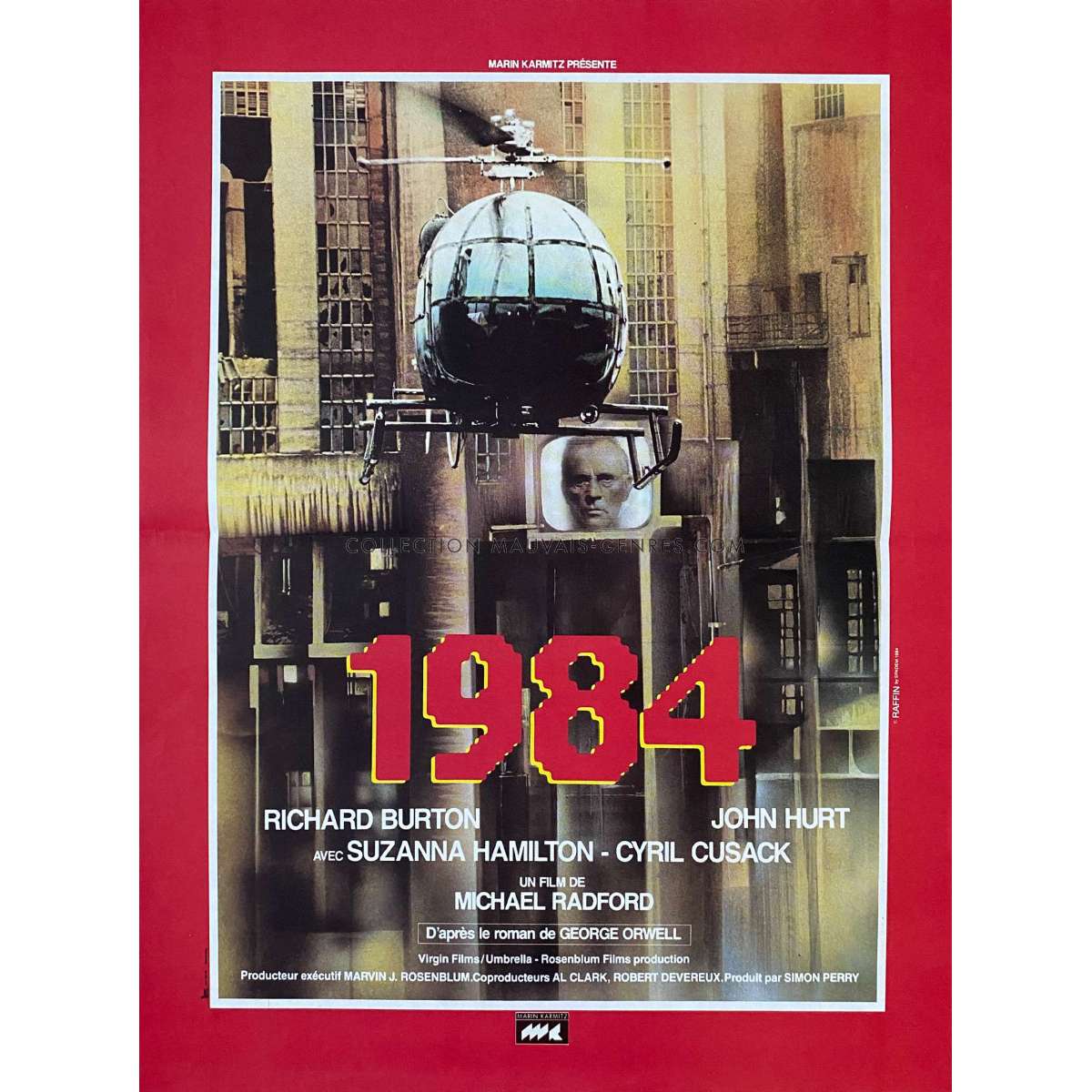
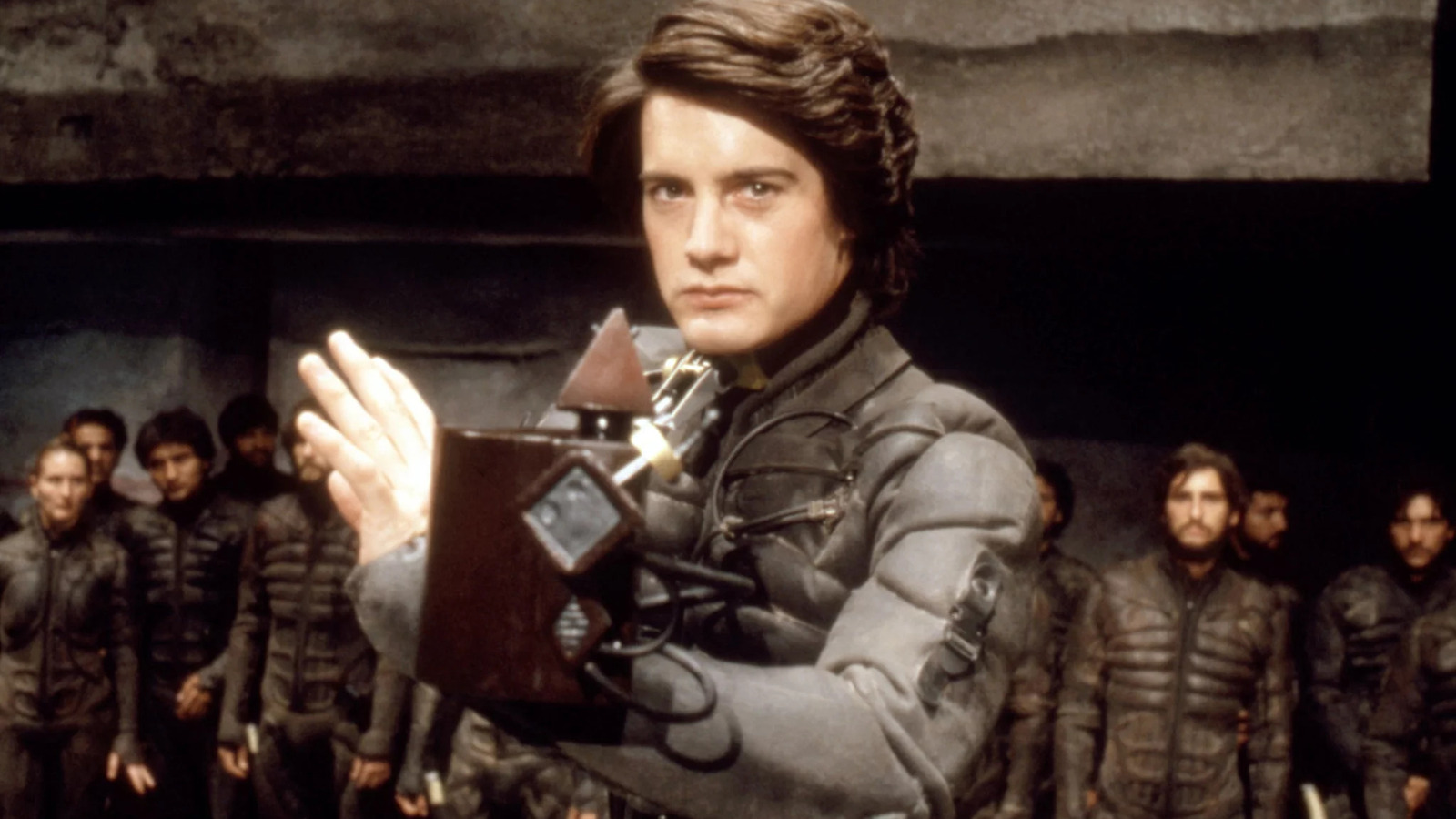
Michael Radford's 1984 film adaptation of George Orwell's dystopian masterpiece captures the bleak, totalitarian reality of Oceania through meticulous period design, powerful lead performances, and a stark visual palette that mirrors the novel's warning against state surveillance and historical erasure.
Introduction and Subject Scope
The year 1984 holds a dual significance in cultural history. It is both the exact calendar year in which director Michael Radford released his cinematic adaptation of George Orwell’s seminal novel, Nineteen Eighty-Four, and the dystopian future year in which the narrative unfolds. To modern audiences, researchers, and cinema historians, the 1984 film represents a unique intersection of mid-1980s filmmaking techniques, high-stakes literary adaptation, and political commentary.
Unlike sanitized Hollywood interpretations of classic literature, Radford’s film is famously committed to authenticity. Shot on location in and around London during the actual year 1984—and crucially matching the exact calendar dates of Winston Smith's clandestine rebellion within the text—the film stands as both a faithful translation of Orwell's text and a haunting historical artifact. This guide explores the historical context, production challenges, thematic depth, technical achievements, and enduring legacy of this cinematic milestone.
Historical and Literary Context
To understand the 1984 film, one must examine the provenance of the source material and the cultural climate of the mid-1980s. George Orwell published his novel Nineteen Eighty-Four in 1949, envisioning a terrifying future dominated by perpetual war, ubiquitous government surveillance, and psychological manipulation orchestrated by the Party and its figurehead, Big Brother.
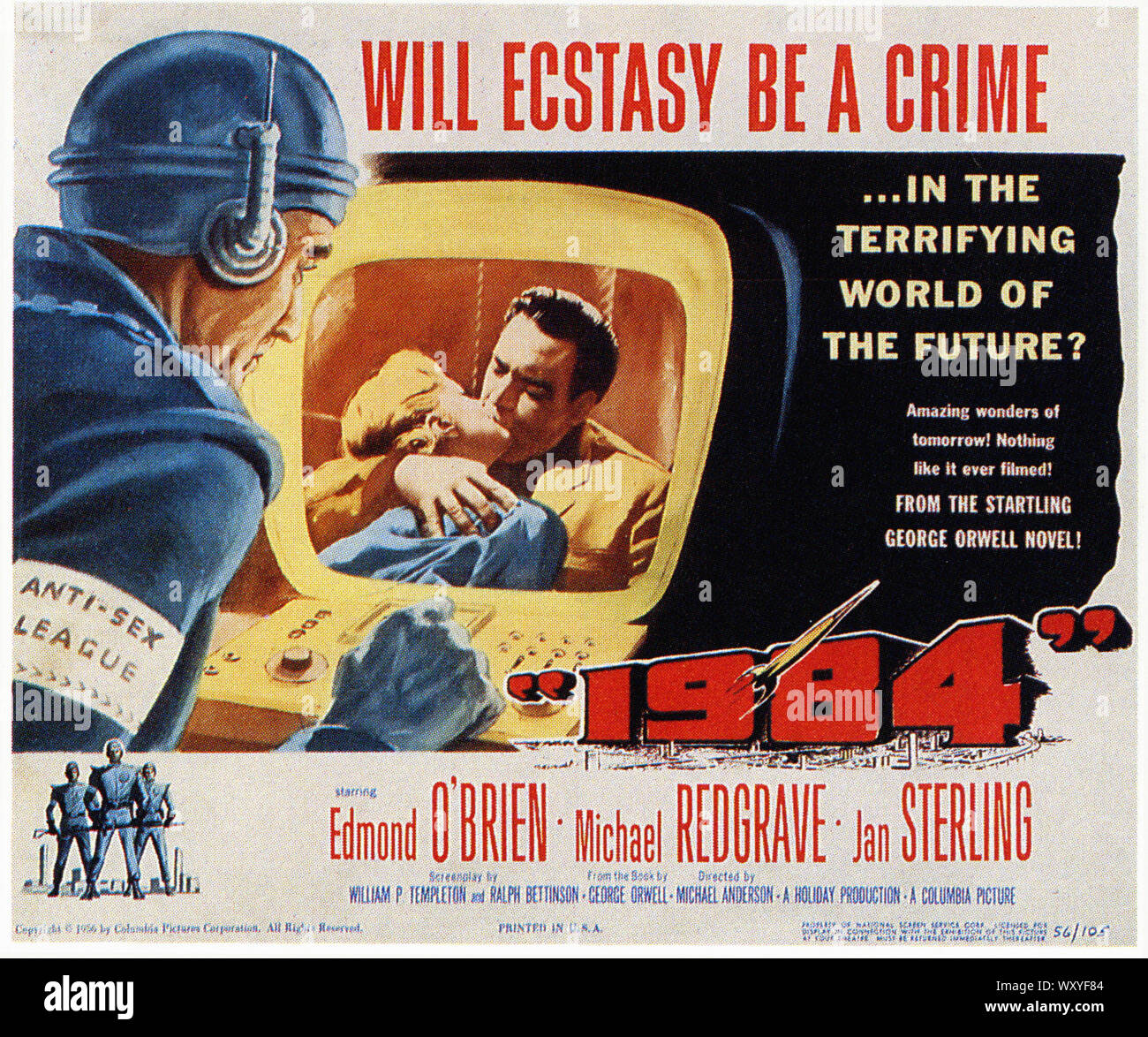
By the early 1980s, the Cold War had entered a tense new phase with the escalation of superpower rhetoric and the deployment of new military technologies. While Hollywood and European cinema had previously engaged with Orwell's themes—most notably through studio adaptations like Michael Anderson's 1956 version of 1984 and loose thematic predecessors like Terry Gilliam's Brazil (released in 1985)—filmmakers in the early 1980s sensed a renewed urgency to bring the text to the screen with uncompromising fidelity.
The production of the 1984 film coincided with the actual year of its setting, a marketing and artistic choice that heightened public anticipation. The filmmakers sought to distance themselves from previous Hollywood gloss, opting instead for a grim, visceral aesthetic that reflected the grim reality of Orwell's dystopia rather than a futuristic sci-fi fantasy.
Production Design and Visual Aesthetics
The visual language of the 1984 film is defined by its commitment to historical grit rather than sleek, speculative futurism. Cinematographer Roger Deakins, in one of his early and most acclaimed feature film assignments, utilized a specialized processing technique known as bleach bypass (specifically, the Technicolor CCE process) to desaturate the color palette. This technique produced muddy, high-contrast images with deep blacks and muted tones, perfectly capturing the decaying, soot-stained infrastructure of Airstrip One.
Location Shooting and Period Authenticity
Rather than relying heavily on soundstages or computer-generated effects (which were in their infancy), the production team scoured London for locations that matched the oppressive, post-Blitz atmosphere described in the novel.
- The Ministry of Truth: Represented by imposing, brutalist architecture that evoked bureaucratic claustrophobia.
- Victory Mansions: Filmed in areas reflecting urban neglect, emphasizing the crumbling housing stock available to outer-party members.
- The Countryside: The golden country scenes where Winston and Julia meet in secret were shot with a brief, deceptive burst of natural color, contrasting sharply with the bleakness of London.
Costumes and Everyday Life
The costume design eschewed futuristic jumpsuits in favor of drab, ill-fitting woolens and synthetics reminiscent of post-World War II British rationing. This grounded the totalitarian regime in familiar historical suffering, reminding viewers that oppression wears the clothes of mundane bureaucracy rather than high-tech armor.
Cast and Character Portrayals
The strength of the 1984 film lies heavily in its central performances, which ground the vast geopolitical themes of the narrative in intimate human suffering and defiance.
John Hurt as Winston Smith
John Hurt delivered a harrowing performance as Winston Smith, the weary records clerk whose secret diary and illicit affair with Julia constitute his rebellion against the Party. Hurt portrayed Winston not as an action hero, but as an ordinary, frail man broken down by physical exhaustion and psychological terror. His transformation from a curious skeptic to a shattered soul in Room 101 forms the emotional core of the film.
Suzanna Hamilton as Julia
Suzanna Hamilton portrayed Julia as pragmatic, resilient, and unapologetically hedonistic within a system that outlawed pleasure. Unlike the novel, where Julia's inner life is filtered entirely through Winston's perspective, the film gives Hamilton room to project a hardened survivor's cynicism toward the Party's grand illusions.
Richard Burton as O'Brien
In his final screen performance before his death, Richard Burton brought a chilling intellectual authority to the role of O'Brien, the inner-party inquisitor. Burton’s delivery of Orwell's philosophical monologues—explaining that power is an end in itself and that the future is a boot stamping on a human face forever—remains one of the most terrifying villainous turns in cinematic history.
The Musical Controversy: Dominic Muldowney vs. Eurythmics
One of the most notable pieces of trivia surrounding the 1984 film involves its musical score, which created a famous rift between the director and the studio.
- The Original Orchestral Score: Composer Dominic Muldowney created a traditional, brooding orchestral score that emphasized the tragedy and classical gravity of the narrative. Radford heavily favored this approach, believing it suited the historical, low-tech aesthetic of the film.
- The Eurythmics Pop Score: Virgin Films, seeking commercial viability and youth appeal, commissioned the pop duo Eurythmics (consisting of Annie Lennox and David A. Stewart) to record a companion album titled 1984 (For the Love of Big Brother). Portions of this electronic, synth-driven score were inserted into the theatrical release against Radford's wishes.
While the inclusion of the Eurythmics track "Sexcrime (1984)" helped market the film to a wider audience, critics and purists often prefer home video editions that restore Muldowney's original orchestral vision.
Thematic Depth: Surveillance, Truth, and Doublethink
The 1984 film serves as an exhaustive masterclass in exploring Orwell's core political and philosophical concepts. Rather than simplifying the text for cinematic pacing, Radford allowed scenes to breathe, lingering on the psychological torment inflicted by the state.
Totalitarian Surveillance and the Telescreen
The omnipresence of the telescreen is established early, visualizing the loss of private space. The film demonstrates how surveillance is not merely a tool for catching crimes, but an active instrument for rewriting human consciousness.
Doublethink and Newspeak
The film visualizes doublethink—the power of holding two contradictory beliefs in one's mind simultaneously and accepting both—through Winston's daily labor at the Ministry of Truth. The methodical destruction of historical documents in the pneumatic tubes illustrates how the past is continuously reshaped to serve the present political agenda.
Room 101 and the Limits of Human Endurance
The climax of the film in Room 101 is an unsparing depiction of psychological torture. O'Brien's extraction of Winston's final betrayal of Julia ("Do it to Julia!") is handled with agonizing precision, demonstrating that the ultimate goal of totalitarianism is not merely obedience, but the total eradication of independent human affection.
Critical Reception and Comparison to Other Adaptations
Upon its release in late 1984, the film received generally positive reviews from critics who praised its uncompromising tone, artistic cinematography, and the stellar performances of John Hurt and Richard Burton.
| Adaptation | Release Year | Key Director / Lead | Aesthetic Approach | Cultural Impact |
|---|---|---|---|---|
| Nineteen Eighty-Four | 1956 | Michael Anderson / Edmond O'Brien | Hollywood studio gloss, simplified plot | Early cold war adaptation; softened ending for audiences. |
| 1984 | 1984 | Michael Radford / John Hurt | Bleak, desaturated historical grit | Definitive faithful adaptation; final film of Richard Burton. |
| Brazil | 1985 | Terry Gilliam / Jonathan Pryce | Surreal, satirical, steampunk dystopia | Thematic cousin to Orwell; focuses on bureaucratic absurdity. |
While box office returns were modest, the film cemented its status over the decades as the definitive cinematic counterpart to Orwell's text, outperforming its 1956 predecessor in both thematic fidelity and critical esteem.
Frequently Asked Questions
Was the 1984 film actually shot in the year 1984?
Yes. Principal photography took place between April and June 1984, matching the exact months during which Winston Smith begins his secret diary entries in the novel.
Did George Orwell live to see the 1984 film?
No. George Orwell died in January 1950, over three decades before the release of Michael Radford's film and the arrival of the titular calendar year.
Is the music by the Eurythmics part of the official film score?
Only partially. The studio forced the inclusion of pop-synth tracks by the Eurythmics alongside Dominic Muldowney's traditional orchestral score, creating a dual-score situation that caused friction between the director and producers.
Where can viewers watch the 1984 film today?
Availability varies by region and streaming platform licensing agreements. It is frequently available on digital rental platforms, boutique Blu-ray releases, and subscription streaming services specializing in classic or independent cinema.
Conclusion and Recommendations
For viewers seeking a profound engagement with political philosophy, literary history, or masterclass acting, Michael Radford's 1984 film remains an essential viewing experience. To fully appreciate the work, viewers should seek out home video releases that preserve Roger Deakins' original desaturated color grading and, where possible, explore alternative audio tracks to experience both the Muldowney orchestral score and the historical context of its 1984 release. Pair the film with a fresh reading of Orwell's text to observe how closely cinematic translation can match literary dread.