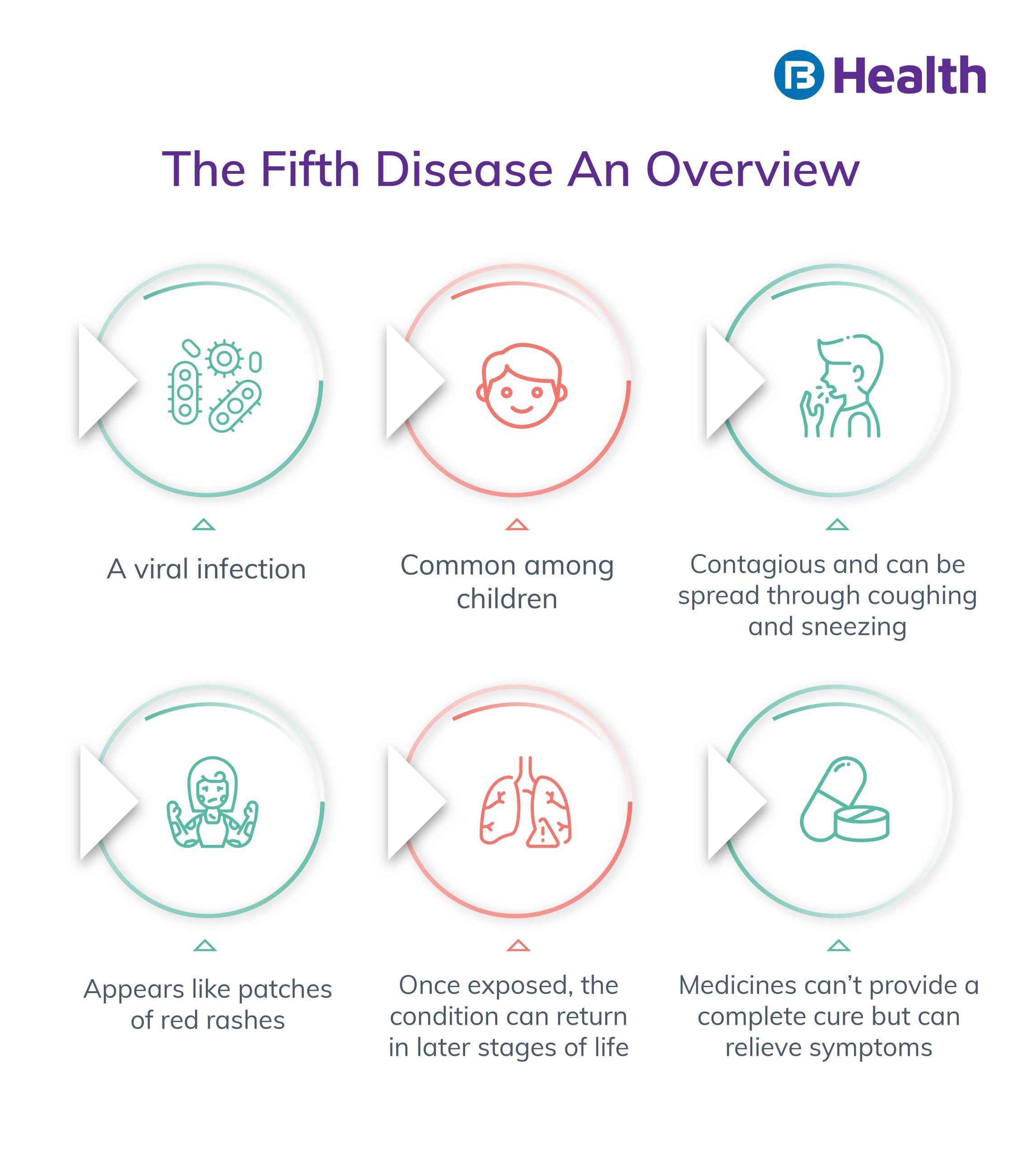
Fifth disease, medically known as erythema infectiosum, is a common viral illness primarily affecting children that is characterized by a distinct "slapped cheek" facial rash, followed by a lacy, body-wide eruption. Caused by parvovirus B19, the condition is usually mild and self-limiting in healthy individuals, though it requires careful monitoring and identification when it occurs in pregnant women, individuals with weakened immune systems, or those with chronic hemolytic anemias.
Understanding Parvovirus B19 and the Pathogenesis of Fifth Disease
Fifth disease earned its historical numeric designation because it was categorized fifth among the classic childhood exanthems (skin-rash illnesses) that included measles, scarlet fever, rubella, and Dukes' disease. The causative agent, human parvovirus B19, is a small, single-stranded DNA virus with a strict tropism for erythroid progenitor cells—the cells in the bone marrow that develop into red blood cells.
When a person contracts parvovirus B19, the virus replicates primarily in the bone marrow, temporarily halting red blood cell production. In healthy individuals with robust immune systems, this temporary halt goes largely unnoticed because existing red blood cells have a lifespan of about 120 days. However, the characteristic physical manifestations—the rash and joint pain—are actually immune-mediated phenomena. They occur days after the initial infection when the body's immune system generates antibodies against the virus, forming immune complexes that deposit in the skin and joints.
Transmission of fifth disease occurs primarily through respiratory secretions, such as saliva, sputum, or nasal mucus, when an infected person coughs or sneezes. It can also be spread through blood and blood products, and from a pregnant person to their fetus. The incubation period—the time from exposure to the onset of symptoms—typically ranges from four to fourteen days, though it can extend up to twenty days. Individuals are most contagious during the early phase of the infection, before the characteristic rash appears, which often leads to inadvertent spread in schools and daycare settings before anyone realizes an infection is present.
Visual Identification and Characteristics of the 5th Disease Rash
Identifying the 5th disease rash requires recognizing its classic, multi-staged progression. Unlike many other viral rashes that appear all at once, erythema infectiosum unfolds in distinct phases that can look quite different depending on the day.
The "Slapped Cheek" Phase
The first visible sign of the rash in children is usually a bright red eruption on the face. This appearance is so distinct that it gave the condition its common moniker: the "slapped cheek" appearance.
- Appearance: The cheeks exhibit a confluent, intensely red flush, as if the child has been gently slapped on both sides of the face.
- Texture: The skin may feel slightly warm to the touch, but it is typically not significantly raised, blistered, or painful.
- Perioral Pallor: Notably, the skin immediately surrounding the mouth remains pale, creating a sharp contrast against the vivid redness of the cheeks.
- Duration: This facial redness usually fades over two to four days, though it can occasionally reappear or temporarily intensify with exposure to sunlight, heat, or emotional stress weeks later.
The Lacy, Reticular Body Rash
One to four days after the facial rash appears, a second stage develops on the trunk and limbs.
- Distribution: The rash spreads symmetrically down to the chest, back, buttocks, arms, and legs. It rarely affects the palms of the hands or the soles of the feet.
- Appearance: It presents as a pinkish-red, maculopapular rash that quickly takes on a lacy, reticular (net-like) pattern.
- Fading and Evolution: As the rash begins to resolve over the course of several days to weeks, the center of the lacy patches fades, leaving a mottled appearance on the skin. It is common for the rash to itch, particularly as it starts to heal.
Common Mimics and Differential Diagnosis
Because viral rashes can share overlapping visual traits, clinicians must differentiate fifth disease from other conditions. The following table compares fifth disease with other common pediatric rashes:
| Condition | Primary Rash Characteristics | Key Distinguishing Features |
|---|---|---|
| Fifth Disease (Erythema Infectiosum) | Slapped cheeks with perioral pallor, followed by a lacy, reticular body rash. | Absence of high fever; distinct lacy pattern on limbs; lack of prominent respiratory symptoms at rash onset. |
| Scarlet Fever | Fine, red, sandpaper-like papular rash; prominent in skin creases (Pastia's lines). | Accompanied by a high fever, sore throat, "strawberry tongue," and a history of streptococcal infection. |
| Measles (Rubeola) | Blotchy, dark red maculopapular rash starting at the hairline and moving downward. | High fever, cough, coryza, conjunctivitis, and tiny white Koplik spots inside the mouth. |
| Roseola (Exanthema Subitum) | Pinkish-red, flat or slightly raised spots starting on the trunk after a sudden high fever breaks. | High fever lasting 3 to 5 days that abruptly resolves just as the rash appears, mostly in infants. |
Comprehensive Symptom Timeline and Clinical Presentation
The clinical presentation of fifth disease varies significantly depending on age and underlying health status. Many individuals—particularly children—experience mild illness or remain entirely asymptomatic. When symptoms do occur, they follow a predictable timeline.
Prodromal Symptoms (Early Phase)
Before any rash is visible, the initial phase of the infection can mimic a mild upper respiratory illness. During this contagious window, individuals may experience:
- Low-grade fever
- Malaise and generalized fatigue
- Headache
- Mild coryza (runny or stuffy nose)
- Sore throat
- Itchy or watery eyes
By the time the characteristic slapped cheek rash appears, the individual is usually no longer contagious and often feels significantly better, as the viral load has peaked and the immune response is taking over.
Symptoms in Adults
While fifth disease is predominantly viewed as a pediatric condition, adults can contract it if they lack immunity. Adults—especially women—frequently experience a different clinical picture:
- Absence of Rash: Many infected adults never develop the classic facial or body rash.
- Arthropathy (Joint Pain): Joint pain and swelling are the hallmark adult manifestations. It typically affects symmetric peripheral joints, most commonly the hands, wrists, knees, and ankles.
- Duration of Joint Symptoms: Joint discomfort can range from mild stiffness to severe pain that mimics rheumatoid arthritis. While it usually resolves completely within one to three weeks, in some cases, joint stiffness can persist for months.
High-Risk Populations and Complications
Although healthy children and adults recover completely without long-term effects, parvovirus B19 poses specific risks to vulnerable groups:
- Pregnant Individuals: If a pregnant person contracts parvovirus B19, the virus can cross the placental barrier. While the vast majority of pregnancies proceed normally and result in healthy babies, maternal infection can occasionally lead to severe fetal anemia, nonimmune hydrops fetalis (a severe form of heart failure and fluid accumulation), or miscarriage, particularly if the infection occurs during the first half of pregnancy.
- Chronic Hemolytic Anemia: Individuals with conditions such as sickle cell disease, thalassemia, or hereditary spherocytosis who contract fifth disease are at risk for a transient aplastic crisis. Because their red blood cells already have a shortened lifespan, the temporary halt in red blood cell production caused by the virus can trigger severe, life-threatening anemia requiring immediate medical intervention.
- Immunocompromised Individuals: People undergoing chemotherapy, those with organ transplants, or individuals living with untreated human immunodeficiency virus (HIV) may fail to clear the virus efficiently, leading to chronic anemia and prolonged viral shedding.
Treatment Protocols and Supportive Management
Because fifth disease is caused by a virus, antibiotics are ineffective and are not prescribed. In the vast majority of cases, treatment focuses entirely on supportive care to manage comfort while the immune system clears the infection naturally.
Supportive Care at Home
For otherwise healthy children and adults experiencing mild discomfort, standard comfort measures are usually sufficient:
- Rest: Adequate rest helps the body recover from generalized fatigue and mild systemic inflammation.
- Hydration: Encouraging fluids—water, electrolyte solutions, and broths—prevents dehydration, especially if a low-grade fever is present.
- Skin Comfort: If the lacy body rash becomes intensely itchy, cool compresses, soothing lotions (such as calamine lotion), or oatmeal baths can provide temporary relief. Consulting a pediatrician before applying any medicated creams to young children is strongly advised.
Medical Management of Pain and Fever
When fever, headache, or joint pain causes significant discomfort, over-the-counter medications can be used under medical guidance:
- Antipyretics and Analgesics: Medications such as acetaminophen or ibuprofen can reduce fever and alleviate joint aches.
- Pediatric Cautions: Aspirin must never be given to children or adolescents with viral illnesses due to the well-documented risk of Reye's syndrome, a rare but serious condition that causes swelling in the liver and brain. Always verify weight-based dosing with a healthcare provider or pharmacist for infants and young children.
Management in Special Circumstances
- Pregnant Individuals: Anyone who suspects exposure to fifth disease during pregnancy should contact their obstetrician immediately. Blood tests can check for past immunity (IgG antibodies) or acute infection (IgM antibodies and PCR testing). If an acute infection is confirmed, serial ultrasound monitoring is typically scheduled to watch for signs of fetal anemia or hydrops.
- Aplastic Crisis: Patients with underlying hematologic conditions who develop a sudden, severe drop in hemoglobin require hospitalization, supportive blood transfusions, and specialized hematological management.
Prevention, Infection Control, and Return-to-School Guidelines
Preventing the spread of parvovirus B19 presents unique challenges because infected individuals are most contagious before they show any outward signs of illness. Currently, there is no commercially available vaccine to prevent parvovirus B19 infection. Consequently, standard hygiene practices remain the primary line of defense.
Infection Control Measures
To minimize transmission in homes, schools, and healthcare environments:
- Hand Hygiene: Frequent, thorough handwashing with soap and water for at least twenty seconds is essential. Alcohol-based hand sanitizers can be used when soap and water are unavailable, though physical washing is more effective at physically removing viral particles.
- Respiratory Etiquette: Covering coughs and sneezes with a tissue or the inner elbow prevents droplets from contaminating surfaces and air.
- Surface Disinfection: Regularly cleaning frequently touched surfaces, doorknobs, and shared toys with standard household disinfectants helps reduce environmental viral load.
- Avoiding Shared Utensils: Discouraging the sharing of cups, eating utensils, toothbrushes, and towels among family members and classmates limits direct saliva transfer.
Return-to-School and Work Policies
Because the contagious phase occurs almost entirely before the rash appears, children with fifth disease are no longer contagious once the rash develops and the low-grade fever subsides.
- Isolation Rules: Major public health organizations, including the Centers for Disease Control and Prevention (CDC) and the American Academy of Pediatrics (AAP), state that children with fifth disease do not need to be excluded from school, daycare, or social activities once the rash has appeared, provided they feel well enough to participate.
- Exemptions: Isolation or exclusion may be necessary only if the child has a concurrent fever or other systemic illness that impairs normal functioning.
Frequently Asked Questions
Can adults catch fifth disease from children?
Yes. Adults who did not contract fifth disease during childhood can catch it from children, often through school or childcare settings or by caring for their own infected children. Approximately 50% of adults have developed immunity from past, unrecognized childhood infections. Adults who catch the virus are more likely to experience painful joint symptoms without developing the classic rash.
How long does the 5th disease rash last?
The facial "slapped cheek" redness typically lasts two to four days. The subsequent lacy body rash is more variable; it can last anywhere from a few days to several weeks. The body rash may temporarily fade and then flare up again in response to heat, sunlight, physical exertion, or stress, which is a normal part of the healing process and does not indicate a worsening infection.
Is fifth disease dangerous during pregnancy?
For the vast majority of pregnant individuals, fifth disease poses no threat. About half of all pregnant women are already immune to parvovirus B19. If a non-immune pregnant person is exposed, the risk of fetal complications remains relatively low (typically less than 5% for serious fetal complications). However, because rare complications like severe fetal anemia can occur, professional medical evaluation and monitoring are essential.
Can you get fifth disease more than once?
Once an individual contracts parvovirus B19 and successfully clears the infection, their immune system produces lifelong protective antibodies (IgG). This means that a person cannot get fifth disease a second time; a single infection confers permanent immunity against future episodes of erythema infectiosum.
When should I call a doctor for a suspected viral rash?
You should contact a healthcare provider immediately if the rash is accompanied by a high fever, difficulty breathing, extreme lethargy, severe joint swelling, or if the individual has an underlying health condition such as sickle cell disease or a compromised immune system. Pregnant individuals who have been exposed to someone with a confirmed or suspected fifth disease rash should also contact their prenatal care provider promptly.
Conclusion and Next Actions
Fifth disease is generally a mild, self-limiting viral illness that resolves without long-term consequences for healthy individuals. Recognizing the distinct progression from the facial "slapped cheek" appearance to the lacy body rash helps distinguish it from other viral exanthems. Supportive care with rest, fluids, and fever management is usually all that is required for recovery. However, because the virus carries specific risks for pregnant women and individuals with chronic blood disorders, any exposure or unusual symptom severity within these vulnerable populations warrants immediate consultation with a qualified medical professional for proper testing and guidance.