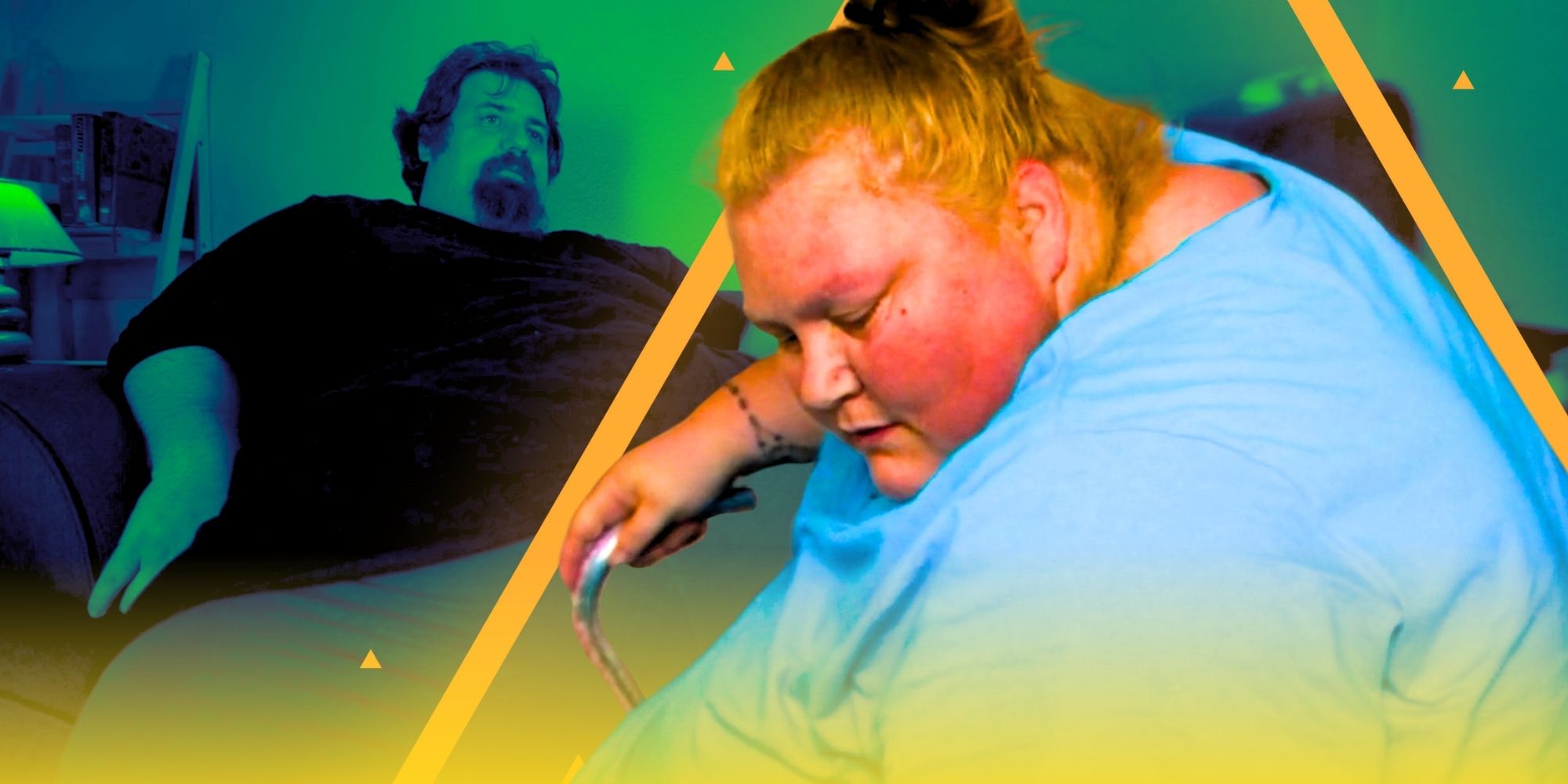
A "600 pound life" refers to individuals living with severe class III or super-super morbid obesity, weighing approximately 600 pounds or more. This condition involves profound physiological strain, specialized multi-disciplinary medical care, rigorous behavioral interventions, and complex social and psychological challenges that require comprehensive, long-term intervention.
Defining the Scope of Extreme Obesity
In medical classifications, body mass index (BMI) is traditionally used to categorize weight levels. While standard obesity is defined as a BMI of 30 or higher, and morbid obesity (Class III) begins at a BMI of 40, individuals weighing 600 pounds frequently present with BMIs exceeding 70, 80, or even 100 depending on their height. This level of mass moves beyond standard clinical categories into what specialists term super-super morbid obesity.
Living at this weight profoundly alters human physiology. The cardiovascular system must work exponentially harder to pump blood through miles of additional capillary beds, leading to cardiomegaly (enlarged heart), chronic hypertension, and eventual congestive heart failure. The musculoskeletal system experiences constant, severe stress, often resulting in debilitating osteoarthritis, chronic joint degeneration, and restricted mobility that can confine an individual to a bed or a specialized chair for years.
Furthermore, the physical burden heavily impacts the respiratory system. Conditions such as obesity hypoventilation syndrome and severe obstructive sleep apnea are nearly universal at this weight. The sheer weight of chest wall fat and abdominal mass restricts the diaphragm's ability to expand fully, reducing blood oxygen levels and increasing carbon dioxide retention. This creates a dangerous cycle of fatigue, pulmonary hypertension, and systemic inflammation.
Medical Protocols and Clinical Management
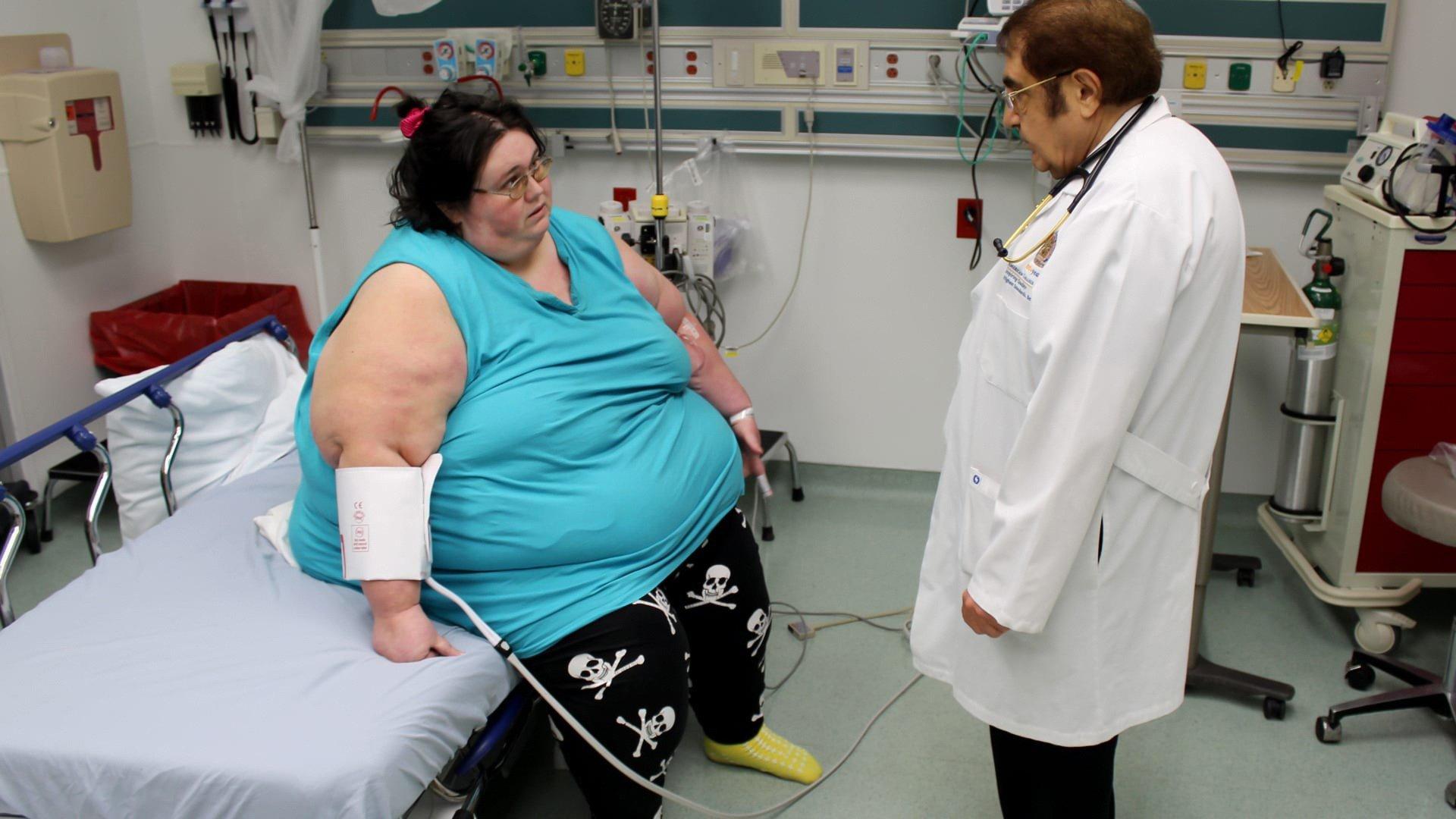
Treating individuals approaching or exceeding 600 pounds requires specialized medical infrastructure and a coordinated team of specialists, including bariatric surgeons, endocrinologists, registered dietitians, physical therapists, and mental health professionals. Standard medical equipment—such as MRI machines, standard hospital beds, operating tables, and blood pressure cuffs—is often inadequate or structurally unsafe for patients of this size, necessitating bariatric-rated equipment capable of supporting up to 1,000 pounds or more.
Phase 1: Stabilization and Initial Weight Reduction
Before any major surgical intervention can be safely considered, patients must undergo intensive medical stabilization. At 600 pounds, the risks of general anesthesia and major abdominal surgery are extraordinarily high due to cardiac and pulmonary vulnerabilities.
- Nutritional Intervention: Patients are typically placed on strict, low-calorie, high-protein medical diets, often supervised closely by a clinical dietitian. The goal is to safely reduce immediate visceral fat, shrink an enlarged liver (which makes laparoscopic surgery technically feasible), and jump-start metabolic adaptation.
- Mobility Rehabilitation: Physical therapists work with patients to restore basic movement, starting with seated exercises and progressing to standing and short walks. Regaining independent mobility is vital for preventing deep vein thrombosis (DVT) and pulmonary embolisms.
- Respiratory Management: Continuous positive airway pressure (CPAP) or bi-level positive airway pressure (BiPAP) machines are introduced to treat sleep apnea and normalize blood gas levels, significantly lowering surgical risk.
Phase 2: Bariatric Surgical Options
When lifestyle modifications and initial supervised weight loss are insufficient to achieve sustainable results, bariatric surgery is frequently evaluated. The two primary procedures utilized for patients with extreme obesity are the vertical sleeve gastrectomy and the Roux-en-Y gastric bypass.
| Procedure Name | Mechanism | Primary Advantages | Considerations & Risks |
|---|---|---|---|
| Vertical Sleeve Gastrectomy | Removes approximately 80% of the stomach, leaving a banana-shaped sleeve. Restricts food intake and alters gut hormones related to hunger. | Technically simpler procedure; lower risk of long-term nutrient deficiencies compared to bypass; does not alter intestinal absorption pathways. | Permanent; irreversible; potential to cause or worsen severe acid reflux (GERD); slower initial weight loss for super-super morbid obesity compared to bypass. |
| Roux-en-Y Gastric Bypass | Creates a small stomach pouch and reroutes a portion of the small intestine, restricting food intake and reducing calorie/nutrient absorption. | Significant and rapid weight loss; highly effective at resolving obesity-related comorbidities like type 2 diabetes and severe acid reflux. | More complex surgery; higher risk of dumping syndrome, marginal ulcers, and lifelong vitamin/mineral deficiencies requiring strict supplementation. |
Psychological and Behavioral Dimensions
The journey of managing a 600-pound body is as much psychological as it is physical. Clinical research consistently demonstrates that severe obesity is frequently intertwined with deep-seated psychological trauma, clinical depression, anxiety disorders, and disordered eating patterns such as binge eating disorder (BED) or emotional eating used as a coping mechanism.
Behavioral modification is a non-negotiable pillar of treatment. Cognitive behavioral therapy (CBT) helps patients identify triggers for overeating, reframe negative thought patterns, and develop alternative coping strategies for stress, grief, and emotional distress. Without addressing the underlying psychological drivers of food addiction, physiological interventions like surgery often fail over the long term, as patients may find ways to consume high-calorie liquids or soft foods that bypass the physical restrictions of their altered anatomy.
Family dynamics and caregiver roles also play a critical role. In many cases of extreme obesity, family members or partners inadvertently become enablers by purchasing and bringing high-calorie foods to the home, driven by complex emotional dynamics or a desire to nurture. Educating the support network and establishing firm boundaries regarding food and lifestyle changes are essential for sustainable recovery and long-term weight maintenance.
Practical Challenges and Systemic Barriers
Navigating daily life and healthcare systems at a weight of 600 pounds presents formidable logistical hurdles. These barriers often create a cycle of isolation, making it increasingly difficult for individuals to seek and maintain consistent medical care.
- Transportation Limitations: Standard personal vehicles are rarely designed to accommodate individuals of this size safely. Specialized medical transport services equipped with heavy-duty ramps or lifts are frequently required for hospital visits, though availability and insurance coverage for these services vary widely.
- Healthcare Accessibility: Many medical facilities lack appropriately rated waiting room furniture, examination tables, and diagnostic imaging equipment. This physical mismatch can lead to delayed diagnoses, misdiagnoses, or patients avoiding medical care altogether out of fear or embarrassment.
- Economic Impact: The cost of specialized care, ongoing nutritional supplements, physical therapy, and potential surgical interventions can be overwhelming. While insurance policies increasingly cover bariatric care when deemed medically necessary, strict pre-authorization criteria—such as documented months of supervised weight loss—can create hurdles to timely treatment.
Frequently Asked Questions
What causes an individual to reach 600 pounds?
Severe obesity of this magnitude is rarely caused by a single factor. It is typically the result of a complex interplay of genetic predispositions, metabolic dysfunction, severe psychological trauma, chronic socioeconomic or environmental stressors, and long-term disordered eating patterns that compound over many years.
Is bariatric surgery always mandatory for someone weighing 600 pounds?
No. While bariatric surgery is a common and highly effective intervention for achieving significant, rapid weight loss at this stage, it is not mandatory. Some individuals achieve substantial weight reduction through strictly supervised medical weight management, intense behavioral therapy, and structured physical rehabilitation, though surgery significantly improves long-term success rates for super-super morbid obesity.
What are the immediate health risks of living at this weight?
The most acute immediate risks include severe respiratory failure, congestive heart failure, pulmonary embolism, stroke, type 2 diabetes complications, and total loss of independent mobility due to joint destruction and muscular atrophy.
How do healthcare providers safely perform surgery on a 600-pound patient?
Providers utilize specialized bariatric operating tables, reinforced surgical instruments, advanced laparoscopic and robotic techniques to minimize incision sizes, and specialized anesthesiology protocols designed to monitor and manage complex cardiopulmonary parameters throughout the procedure.
Can weight be successfully maintained after losing hundreds of pounds?
Long-term weight maintenance is challenging and requires lifelong adherence to modified nutritional guidelines, regular physical activity, ongoing psychological support, and periodic medical monitoring to manage loose skin, nutritional deficiencies, and potential metabolic adaptations.
Summary and Next Actions
Managing life at 600 pounds requires shifting away from superficial judgments and focusing on structured, multi-disciplinary medical and psychological care. For individuals affected by severe obesity or supporting someone who is, the essential next step is partnering with a specialized bariatric center of excellence. These comprehensive medical teams can provide a thorough evaluation, establish safe stabilization protocols, and map out an individualized, evidence-based treatment plan tailored to address both the physical and behavioral dimensions of the condition.