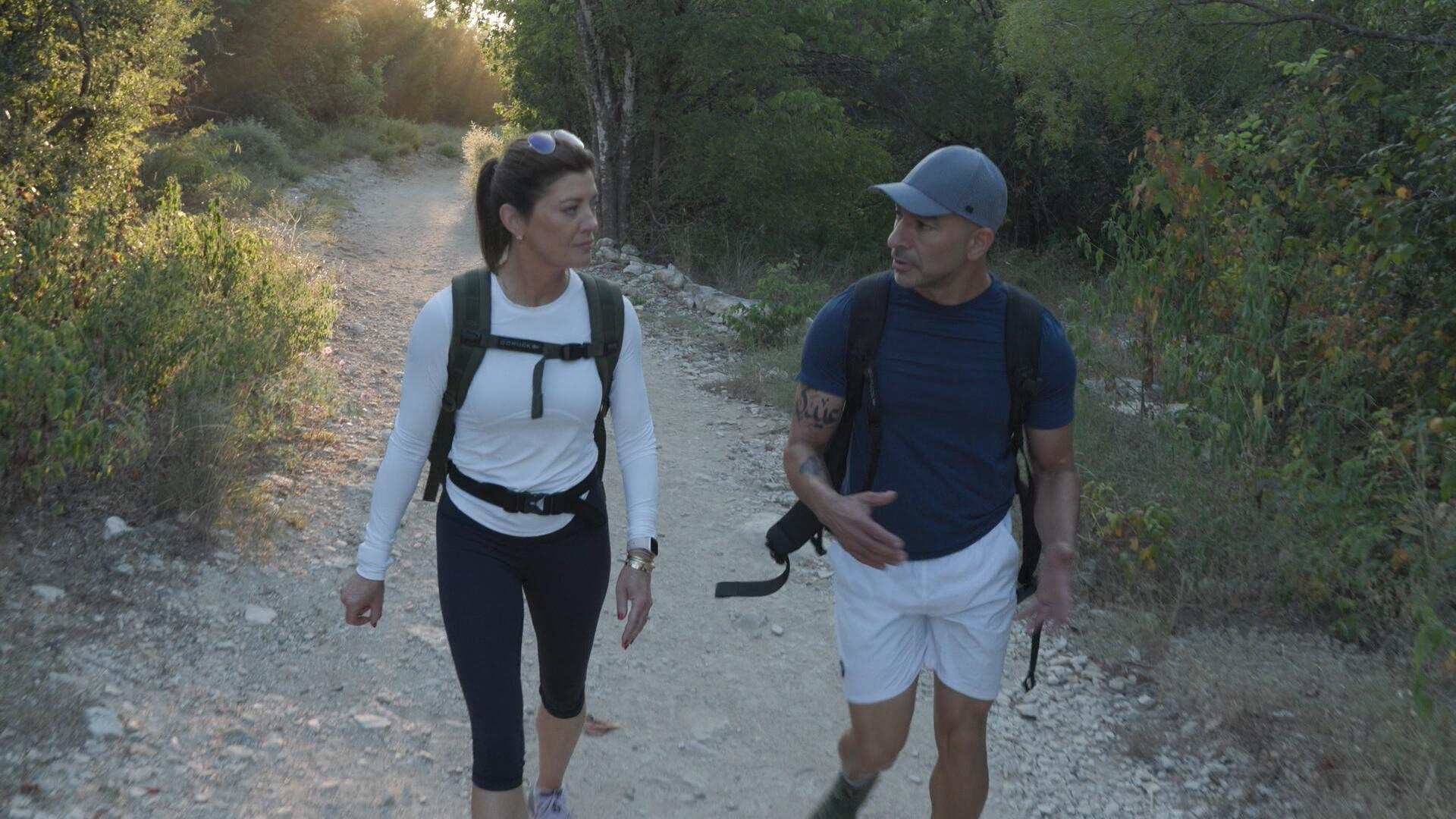
Dr. Peter Attia's appearance on 60 Minutes Overtime offers viewers an extended, behind-the-scenes look at the intersection of modern longevity science, preventative medicine, and healthcare philosophy. In this comprehensive segment, Dr. Attia unpacks his core thesis: shifting modern medicine from treating acute, late-stage chronic diseases to aggressively practicing preventative, proactive health optimization.
Understanding the Premise: Medicine 2.0 vs. Medicine 3.0
To fully grasp the expert insights delivered during the 60 Minutes Overtime segment, one must understand the overarching framework Dr. Attia uses to categorize contemporary healthcare. He famously splits the medical paradigm into two distinct eras: Medicine 2.0 and Medicine 3.0.
Medicine 2.0: The Reactive Paradigm
The current medical establishment operates primarily in what Dr. Attia calls Medicine 2.0. This model is remarkably effective at acute care, trauma response, and managing end-stage pathologies—such as performing emergency surgery after a heart attack or aggressively treating late-stage cancer. However, it suffers from a fatal flaw: it is fundamentally reactive.
Under Medicine 2.0, a patient visits a physician for routine blood panels, receives broad reference ranges, and is told they are "normal" until a specific threshold is crossed. Only when a patient develops overt type 2 diabetes, cardiovascular disease, or cognitive decline does the healthcare system intervene aggressively. By this point, the underlying pathological processes have often been active for decades, making total reversal nearly impossible.
Medicine 3.0: The Proactive Paradigm
Conversely, Medicine 3.0 focuses entirely on prevention and risk reduction long before a disease manifests clinically. The primary goal is not merely extending chronological lifespan—the total number of years a person remains alive—but expanding healthspan, defined as the period of life spent in optimal physical, cognitive, and metabolic health.
During the 60 Minutes and Overtime discussions, Dr. Attia emphasizes that waiting until age 60 to worry about cardiovascular health or muscle mass is far too late. Medicine 3.0 requires early risk stratification, aggressive optimization of metabolic markers, and continuous monitoring of physiological performance to prevent the "Four Horsemen" of chronic disease:
- Cardiovascular disease
- Cancer
- Neurodegenerative diseases
- Metabolic dysfunction (including type 2 diabetes and non-alcoholic fatty liver disease)
Core Themes Explored in the Interview
The Overtime segment dives deeper into several controversial or nuanced aspects of Dr. Attia’s clinical practice that time constraints typically omit from standard broadcast television.
1. Re-evaluating Traditional Reference Ranges
One of the most critical takeaways from Dr. Attia’s framework is the danger of standard laboratory reference ranges. Standard ranges on a blood panel are derived from a bell curve of the existing population—which is, unfortunately, largely unhealthy, insulin-resistant, and sedentary.
When a standard lab report labels a biomarker as "normal," it often means the value is typical for an aging, metabolically compromised population, rather than optimal for longevity. Dr. Attia advocates for pushing biomarkers—such as fasting glucose, fasting insulin, low-density lipoprotein cholesterol (LDL-C), apolipoprotein B (ApoB), and blood pressure—toward the lower end of the physiological spectrum to minimize lifetime cumulative risk.
2. The Crucial Role of Exercise as a Pharmacological Agent
Dr. Attia frequently refers to exercise as the most potent, underutilized "drug" available for extending healthspan. In the extended interview footage, he details how physical fitness is the single strongest predictor of all-cause mortality.
Specifically, the discussion highlights two main pillars of physical conditioning:
- Cardiorespiratory Fitness ($VO_2$ max): A high $VO_2$ max is strongly correlated with a reduced risk of all-cause mortality. Individuals in the top quartile of $VO_2$ max for their age group experience significantly lower rates of cardiovascular events and cognitive decline.
- Muscle Mass and Strength: Sarcopenia—the age-related loss of muscle mass and function—is a silent killer. Maintaining robust muscle mass and grip strength acts as a metabolic sink for glucose, protects against falls and fractures, and preserves metabolic resilience into advanced age.
3. Nutritional Biochemistry and Metabolic Health
While the broadcast segment touches briefly on dietary philosophies, the extended commentary clarifies that there is no single "one-size-fits-all" diet for longevity. Instead, Dr. Attia stresses that dietary interventions (whether caloric restriction, time-restricted eating, ketogenic diets, or Mediterranean-style nutrition) must be evaluated based on their impact on individual metabolic markers:
- Reduction of visceral adiposity (fat storage around internal organs).
- Improvement of insulin sensitivity.
- Preservation of lean muscle mass during energy restriction.
Comparing Medical Paradigms: Medicine 2.0 vs. Medicine 3.0
To visualize the philosophical shift advocated by Dr. Attia, the following table compares traditional healthcare frameworks with the proactive longevity model discussed on 60 Minutes.
| Feature | Medicine 2.0 (Traditional Care) | Medicine 3.0 (Longevity Medicine) |
|---|---|---|
| Primary Objective | Treat acute illness and extend lifespan. | Optimize healthspan and prevent chronic disease onset. |
| Intervention Timing | Reactive; begins after symptom onset or diagnosis. | Proactive; begins decades before clinical disease appears. |
| Biomarker Targets | Population-wide "normal" reference ranges. | Optimal physiological thresholds associated with longevity. |
| View of Exercise | General wellness recommendation. | Core pharmacological intervention with specific dosage metrics. |
| Risk Management | Waiting for thresholds to cross into disease categories. | Continuous risk mitigation for the "Four Horsemen." |
Practical Applications for Everyday Health Optimization
Adopting the insights from 60 Minutes Overtime with Dr. Attia does not require immediate access to elite concierge medical clinics. Individuals can implement foundational longevity protocols through systematic self-assessment and lifestyle modifications.
Step 1: Comprehensive Metabolic and Cardiovascular Screening
Go beyond standard annual physicals by requesting advanced cardiovascular and metabolic panels. Essential metrics to evaluate with a qualified physician include:
- ApoB (Apolipoprotein B): A superior marker to traditional LDL-C because it measures the total count of atherogenic (plaque-forming) particles.
- Lp(a) (Lipoprotein(a)): A genetically determined cardiovascular risk factor that should be tested at least once in an adult lifetime.
- Oral Glucose Tolerance Test (OGTT) with Insulin Assay: Provides a clearer picture of early insulin resistance than fasting glucose or HbA1c alone.
Step 2: Structured Physical Training Program
Design a weekly training regimen that balances aerobic efficiency with resistance training:
- Zone 2 Cardio: Dedicate 3 to 4 sessions per week (45–60 minutes each) to steady-state aerobic exercise where you can maintain a conversation but feel slightly breathless.
- High-Intensity Interval Training (HIIT): Incorporate 1 to 2 sessions weekly to challenge your $VO_2$ max.
- Strength Training: Engage in 3 to 4 weekly sessions focused on compound movements (squats, hinges, pushes, pulls) and carrying heavy loads to maintain bone density and muscle mass.
Step 3: Sleep and Emotional Health Integration
No longevity protocol is complete without addressing sleep architecture and psychological well-being. Chronic sleep deprivation impairs glucose metabolism, elevates cortisol, and accelerates cognitive decline. Prioritize 7 to 8 hours of restorative sleep nightly and manage chronic stress through proven behavioral strategies.
Frequently Asked Questions
What is the main message of Dr. Attia’s appearance on 60 Minutes?
The segment emphasizes that modern medicine excels at acute care (Medicine 2.0) but fails at preventing chronic, age-related diseases. Dr. Attia advocates for Medicine 3.0: a proactive, data-driven approach focused on maximizing healthspan through early screening, targeted exercise, and aggressive metabolic risk reduction.
Why does Dr. Attia criticize standard medical reference ranges?
Standard reference ranges reflect the health status of an average, aging population—much of which is metabolically unhealthy. Dr. Attia argues that aiming for "normal" ranges leaves patients vulnerable to chronic conditions, and that optimal longevity requires pushing key biomarkers to the lower, healthier ends of the spectrum.
How does exercise fit into the longevity framework?
Exercise is treated as a vital prescription. Maintaining high cardiorespiratory fitness ($VO_2$ max) and preserving muscle mass through resistance training are highlighted as the two most powerful interventions for reducing all-cause mortality and preventing functional decline.
What are the "Four Horsemen" of chronic disease?
The Four Horsemen refer to cardiovascular disease, cancer, neurodegenerative diseases, and metabolic dysfunction. Dr. Attia stresses that these four pathological processes account for the vast majority of deaths and loss of healthspan in modern societies, and must be intercepted early.
Can anyone adopt Medicine 3.0 principles without elite medical care?
Yes. While advanced biomarker testing and specialized diagnostics require physician guidance, the core behavioral tenets—such as structured Zone 2 cardio, progressive resistance training, metabolic monitoring, and sleep hygiene—are accessible to anyone committed to long-term health optimization.
Final Recommendation
To translate the expert insights from 60 Minutes Overtime with Dr. Attia into actionable progress, begin by auditing your current metabolic and cardiovascular health markers with your primary care provider. Rather than waiting for symptoms or diagnostic thresholds to trigger standard interventions, establish a baseline for your ApoB, fasting insulin, and $VO_2$ max. Pair these diagnostics with a structured physical training program emphasizing strength and aerobic efficiency, transforming your health strategy from reactive treatment to proactive longevity management.