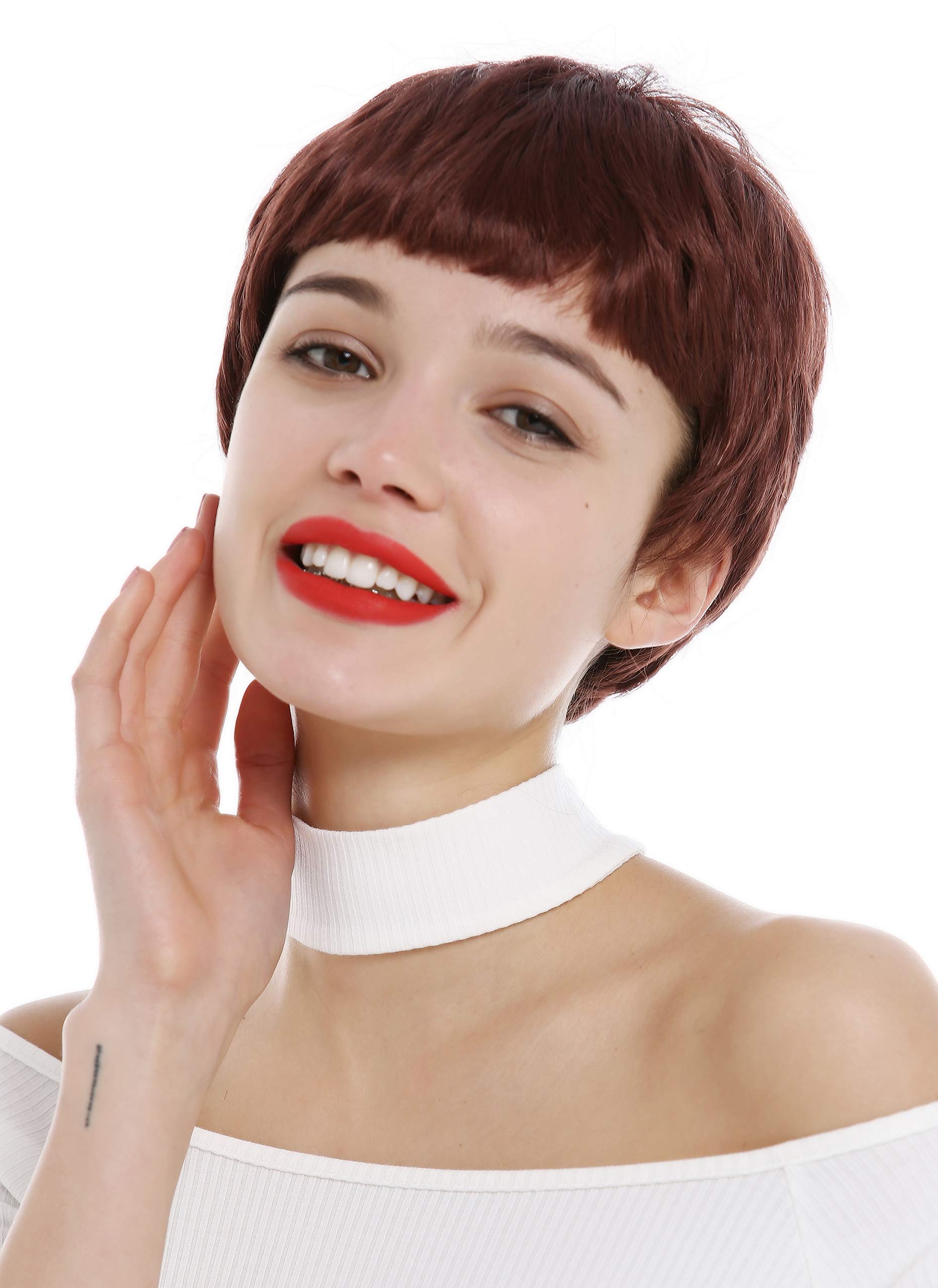
The 60s mod pixie cut is a sculptural, ultra-short retro hairstyle defined by geometric precision, tight crops, heavy textured or blunt bangs, and distinct crown volume that channels the iconic aesthetic of mid-century fashion icons like Twiggy, Mia Farrow, and Jean Seberg. Achieving this timeless look requires understanding your specific face shape, selecting the right texturizing styling products, mastering precision cutting techniques, and committing to regular maintenance routines to keep the sharp silhouettes intact.
The Historical Genesis of the Mod Pixie Cut
The mid-1960s revolutionized fashion, youth culture, and hairdressing. Moving away from the stiff, lacquered bouffants and heavy hairsprayed domes of the 1950s, the mod movement championed youthful rebellion, clean lines, and geometric simplicity. At the heart of this stylistic earthquake was the transformation of women's hair.
Pioneered by visionary salon artists like Vidal Sassoon and worn by supermodels who defined a generation, the short crop became an emblem of liberation. Sassoon introduced the concept of "shape in the bone," cutting hair to fall naturally into geometric forms rather than relying on heavy styling products for artificial hold. The 60s mod pixie cut was not merely a haircut; it was a structural masterpiece that exposed the neck, accentuated the cheekbones, and framed the eyes with razor-sharp precision.
Understanding this historical foundation helps modern wearers appreciate why the cut behaves the way it does. It is engineered architecture for the head. Every layer, angle, and graduation serves a purpose in building the signature silhouette: flat and close-fitting at the nape and sides, with sweeping volume and texture concentrated through the crown and fringe.
Anatomy of a 60s Mod Pixie
To successfully execute or request a 60s mod pixie cut, you must break down its physical architecture. Unlike a modern, tousled, piece-y textured crop, the retro mod variation relies on clean separations, deliberate weight lines, and architectural contrast.
1. The Crown and Top Sections
The hair on top is generally kept longer than the sides and back, allowing it to be swept forward into a dramatic micro-fringe or combed across the forehead with a deep side part. This zone carries the bulk of the visual weight and requires precise texturizing to prevent it from looking heavy or mushroom-like.
2. The Fringe (Bangs)
The fringe is the crown jewel of the mod pixie. It can take two distinct forms:
- The Micro-Fringe: Cut well above the eyebrows, straight across or slightly curved, creating an arresting frame for the eyes.
- The Sweeping Side Fringe: A longer, heavily textured side-swept bang that tapers down toward the cheekbone, softening the angular geometry for those with stronger facial features.
3. The Nape and Sides
The back and sides are tapered, clipped, or scissor-cut very close to the head. The neckline is often cleaned out completely to emphasize the vertical line of the neck, creating a striking contrast against the volume on top.
Face Shape Analysis and Customization
One of the most persistent myths about ultra-short hair is that it only suits a specific type of person. In reality, the 60s mod pixie cut can be customized for virtually any face shape by adjusting where weight is added or removed.
| Face Shape | Mod Modification Strategy | Key Styling Focus |
|---|---|---|
| Oval | Versatile; works naturally with any mod variation. | Focus on sleekness and geometric symmetry. |
| Round | Add height at the crown; keep sides ultra-flat. | Use a side-swept micro-fringe to break up symmetry. |
| Square | Soften strong jawlines with textured, wispy side pieces. | Avoid blunt, harsh lines right at the jaw level. |
| Heart | Balance a wider forehead with a fuller, textured fringe. | Keep volume minimal at the temples; taper smoothly. |
| Oblong | Keep top flatter; add fullness on the sides or a heavy straight bang. | Shorten the overall vertical appearance with a blunt fringe. |
Consulting with a stylist experienced in precision cutting is vital. They will evaluate your hair density, natural growth patterns (such as cowlicks), and head shape before making the initial chop.
Step-by-Step Cutting and Shaping Process
Executing an authentic 60s mod pixie cut requires advanced technical skill. Stylists typically use a combination of dry-cutting for texture and wet-cutting for structural foundation.
- Consultation and Hair Mapping: The stylist assesses density and growth patterns, mapping out the parting lines and determining whether a side-swept or blunt front fringe will best complement the client's features.
- Sectioning: The hair is divided into clean sections: separating the top/crown from the sides and the tightly cropped nape.
- Cropping the Nape and Sides: Using either shears-over-comb or fine clippers with a guard, the back and sides are taken down close to the scalp, establishing a clean, crisp perimeter line around the ears and neckline.
- Establishing the Top Length: The crown sections are pulled out at specific elevation angles to build weight control, ensuring the hair falls smoothly over the cropped sides without creating an unwanted shelf or mushroom effect.
- Cutting the Fringe: The bang section is isolated and cut with precision shears, either straight across for a dramatic retro statement or point-cut for a softer, piece-y texture.
- Texturizing and Detailing: Dry-cutting techniques, such as point-cutting or slide-cutting, are applied to remove bulk, encourage natural movement, and ensure the cut lays flat and sleek against the head.
Essential Styling Products and Tools
Maintaining a 60s mod pixie cut requires a dedicated toolkit. Because the hair is short, product buildup is easy to spot, making product selection and application technique critical.
- Smoothing Serum or Blowout Balm: Essential for creating the sleek, high-shine finish popularized in the 1960s. Apply a pea-sized amount to damp hair before drying.
- Boar Bristle Brush: A small round brush or a flat paddle brush with natural boar bristles helps distribute natural oils, flatten unruly cowlicks, and polish the cuticle for maximum shine.
- Strong-Hold Pomade or Styling Paste: Used to piece out the fringe and lock down the sides. Look for products that offer pliable control without crunchiness or heavy greasiness.
- Fine-Tooth Tail Comb: Vital for achieving razor-sharp, precise side parts that define the vintage mod aesthetic.
- Lightweight Finishing Hairspray: A flexible-hold spray locks the style in place against humidity and wind without weighing down the crown volume.
Daily Styling Routine: From Wet to Retro Chic
Achieving salon-fresh results at home is straightforward once you establish a reliable daily routine.
Step 1: Prep and Prime
Start with freshly washed, towel-dried hair. Apply a lightweight heat protectant and a dime-sized amount of smoothing cream, distributing it evenly from roots to ends with your fingers or a fine-tooth comb.
Step 2: Directional Blow-Drying
Using a nozzle attachment on your hairdryer, direct the airflow downward and forward. If you are sporting a classic forward-swept fringe, brush the top section smoothly across your forehead from back to front while drying. This eliminates unwanted cowlicks and sets the foundational shape.
Step 3: Polishing and Parting
Once dry, use your tail comb to carve out a clean, precise side part if your variation calls for one. Use a flat iron with small plates if you need to tame stubborn waves or flip under the edges of your fringe for that quintessential polished 60s finish.
Step 4: Texturizing and Setting
Warm a tiny amount of pomade between your fingertips. Lightly touch the ends of your fringe and sweep the sides down flat against your scalp. Finish with a quick mist of lightweight hairspray to seal the look.
Maintenance, Upkeep, and Growing Out
Short hair demands commitment. The sleek geometry of a mod pixie cut relies heavily on precision, meaning even a quarter-inch of growth can alter its intended shape.
- Salon Visit Frequency: To maintain crisp lines around the ears, neck, and fringe, plan for trim appointments every 4 to 6 weeks.
- Managing Cowlicks: As hair grows out, cowlicks at the nape or crown will become more stubborn. Regular trims and targeted styling paste are your best defense.
- The Growing-Out Phase: If you eventually decide to transition away from the mod pixie, the growing-out phase requires patience. Focus on trimming the back and neck while letting the top and fringe grow to create a chic, textured French bob or a mod shag.
Frequently Asked Questions
Can a 60s mod pixie cut work with curly or wavy hair?
Yes, though it requires a different cutting approach. Naturally curly hair creates a softer, more textured vintage look reminiscent of the late 60s art-school aesthetic. Stylists will cut the curls dry to account for shrinkage and spring factor, ensuring the shape remains balanced rather than puffy.
How often do I need to wash a mod pixie cut?
Because short hair is closer to the scalp, it tends to absorb natural scalp oils faster than long hair. Many people with pixie cuts wash their hair every day or every other day. Using a gentle, sulfate-free shampoo prevents scalp irritation and maintains moisture balance.
Will a mod pixie cut make my face look rounder?
Not if it is cut correctly. By adding height at the crown and keeping the sides extremely flat and sleek, a stylist can elongate the appearance of the face. Incorporating an asymmetrical side-swept fringe also draws the eye diagonally, neutralizing roundness.
What is the difference between a standard pixie and a mod pixie?
A standard modern pixie is often heavily textured, tousled, and low-maintenance, designed to look effortless and undone. A 60s mod pixie is architectural, geometric, and precise, featuring deliberate weight lines, high-shine finishes, and sharp micro-fringes inspired by mid-century haute couture.
Is styling a mod pixie cut difficult for beginners?
It has a short learning curve. While styling takes only about 5 to 10 minutes each morning, you must master directional blow-drying to control your natural growth patterns. Once you build muscle memory with your brush and blow dryer, the routine becomes second nature.
Final Recommendation
Embracing the 60s mod pixie cut is a bold, liberating style statement that strips away clutter to highlight your facial bone structure and personal confidence. Before your salon appointment, collect reference images that match your hair texture and face shape, and communicate clearly with your stylist about your maintenance threshold. Commit to regular 4-to-6-week trims, invest in high-shine smoothing products, and wear your new retro architecture with unwavering poise.