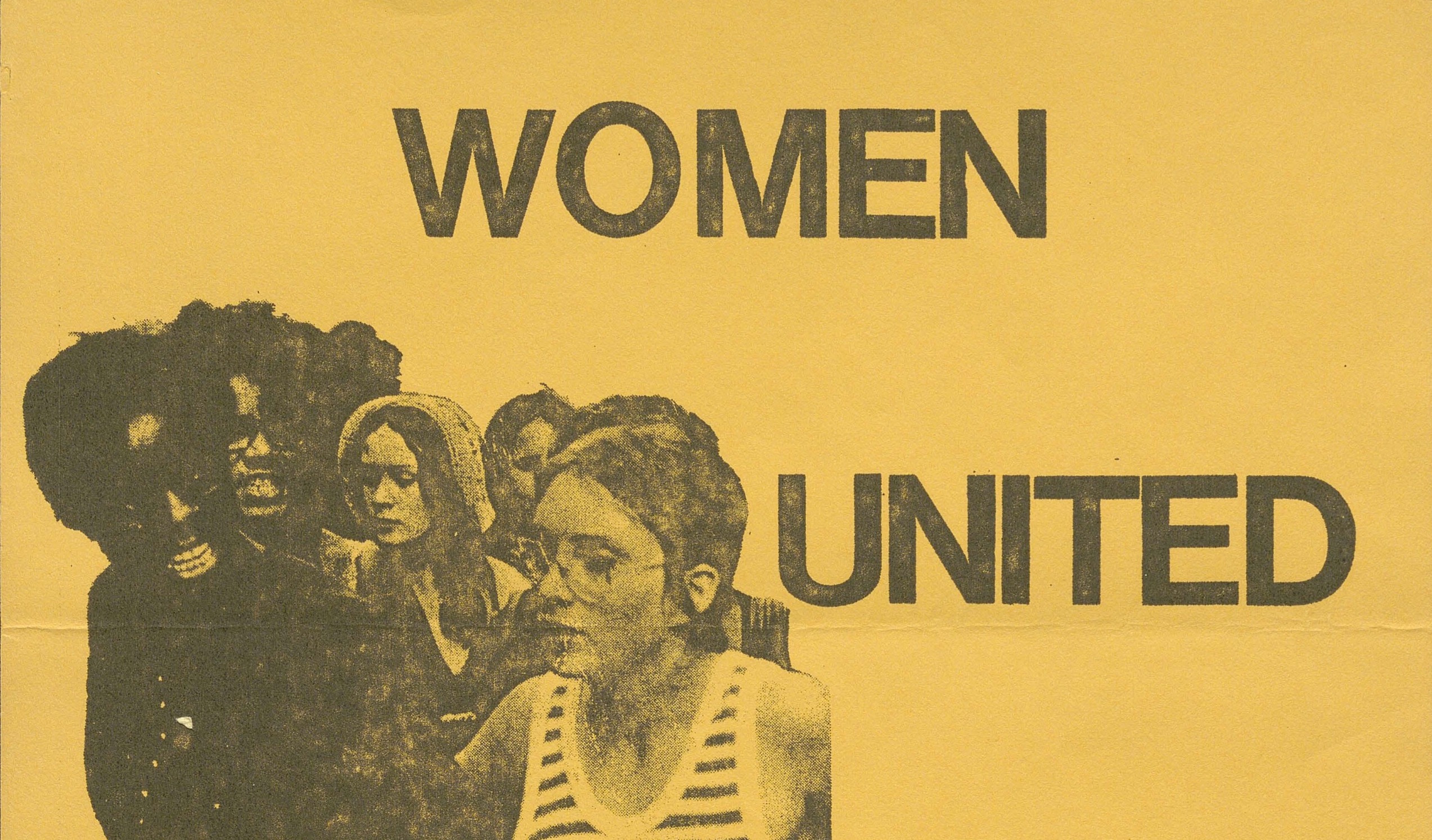
A "1960s image" refers to a photographic or graphic artifact produced between January 1, 1960, and December 31, 1969. Whether you are a researcher, collector, or content creator, locating these images requires navigating a mix of public domain archives, specialized commercial stock agencies, and private estate collections. Authenticating these assets depends on verifying the provenance, technical specifications of the era, and copyright status under current intellectual property law.
Defining the 1960s Aesthetic and Technical Standard
To identify a genuine image from the 1960s, you must look beyond the subject matter and understand the limitations and characteristics of the period's photographic technology. During this decade, photography transitioned from the ubiquity of black-and-white film to the increasing accessibility of color transparency film, specifically Kodachrome and Ektachrome.
True 1960s images are rarely "high definition" by 2026 standards. They exhibit specific film grain patterns dictated by the ISO (then often referred to as ASA) ratings of the time. Kodachrome, famous for its archival stability, provides a distinct high-contrast, vibrant color palette that often lacks the subtle shadow detail found in modern digital sensors. If you are examining a physical print, look for fiber-based paper or resin-coated papers, the latter of which began to appear toward the end of the decade. Signs of age—such as silver mirroring on black-and-white prints or the color shifting inherent in degrading color film—are common markers of authenticity.
Where to Source Authentic 1960s Images
Sourcing these images varies significantly depending on your intended use, ranging from personal research to commercial licensing.
1. Public Domain and Institutional Archives
Many government and academic institutions hold vast collections of 1960s media that are either in the public domain or available for non-commercial research.
- The Library of Congress: This remains the primary resource for United States history, featuring millions of digitized negatives and prints from the 1960s.
- National Archives and Records Administration (NARA): Useful for historical and military-related imagery.
- University Digital Libraries: Many universities have digitized the personal papers of 1960s figures, providing access to professional-grade photography.
2. Commercial Stock and Rights-Managed Agencies
If you require high-resolution images for publication, commercial stock agencies act as clearinghouses for rights-managed or royalty-free collections. These agencies hold the physical archives of major 20th-century photojournalists. You are paying not just for the image file, but for the verification of the usage rights and the high-quality professional scanning of original negatives.
3. Private Estate Collections
For rare or unpublished imagery, auction houses and estate sales are the primary channels. This is the most complex route, as it requires legal due diligence regarding the transfer of copyright, which may not always be bundled with the sale of the physical object.
Comparison of Sourcing Channels
| Channel | Best For | Cost Model | Rights Complexity |
|---|---|---|---|
| Public Archives | Research/History | Free/Nominal Fees | Low (Public Domain) |
| Commercial Agencies | Commercial/Media | Licensing Fees | Moderate/Managed |
| Private Estates | Exclusive/Rare items | High/Bid-based | High (Legal Review) |
Legal Considerations and Copyright Status
The copyright status of a "1960s image" is governed by the laws of the country where the work was created and, in many cases, international treaties like the Berne Convention.
In the United States, any work published before 1929 is safely in the public domain. However, images from the 1960s are largely still under copyright protection. Copyright duration for a work created in the 1960s is generally the life of the author plus 70 years. If the work was created as a "work for hire" or by an anonymous author, the copyright term may extend for 95 years from the date of publication.
Before using any 1960s image for commercial purposes, you must:
- Identify the Author: Determine if the photographer is still alive or if their estate owns the rights.
- Verify Publication Status: Check if the image was ever published with a proper copyright notice. Images published without notice between 1960 and 1977 might have entered the public domain, but this is a complex legal area that requires individual assessment.
- Obtain Licensing: If the image is protected, you must secure a license from the rights holder. Using an image based solely on its age is a high-risk strategy that often leads to copyright infringement claims.
Troubleshooting Common Authentication Issues
When you find an image that is purported to be from the 1960s, use these verification steps:
- Metadata Discrepancies: If you are viewing a digital file, check the EXIF data. While digital metadata can be added later, a "Date Taken" field showing the year 2026 is an immediate red flag that the image is a modern scan, not a native digital file.
- Anachronistic Details: Examine the contents of the image. Does it feature clothing, technology, or signage that contradicts the 1960s timeline? Look for "tells" such as digital watches, modern plastic materials, or specific building architecture that post-dates the era.
- Physical Inspection: If dealing with a physical original, use a jeweler's loupe to inspect the film grain. If you see a consistent, repeating dot pattern, it is a halftone print from a newspaper or magazine, not an original photograph.
Digitization and Preservation
If you possess original 1960s film (slides or negatives), the best way to handle them is through professional-grade digitization. Household flatbed scanners often lack the Dmax (dynamic range) required to capture the full shadow detail of high-quality 1960s film.
- Resolution: Aim for at least 4,000 DPI for 35mm film if you intend to create large-format prints.
- File Format: Always save the raw scan as a TIFF file. TIFF is an uncompressed format that preserves all the data, whereas JPEG files undergo "lossy" compression that will degrade the image quality every time the file is saved.
- Storage: 1960s color film is prone to "color dye fading." Keep original physical film in acid-free sleeves away from direct sunlight, humidity, and heat to prevent further deterioration.
Frequently Asked Questions
Are all 1960s images in the public domain now? No. Most images created in the 1960s are still under copyright. As of 2026, the 95-year term for corporate-owned works has not yet expired for the 1960s, and works with individual authors are protected for their lifetime plus 70 years. Always verify the specific status before use.
How can I tell if a 1960s photo has been edited or photoshopped? Genuine 1960s photographs were often edited using traditional darkroom techniques like dodging, burning, or airbrushing. Look for subtle unnatural gradients or signs of manual retouching. Modern digital manipulation often leaves distinct artifacts, such as "aliasing" or unnatural sharpness around edges that did not exist in mid-century analog photography.
Why does my 1960s color photo look red or purple? This is known as "color shift" or "dye fading." The chemical dyes used in color film from the 1960s (particularly early Ektachrome) were not perfectly stable. Over decades, the yellow and cyan dyes fade faster than the magenta dye, leading to the characteristic reddish cast seen in many vintage snapshots.
Where is the best place to find historical 1960s stock photography? Major archives like Getty Images or Corbis (now integrated into other platforms) hold the largest collections of professional 1960s photography. These platforms are the standard for commercial licensing because they provide the necessary documentation to prove you have cleared the rights for the image.
Is it legal to use a 1960s image I found on social media? Generally, no. Finding an image on social media does not grant you the right to use it. The person who posted it may not be the copyright holder, and even if they are, they are not granting you a license for commercial use by posting it publicly. You must track down the original rights holder to obtain permission.
Next Steps for Collectors and Researchers
If your goal is to curate a collection or use these images for a project, your immediate next step should be to establish a clear audit trail for every image. For every 1960s image you intend to use, document the following in a simple spreadsheet: the source, the date of creation (if known), the current copyright holder, and the license type. If you are unable to locate a clear owner, consider choosing a different image to avoid future legal liabilities. For those wishing to preserve personal family memories from the 1960s, prioritize digitizing your originals with a professional scanning service before the inevitable degradation of the film progresses further.