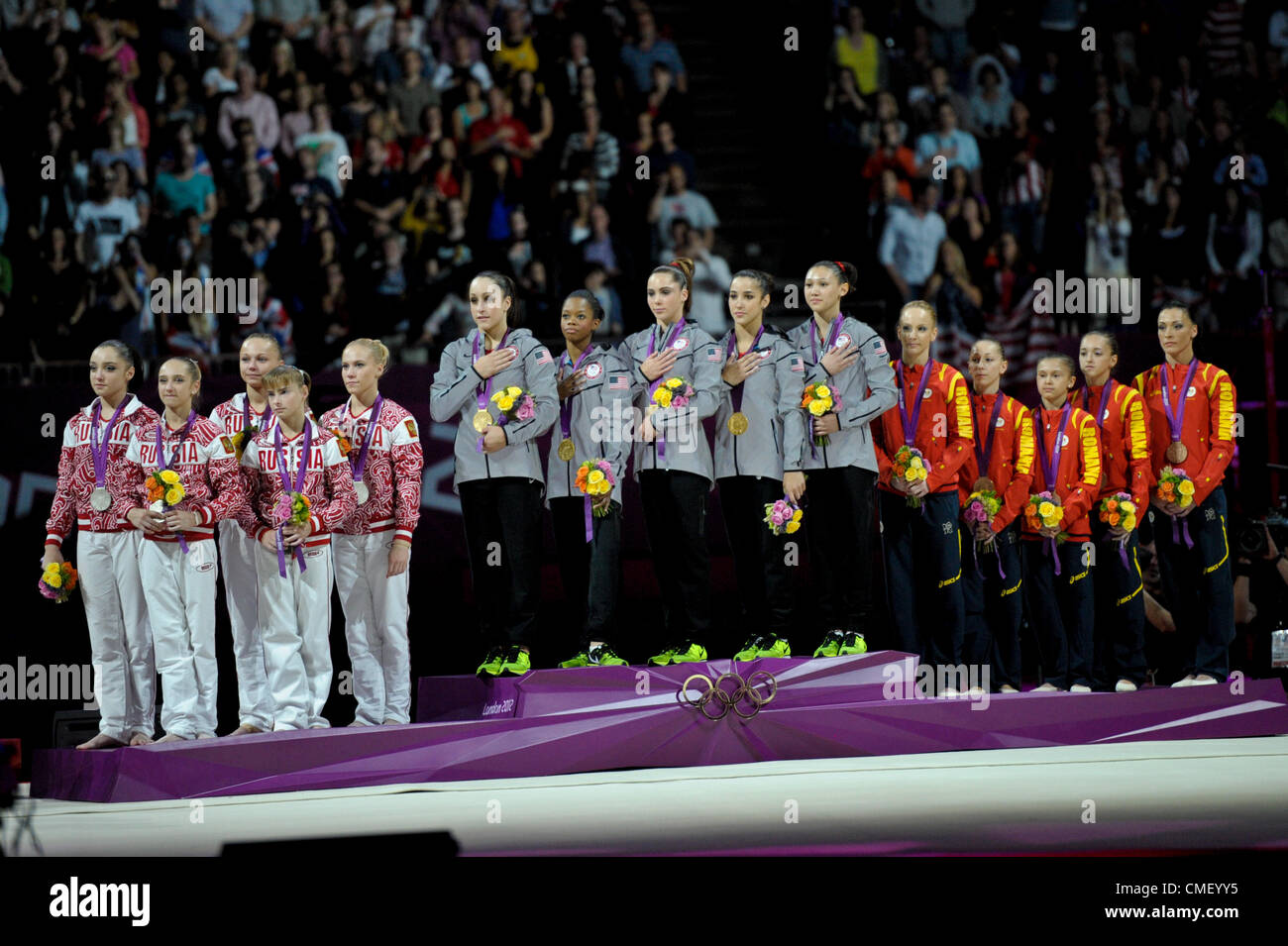
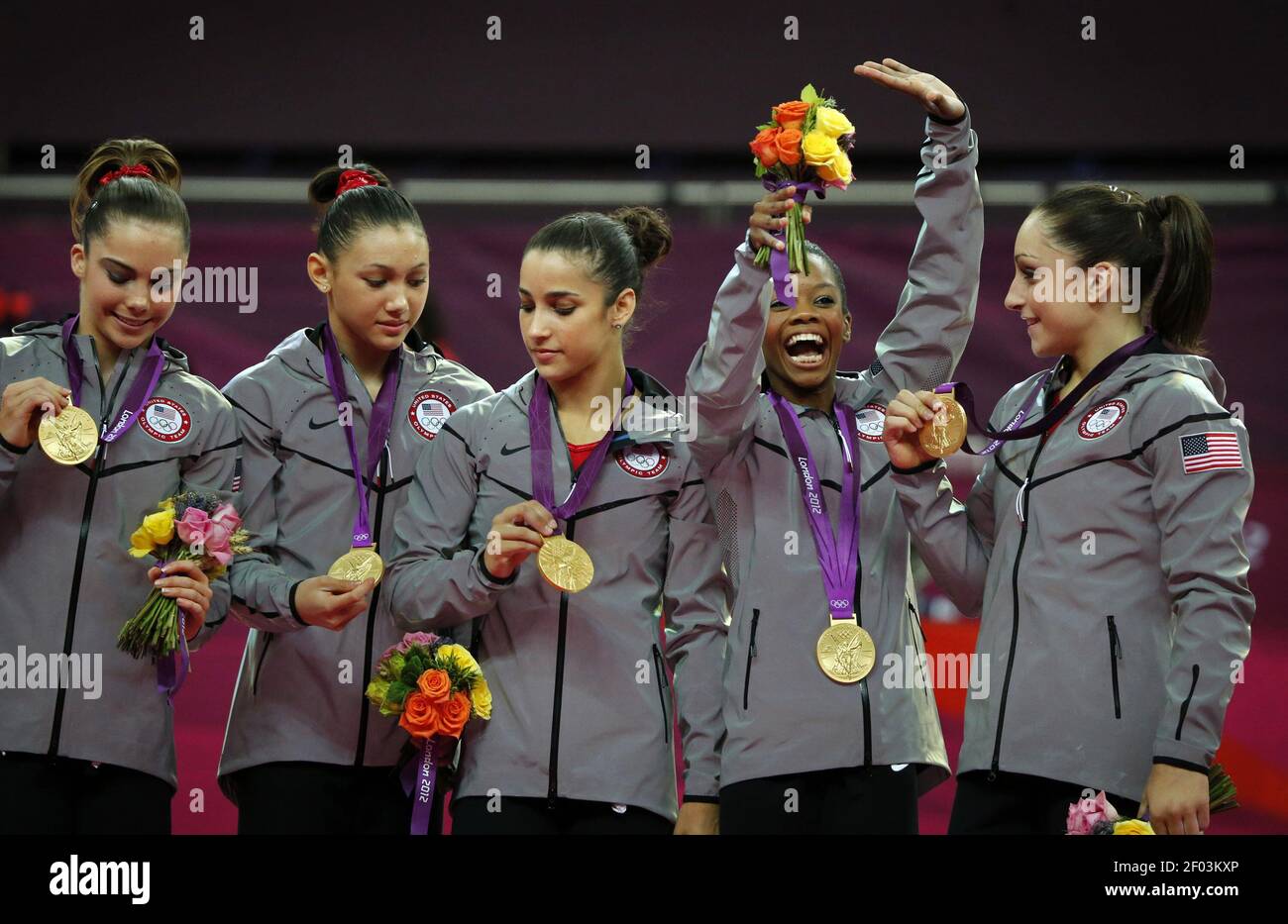
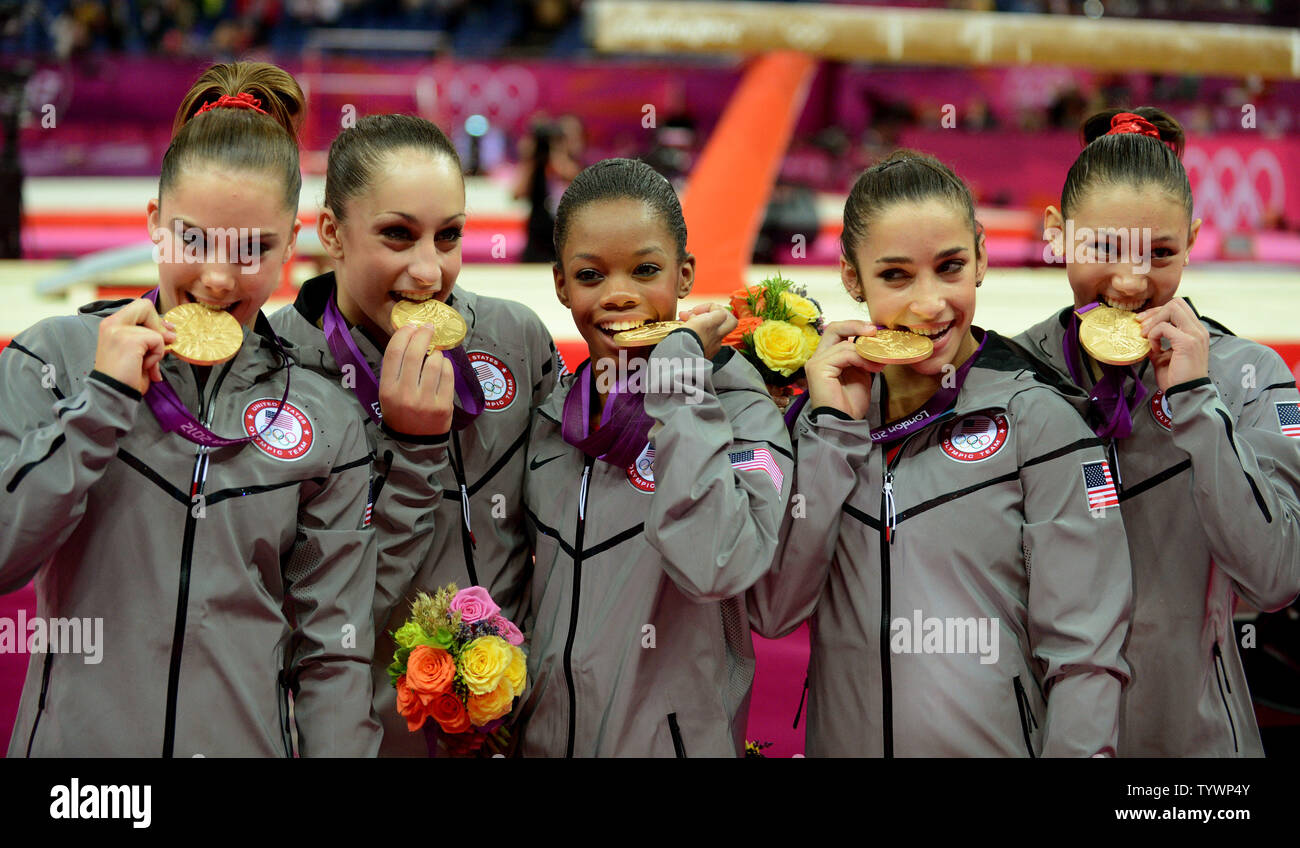
The 2012 US gymnastics team, famously known as the "Fierce Five," captured the team gold medal at the London Olympic Games, delivering only the second-ever team gold in American women's gymnastics history and cementing their status as one of the most dominant lineups the sport has ever seen. Comprising Gabby Douglas, McKayla Maroney, Aly Raisman, Kyla Ross, and Jordyn Wieber, this roster combined historic individual brilliance with unmatched collective depth to dominate the international gymnastics landscape.
Historical Context and Team Formation
To understand the magnitude of the 2012 United States Olympic women's gymnastics team, it is necessary to examine the landscape of the sport leading up to the London Games. Following the success of the "Magnificent Seven" at the 1996 Atlanta Olympics and the "Fabulous Fests" at the 2004 Athens Olympics, the US program entered an era of unprecedented depth under the guidance of National Team Coordinator Martha Karolyi. The selection process for the 2012 Olympic team was notoriously rigorous, culminating at the US Olympic Trials in San Jose, California.
The journey to the final five spots was fiercely contested. Jordyn Wieber entered the trials as the reigning 2011 World All-Around Champion and the heavy favorite to claim the individual Olympic all-around gold. Aly Raisman had established herself as a powerhouse on floor exercise and balance beam, serving as a consistent and reliable anchor for the squad. Gabby Douglas surged in the spring of 2012, winning the American Cup and showcasing breathtaking difficulty and execution on the uneven bars. McKayla Maroney brought world-class vaulting prowess, specifically her trademark Amanar vault, which yielded some of the highest execution scores in the sport. Kyla Ross, the youngest member of the team, provided the pristine execution, elegance, and consistency required to balance out the team's high-difficulty routines.
When the selection committee announced the team on July 1, 2012—consisting of Wieber, Douglas, Raisman, Maroney, and Ross, with alternate spots going to Elizabeth Price, Sarah Finnegan, and Anna Li—the roster possessed a rare balance of power, artistry, and technical precision.
The Road to London and Qualification Rounds
The pressure on the 2012 US team intensified immediately upon their arrival in London. Media scrutiny was relentless, with sports analysts and fans projecting multiple gold medals across the team and individual events. The qualification round at the North Greenwich Arena on July 29, 2012, served as the first major test of their composure.
During qualifications, the unexpected and heartbreaking nature of elite gymnastics revealed itself. While the US team finished first overall in the team qualifications, securing a comfortable berth in the team final, the individual all-around standings delivered a shocking twist. Due to the Olympic rule limiting each country to a maximum of two athletes in the individual all-around final, Jordyn Wieber—the reigning world champion—placed third among Americans behind Gabby Douglas and Aly Raisman. Consequently, Wieber was locked out of the individual all-around competition, a devastating emotional blow for an athlete who had spent a quadrennium at the top of the sport.
Despite this setback, the team refocused rapidly. The coaching staff, led by Martha Karolyi alongside personal coaches like Liang Chow (Douglas), Arthur Akopyan and Galina Marinova (Maroney), Mihai and Aleksandra Bretan (Raisman), and Jenny Zhang and Howie Liang (Ross), managed the psychological toll on the athletes to ensure total readiness for the team final.
| Athlete | Primary Events | Notable 2012 Olympic Medals | Signature Element / Apparatus |
|---|---|---|---|
| Gabby Douglas | All-Around, Uneven Bars | Team Gold, Individual All-Around Gold | Amanar Vault / Tkatchev on Bars |
| McKayla Maroney | Vault, Floor Exercise | Team Gold, Vault Silver | Yurchenko 2.5 (Amanar) |
| Aly Raisman | Balance Beam, Floor Exercise | Team Gold, Floor Gold, Beam Bronze | Two-pass tumbling / Moor |
| Kyla Ross | Uneven Bars, Balance Beam | Team Gold | Fluid transition series on beam |
| Jordyn Wieber | All-Around, Floor Exercise | Team Gold | High-difficulty tumbling on floor |
The Team Final: Securing the Gold
On July 31, 2012, the "Fierce Five" took the floor for the Olympic team final, competing against powerhouse teams from Russia, China, Romania, and others. Under the new 6-up, 3-count format (where six athletes compete on each event and all three scores count), consistency and hit routines were paramount.
The United States began the competition on the vault, setting an aggressive tone. McKayla Maroney delivered a nearly flawless Amanar vault, scoring a massive 15.900. Raisman and Wieber supported her with strong vaults, putting the US in an early lead.
Moving to the uneven bars, Gabby Douglas showcased her world-class technique, earning a 15.333 that solidified the rotation. Despite minor wobbles across the field, the American team maintained their technical composure.
The balance beam proved to be a nerve-wracking apparatus for many nations, but the US gymnasts demonstrated exceptional poise. Kyla Ross delivered a calm, precise routine that earned a 15.133, and Raisman followed with a rock-solid performance that scored a 15.300, keeping the United States firmly ahead.
The competition concluded on the floor exercise. Aly Raisman, serving as the final competitor for the United States, delivered a powerful, high-energy routine to "Hava Nagila," sticking her tumbling passes and sealing the victory. When her score of 15.300 flashed on the board, the US team mathematically clinched the gold medal before the final routines of other nations had even concluded. They finished with a total score of 183.596, more than five points ahead of the silver-medaling Russian team, capturing the first US team gold on foreign soil.
Individual Glory and Medals Conquered
Following the historic team victory, the members of the 2012 US gymnastics team transitioned to the individual event finals, where they continued to collect historic hardware.
Gabby Douglas entered the individual all-around final on August 2, 2012, carrying the weight of a nation. With clean, powerful execution across vault, bars, beam, and floor, Douglas captured the all-around gold medal with a score of 62.232. In doing so, she became the first African American woman, as well as the first woman of color of any nationality, to win the Olympic individual all-around title.
In the apparatus finals, McKayla Maroney was heavily favored to win gold on the vault. She performed a breathtaking Amanar in the first rotation, earning a 15.866. However, a rare fall on her second vault (a Podkopayeva) dropped her into the silver medal position, creating one of the most memorable and viral podium expressions in Olympic history.
Aly Raisman continued her stellar games by capturing the bronze medal on the balance beam after a successful inquiry raised her score. She then dominated the floor exercise final, winning the gold medal with a routine defined by difficulty and execution. Additionally, Jordyn Wieber bounced back from her qualification disappointment to help anchor the team and place fourth in the floor exercise final, while Kyla Ross contributed vital scores across multiple apparatuses throughout the fortnight.
Legacy, Impact, and Long-Term Influence
The impact of the 2012 US gymnastics team extended far beyond their medal count in London. They redefined the physical capabilities and global perception of American gymnastics, proving that US athletes could combine unprecedented difficulty with artistic cleanliness.
- Inspiration and Representation: Gabby Douglas’s historic all-around gold medal opened doors for a new generation of diverse gymnasts who saw themselves represented at the highest tier of the sport.
- Program Culture: The success of the "Fierce Five" validated Martha Karolyi’s centralized training camp system, establishing a standard of excellence that carried through subsequent Olympic cycles in 2016 and 2020.
- Cultural Footprint: The moniker "Fierce Five" transcended sports media, turning the athletes into cultural icons who appeared on cereal boxes, talk shows, and major media campaigns, bringing mainstream attention to gymnastics during a non-Olympic year.
Frequently Asked Questions
Who were the members of the 2012 US Olympic gymnastics team?
The team consisted of Gabby Douglas, McKayla Maroney, Aly Raisman, Kyla Ross, and Jordyn Wieber. They were selected following the US Olympic Trials in San Jose, California, and competed at the London 2012 Olympic Games.
Why was the 2012 US gymnastics team called the "Fierce Five"?
The nickname "Fierce Five" was coined by the gymnasts themselves and popularized by media and fans after the team won the gold medal. It reflected both their competitive dominance and their tight-knit bond throughout the Olympic journey.
Did any member of the 2012 team win an individual all-around gold medal?
Yes. Gabby Douglas won the individual all-around gold medal in London, becoming the first African American woman to achieve this historic milestone in gymnastics history.
What was the scoring system used in the 2012 Olympics?
The 2012 Games used the International Gymnastics Federation (FIG) Code of Points, which calculates scores by adding a difficulty (D) score to an execution (E) score, with no theoretical cap of 10.0 points.
Which medals did Aly Raisman win in London?
Aly Raisman won a team gold medal, an individual gold medal on the floor exercise, and an individual bronze medal on the balance beam. She also placed fourth in the individual all-around after a tie-break rule kept her off the podium.
Final Recommendation
For enthusiasts, researchers, and sports historians looking to explore the depth of the 2012 US gymnastics team, reviewing archival competition broadcasts and official FIG documentation provides clear technical insight into how the Code of Points was executed during that quadrennium. Supplementing viewing with the athletes' autobiographies offers firsthand context regarding the mental resilience required to excel at the pinnacle of elite athletics.