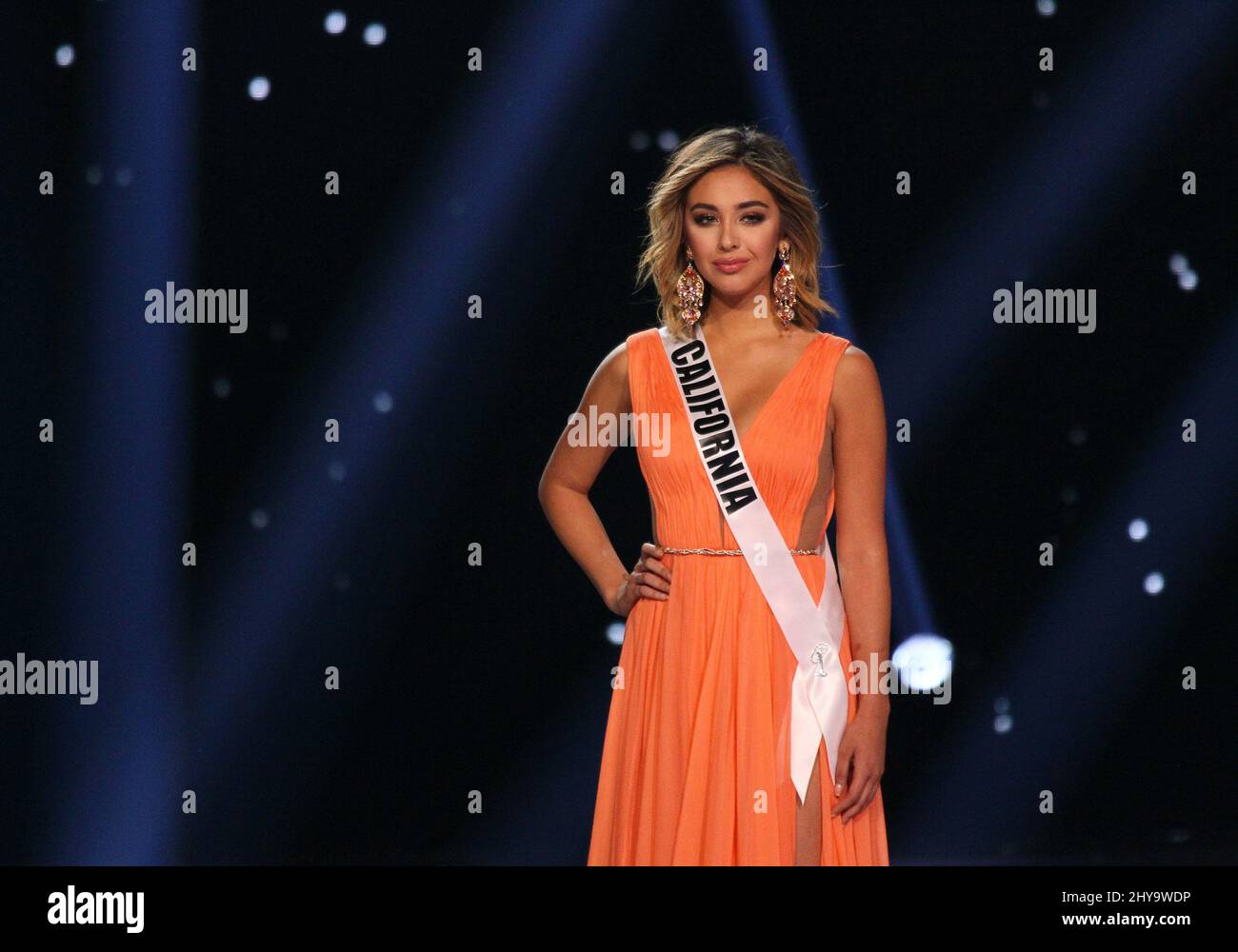
The 2016 Miss USA pageant was a landmark event in the history of the organization, notable for crowning Deshauna Barber as the winner, showcasing a diverse field of contestants, and navigating the operational transition following a turbulent ownership and broadcasting shakeup in 2015.
The 2016 Miss USA Pageant: Context and Background
To understand the significance of the 2016 Miss USA pageant, it is necessary to examine the operational and cultural environment surrounding the organization at that time. Throughout its history, the Miss USA pageant has served as a prominent American beauty competition, selecting the representative who goes on to compete in the Miss Universe pageant. However, the year leading up to the 2016 competition brought unprecedented institutional shifts.
In mid-2015, the Miss Universe Organization—which includes Miss USA and Miss Teen USA—underwent a major ownership transition. Following controversial remarks made by Donald Trump, who was then a co-owner of the organization, NBCUniversal and Univision severed their broadcasting partnerships with the pageant. Shortly thereafter, talent agency WME-IMG (now known as Endeavor) acquired the organization in full. The 2016 competition was therefore the first under the complete stewardship of WME-IMG, marking a concerted effort to rebrand the pageant with a stronger emphasis on empowerment, diversity, and professional achievement rather than traditional aesthetics alone.
The event took place on June 5, 2016, at the T-Mobile Arena in Las Vegas, Nevada. The telecast was broadcast nationally on Fox, securing a vital television platform after the previous year's distribution uncertainties. Julianne Hough and Terrence Jenkins co-hosted the event, while Ashley Graham served as the backstage host, signaling a modernized approach to the broadcast and media presentation.
Winners and Finalists of 2016
The competition featured 52 contestants representing the 50 U.S. states, the District of Columbia, and the territories. The final results highlighted a competitive group of women with diverse professional and educational backgrounds.
Deshauna Barber: Miss USA 2016
The crown ultimately went to Deshauna Barber, representing the District of Columbia. Barber made history as the first serving member of the United States military to win the Miss USA title. At the time of her coronation, she was a logistics commander in the U.S. Army Reserve and worked as an IT analyst for the U.S. Department of Commerce. Her victory introduced a prominent military presence to the national stage, shifting media discussions toward service, discipline, and gender roles within the armed forces.
Runners-Up
The runners-up round featured contestants who demonstrated high performance across the swimsuit, evening gown, and final interview phases:
- First Runner-Up: Chelsea Hardin (Miss Hawaii USA), who garnered significant attention during the top-five interview segment regarding national politics.
- Second Runner-Up: Emanii Davis (Miss Georgia USA), who advocated for foster care awareness and community service.
Top Finalists Breakdown
The following table provides an overview of the top contestants, their representing states, and their distinct professional or advocacy focuses during the 2016 pageant:
| Contestant | Representing State/Territory | Final Placement | Notable Background / Platform Focus |
|---|---|---|---|
| Deshauna Barber | District of Columbia | Winner | U.S. Army Reserve Logistics Commander / IT Analyst |
| Chelsea Hardin | Hawaii | First Runner-Up | Marketing professional / Native Hawaiian cultural advocate |
| Emanii Davis | Georgia | Second Runner-Up | University student / Foster care system advocate |
| Melany Rivera | Louisiana | Top 5 Finalist | Broadcast journalism student / Literacy advocate |
| Peyton Brown | Alabama | Top 10 Finalist | Communications professional / Animal rescue supporter |
| Allie Dunn | Oklahoma | Top 10 Finalist | Nursing student / Healthcare access proponent |
The Crowns of the Miss USA Organization
The physical crown worn by the winner of a national pageant carries significant symbolic and financial weight. In the history of Miss USA, crowns have periodically changed to reflect new branding initiatives, design partnerships, or sponsorship agreements.
By 2016, the organization was utilizing crowns crafted by Diamond Nexus, which had entered into a multi-year partnership to design the official headpieces for Miss USA, Miss Teen USA, and Miss Universe. These crowns were manufactured using synthetic gemstones and lab-created cubic zirconia rather than mined diamonds, aligning with contemporary ethical and environmental sourcing standards promoted by the corporate ownership.
The 2016 crown featured an intricate, soaring architectural silhouette designed to resemble the skyline of New York City—the home of the organization—while incorporating elements of radiance and stability. Valued in the hundreds of thousands of dollars, the crown was a temporary symbol of reign; winners typically received a smaller replica crown for personal retention after their tenure concluded, while the official physical crown remained the property of the organization for subsequent promotional use.
Controversies and Notable Incidents
While the 2016 pageant was celebrated for its smooth production compared to the prior year, it was not entirely immune to controversy. Discussions primarily centered around judging criteria, the nature of competition questions, and public discourse surrounding socio-political topics.
The Top-Five Interview Controversy
The most widely discussed moment of the 2016 telecast occurred during the top-five interview segment, specifically involving Miss Hawaii USA, Chelsea Hardin. Judge Joe Zee asked Hardin a pointed question regarding the upcoming 2016 U.S. presidential election: “The Pentagon recently made the decision to open up all combat roles to women. Now, some have questioned if this has put political correctness over our military’s ability to win wars. What is your opinion on-the-spot?”
Hardin responded by addressing the broader scope of gender equality in the workforce, stating that gender does not limit an individual's capability in the military or any other sector, provided they possess the necessary dedication. While her response was well-received by many viewers, media outlets and commentators heavily debated whether the complex, politically charged nature of the question placed an undue burden on a contestant during a live, high-pressure broadcast.
Pre-Pageant Scrutiny and Social Media Discourse
As with any major televised competition, the 2016 event faced online scrutiny regarding judging outcomes, regional representation, and scoring transparency. Critics frequently debate the subjective nature of beauty pageants, questioning how judges weigh physical presentation against interview performance and stage presence. However, the selection of Deshauna Barber—a military officer—largely shifted public conversation away from traditional pageant critiques and toward discussions about female leadership in male-dominated institutions.
Impact of the 2016 Pageant
The crowning of Deshauna Barber and the execution of the 2016 event played a critical role in stabilizing the Miss USA brand following the corporate restructuring of 2015. Barber utilized her platform throughout her reign to advocate for military veterans, address post-traumatic stress disorder (PTSD), and highlight the challenges faced by women in the armed forces.
Furthermore, the operational success of the 2016 broadcast re-established the pageant's commercial viability on national television. It set a precedent for subsequent years, proving that the organization could attract large audiences while emphasizing contemporary social issues, professional achievements, and diverse representation.
Frequently Asked Questions
Who won the 2016 Miss USA pageant?
Deshauna Barber, representing the District of Columbia, won the 2016 Miss USA title. She made history as the first serving member of the U.S. military to win the crown, serving as a logistics commander in the U.S. Army Reserve at the time of her victory.
What organization owned Miss USA in 2016?
In 2016, the Miss Universe Organization—which includes Miss USA—was owned by WME-IMG (now Endeavor) following an ownership acquisition in late 2015. This was the first Miss USA competition held under their direct management.
What controversy occurred during the 2016 Miss USA pageant?
The primary point of discussion during the live broadcast was the interview question posed to Miss Hawaii USA, Chelsea Hardin, regarding the integration of women into all combat roles in the U.S. military. Commentators debated the complexity and political nature of asking contestants to evaluate ongoing national policy on-the-spot.
Who were the runners-up in the 2016 competition?
Chelsea Hardin of Hawaii finished as the first runner-up, and Emanii Davis of Georgia finished as the second runner-up. Both advanced through the rigorous swimsuit, evening gown, and interview rounds to reach the final top three.
Where was the 2016 Miss USA pageant held?
The 2016 pageant took place on June 5, 2016, at the T-Mobile Arena in Las Vegas, Nevada. The event was broadcast live across the United States on the Fox television network.
Next Actions and Further Reading
For those researching the history of American pageantry, examining the official archives of the Miss Universe Organization provides direct insight into scoring criteria, past titleholders, and philanthropic initiatives. Reviewing archival footage of the 2016 telecast offers primary context on how modern interview formats and production values evolved following the 2015 ownership transition.