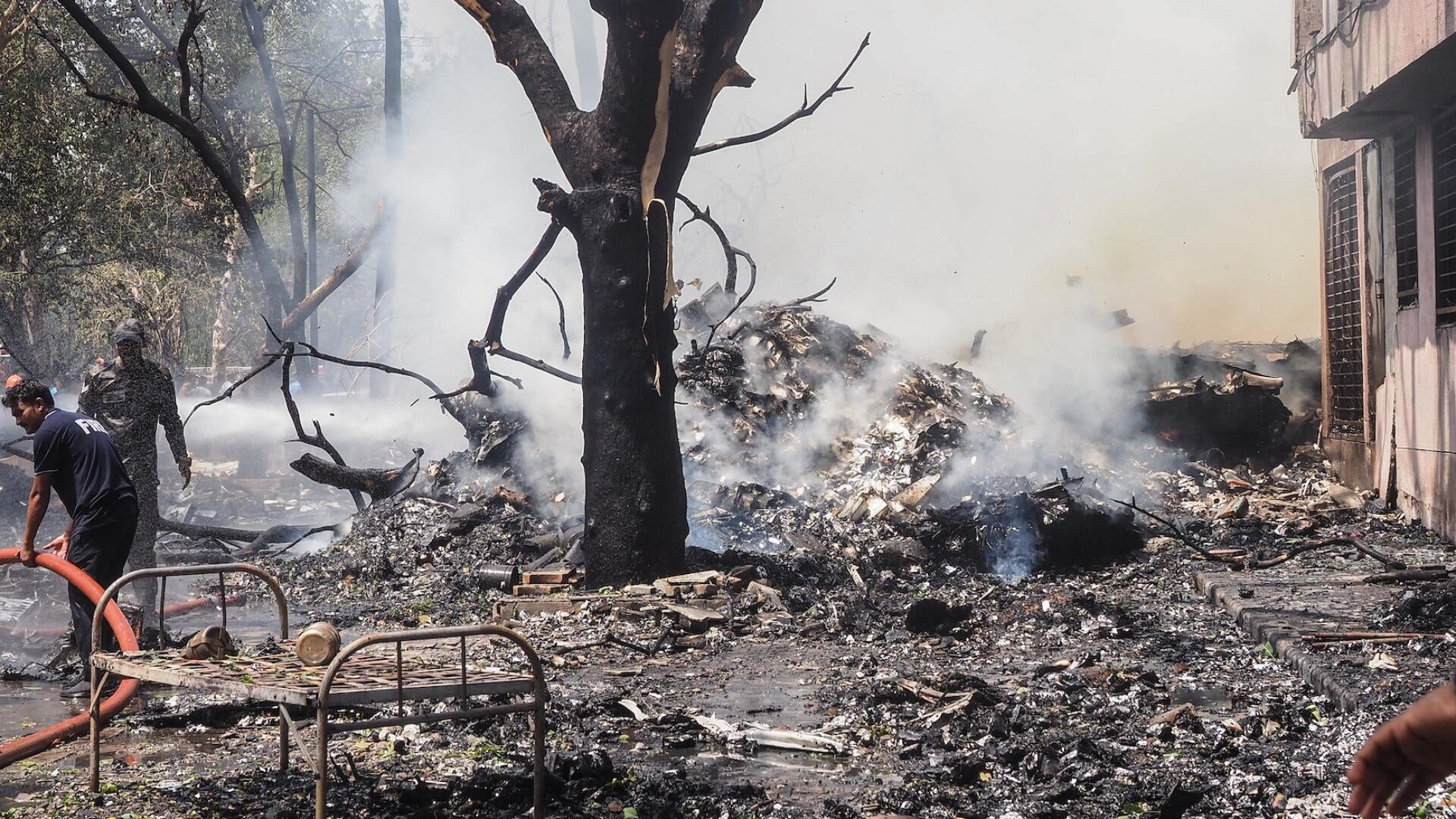
The year 2016 was characterized by several high-profile aviation incidents that captured global attention, highlighting critical challenges in commercial aviation safety, geopolitical conflict zones, aircraft system design, and regulatory oversight. While overall flight safety statistics continued a long-term improvement trend, specific catastrophic events involving carriers like EgyptAir, Malaysia Airlines flight-connected debris, and LaMia Flight 2933 prompted intense international investigations, policy adjustments, and engineering reviews.
The Global Aviation Safety Landscape in 2016
To understand the major aviation incidents of 2016, it is necessary to examine the broader safety context of commercial aviation during that period. Statistically, commercial air travel remained one of the safest modes of transportation worldwide. Organizations such as the International Air Transport Association (IATA) and the Aviation Safety Network (ASN) reported that fatal accident rates remained low compared to historical decades. However, individual high-consequence events demonstrated that catastrophic failures—ranging from onboard security breaches and mechanical malfunctions to fuel starvation and pilot management errors—remained persistent threats requiring rigorous mitigation.
Aviation safety analysis relies on continuous data collection from flight data recorders, cockpit voice recorders, air traffic control logs, and physical wreckage examinations. In 2016, investigations were complicated by remote crash sites, deep ocean waters, and geopolitical friction. Despite these obstacles, international bodies such as the International Civil Aviation Organization (ICAO), the U.S. National Transportation Safety Board (NTSB), and various national civil aviation authorities worked collaboratively to determine the primary and contributing causes of each major accident.
Defining Accident Categories and Investigation Standards
Aviation accidents are categorized according to standardized international frameworks established under ICAO Annex 13. These categories help safety regulators distinguish between controlled flight into terrain (CFIT), loss of control in flight (LOC-I), runway excursions, mid-air collisions, and security-related unlawful interference.
- Controlled Flight into Terrain (CFIT): An airworthy aircraft is inadvertently flown under pilot control into terrain, water, or obstacles without adequate awareness by the flight crew.
- Loss of Control in Flight (LOC-I): A deviation from the intended flight path from which the flight crew is unable to recover control of the aircraft.
- Unlawful Interference: Acts of violence, sabotage, terrorism, or hijacking directed against civil aviation.
- System and Mechanical Failure: Component degradation or software anomalies leading to unmanageable in-flight emergencies.
Major Aviation Incidents of 2016
The year featured several pivotal events that dominated public discourse and shaped subsequent regulatory actions. Examining these incidents individually reveals distinct operational vulnerabilities and underscores the multidisciplinary nature of modern aviation safety investigations.
EgyptAir Flight 804
On May 19, 2016, EgyptAir Flight 804, an Airbus A320 operating on a scheduled flight from Paris Charles de Gaulle Airport to Cairo International Airport, crashed into the eastern Mediterranean Sea. All 66 passengers and crew members on board lost their lives.
The investigation into EgyptAir 804 was complex, requiring multinational cooperation between French, Egyptian, and Greek authorities, alongside technical assistance from aircraft and engine manufacturers. Initial speculation considered multiple possibilities, including mechanical failure, structural breakdown, and unlawful interference.
Investigation Findings and Forensic Evidence
The deployment of deep-water salvage vessels enabled the recovery of both flight recorders—the Cockpit Voice Recorder (CVR) and the Flight Data Recorder (FDR)—from the seabed of the Mediterranean. Analysis of the wreckage and telemetry data revealed critical details regarding the final moments of the flight:
- ACARS Messages: Automated Aircraft Communications Addressing and Reporting System (ACARS) messages transmitted prior to the disappearance indicated smoke alerts in the avionics bay and front lavatory, along with faults in the flight control unit and window heating systems.
- Fire Development: Forensic examination of recovered human remains and physical structural fragments suggested evidence of high-temperature damage and soot deposition consistent with an intense, localized fire in the forward section of the aircraft.
- Controversy Over Explosive Traces: Early reports by Egyptian investigative committees suggested traces of explosives were found on human remains, prompting an escalation to criminal investigation protocols. However, French authorities and independent safety analysts emphasized that the physical evidence collected from the wreckage did not conclusively establish a terrorist bombing, and the precise ignition source of the forward avionics bay fire remained a subject of ongoing technical debate and review by the Bureau of Enquiry and Analysis for Civil Aviation Safety (BEA).
LaMia Flight 2933
On November 28, 2016, LaMia Flight 2933, an Avro RJ85 regional airliner chartered by the Brazilian Chapecoense football team, crashed into a mountainous area near Medellín, Colombia. The flight was transporting the team to the first leg of the 2016 Copa Sudamericana Finals. Of the 77 people on board, 71 died, including players, coaching staff, journalists, and crew members.
The accident investigation conducted by Colombia's Grupo de Investigación de Accidentes de Aviación (GRIAA) quickly focused on operational planning, flight dispatch, and fuel management rather than mechanical failure.
Fuel Starvation and Operational Deficiencies
The inquiry established that the aircraft suffered total electrical and engine failure due to complete fuel exhaustion:
- Flight Plan Deficiencies: The aircraft was operated beyond its certified maximum range capabilities for the route between Santa Cruz, Bolivia, and Medellín, Colombia. The filed flight plan cut the fuel margin extremely close to regulatory requirements without accounting for predictable contingencies such as holding patterns or weather diversions.
- Corporate and Regulatory Pressures: Investigations revealed systemic failures within the charter airline (LaMia) and lax oversight by civil aviation authorities in granting operational approval for a flight profile that lacked adequate safety reserves.
- Crew Actions: The flight crew failed to declare an emergency early enough to secure priority air traffic handling, attempting to descend and land despite deteriorating engine status until dual flameout occurred.
Flydubai Flight 981
On March 19, 2016, Flydubai Flight 981, a Boeing 737-800 operating from Dubai, United Arab Emirates, crashed during an aborted landing attempt at Rostov-on-Don Airport in Russia. All 62 passengers and crew on board were killed.
The Interstate Aviation Committee (MAK) of Russia, supported by international accredited representatives from the NTSB and Boeing, led the investigation.
Spatial Disorientation and Weather Factors
The accident underscored the persistent hazards of adverse weather and pilot spatial disorientation during nighttime instrument approaches:
- Severe Weather Conditions: The airport experienced strong, gusty winds, low visibility, and low cloud ceilings, prompting the crew to execute an initial go-around.
- Fatigue and High Workload: The flight crew spent over two hours holding in a waiting pattern while assessing weather updates, contributing to operational fatigue.
- Control Inputs: During the second attempted approach, a sudden wind shear and an abrupt manual override of the autopilot system led to conflicting control inputs between the captain and first officer. The aircraft entered a steep nose-down dive, resulting in a high-speed impact with the terrain.
Emirates Flight 521
On August 3, 2016, Emirates Flight 521, a Boeing 777-300 operating from Thiruvananthapuram, India, crash-landed and caught fire at Dubai International Airport. Remarkably, all 300 passengers and crew evacuated safely before the aircraft was consumed by fire, though a firefighter lost his life during rescue operations.
The General Civil Aviation Authority (GCAA) of the United Arab Emirates investigated the incident.
Wind Shear and Go-Around Execution
The investigation highlighted complex human-factors challenges during low-altitude go-arounds:
- Wind Shear Encounter: As the aircraft touched down on the runway, it encountered sudden, shifting wind conditions known as wind shear, causing the aircraft to float down the runway.
- Late Go-Around Decision: The flight crew initiated a go-around after the main landing gear had already made contact with the runway surface, but failed to ensure that the engine power levers were advanced to takeoff thrust immediately upon initiating the maneuver.
- Retraction Sequence: The landing gear was retracted while the aircraft was still losing height, causing the airframe to settle onto its belly and slide along the runway before coming to a stop and igniting.
Major Aviation Incidents of 2016 Comparison
| Flight / Incident | Aircraft Type | Primary Location | Fatalities / Survivors | Core Contributing Factors Identified |
|---|---|---|---|---|
| EgyptAir Flight 804 | Airbus A320 | Eastern Mediterranean Sea | 66 fatalities (0 survivors) | Avionics bay fire, smoke alerts, undetermined ignition source. |
| LaMia Flight 2933 | Avro RJ85 | Near Medellín, Colombia | 71 fatalities (6 survivors) | Severe fuel exhaustion, inadequate flight planning, regulatory oversight failures. |
| Flydubai Flight 981 | Boeing 737-800 | Rostov-on-Don, Russia | 62 fatalities (0 survivors) | Adverse weather, spatial disorientation, conflicting manual flight control inputs. |
| Emirates Flight 521 | Boeing 777-300 | Dubai, United Arab Emirates | 0 fatalities / 1 firefighter (300 survivors) | Wind shear, bounced landing, late go-around execution, premature gear retraction. |
Investigation Protocols and Regulatory Responses
The lessons learned from the 2016 aviation incidents directly influenced subsequent safety mandates, training standards, and technological deployments across the global commercial aviation sector.
Advancements in Flight Tracking and Black Box Technology
Following historical gaps in locating downed aircraft over oceanic regions—exemplified earlier by Malaysia Airlines Flight 370 in 2014 and reinforced by the search for EgyptAir Flight 804—regulatory bodies accelerated the adoption of enhanced global tracking standards. The ICAO introduced the Global Aeronautical Distress and Safety System (GADSS) framework, requiring airlines to track aircraft positions at more frequent intervals (typically every 15 minutes or less under normal operations, and more frequently during distress events). Furthermore, discussions surrounding deployable flight recorder systems and streaming flight data gained renewed technical momentum.
Human Factors and Pilot Training Enhancements
The accidents involving Flydubai Flight 981 and Emirates Flight 521 reinforced the critical need for advanced upset prevention and recovery training (UPRT). Regulators worldwide updated certification standards to ensure pilots receive simulator training specifically designed to handle unexpected aircraft states, manual control transitions from automated systems, spatial disorientation countermeasures, and stabilized approach criteria. Airlines also revised standard operating procedures (SOPs) regarding unstabilized approaches, mandating immediate go-arounds when aircraft parameters deviate outside established safety thresholds.
Fuel Management and Operational Dispatch Oversight
LaMia Flight 2933 served as a stark reminder of the dangers associated with commercial pressure and lax regulatory enforcement of dispatch minimums. Civil aviation authorities in South America and globally increased scrutiny on charter operators, requiring more rigorous flight plan audits, independent fuel reserve verifications, and cross-border regulatory compliance checks before departure clearances are issued.
Frequently Asked Questions
What were the most significant commercial aviation accidents in 2016?
The most prominent commercial incidents in 2016 included the in-flight fire and crash of EgyptAir Flight 804 in the Mediterranean Sea, the fuel-starvation crash of LaMia Flight 2933 carrying the Chapecoense football team in Colombia, the low-visibility crash of Flydubai Flight 981 in Russia, and the landing incident of Emirates Flight 521 in Dubai.
How did investigators determine the cause of EgyptAir Flight 804?
Investigators recovered the flight data recorders from the seabed of the Mediterranean Sea. Analysis of ACARS telemetry messages, cockpit voice recordings, and recovered structural wreckage pointed toward an intense fire in the forward avionics bay, though the precise ignition source remained debated among international investigative bodies.
What caused the crash of LaMia Flight 2933?
The accident was caused by complete fuel exhaustion resulting from poor flight planning, inadequate fuel reserve calculations for the route length, and a failure by the flight crew to declare an emergency early enough to secure fuel priority or divert before total engine flameout occurred.
Were there any survivors from the major 2016 crashes?
While accidents like EgyptAir 804 and Flydubai Flight 981 resulted in 100% fatalities, incidents like LaMia Flight 2933 had six survivors, and Emirates Flight 521 achieved a complete evacuation of all 300 occupants on board prior to the post-crash fire.
How did the 2016 incidents impact global aviation safety regulations?
The incidents prompted tighter operational oversight on charter flight dispatch and fuel planning, accelerated international deployment of enhanced flight tracking technologies under ICAO guidelines, and triggered stricter pilot training requirements regarding spatial disorientation, manual flight control, and low-altitude go-arounds.
Conclusion and Next Actions
The aviation incidents of 2016 demonstrated that commercial flight safety requires eternal vigilance across technological, regulatory, and human dimensions. While mechanical reliability remains high, operational discipline, effective crew resource management, and robust regulatory oversight are vital to preventing tragedies. For aviation professionals, researchers, and safety advocates examining these historical events, ongoing engagement with official investigative reports from bodies such as the BEA, NTSB, and ICAO provides critical insights into safeguarding modern air travel. Readers interested in deeper technical analysis should consult primary source documentation published by national civil aviation investigation authorities.