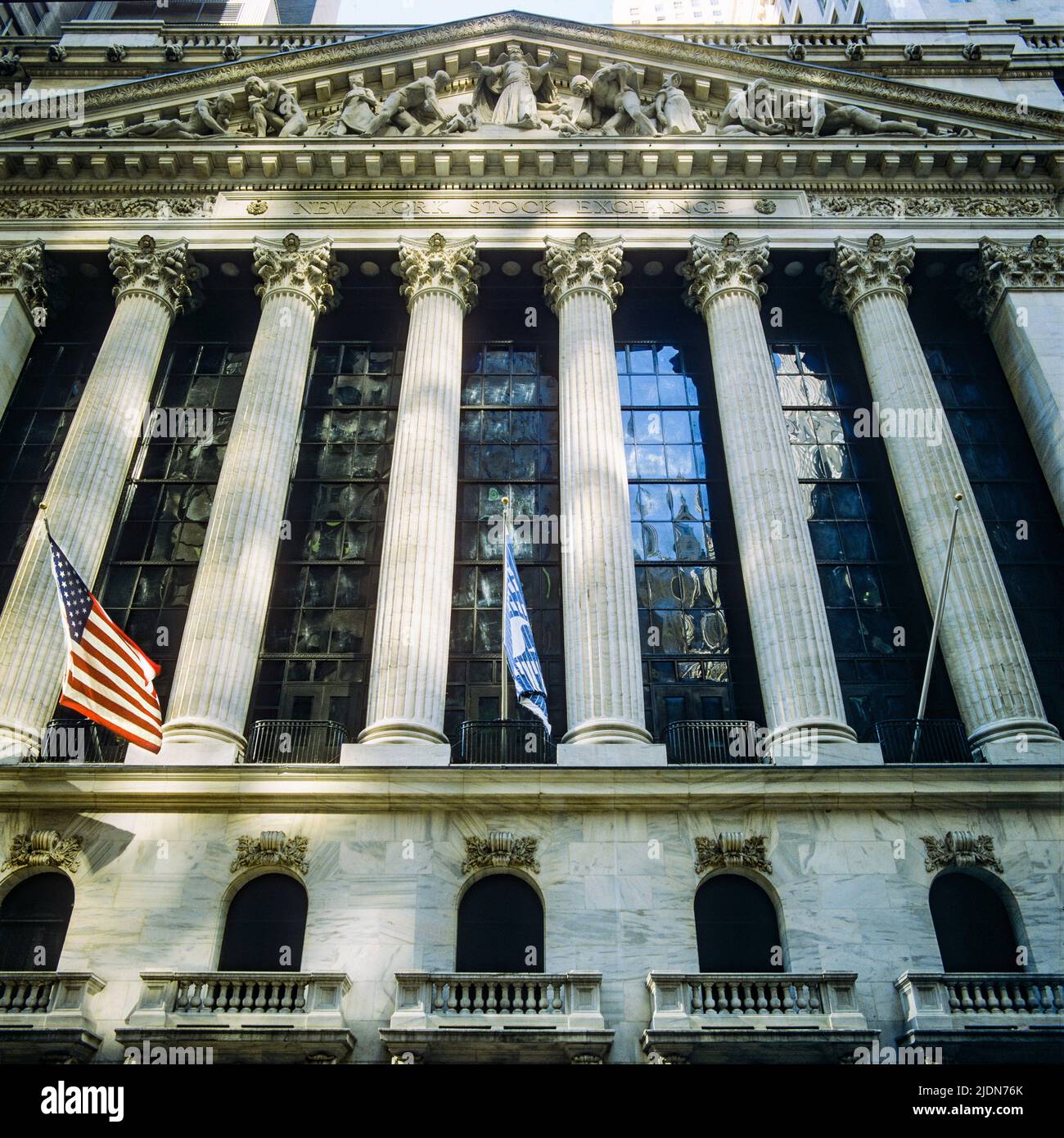
The financial landscape of the 1980s underwent a dramatic restructuring characterized by aggressive deregulation, high interest rates, the rise of high-yield debt, and unprecedented market volatility that permanently reshaped modern global capitalism.
The Macroeconomic Context: Conquering Inflation and High Interest Rates
The financial narrative of the 1980s began in the shadow of severe economic stagnation and runaway inflation inherited from the previous decade. When Paul Volcker was appointed Chairman of the Federal Reserve in August 1979, he implemented a radically tight monetary policy to break the back of inflation. By restricting the money supply, the Federal Reserve pushed the federal funds rate to a historic peak of 20% in 1981.
This aggressive intervention successfully tamed inflation—which dropped from double digits down to manageable levels by the mid-1980s—but it came at a severe immediate cost. The United States and global economies plunged into the deep recession of 1981–1982. Businesses faced punishing borrowing costs, unemployment soared past 10%, and the housing market nearly froze. However, this macroeconomic shock therapy laid the groundwork for a prolonged period of disinflation and economic expansion that would define the rest of the decade. As interest rates eventually receded from their peaks, corporations and consumers found themselves operating in an environment of lower inflation expectations, which altered valuation models and asset pricing across all sectors.
The Era of Deregulation: Unleashing Wall Street
A defining characteristic of 1980s finance was the systematic dismantling of regulatory barriers that had governed banking and securities markets since the New Deal era. Guided by free-market ideologies and the political leadership of figures like U.S. President Ronald Reagan and British Prime Minister Margaret Thatcher, governments sought to foster competition and capital efficiency by removing federal controls on interest rates, pricing, and institutional boundaries.
The Depository Institutions Deregulation and Monetary Control Act (DIDMCA) of 1980
This landmark legislation phased out Regulation Q, which had long capped the interest rates banks could pay on savings accounts. By allowing banks and savings and loan associations (S&Ls) to compete openly for deposits through market-rate yields, DIDMCA fundamentally altered bank funding costs. However, it also encouraged institutions to reach for higher-yielding, riskier assets to cover their newly escalated deposit expenses, setting the stage for future structural vulnerabilities.
The Big Bang in London
Across the Atlantic, the London Stock Exchange underwent its own radical transformation on October 27, 1986, known widely as the "Big Bang." This single regulatory event abolished minimum fixed commissions, ended the strict division between jobbers (market makers) and brokers, and permitted corporate ownership of member firms. London rapidly evolved into an electronic, globally integrated financial hub capable of competing directly with New York, accelerating the globalization of capital flows.
| Regulation / Event | Year | Primary Objective | Key Consequence |
|---|---|---|---|
| DIDMCA | 1980 | Deregulate deposit interest rates and expand bank powers | Intensified competition for deposits; encouraged riskier asset allocation |
| Garn-St. Germain Act | 1982 | Provide relief to troubled S&Ls by expanding commercial lending | Heightened exposure to speculative real estate and commercial ventures |
| The Big Bang | 1986 | Modernize the London Stock Exchange and abolish fixed commissions | Digitized trading, eliminated single-capacity trading, boosted foreign ownership |
The Savings and Loan Crisis
The most severe structural fallout from 1980s deregulation was the Savings and Loan (S&L) crisis, a systemic failure of thrift institutions that ultimately cost U.S. taxpayers over $160 billion. Traditionally, S&Ls operated under a simple, stable model: they took in short-term local deposits at regulated low rates and issued long-term, fixed-rate residential mortgages.
When market interest rates spiked in the early 1980s, depositors withdrew their money to chase higher yields elsewhere, while the S&Ls were locked into low-yielding, long-term mortgages issued years prior. To save these institutions from insolvency, Congress passed the Garn-St. Germain Depository Institutions Act of 1982, which expanded their investment powers, allowing them to invest in commercial real estate, direct ventures, and high-yield bonds with minimal regulatory oversight.
Lacking sophisticated risk-management frameworks and operating with federal deposit insurance (via the FSLIC) that shielded depositors from loss, many S&L managers engaged in speculative lending. By the mid-to-late 1980s, commercial real estate markets collapsed under overbuilding, and a vast portion of these speculative loans soured. The resulting insolvencies overwhelmed the federal insurance fund, leading to the creation of the Resolution Trust Corporation (RTC) in 1989 to liquidate hundreds of failed institutions and dispose of their distressed assets.
The Rise of Corporate Raider Culture and High-Yield Debt
Corporate finance in the 1980s was revolutionized by the proliferation of high-yield debt—commonly known as "junk bonds"—and the emergence of aggressive corporate raiding and leveraged buyouts (LBOs). Historically, issuing sub-investment-grade debt for corporate acquisitions was rare and stigmatized. However, investment banking firms, most notably Drexel Burnham Lambert led by Michael Milken, created a liquid secondary market for non-investment-grade bonds.
This financial innovation allowed relatively small corporate raiders to finance multi-billion-dollar takeovers of established, cash-rich conglomerates by putting up very little of their own equity. Instead, transactions were overwhelmingly funded by issuing high-interest bonds secured by the target company's own assets or anticipated cash flows.
- Leveraged Buyouts (LBOs): Private equity firms acquired public companies by taking on massive debt loads, aiming to restructure operations, sell off non-core divisions, and eventually take the leaner company public again or sell it at a profit.
- Hostile Takeovers: Management teams could no longer assume job security if their company's stock price lagged. The threat of a hostile takeover forced corporations to prioritize shareholder value and return on equity above all else.
- The RJR Nabisco Buyout: The culmination of this era occurred in 1988 with the record-breaking $25 billion leveraged buyout of RJR Nabisco by Kohlberg Kravis Roberts & Co. (KKR), immortalized in the book and film Barbarians at the Gate.
This debt-fueled frenzy drove massive corporate consolidation and generated immense fees for Wall Street intermediaries, but it also left corporate America with fragile balance sheets highly vulnerable to economic downturns.
Market Volatility and the Crash of 1987
The unchecked momentum of 1980s financial markets culminated in a historic reality check on Monday, October 19, 1987—a day forever remembered as "Black Monday." On this single trading session, the Dow Jones Industrial Average plummeted by 22.6%, representing the largest one-day percentage drop in stock market history. The crash was not isolated to New York; global equity markets across London, Tokyo, Hong Kong, and Australia experienced steep, synchronized collapses.
Several structural factors unique to the financial innovation of the 1980s fueled the speed and severity of the crash:
- Portfolio Insurance: A quantitative risk-management strategy designed to automatically sell stock index futures as markets declined to protect institutional portfolios against losses.
- Program Trading: Computer-driven execution models that automatically triggered massive sell orders across multiple exchanges simultaneously once certain price thresholds were breached.
- Information Feedback Loops: Rapid dissemination of falling prices through early electronic tickers and news networks panicked retail and institutional investors alike, creating a self-reinforcing liquidation spiral.
In response to the crisis, central banks led by the Federal Reserve under newly appointed Chairman Alan Greenspan injected massive liquidity into the banking system, reassuring markets and preventing a broader liquidity freeze. The crash prompted lasting structural reforms, including the implementation of "circuit breakers"—automatic trading halts designed to pause market activity during severe downward spikes and prevent runaway programmatic selling.
Frequently Asked Questions
What caused the high interest rates of the early 1980s?
The high interest rates were primarily engineered by the Federal Reserve under Chairman Paul Volcker. To break entrenched double-digit inflation, the Fed intentionally restricted the money supply, pushing the federal funds rate up to 20% in 1981 to cool economic activity and reset inflation expectations.
How did the Big Bang change the London Stock Exchange?
The 1986 Big Bang abolished minimum fixed brokerage commissions, ended the separation between market makers and brokers, and introduced electronic trading. These changes modernized the UK financial sector, lowered transaction costs, and solidified London's position as a dominant global financial center.
What were junk bonds and why were they significant in the 1980s?
Junk bonds were high-yield, high-risk corporate bonds rated below investment grade. Popularized by figures like Michael Milken, these instruments allowed corporate raiders and private equity firms to raise billions of dollars in debt rapidly, fueling the wave of leveraged buyouts and hostile takeovers that transformed corporate America.
What led to the Savings and Loan crisis?
The crisis was caused by a combination of deregulation—which allowed thrifts to invest in risky commercial ventures—and rising interest rates that mismatched their long-term fixed mortgages against expensive short-term deposits. When speculative real estate investments failed, hundreds of S&Ls became insolvent, requiring a massive federal bailout.
What triggered Black Monday in October 1987?
Black Monday was triggered by a combination of rising interest rates, trade deficit concerns, and structural market mechanisms. Automated computer programs and portfolio insurance strategies exacerbated the downward spiral by executing massive sell orders simultaneously, causing the Dow Jones Industrial Average to fall 22.6% in a single day.
Practical Lessons and Modern Relevance
The financial dynamics of the 1980s established the foundational architecture of modern global capital markets. The shift toward deregulation, the widespread reliance on complex debt instruments, and the integration of electronic trading systems created the interconnected financial ecosystem operating today. For contemporary investors and analysts, studying this era provides critical perspective on the cyclical nature of systemic risk, the consequences of regulatory removal, and the delicate balance between financial innovation and market stability. Recognizing how market participants navigated high interest rates, asset bubbles, and structural shocks remains essential for understanding contemporary monetary policy and macroeconomic management.