The year 2009 marked a pivotal inflection point in cinema, characterized by the commercial breakthrough of modern 3D technology, a resurgence of high-concept science fiction, and the Academy Awards expanding their Best Picture category from five nominees to ten to accommodate broader popular hits.
The Technological Watershed: The Rise of Real3D and Performance Capture
The cinematic landscape underwent a radical technological transformation, driven heavily by advancements in stereoscopic 3D and digital photography. While 3D had experienced previous novelty waves in the 1950s and 1980s, the technology matured in the late 2000s through digital projection systems installed in theaters globally.
This shift was spearheaded by James Cameron's science-fiction epic Avatar. Developed over more than a decade to allow the necessary virtual camera and facial performance capture technologies to catch up with the director's vision, the film established a new benchmark for computer-generated imagery integrated with live-action elements. The virtual production pipeline utilized simultaneous capture of actor movements and real-time rendering of digital environments, altering how blockbusters were conceived and shot.
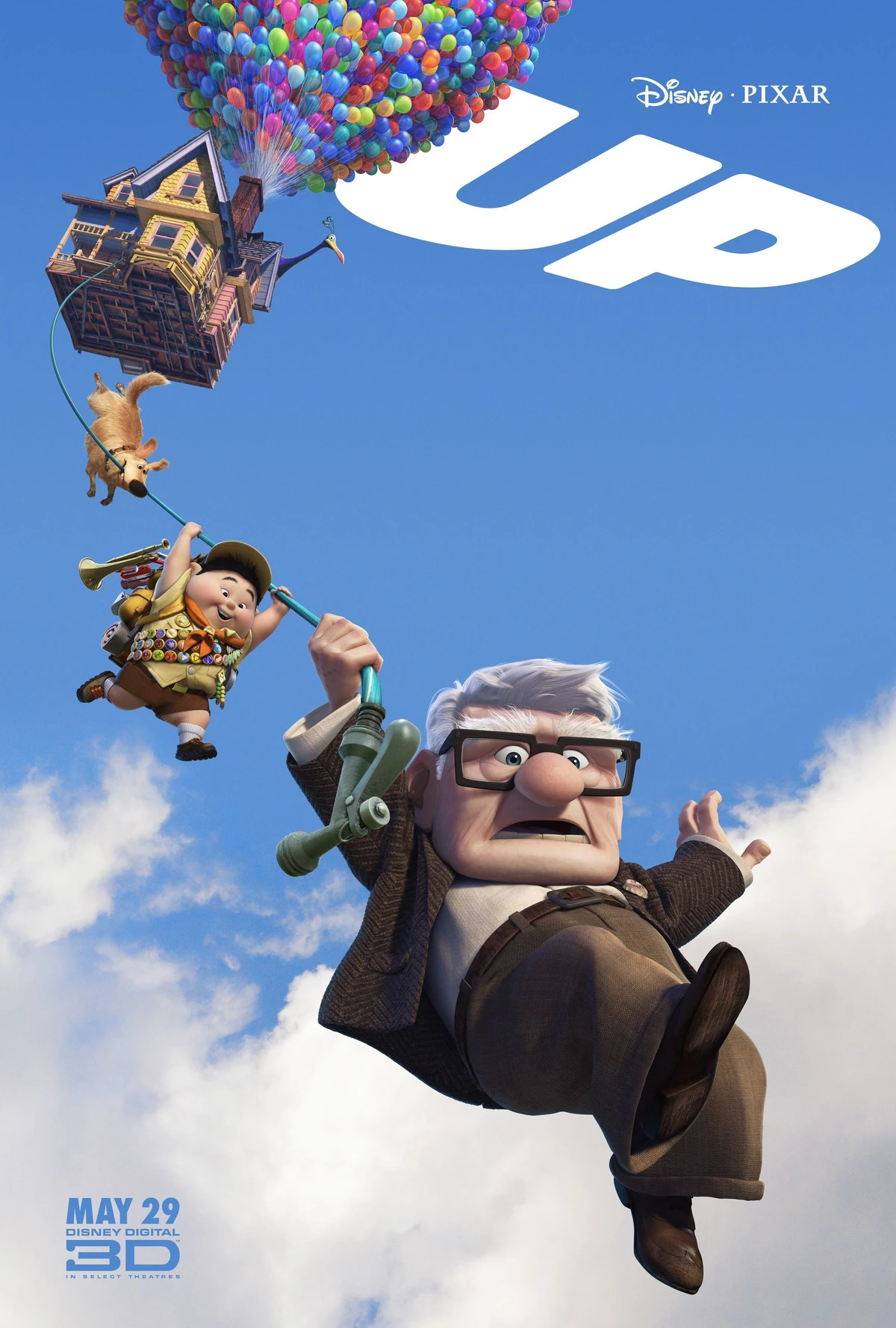
Concurrently, animated features continued to push technical boundaries. Pixar's Up became the first animated film to open the Cannes Film Festival, utilizing sophisticated rendering engines to manage complex particle simulations and stylistic human character models. The adoption of digital cinema packages (DCPs) accelerated globally during this period, gradually phasing out traditional 35mm print distribution in major metropolitan markets and setting the stage for the complete digital conversion of commercial exhibition over the following decade.
Major Box Office Milestones and Critical Landmarks
Box office records were rewritten as global audiences returned to theaters in record numbers, aided by higher ticket pricing for 3D and IMAX presentations. International markets, particularly East Asia, demonstrated substantial growth, signaling the increasing reliance of Hollywood studios on overseas box office receipts.
Box Office Performance and Critical Reception of Key Titles
| Film Title | Director | Primary Genre | Global Box Office (Approx.) | Academy Award Nominations / Wins |
|---|---|---|---|---|
| Avatar | James Cameron | Sci-Fi / Action | $2.74 Billion (Initial Run) | 9 nominations / 3 wins |
| The Hurt Locker | Kathryn Bigelow | War / Drama | $49.2 Million | 9 nominations / 6 wins |
| Up | Pete Docter | Animation / Adventure | $735.1 Million | 5 nominations / 2 wins |
| Inglourious Basterds | Quentin Tarantino | War / Alternate History | $321.4 Million | 8 nominations / 1 win |
| District 9 | Neill Blomkamp | Sci-Fi / Thriller | $210.8 Million | 4 nominations / 0 wins |
The commercial triumph of Avatar pushed global box office revenues to historic heights, eventually surpassing Titanic (1997) to become the highest-grossing film in history up to that point. Conversely, the critical darling The Hurt Locker demonstrated that independent and mid-budget productions could capture the industry's highest honors, winning Best Picture and making Kathryn Bigelow the first woman to win the Academy Award for Best Director.
Genre Shifts: Mid-Budget Dramas, Independent Cinema, and Sci-Fi Resurgence
Beyond technological spectacles, the era fostered distinct shifts in genre storytelling. Science fiction experienced a notable intellectual renaissance, moving away from purely escapist space operas toward allegorical, gritty narratives.
- District 9, directed by Neill Blomkamp and produced by Peter Jackson, utilized a documentary-style framing device to explore xenophobia, segregation, and corporate malfeasance in Johannesburg. Operating on a modest budget compared to major studio tentpoles, its success proved that high-concept science fiction could thrive outside traditional franchise parameters.
- Moon, directed by Duncan Jones, relied on practical miniatures, psychological tension, and a solitary lead performance by Sam Rockwell to explore corporate ethics and automation, echoing classic 1970s science fiction traditions.
In the drama and thriller categories, filmmakers leaned into complex moral ambiguities. Quentin Tarantino’s Inglourious Basterds re-imagined World War II through a stylized, multi-narrative lens that examined the mechanics of propaganda and cinema itself. Meanwhile, smaller independent films found vital distribution avenues through specialized studio divisions and early digital streaming platforms, establishing a dual-track ecosystem where franchise blockbusters occupied megaplexes while specialized dramas catered to niche audiences.
Industry Structure and the Academy Awards Realignment
The business mechanics of the film industry underwent structural adjustments in response to the late-2000s global financial crisis. Major studios reduced their slates of mid-budget films—projects costing between $30 million and $60 million—in favor of high-certainty intellectual properties, comic book adaptations, and sequels designed to mitigate financial risk.
A significant cultural milestone occurred within the Academy of Motion Picture Arts and Sciences. Prompted by the public outcry over the omission of commercial blockbusters like The Dark Knight (2008) from the Best Picture race, the Academy expanded the Best Picture category from five nominees to ten starting with the 82nd Academy Awards honoring 2009 releases. This structural change aimed to bridge the widening gap between critically acclaimed art-house films and commercially dominant box office hits, resulting in a diverse slate of nominees that included both The Hurt Locker and Avatar.
Frequently Asked Questions
What was the highest-grossing film released in 2009?
James Cameron's Avatar was the highest-grossing film released in 2009, grossing over $2.7 billion during its initial theatrical run. It revolutionized modern 3D stereoscopic filmmaking and remained the highest-grossing film of all time globally for a decade.
Which film won the Academy Award for Best Picture for 2009 releases?
The Hurt Locker, directed by Kathryn Bigelow, won the Academy Award for Best Picture at the 82nd Academy Awards held in March 2010. It also earned Bigelow the award for Best Director, making her the first woman to achieve that distinction.
How did 3D technology impact cinema in 2009?
The widespread commercial success of 3D projection in 2009 accelerated the digital conversion of movie theaters worldwide. Studios began commissioning or converting more tentpole features to stereoscopic 3D to capture higher-priced ticket sales and combat piracy through theater-exclusive formats.
Why did the Academy Awards expand the Best Picture category in 2009?
The Academy expanded the Best Picture nominee count from five to ten to allow greater representation of popular, commercially successful films that resonated with mass audiences alongside traditional independent and drama selections.
Practical Next Actions for Film Researchers and Archivists
For researchers, historians, and film programmers examining this era, analyzing contemporary trade publications from outlets such as Variety and The Hollywood Reporter provides direct insight into the transition from celluloid to digital projection. Reviewing archival technical documentation from the American Society of Cinematographers (ASC) will further clarify the specific camera packages, lenses, and grading software utilized during the industry's rapid digitization phase.