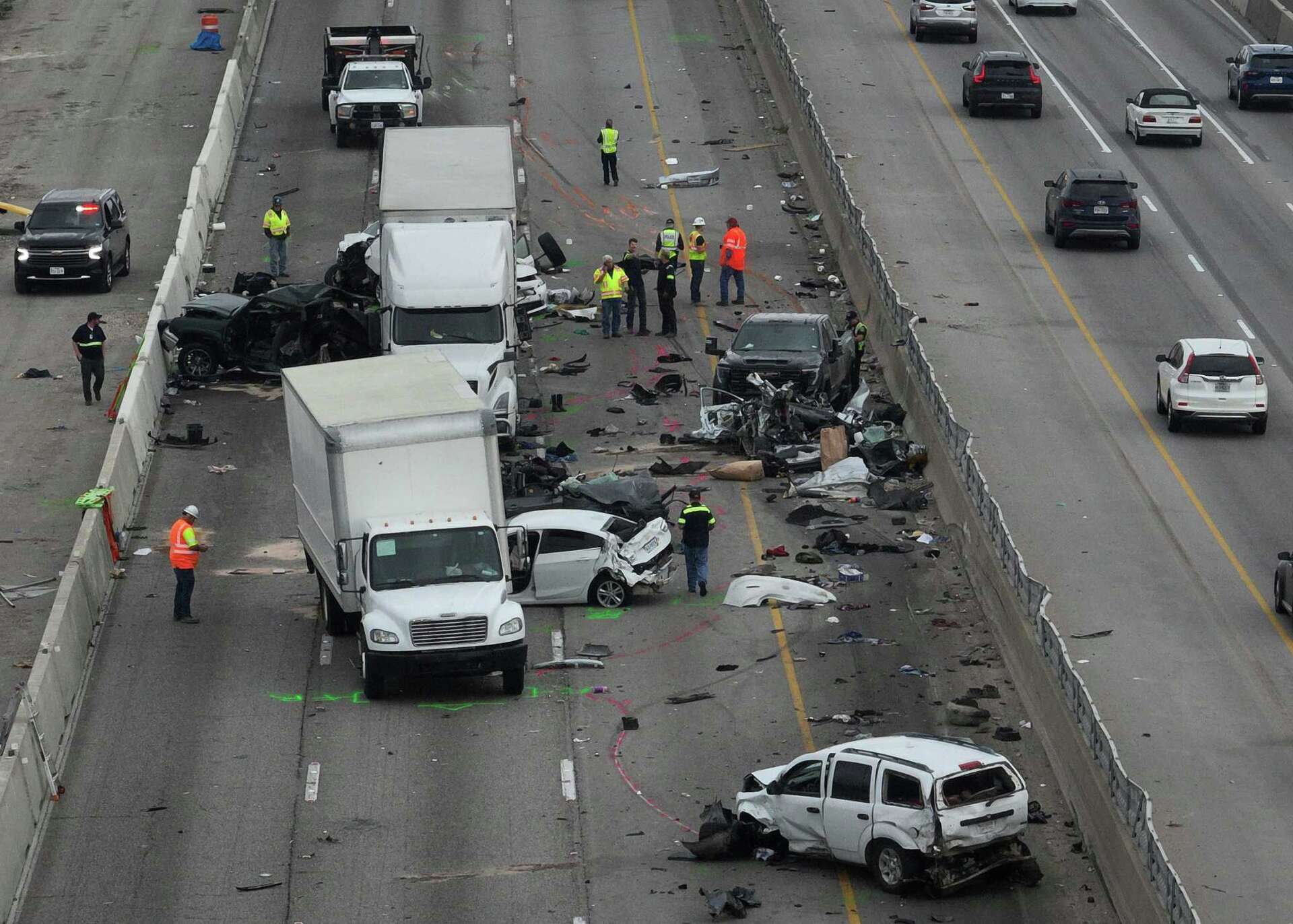
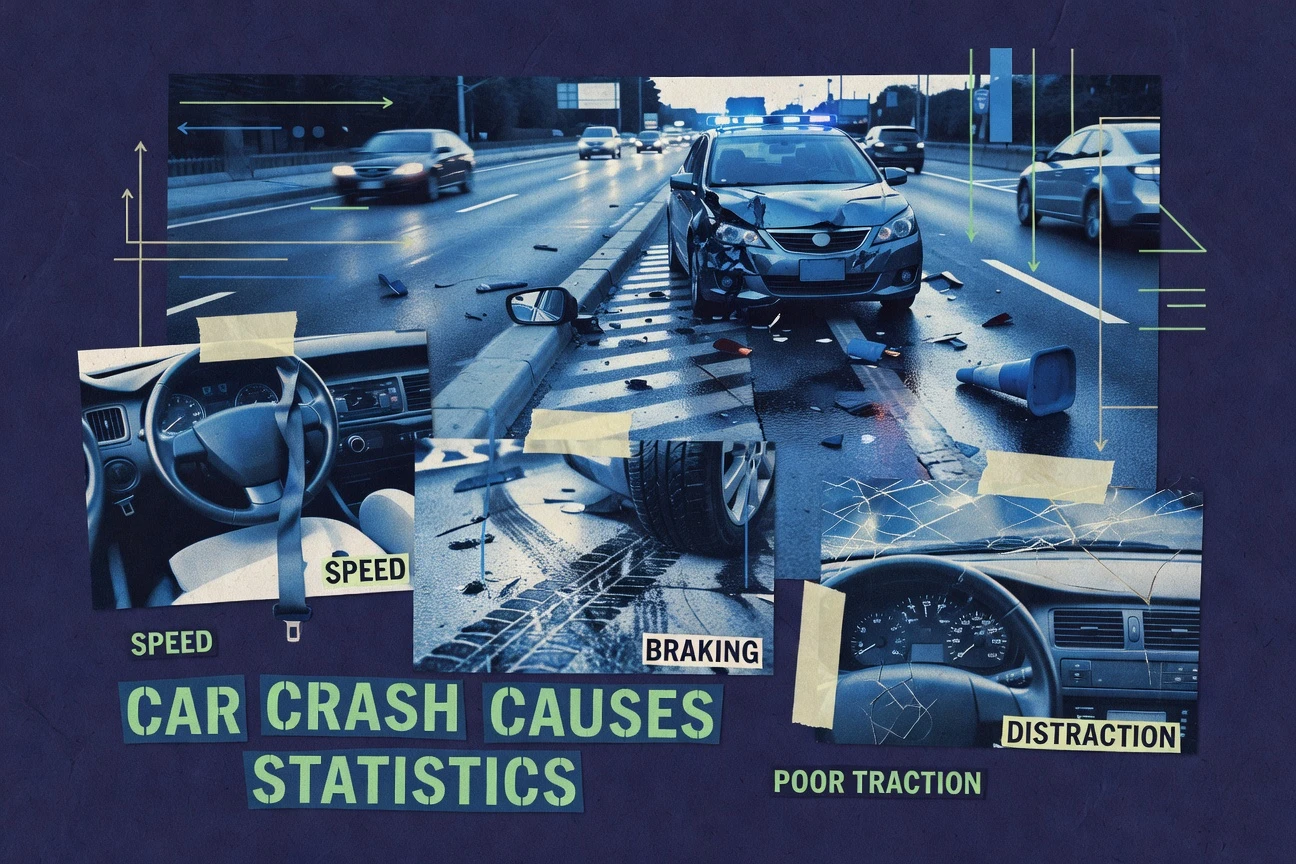
Understanding the factors that lead to vehicular accidents, the immediate steps to take following an incident, and the proactive measures for long-term safety is vital for every driver. By addressing the root causes of collisions and mastering the sequence of actions required in the aftermath, you significantly reduce the risk of secondary incidents and protect your legal and physical well-being.
The 17 Most Common Causes of Car Crashes
Road safety experts categorize collision factors into three primary areas: driver behavior, environmental conditions, and vehicular maintenance. Recognizing these 17 frequent causes is the first step toward prevention.
Driver Behavior and Cognitive Distractions
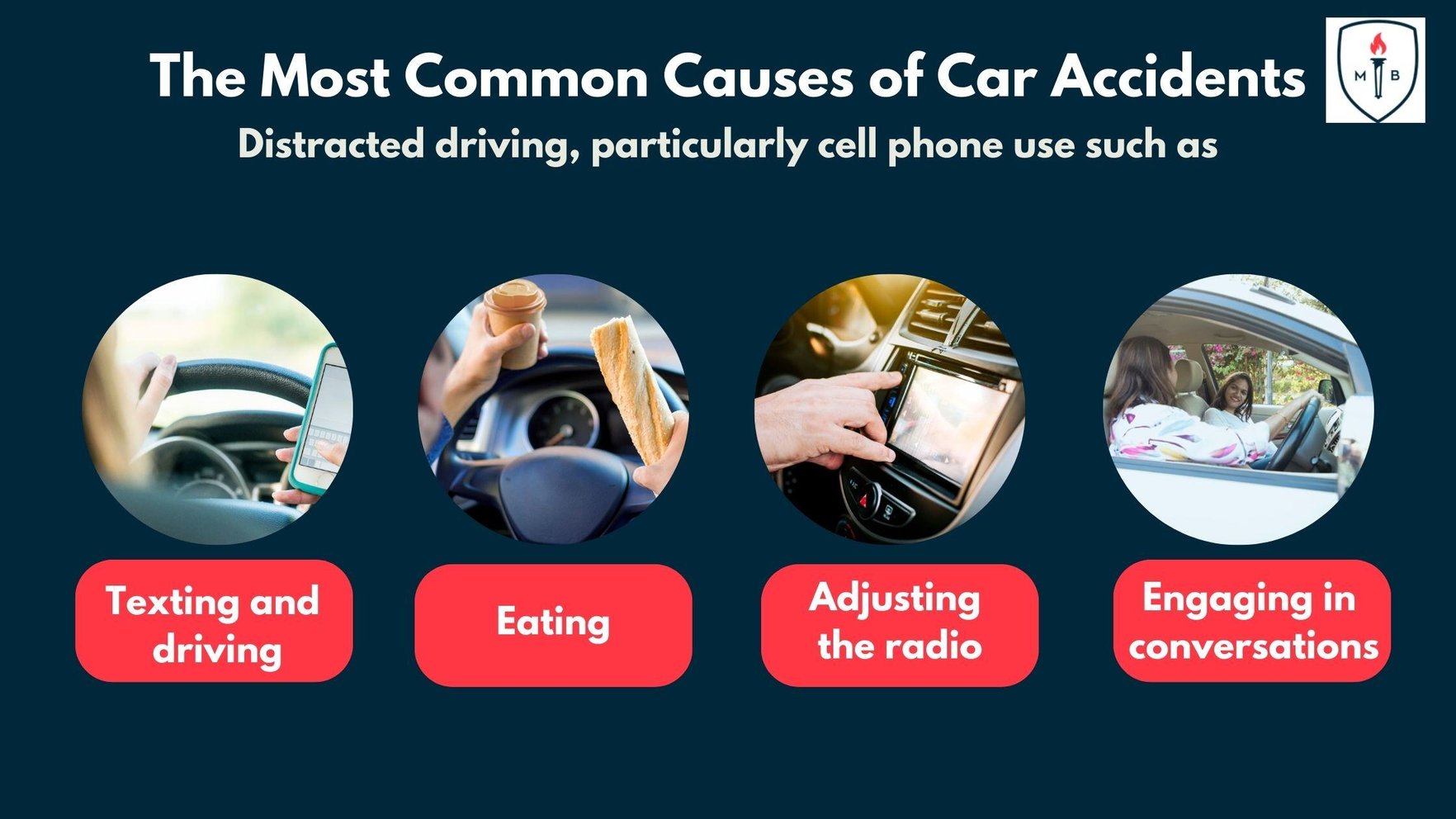
- Distracted Driving: Using mobile devices, adjusting entertainment systems, or eating behind the wheel diverts focus from the roadway.
- Speeding: Exceeding posted limits reduces the time available to react to hazards and increases the severity of any impact.
- Driving Under the Influence: Alcohol, prescription medication, and illicit drugs severely impair motor functions and judgment.
- Fatigue: Drowsy driving results in microsleeps and delayed perception, making it nearly as dangerous as intoxication.
- Aggressive Driving: Frequent lane changing, tailgating, and disregarding traffic signals create volatile environments.
- Inexperience: New drivers often struggle with risk assessment and vehicle handling in complex traffic patterns.
- Ignoring Right-of-Way: Failing to yield at intersections or merge points is a leading cause of side-impact collisions.
Environmental and External Factors
- Inclement Weather: Rain, snow, ice, and fog reduce friction and visibility, requiring significant adjustments in driving style.
- Road Design Flaws: Poorly marked intersections, blind curves, or potholes can surprise even cautious drivers.
- Animal Crossings: Sudden encounters with wildlife in rural or suburban areas often lead to swerving and loss of control.
- Poor Lighting: Driving at night or in poorly lit areas conceals hazards, road debris, and pedestrians.
- Traffic Congestion: Dense traffic increases the probability of human error and rear-end collisions.
Mechanical and Maintenance Issues
- Tire Blowouts: Under-inflated or worn tires are highly susceptible to failure, especially at highway speeds.
- Brake Failure: Neglecting to replace pads or flush brake fluid leads to extended stopping distances.
- Faulty Lighting: Broken turn signals or taillights prevent other drivers from anticipating your movements.
- Steering System Malfunctions: Unaddressed wear in steering components can cause a loss of directional control.
- Loose Cargo or Equipment: Improperly secured loads that fall from vehicles pose significant dangers to following traffic.
The Immediate Aftermath: A Protocol for Safety
If you are involved in a collision, the moments immediately following the impact are critical. Adhering to a standardized protocol helps manage the situation safely and effectively.
Phase 1: Immediate Stabilization
The moment a collision occurs, prioritize safety over everything else. Stop your vehicle immediately, even in minor fender benders. Leaving the scene can result in severe legal penalties, including criminal charges. Once stopped, activate your hazard lights to alert oncoming traffic. If the vehicle is operational and poses a danger to others, move it to the shoulder; otherwise, remain in the vehicle with your seatbelt fastened until it is safe to exit.
Phase 2: Assessment and Medical Attention
Check yourself and any passengers for injuries. If someone is injured, call emergency services immediately. Do not move an injured person unless they are in immediate danger, such as in a vehicle that is on fire or in the path of oncoming traffic. If you are trained in first aid, provide assistance while awaiting professionals.
Phase 3: Securing the Scene and Information
Once safety is established, exchange information with other involved parties. You must obtain:
- Full name and contact information.
- Insurance company name and policy number.
- Driver’s license number and license plate number.
- The make, model, and color of the other vehicle.
Take clear photographs of the damage to all involved vehicles, the positions of the cars on the road, skid marks, and any traffic signs or signals that might be relevant. If there are witnesses, ask for their names and contact information as well.
Comparative Overview of Post-Accident Priorities
The following table summarizes the hierarchy of priorities immediately following a crash.
| Priority Level | Action Category | Objective |
|---|---|---|
| 1: Immediate | Safety/Medical | Ensure physical survival and prevent further collisions. |
| 2: Mandatory | Legal Compliance | Report the accident to law enforcement if required by state law. |
| 3: Administrative | Documentation | Capture data for insurance claims and potential legal review. |
| 4: Long-Term | Recovery | Address vehicle repairs and monitor for delayed medical symptoms. |
Proactive Safety Tips for 2026 and Beyond
Technology in 2026 offers advanced tools to prevent accidents. Modern vehicles are equipped with Advanced Driver Assistance Systems (ADAS), such as Automatic Emergency Braking (AEB) and Lane Keeping Assist (LKA). Familiarize yourself with these systems in your vehicle. However, do not rely on them entirely; they are meant to assist, not replace, active human oversight.
Defensive Driving Habits
- The Three-Second Rule: Maintain at least three seconds of distance between you and the vehicle in front. In adverse weather, extend this to five or more seconds.
- Scan the Roadway: Look 15 seconds ahead, not just at the bumper of the car in front of you. This allows you to anticipate potential hazards before they become emergencies.
- Routine Maintenance: Establish a service calendar. By 2026, many vehicles provide digital alerts for tire pressure, brake pad wear, and oil quality. Do not ignore these dashboard warnings.
Legal and Insurance Considerations
After the immediate aftermath, contact your insurance provider as soon as possible. Most policies require timely notification to process claims. Document every conversation with insurance adjusters, including names, dates, and reference numbers. If you believe your accident was caused by factors outside your control, such as poor road maintenance or a vehicle manufacturer defect, consult with a legal professional regarding your options.
Note: This guide is for informational purposes and does not constitute legal or medical advice. Always consult with qualified professionals regarding your specific situation.
Frequently Asked Questions
1. When should I call the police after a minor crash? You should call the police if there are injuries, significant vehicle damage, or if the other driver refuses to exchange information. In many jurisdictions, any accident involving property damage exceeding a specific dollar threshold requires a formal police report.
2. Should I admit fault at the scene of the crash? No. Never apologize or admit fault, as this can be used against you during insurance investigations or legal proceedings. Stick to the facts: exchange contact information and report the incident accurately to your insurance company.
3. What if I don't feel injured immediately after a crash? Adrenaline can mask the symptoms of serious internal injuries, such as whiplash or internal bleeding. It is highly recommended to seek a medical evaluation within 24–48 hours of any impact to ensure no underlying trauma is present.
4. How do I handle a disagreement with the other driver? If a disagreement escalates, do not engage. Move to a safe distance and wait for law enforcement to arrive. Provide your account of events to the responding officer and let them manage the situation.
5. How long do I have to file an insurance claim? Deadlines vary by provider and jurisdiction. Check your specific policy documentation for "timely notice" requirements. In general, the sooner you file, the more accurate your evidence and memory of the event will be.
Final Recommendation: Preparation is Key
The most effective way to handle a car crash is to be prepared before one occurs. Keep an "emergency kit" in your trunk containing a flashlight, a first-aid kit, reflective triangles, and a printed card listing your insurance details. Familiarizing yourself with these steps today ensures that if you are ever faced with an accident, you can respond with clarity rather than panic. By prioritizing awareness and proactive maintenance, you act as a safeguard for yourself and others on the road.