The year 1985 stands as a pivotal crossroads in hip hop history, acting as a crucial bridge between the raw, party-rocking block party origins of the genre and the explosive, politically charged golden age that defined the late 1980s. While 1979 introduced commercial rap via the Sugarhill Gang and 1982 brought social commentary with Grandmaster Flash and the Furious Five's "The Message," 1985 was the year the culture diversified, technical production advanced, and regional scenes began establishing their own distinct identities.
Understanding this era requires examining how production techniques shifted, how major record labels and independent pioneers shaped distribution, and how specific artists transitioned hip hop from a novelty singles market into a serious, album-oriented art form.
The Technological and Production Landscape of 1985
Before 1985, much of hip hop production relied heavily on live instrumentation replayed by studio bands or basic drum machines like the Roland TR-808. However, 1985 marked a major technical inflection point with the widespread adoption of the Oberheim DMX and the emergence of the E-mu Emulator sampling keyboard. Producers began manipulating sound bites from funk, soul, and rock records, creating layered, textured soundscapes that gave tracks a heavier, more aggressive sonic footprint.
This shift in production coincided with a move away from simple 12-inch party anthems. Producers and DJs were becoming composers in their own right, utilizing multi-track recording studios to layer scratching, vocal snippets, and complex drum programming. The technical proficiency required to operate these new samplers changed the role of the producer, establishing production teams that could craft a cohesive aesthetic across an entire record rather than just a single club track.
The Rise of Def Jam Recordings and Independent Powerhouses
The business model of hip hop shifted dramatically in 1985, largely due to the explosive growth of Def Jam Recordings. Founded by Russell Simmons and Rick Rubin in a New York University dorm room, Def Jam crystallized a minimalist, rock-infused hip hop sound that appealed to both urban youth and suburban rock fans. In 1985, Def Jam secured a distribution deal with Columbia Records (CBS), giving independent hip hop unprecedented access to major-label distribution pipelines without sacrificing its street-level authenticity.
At the same time, independent labels like Tommy Boy, Fresh Records, and Sugar Hill continued to release influential material, but the commercial blueprint was changing. Def Jam’s release strategy focused heavily on artist development, striking visuals, and lifestyle branding. This approach proved that hip hop acts could sustain long-term careers rather than existing merely as one-hit novelty acts.
Key Label Milestones in 1985
| Label | Founder(s) / Key Figures | Notable 1985 Release Strategy | Impact on the Industry |
|---|---|---|---|
| Def Jam Recordings | Russell Simmons, Rick Rubin | Distributed via Columbia Records; focused on raw beats and rock crossovers. | Proved independent startups could scale via major-label distribution. |
| Tommy Boy Records | Tom Silverman | Championed electro-funk and early East Coast rap crossover hits. | Expanded international distribution for electronic-inflected hip hop. |
| Sleeping Bag Records | Arthur Russell, Will Socolov | Emphasized downtown New York dance-mix culture and early beatboxing. | Bridged underground club music with emerging rap styles. |
Breakthrough Artists and Defining Releases of the Year
The music released in 1985 laid the groundwork for the Golden Age lyricism that followed. Artists who debuted or released sophomore efforts this year demonstrated a massive leap in storytelling capabilities, flow complexity, and stylistic variety.
LL Cool J and the Arrival of the Teenage Icon
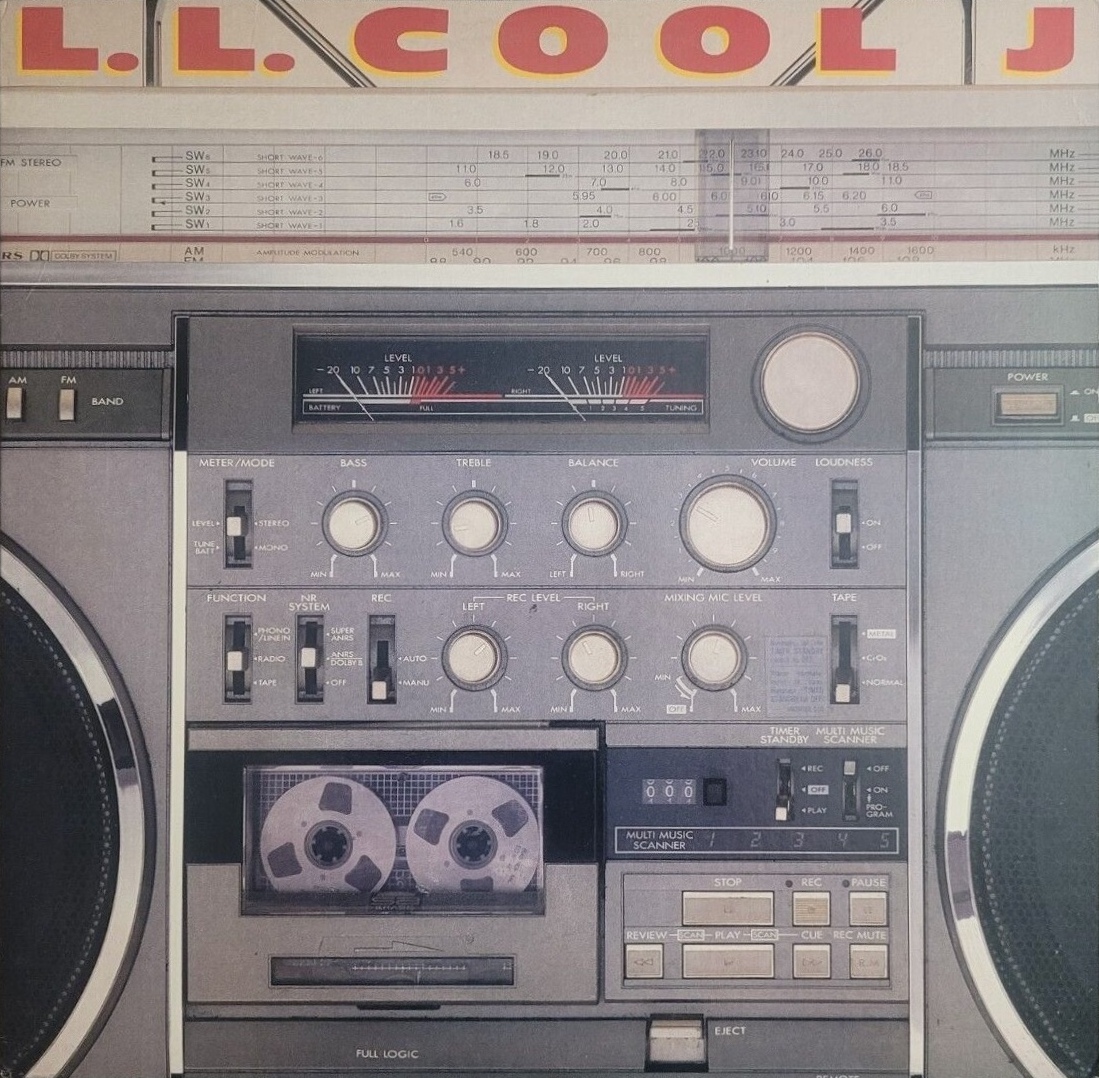
James Todd Smith, known professionally as LL Cool J, released his debut studio album, Radio, in late 1985 on Def Jam Recordings. At just 17 years old, LL Cool J delivered a masterclass in braggadocious lyricism, backed entirely by Rick Rubin’s sparse, heavy-hitting drum machine production and rock guitar samples. Tracks like "I Can't Live Without My Radio" and "Rock the Bells" proved that an MC could carry an entire album primarily through solo vocal delivery and dynamic pacing, dispensing with the traditional posse-cut party format that dominated the early part of the decade.
The Fresh Prince (Will Smith) and Jazzy Jeff
Though mainstream pop-rap would reach its commercial zenith slightly later, 1985 was the year the Philadelphia duo DJ Jazzy Jeff & The Fresh Prince formed and began recording their early collaborative singles. Their clean, narrative-driven style of rap offered a distinct alternative to the gritty street realism emerging in other pockets of the genre, proving that hip hop could accommodate humorous, lighthearted storytelling aimed at a younger demographic.
Salt-N-Pepa and the Groundwork for Female MCs
Before releasing their debut album, Salt-N-Pepa (originally known as Super Nature) recorded "The Show Stopper" in 1985 as a response track to Slick Rick and Doug E. Fresh's "The Show." The track became a radio hit and secured a deal with Next Plateau Records, establishing a vital commercial foothold for women in a heavily male-dominated industry and setting the stage for female-led anthems later in the decade.
Regional Expansion and the Seeds of the Golden Age
While New York City remained the undisputed capital of hip hop in 1985, the seeds of regional diversification were being planted across the United States.
- The West Coast: While Los Angeles would not experience its commercial explosion until the late 1980s with Gangsta Rap, artists like the World Class Wreckin' Cru (featuring Dr. Dre) were experimenting with electro-hop and synth-heavy club music in 1985.
- The South and Midwest: Local radio DJs and independent promoters in cities like Miami and Detroit were beginning to press their own bass-heavy dance records, laying early foundations for genres like Miami Bass.
- The East Coast Expansion: Beyond Manhattan and Brooklyn, outer-borough scenes in Queens and the Bronx continued to incubate complex rhyme schemes, fast-paced delivery, and intricate turntablism.
Frequently Asked Questions About 1985 Hip Hop
Why is 1985 considered an important year in hip hop history?
1985 marked the transition from the novelty 12-inch single era to a cohesive, album-oriented art form. It featured the mainstream commercial breakthrough of Def Jam Recordings, advanced sampling technologies, and the debut of foundational artists like LL Cool J who redefined lyrical delivery and song structure.
What was the biggest hip hop album released in 1985?
LL Cool J’s debut album, Radio, released in November 1985, is widely regarded as the most influential and commercially significant album of that year. It established Def Jam as a major force and proved the viability of the solo rap album.
How did production change in hip hop during 1985?
Producers transitioned away from live band accompaniment and basic drum machines toward sophisticated sampling keyboards like the E-mu Emulator and drum machines like the Oberheim DMX. This allowed for denser sonic textures, incorporating loops from classic funk, soul, and rock records.
Were there notable female artists in hip hop in 1985?
Yes, 1985 marked the emergence of artists like Salt-N-Pepa, who recorded their breakthrough single "The Show Stopper" that year. Their success helped pave the way for greater female representation and commercial viability in the genre.
Did West Coast hip hop exist in 1985?
West Coast hip hop existed primarily as an electro-hop and dance-oriented scene in 1985, championed by artists like the World Class Wreckin' Cru. The gritty, sample-heavy gangsta rap style that later defined the region developed slightly later in the decade.
Next Actions for Music Historians and Enthusiasts
To deepen your understanding of the 1985 hip hop landscape, explore primary source materials such as original vinyl releases, vintage print magazines like The Source or Right On!, and archival radio broadcasts from stations like WHBI in New York. Listening to the evolution of production from 1982 to 1985 side-by-side reveals the exact technological turning points that shaped modern popular music.