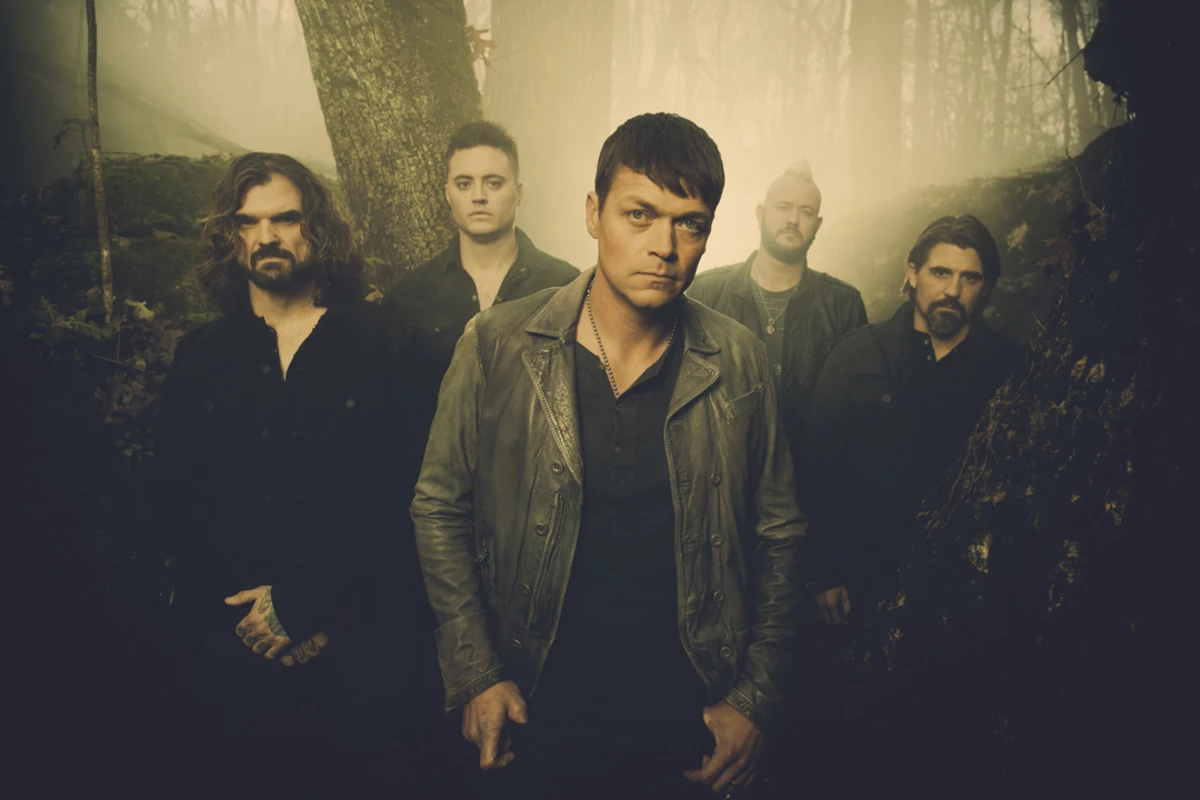
3 Doors Down is an American rock band from Escatawpa, Mississippi, that rose to international superstardom in the early 2000s. Known for their blend of post-grunge grit and melodic alternative rock, the group has sold over 20 million albums worldwide, anchored by the massive success of their debut single, "Kryptonite," and the enduring power ballad "Here Without You."
The Small-Town Origins: Escatawpa and the Trio
The story of 3 Doors Down begins in the mid-1990s in the small town of Escatawpa, Mississippi. The original lineup consisted of Brad Arnold (vocals and drums), Todd Harrell (bass), and Matt Roberts (guitar). Unlike many bands that form in urban music hubs like Los Angeles or Nashville, 3 Doors Down developed their sound in relative isolation, which contributed to their relatable, "everyman" lyrical themes.
In the early days, the band functioned as a trio. Brad Arnold, remarkably, served as both the lead singer and the drummer during their formative years and through the recording of their first album. The band’s name famously originated during a trip to Foley, Alabama. While walking down a street, they saw a sign with several letters fallen off that read "Doors Down." Since there were three members at the time, they added the "3" to create 3 Doors Down.
By 1996, the band was performing locally, building a grassroots following through relentless gigging across the Gulf Coast. Their sound—a mixture of Southern rock influences and the emerging post-grunge movement—resonated with audiences who were looking for something more melodic than the abrasive sounds of the early '90s but more substantial than the pop-rock of the late '90s.
The "Kryptonite" Phenomenon and The Better Life
The band’s big break is a classic "local-to-legend" story. They recorded a demo of a song Brad Arnold had written during a high school math class: "Kryptonite." They brought the demo to the local radio station, WCPR-FM in Biloxi, Mississippi. The response was unprecedented; the station was flooded with requests, and "Kryptonite" became the most-requested song in the station's history.
This local airplay caught the attention of major labels, leading to a showcase at the legendary CBGB in New York City. The band signed with Republic Records (a subsidiary of Universal) and began working on their debut studio album, The Better Life.
Released in February 2000, The Better Life became a commercial juggernaut. It was certified 7x Platinum by the RIAA, making it one of the best-selling rock albums of the decade. While "Kryptonite" peaked at number three on the Billboard Hot 100, the album produced other significant hits, including:
- "Loser": A song about the struggles of addiction and social alienation.
- "Duck and Run": A high-energy track that showcased the band's heavier side.
- "Be Like That": A mid-tempo ballad that demonstrated Brad Arnold's range as a songwriter.
During the recording and subsequent tour for The Better Life, the band expanded their lineup. Chris Henderson joined as a second guitarist to thicken the live sound, allowing the band to replicate the layered guitars of the studio recordings. Additionally, because Arnold could not feasibly sing and drum simultaneously during a high-octane stadium tour, the band hired Richard Liles (and later Daniel Adair) to take over drumming duties, moving Arnold to the front of the stage.
Away from the Sun and Global Stardom
Following the massive success of their debut, the band faced the "sophomore slump" pressure. They responded in 2002 with Away from the Sun, an album that refined their sound and doubled down on melodic hooks. Produced by Rick Parashar, the album was a slightly more somber and polished effort than its predecessor.
The lead single, "When I'm Gone," became a massive hit, staying atop the Billboard Mainstream Rock Tracks chart for 17 weeks. It also became an unofficial anthem for the U.S. military, frequently played during the early years of the Iraq War, cementing the band's strong connection with service members—a relationship they have maintained throughout their career.
However, it was the second single, "Here Without You," that became their most enduring global hit. A classic long-distance relationship ballad, the song crossed over into multiple radio formats, reaching number five on the Billboard Hot 100. Away from the Sun went 4x Platinum, proving that 3 Doors Down was not a "one-hit wonder" and was capable of sustained commercial relevance.
Lineup Changes and Evolution
The mid-2000s marked a period of both stability and transition for the band. In 2005, they released Seventeen Days, which debuted at number one on the Billboard 200. The album featured the hit "Let Me Go" and a collaboration with Bob Seger on "Landing in London." Shortly after the album's release, drummer Daniel Adair left to join Nickelback and was replaced by Greg Upchurch (formerly of Puddle of Mudd), who remains with the band as of 2026.
The band’s self-titled fourth album, released in 2008, also debuted at number one. While the landscape of rock music was shifting toward indie and electronic influences, 3 Doors Down remained committed to their signature sound. Tracks like "It's Not My Time" showed their ability to craft radio-ready anthems that appealed to their core demographic.
Summary of Major Discography and Achievements
| Album Title | Year Released | RIAA Certification | Notable Singles |
|---|---|---|---|
| The Better Life | 2000 | 7x Platinum | "Kryptonite", "Loser", "Duck and Run" |
| Away from the Sun | 2002 | 4x Platinum | "When I'm Gone", "Here Without You" |
| Seventeen Days | 2005 | Platinum | "Let Me Go", "Landing in London" |
| 3 Doors Down | 2008 | Gold | "It's Not My Time", "Train" |
| Time of My Life | 2011 | N/A | "When You're Young", "Every Time You Go" |
| Us and the Night | 2016 | N/A | "In the Dark", "Still Alive" |
Challenges and Tragedies
The 2010s were a difficult decade for the band personally. In 2012, founding guitarist Matt Roberts announced his departure from the band, citing health issues regarding blood circulation and the physical toll of touring. Tragically, Roberts passed away in 2016 from an accidental prescription drug overdose. His death was a profound blow to the band and the Escatawpa community, as he had been a pivotal part of their signature guitar sound.
In 2013, founding bassist Todd Harrell was dismissed from the band following a series of legal troubles, including a fatal DUI accident in Nashville. The band made the difficult decision to move forward without him, hiring Justin Biltonen to take over on bass.
Despite these internal fractures, Brad Arnold and Chris Henderson remained the stabilizing forces of the band. They continued to tour and released Us and the Night in 2016, which marked a slight departure toward a more contemporary rock sound with pop sensibilities.
The Cultural Legacy of 3 Doors Down
As of 2026, 3 Doors Down occupies a specific and respected niche in the history of American rock. They are often grouped with the "post-grunge" movement, but their longevity suggests they are more than a trend-based act. Their legacy is defined by several key factors:
- The "Working Man" Aesthetic: The band never adopted the flamboyant or experimental personas of their peers. Their lyrics often deal with everyday struggles—loneliness, perseverance, and the complexities of small-town life—which has kept them relatable to a massive middle-American audience.
- Military Connection: The band has been a fixture of USO tours and military benefits for over two decades. Songs like "When I'm Gone" and "Citizen/Soldier" have become synonymous with the experience of American service members, earning the band a dedicated following within the veteran community.
- Songwriting Craft: Brad Arnold is recognized as a master of the rock hook. Even critics who found their sound "formulaic" at times conceded that the band possessed an uncanny ability to write songs that stayed in the listener's head.
The band's influence can be seen in the wave of active rock bands that emerged in the late 2000s and early 2010s, many of whom cite 3 Doors Down's melodic structure as a blueprint for radio success. More information on their historical charts can be found on the Official Billboard Artist Page.
3 Doors Down in 2026: The Legacy Era
In 2026, 3 Doors Down continues to be a staple of the touring circuit. They have transitioned into a "legacy" act that successfully headlines amphitheaters and major festivals. Recent years have seen the band celebrate the 25th anniversaries of The Better Life and Away from the Sun with massive commemorative tours that have introduced their music to a new generation of listeners.
Brad Arnold remains the face of the band, often sharing his personal journey of sobriety and faith with fans during live performances. This transparency has created a deeper emotional bond between the band and their audience, evolving the relationship from one based on radio hits to one based on shared life experience.
The band’s current lineup—consisting of Brad Arnold, Chris Henderson, Greg Upchurch, Chet Roberts (who replaced Matt Roberts), and Justin Biltonen—has remained stable for over a decade, providing a consistent live experience that honors the original recordings while bringing a veteran tightness to the stage.
Frequently Asked Questions
Why did Matt Roberts leave 3 Doors Down?
Matt Roberts left the band in 2012 due to health concerns, specifically issues related to blood circulation that were exacerbated by the rigors of touring. He wanted to focus on his recovery and well-being away from the spotlight. Unfortunately, he passed away in 2016 at the age of 38.
Is the band still together and touring?
Yes, as of 2026, 3 Doors Down is active and continues to tour. While they haven't released a full-length studio album since 2016's Us and the Night, they remain a high-demand live act, often performing "anniversary" sets that highlight their most successful albums from the early 2000s.
What is the meaning behind the song "Kryptonite"?
Brad Arnold wrote the lyrics to "Kryptonite" when he was just 15 years old. The song isn't literally about Superman; rather, it’s about the concept of unconditional support. It asks the question: "If I'm down, will you be there for me? And if I'm at my best (my 'Superman' state), will you still be there, or will you be jealous and try to find my weakness (my 'Kryptonite')?"
How many members of the original lineup are still in the band?
As of 2026, only lead singer Brad Arnold remains from the original trio that formed in Escatawpa. Chris Henderson, while not in the very first iteration of the band, joined shortly after and has been a constant member since the The Better Life era.
What happened to Todd Harrell?
Todd Harrell was removed from the band in 2013 following legal issues stemming from a fatal car accident. He subsequently faced further legal challenges and served time in prison. The band has since distanced itself from Harrell to maintain their focus on the music and their professional commitments.
Final Recommendation for Fans
For those looking to explore the full depth of the 3 Doors Down story, the best starting point remains their first two albums, The Better Life and Away from the Sun. These records represent the peak of their cultural impact and contain the core of their musical identity.
If you are planning to see them live in 2026, it is highly recommended to check their official website for "Special Edition" tour dates, as the band frequently performs full-album play-throughs that offer a more immersive experience than a standard greatest-hits set. For the most accurate and up-to-date information on their schedule, visit the official 3 Doors Down website.