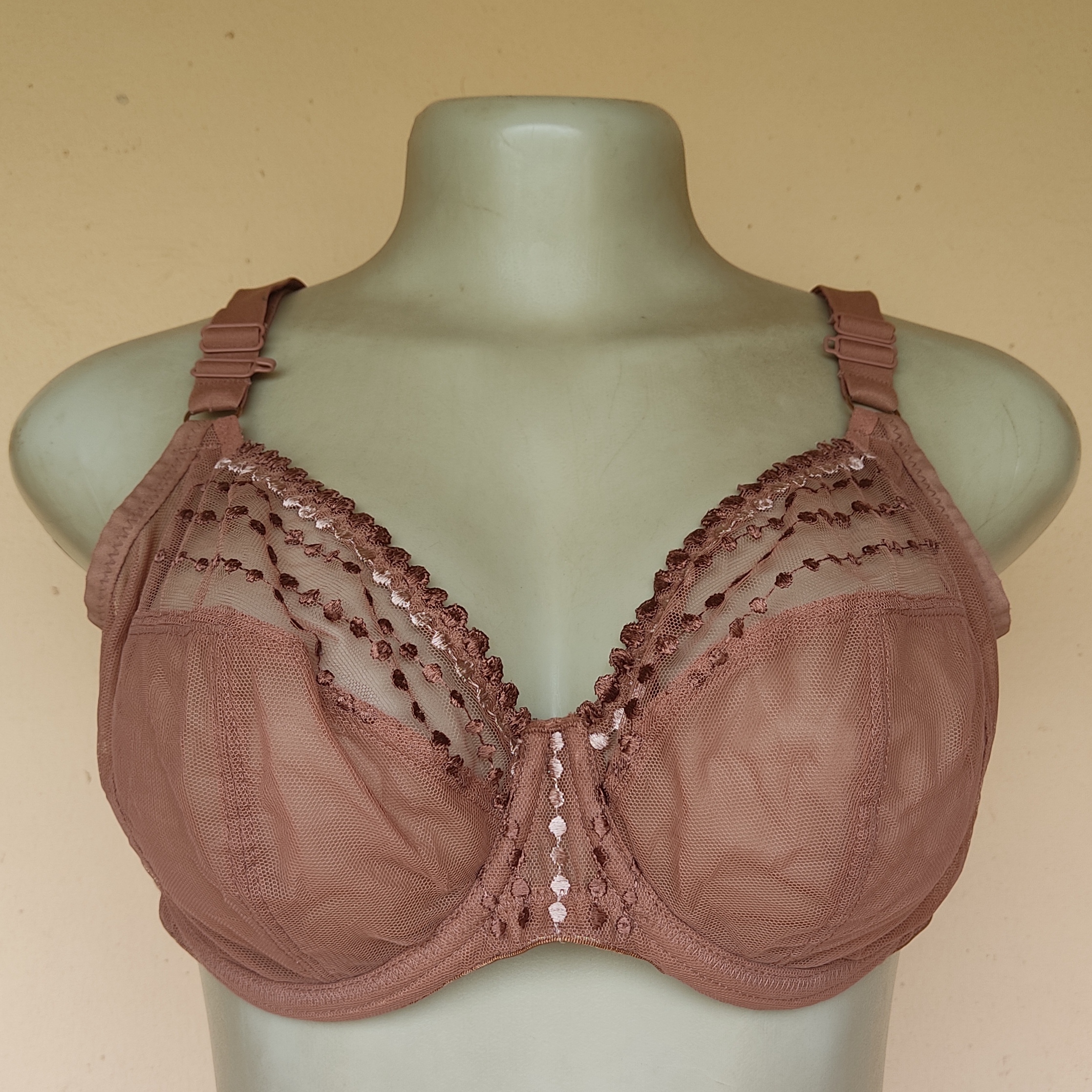
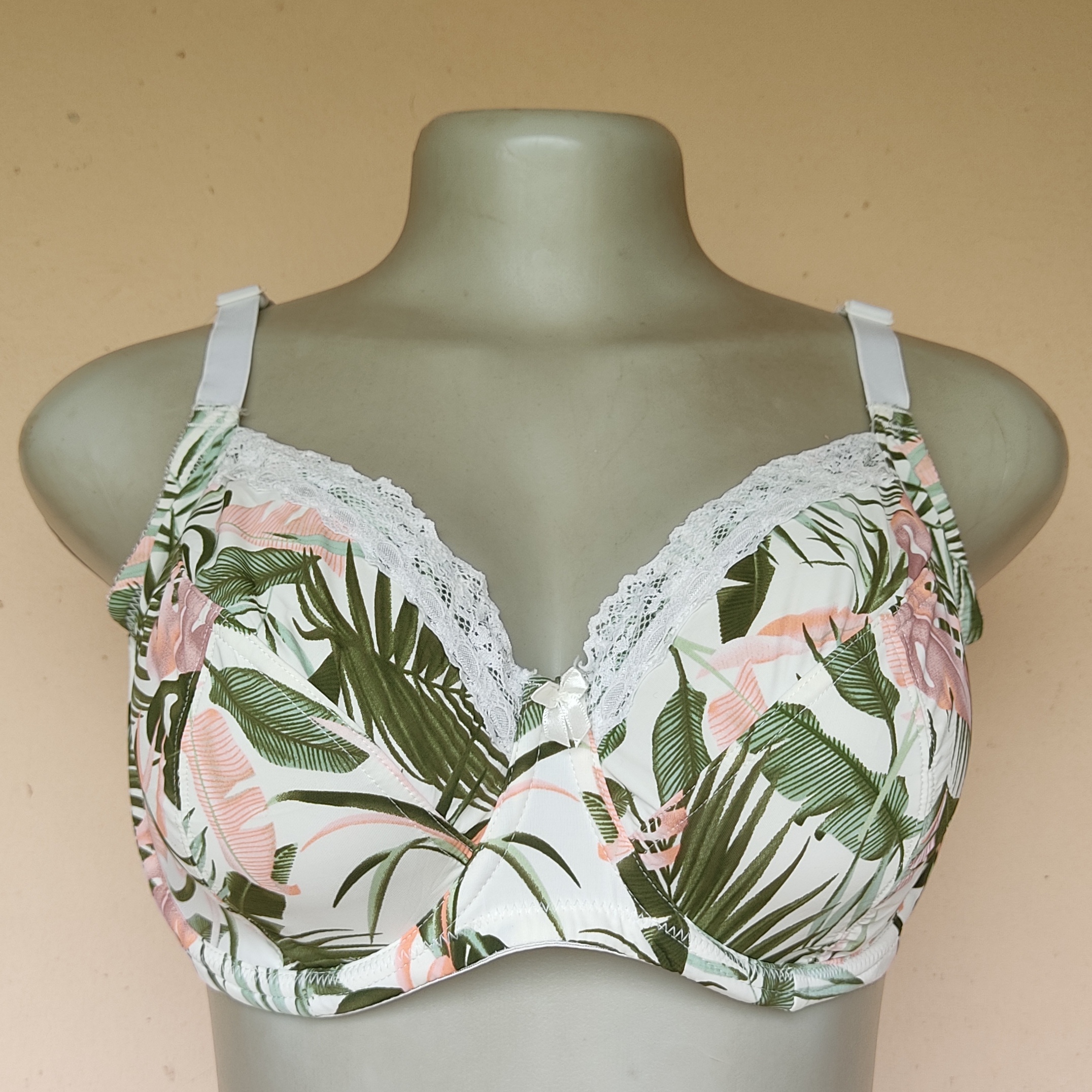
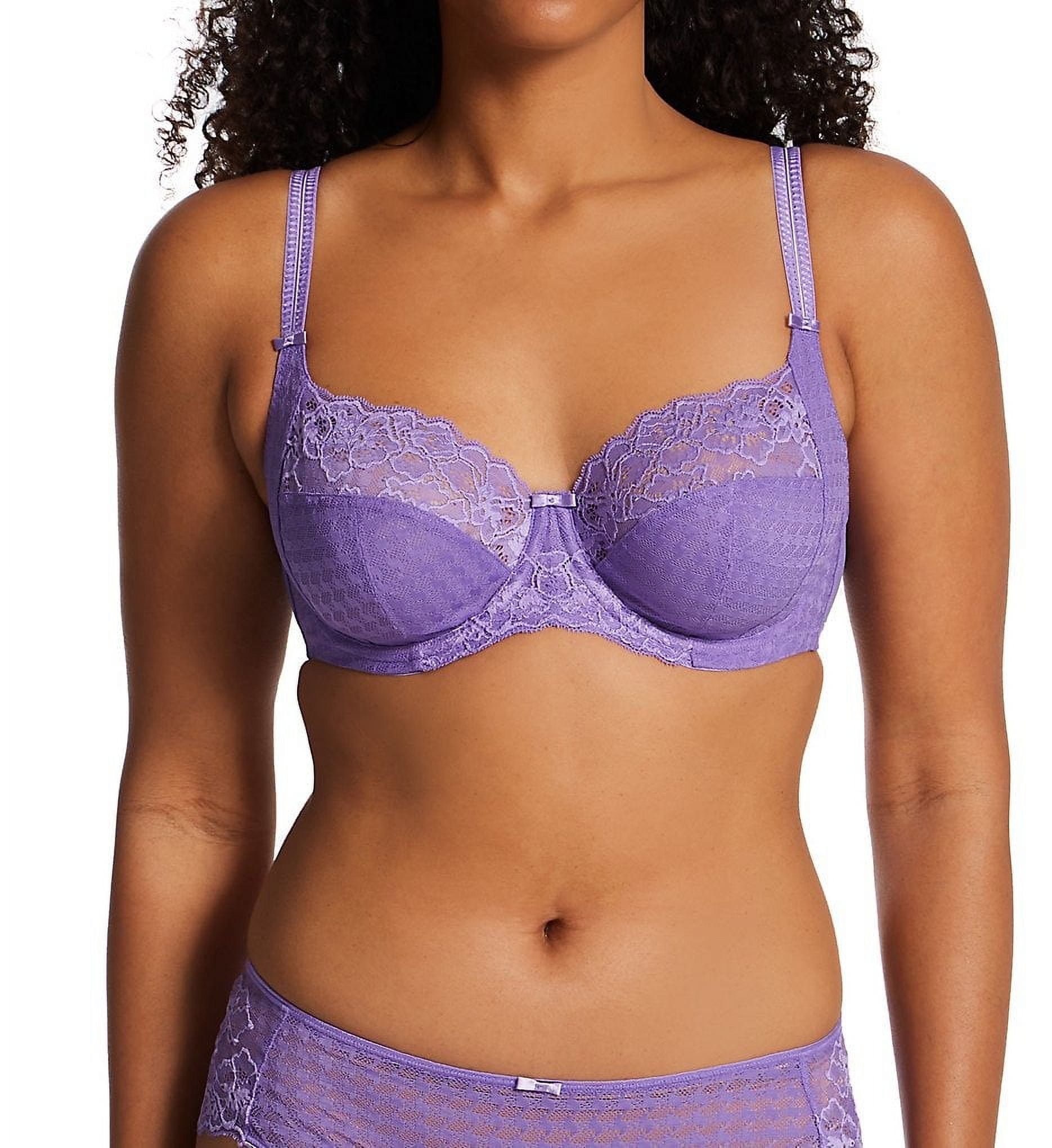
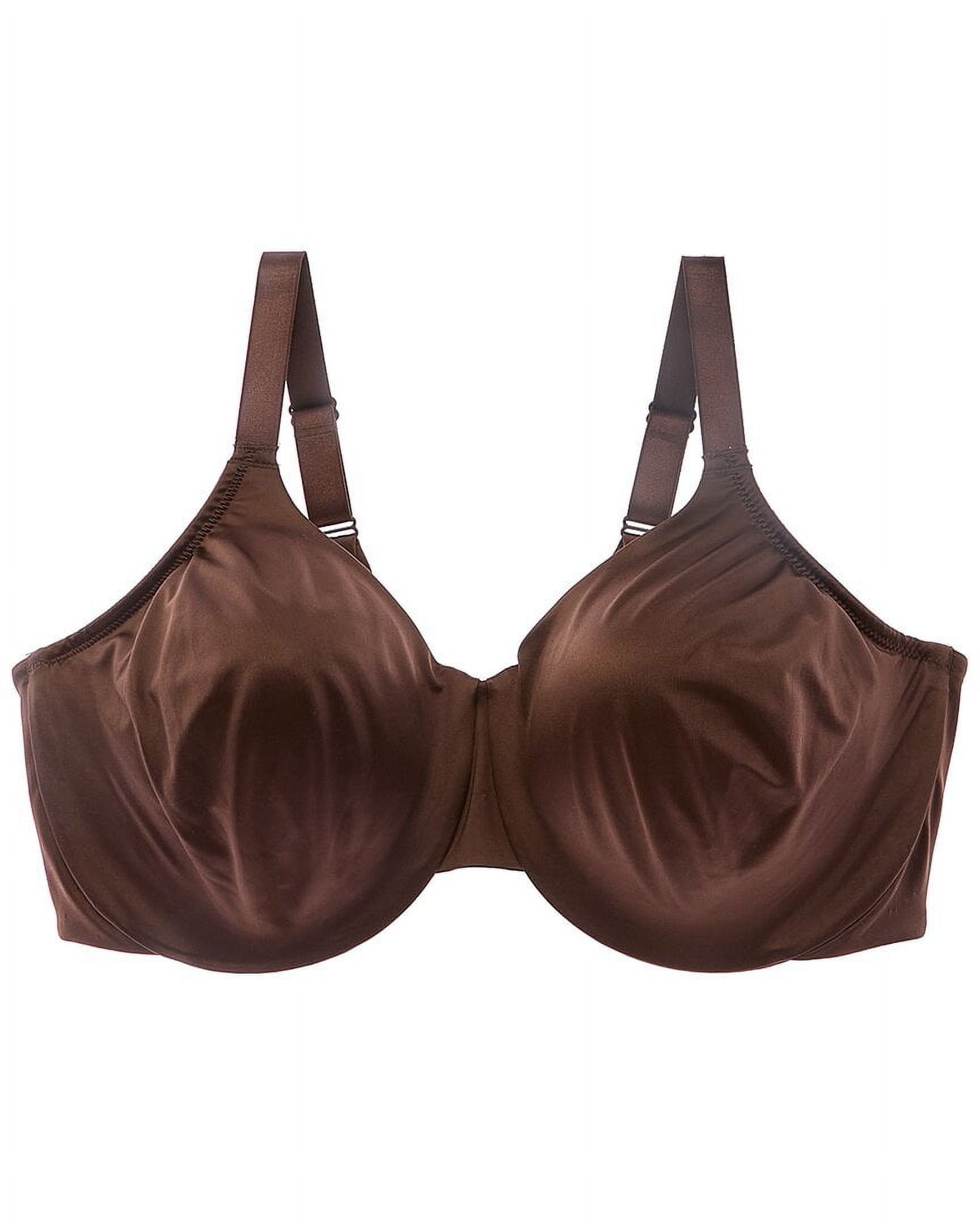
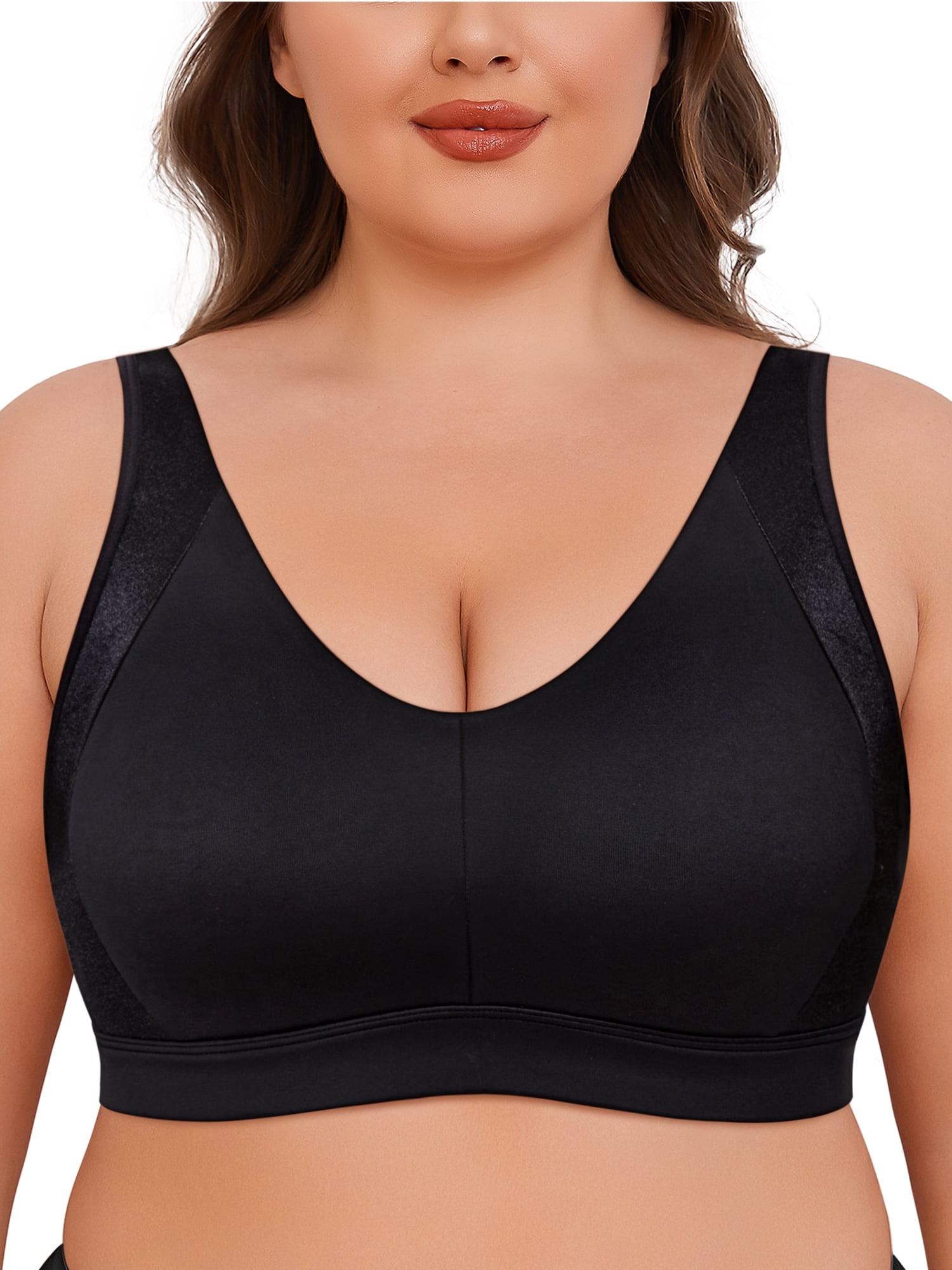
A 38DD bra is designed for a body frame measuring approximately 37 to 38 inches around the ribcage and a full bust measurement of 43 inches—representing a 5-inch difference between bust and underbust. Proper support in a 38DD requires a firm, level band providing 80 percent of the lift, alongside contoured cups and wide straps to prevent shoulder strain.
Understanding 38DD Sizing: Band, Cup, and Sister Sizes
The designation 38DD represents a specific relationship between ribcage circumference and total bust volume. In modern sizing systems, the number 38 specifies the band size, which directly corresponds to an underbust measurement of roughly 37 to 39 inches. The DD cup indicates that the bust measurement taken around the fullest part of the chest is 5 inches larger than the underbust measurement.
Understanding cup size as a ratio rather than a fixed volume is critical. Cup letters are relative to band sizes; therefore, a 38DD cup contains more volumetric space than a 34DD or 36DD cup, even though all three share the "DD" letter.
- Underbust Measurement: 37–38 inches
- Full Bust Measurement: 42–43 inches
- Difference: 5 inches = DD Cup
Modern Measuring vs. Traditional "+4" Sizing
For decades, standard lingerie sizing relied on the "+4 method," where fitters added four inches to an even underbust measurement to determine band size. Under this legacy system, a person measuring 34 inches around the ribcage would be placed in a 38 band. However, modern fitting standards prioritize structure and biomechanics:
- The Traditional Approach: Adds 4 inches to underbust (e.g., 34" underbust + 4 = 38 band). This often results in a loose band that rides up the back and shifts weight onto shoulder straps.
- The Modern Approach: Uses the actual underbust measurement for the band (e.g., 37–38" underbust = 38 band). This provides maximum structural anchorage from the band, freeing shoulder straps from bearing unnecessary load.
Explaining Sister Sizes
Sister sizes are bras that hold identical cup volumes but feature different band lengths. When adjusting fit for a 38DD, shifting to a sister size alters band tension without changing the overall space inside the cup:
- 36DDD (36E in UK sizing): Features a tighter band with the same cup volume as a 38DD. Choose this if a 38 band rides up or feels loose on the tightest hook.
- 40D: Features a looser band with the same cup volume as a 38DD. Choose this if a 38 band digs uncomfortably into the ribs despite the cups fitting correctly.
Anatomical and Structural Considerations for a 38DD Bust
Supporting a 38DD bust requires balancing physical weight, tissue density, and projection. Breast tissue at this size possesses noticeable mass, requiring a bra that relies on structural tension rather than shoulder strap pull.
- Center Gore / Bridge (Tacks Flat)
- Wide Wings (Powernet Mesh)
- Encapsulation Cups (Distributes Mass)
- Wide Underwire
The 80/20 Rule of Bra Physics
A proper bra acts as a simple cantilever system:
- The Band (80% of Support): The band surrounding the ribcage carries four-fifths of the total weight. It must lie completely horizontal across the back, sitting level with the front underwire.
- The Straps (20% of Support): Straps should only maintain cup alignment and prevent fabric slack. If straps leave red indentations or deep grooves in the shoulders, the band is too loose, forcing the straps to lift weight they were never engineered to carry.
Center Gore Tacking and Underwire Breadth
The center piece connecting the two cups is called the center gore or bridge. In a fitted wired 38DD bra, the gore must tack—meaning it rests flat against the sternum without lifting, twisting, or floating over breast tissue.
If the gore floats away from the chest bone, the cups are either too small or shallow, causing breast tissue to push the entire bra forward away from the body. Additionally, underwires for a 38DD must fully encapsulate the breast tissue under the armpits without pinching root tissue or pressing into delicate lung-adjacent tissue.
Key Bra Styles for 38DD and Their Structural Performance
Different bra silhouettes offer varying levels of coverage, shaping, and structural integrity. Selecting the right style depends on bust tissue density, necklines, and activity level.
- 38DD BRA STYLES
- Structured / Everyday
- Full Coverage
- Balconette
- T-Shirt / Molded Contour
- Specialty
- High-Impact Sports
- Minimizer
- Plunge & Wireless
- Structured / Everyday
1. Full-Coverage Bras
Full-coverage bras extend fabric over the entire breast apex to the top of the chest wall. They feature higher center gores, wide side wings reinforced with powernet mesh, and broad shoulder straps.
- Best For: Daily wear, soft or mature tissue prone to spilling, and maximum lift.
- Why It Works: Encapsulates tissue completely, preventing top-of-cup overflow and ensuring smooth lines under thin garments.
2. Balconette (Demis and Balconys)
Balconette bras cut horizontally across the top of the breast, featuring straps set wider apart near the shoulders.
- Best For: Low-cut, broad, or square necklines, as well as breasts with full bottom tissue.
- Why It Works: Creates vertical lift rather than center-push projection, elevating the bust line without exposing excess fabric above low necklines.
3. T-Shirt and Contour Bras
Featuring seamless, pre-formed foam cups, T-shirt bras offer a smooth silhouette without visible seam lines under fitted clothes.
- Best For: Everyday t-shirts, knits, and light-colored tops.
- Considerations: Molded foam cups keep a fixed shape. If your breast tissue does not naturally fill the pre-formed cup mold, you may experience gapping at the top even if the size is technically correct.
4. High-Impact Sports Bras
Sports bras for 38DD require high-performance construction to limit three-dimensional movement (vertical, side-to-side, and in-and-out) during exercise.
- Encapsulation vs. Compression: Compression sports bras flatten tissue against the chest, which can cause discomfort in a DD cup. Encapsulation sports bras isolate each breast in an individual cup, providing motion control without flattening.
- Best Features: Racerback converts, padded straps, encapsulated underwires, and moisture-wicking fabrics.
5. Minimizer Bras
Minimizer bras redistribute breast tissue across a wider area of the chest wall, reducing overall bust forward projection by roughly 1 to 1.5 inches.
- Best For: Preventing button gapping on woven shirts and tailored blazers.
- Trade-offs: Tissue is spread outward toward the underarms, which changes the profile silhouette from projected to flatter and broader.
Comparison of 38DD Bra Styles
| Bra Style | Recommended Bust Shape / Ideal Use | Key Structural Features | Support Level | Common Pitfalls to Avoid |
|---|---|---|---|---|
| Full Coverage | Soft tissue, full volume, daily wear | High center gore, broad side wings, wide padded straps | Very High | Fabric extending above low-cut necklines |
| Balconette | Bottom-heavy tissue, broad necklines | Horizontal cup cut, wide-set vertical straps | High | Upper cup edge digging into top-heavy breasts |
| T-Shirt / Molded | Smooth outfit silhouettes, casual wear | Seamless, pre-shaped foam cups | Medium to High | Gapping along top edge if cup shape mismatch occurs |
| High-Impact Sports | Running, HIIT, cardio training | Encapsulation cups, wide padded band, cross-back options | Maximum | Over-compression leading to restricted breathing |
| Minimizer | Tailored button-down shirts, blazers | Flat cup depth, wide root wires, compression fabric | High | Flattening shape profile unnaturally |
| Plunge / Low Cut | V-neck tops, evening wear | Low center gore, angled cups angled inward | Medium | Tissue spilling inward toward center chest |
Step-by-Step Guide: How to Fit and Verify a 38DD Bra
Finding the correct 38DD fit requires checking key areas while trying on the garment. Follow this standardized procedure to verify fit accuracy.
- Step 1: Scoop & Swoop
- Step 2: Check Band Level
- Step 3: Check Gore Tack
- Step 4: Strap Tension
Step 1: Perform the "Scoop and Swoop"
When putting on the bra, lean forward at the waist. Reach inside each cup with the opposite hand, grasp the breast tissue from under the armpit and ribcage, and gently pull it forward and up into the cup mold. Fasten the bra on the outermost hook.
Step 2: Test the Band Anchor
- Check the back in a mirror. The band must sit in a straight, horizontal line from front to back.
- Slide two fingers under the band at your spine. You should feel firm resistance, but be able to pull the band roughly 1 to 2 inches away from your back.
- Lift your arms over your head. If the underwire moves up onto your breast tissue, the band is too loose.
Step 3: Inspect Underwire and Gore Alignment
- Verify that the underwires sit in the crease where breast tissue meets your chest wall (the inframammary fold).
- Check the center gore. It should press flat against your sternum without resting on top of soft tissue.
- Check the sides. The underwire should end behind your side breast tissue, pointing toward the middle of your armpit.
Step 4: Adjust the Straps and Inspect Cup Fill
- Adjust shoulder straps so they feel snug without pulling upward on the back band. You should easily slide one finger under each strap.
- Look at the top cup edges. There should be a smooth transition from cup to skin, with no swelling over the edge (quad-boobing) or empty spaces inside the fabric (gapping).
Troubleshooting Common 38DD Fit Issues
Even when purchasing a labeled 38DD, minor variations in brand scaling, fabric elasticity, or wire width can cause fit issues. Here is how to fix common problems:
| Symptom | Cause | Fix Action |
|---|---|---|
| Quad-boobing | Cup volume too small | Go to 38DDD (38E) |
| Band rides up | Band size too large | Sister size to 36DDD |
| Gore lifts off | Cups too shallow/small | Try projected 38DD / 38DDD |
| Straps slipping | Band loose or set wide | Tighten straps / Adjust band |
Issue 1: Spillover (The "Quad-Boob" Effect)
- Symptom: Breast tissue bulges over the top or sides of the cups, creating a double-bust silhouette under clothing.
- Root Cause: The cup volume is too small, or the cup silhouette is too shallow for your natural projection.
- Solution: Increase your cup size while keeping the 38 band. Move to a 38DDD (38E).
Issue 2: Cup Gapping or Wrinkling
- Symptom: Fabric wrinkles near the top edge, or space remains between your body and the molded foam.
- Root Cause: The cup shape may not match your natural bust shape (e.g., wearing a full-coverage cup with bottom-heavy tissue), or the cup volume is too large.
- Solution: First, try a balconette style that accommodates less top-fullness. If gapping remains across styles, decrease cup volume to a 38D.
Issue 3: The Underwire Digs Into Ribs or Armpits
- Symptom: The wire pokes center sternum tissue or digs into lateral chest muscles under the armpits.
- Root Cause: If poking occurs at the center, the gore is too high or wide for your anatomical spacing. If poking occurs under the arms, the cups are either too small (forcing tissue outward) or the wire shape is too wide for your ribcage profile.
- Solution: Choose plunge styles with a lower center bridge, or go up one cup size (38DDD) so the wire fully clears your armpit tissue.
Issue 4: The Back Band Rides Up Toward Shoulder Blades
- Symptom: The band forms an upward arch across your back, causing the front to tilt downward.
- Root Cause: The band circumference is too large to anchor securely against your chest.
- Solution: Move down in band size and up in cup size to retain volume. Try a 36DDD (36E) on an middle or outer hook.
Proper Bra Care and Maintenance Strategy
A well-constructed 38DD bra experiences consistent mechanical tension throughout the day. Extending garment lifespan requires proper rotational care and washing routines.
Washing Protocol:
- Elastic Safe Detergent
- Hand Wash or Delicates Bag
- Cold Water Air Dry
Rotating Your Bras
- Never Wear the Same Bra Two Days In a Row: Elastane and spandex fibers require roughly 24 hours to shrink back to their original tight weave after absorbing body heat and moisture.
- Maintain a 3-to-4 Bra Rotation: Rotating several bras preserves band elasticity significantly longer than relying on a single favorite.
Washing and Drying Instructions
- Washing: Hand-wash in cool water using an alcohol-free, mild detergent designed for delicates. If using a washing machine, fasten all hooks, place the bra in a mesh lingerie bag, and select the gentle/delicate cycle with cold water.
- Drying: Never put bras in a tumble dryer. High heat breaks down synthetic elastic fibers, warps molded foam cups, and degrades underwire channel stitching.
- Drying Technique: Gently squeeze excess water out with a towel—never wring or twist wire channels. Hang the bra over a drying rack by the center gore, or lay it flat on a dry towel.
Frequently Asked Questions
Is 38DD considered a large bra size?
Yes, a 38DD is considered a full-bust size, but it sits within the average range for modern adult women's apparel. The "38" band reflects a medium-to-large frame, while the "DD" signifies a 5-inch difference between underbust and bust measurements. Proper support at this size requires structured bands and quality underwires to balance weight distribution comfortably.
What is the sister size for a 38DD?
The two immediate sister sizes for a 38DD are 36DDD (36E in UK sizing) and 40D. A 36DDD provides a firmer, tighter band while maintaining the same cup volume as a 38DD. A 40D provides a looser band while preserving that same 38DD cup volume.
Why do my straps leave painful red marks on my shoulders?
Deep shoulder indentations indicate that your bra band is too loose and fail to provide the required 80 percent of support. When the band slips down or stretches out, the shoulder straps are forced to carry the weight of the bust. Re-measure your ribcage; you likely need a smaller band size with an increased cup size (such as shifting from a 38DD to a 36DDD).
How can I tell if my 38DD bra underwire fits properly?
An underwire fits correctly when it rests flat against your sternum at the front and fully surrounds your breast tissue along the sides. The wire should sit directly in your inframammary fold without pressing onto soft breast tissue or poking into your armpit. If the wire rests on top of breast tissue at any point, the cup size is too small.
How often should I replace a 38DD bra?
With regular wear and proper care, a high-quality 38DD bra lasts between 6 to 12 months. When you must use the innermost hook to get a snug band fit, or if the elastic shows visible rubber threads, the bra has lost its structural tension and should be replaced.
Next Steps for Finding Your Ideal 38DD Bra
To secure the most supportive and comfortable 38DD bra, begin by taking a fresh set of snug underbust and loose bust measurements using a flexible tape measure. Compare these values against brand-specific size charts, keeping in mind that cup shapes vary significantly between molded, unlined, plunge, and balconette constructions.
Start by trying an unlined, multi-seam full-coverage bra in 38DD. Unlined seamed cups adapt directly to your natural anatomical shape, making it much easier to pinpoint whether any fit issues stem from improper sizing or mismatched cup geometry before exploring pre-formed foam or specialty silhouettes.