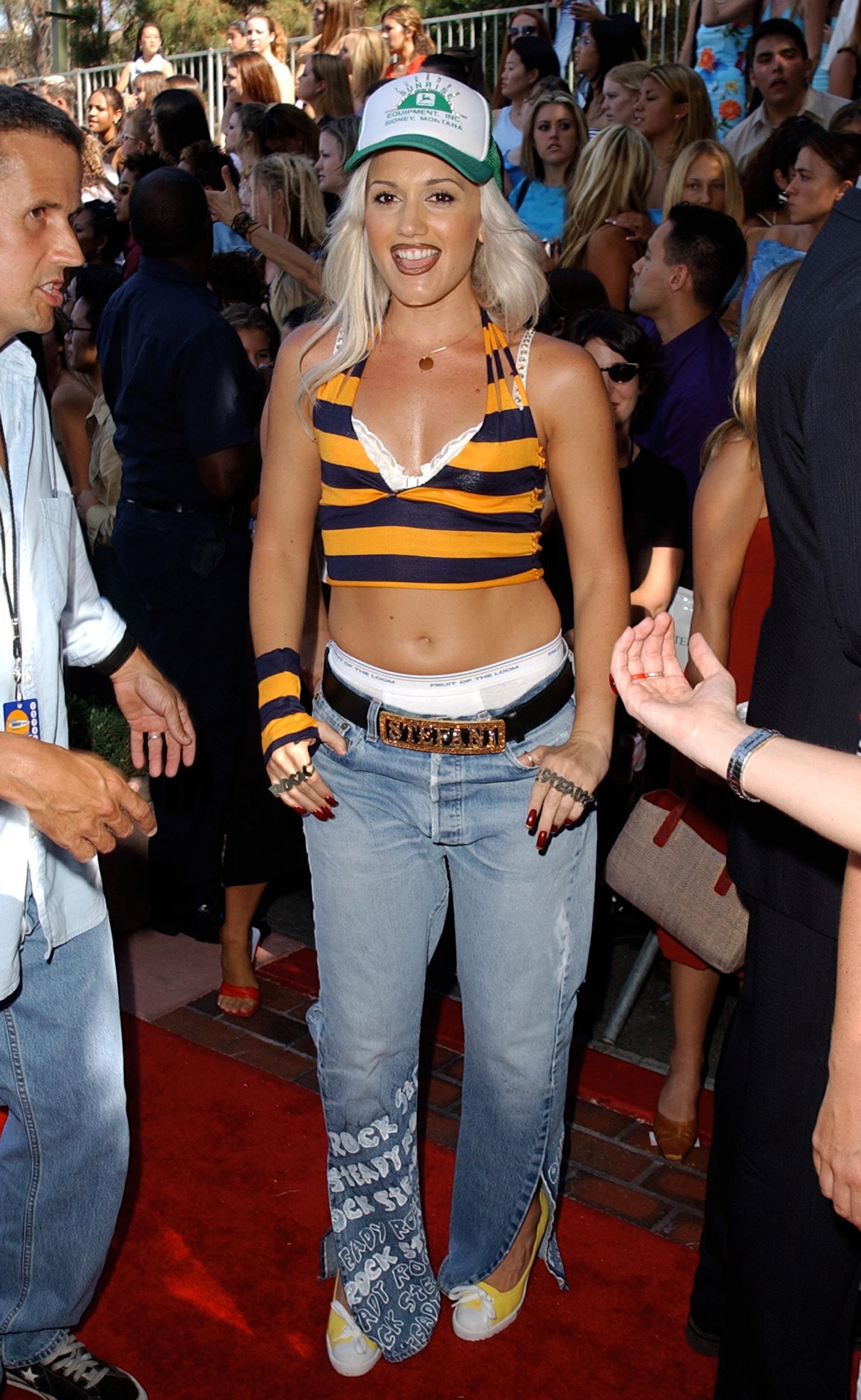
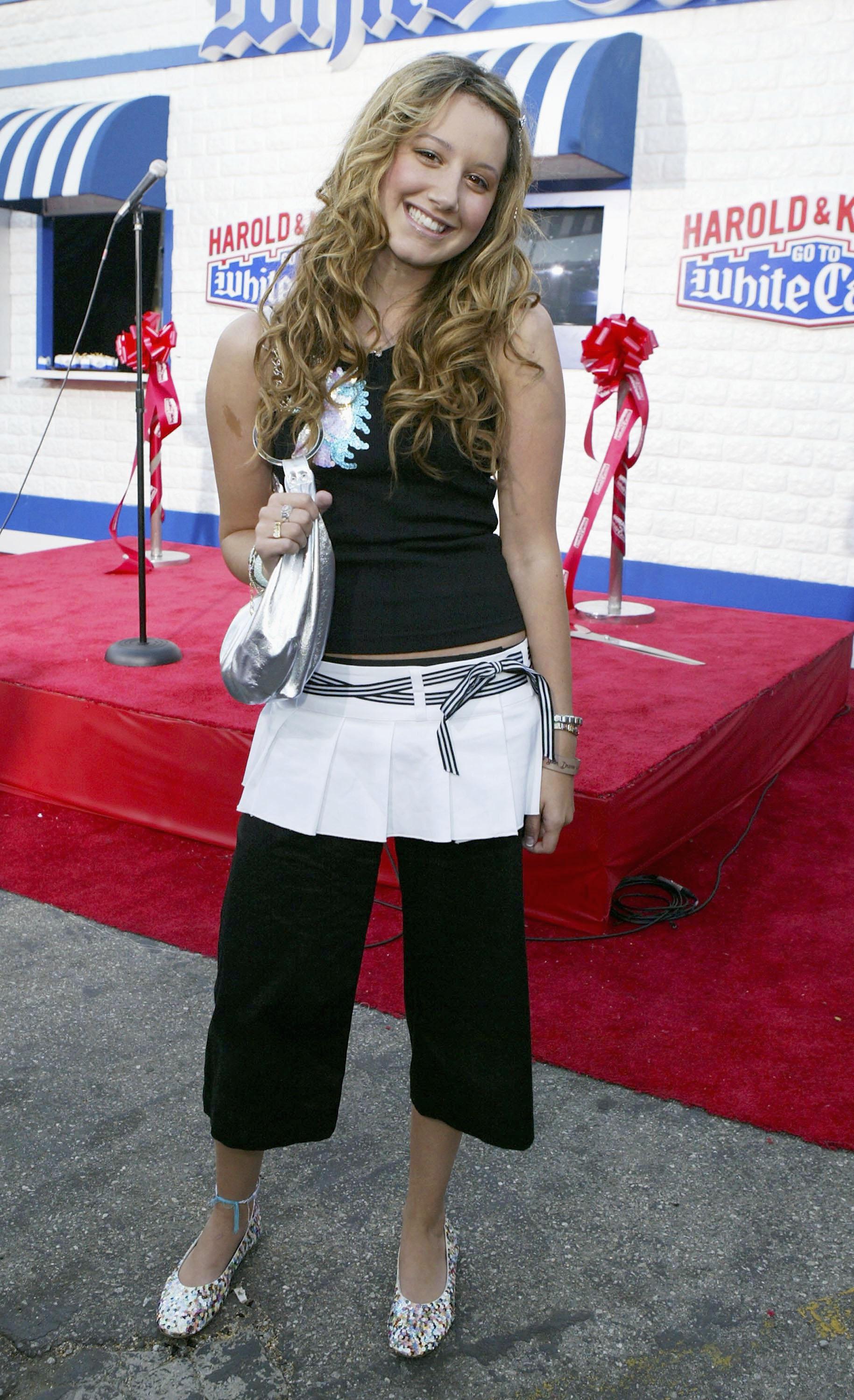
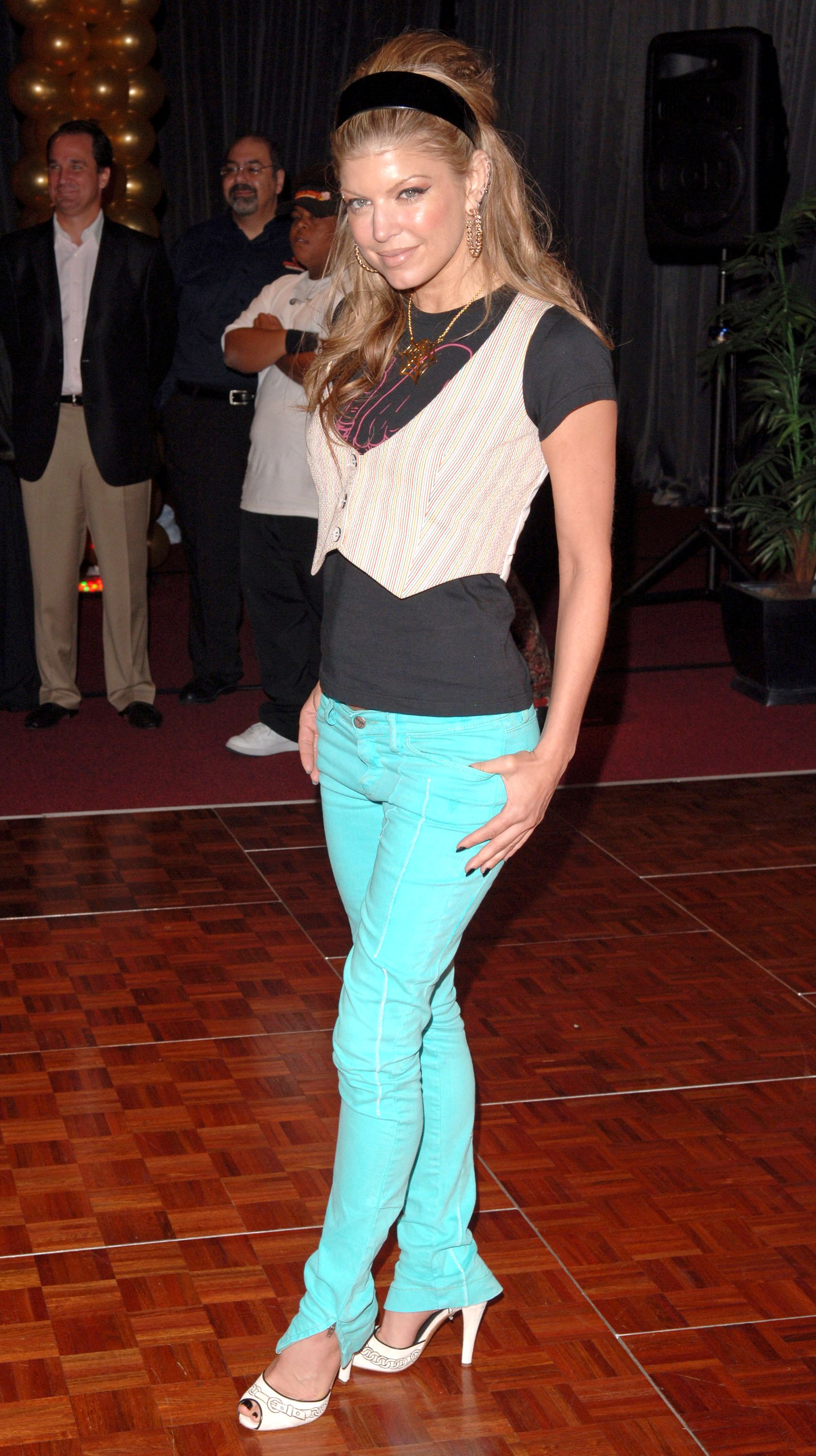
2000s fashion is characterized by a high-energy collision of futuristic optimism, millennium anxiety, pop culture consumerism, and early digital-age aesthetics, spanning low-rise denim, tracksuits, trucker hats, and statement logos that have sparked a major contemporary revival.
Introduction to Millennium Style
The sartorial landscape of the 2000s—frequently compressed into the umbrella term "Y2K fashion"—represented a dramatic break from the minimalist silhouettes of the 1990s. As the world crossed the threshold into the new millennium, fashion designers, pop stars, and youth culture embraced a hyper-visible, tech-obsessed aesthetic fueled by the rise of the internet, music video channels like MTV, and the explosion of tabloid culture.
Far from being a monolith, style in this decade evolved through several distinct phases. The early 2000s (roughly 2000 to 2003) were dominated by futuristic elements, metallic fabrics, and ultra-low-rise cuts, heavily influenced by the fear and excitement of the Y2K computer bug and sci-fi blockbusters like The Matrix. By the mid-to-late 2000s (2004 to 2009), the look shifted toward bohemian-inflected indie sleaze, velour comfort wear, and preppy casual streetwear. Today, this era has become a primary touchstone for vintage collectors, Gen Z consumers, and contemporary designers looking to recapture the uninhibited maximalism of the period.
Understanding 2000s style requires looking past surface-level clichés to examine the construction, cultural drivers, and specific garment types that defined the era. Whether you are sourcing authentic vintage pieces, curating a themed wardrobe, or analyzing fashion history, a granular understanding of the decade's core elements is essential.
Core Architectural Pillars of 2000s Wardrobes
The construction of a typical 2000s outfit relied on unexpected layering, asymmetrical cuts, and an intense focus on branding. Unlike the understated luxury or grunge apathy of the preceding decade, 2000s style was designed to capture attention under the flashbulbs of paparazzi cameras or the glowing screens of early digital cameras.
Silhouette and Proportions
The defining architectural feature of 2000s dress was the radical shift in waistlines and proportions. Tops shrank while bottoms dropped. Cropped baby tees, halter tops, and asymmetrical tube tops exposed the midriff, a silhouette made ubiquitous by pop icons like Britney Spears, Christina Aguilera, and Destiny's Child.
Simultaneously, trousers and skirts plummeted to extreme low-rise dimensions, resting dangerously close to the hipbones. This silhouette required a complete overhaul of undergarments, giving rise to the intentional display of whale tails (thong straps pulled high above the waistband) and decorative metallic belly chains. Footwear also underwent a transformation, with chunky platform sneakers, stiletto kitten heels, and pointed-toe mules dominating both casual and formal wear.
Textiles and Materials
Textile innovation in the 2000s leaned heavily into synthetic, high-shine, and tactile fabrics that reflected the era's fascination with space age futurism and accessible luxury:
- Velour and Chenille: Made famous by brands like Juicy Couture, plush tracksuits became the unofficial uniform of off-duty celebrities and suburban youth alike.
- Metallic and Patent Leathers: Silver foils, iridescent vinyl, and crinkled metallic leathers gave everyday garments an otherworldly, sci-fi sheen.
- Distressed and Washed Denims: Denim was subjected to extreme treatments, including heavy sandblasting, bleach spattering, whiskering, and rhinestone embellishments.
- Mesh and Burnout Fabrics: Layered sheer mesh tops featuring psychedelic prints or tattoo-inspired graphics offered a lightweight, textured alternative to basic cotton tees.
Iconic Garments and Sub-Aesthetics
The decade was not uniform; rather, it was broken down into distinct micro-trends and sub-aesthetics that catered to different music scenes, social classes, and youth tribes.
The Rise of the Luxury Tracksuit
Nothing encapsulates mid-2000s casualwear quite like the matching velour tracksuit. Pioneered by brands such as Juicy Couture and boosted by high-profile celebrity endorsements, these garments elevated loungewear into acceptable daytime streetwear. Typically paired with oversized sunglasses, a designer monogram handbag (such as a Louis Vuitton multicolored speedy), and Ugg boots, the tracksuit represented a shift toward comfort-driven consumerism.
McBling and Hyper-Femininity
As the early-century tech boom peaked, a sub-aesthetic known as "McBling" emerged. Characterized by excessive ornamentation, diamante logos, and bright pink palettes, McBling was unapologetically flashy. Von Dutch trucker hats, Ed Hardy graphic tees, rhinestone-studded baby Phat jeans, and chunky-heeled mules were staples of this movement. The goal was maximal visibility, signaling wealth and pop-culture literacy through recognizable brand insignia.
Indie Sleaze and Boho-Chic
As the decade progressed toward 2008 and 2009, the shiny optimism of McBling gave way to the gritty, nocturnal aesthetic dubbed "Indie Sleaze." Centered around indie rock music blogs, American Apparel advertising, and nocturnal nightlife culture, this look favored messy hair, smudged eyeliner, American Apparel jersey dresses, leather jackets, and sheer tights. Concurrently, the bohemian revival—championed by Sienna Miller and Nicole Richie at music festivals like Glastonbury—introduced tiered maxi skirts, oversized fringe bags, and layered beaded necklaces.
Comparing 2000s Fashion Eras
To better understand how style evolved over the ten-year span, the table below breaks down the distinct shifts between the early and late periods of the decade.
| Category | Early 2000s (2000–2003) | Late 2000s (2006–2009) |
|---|---|---|
| Dominant Silhouette | Ultra-low-rise pants, crop tops, fitted baby tees | Skinny jeans, oversized tunics, structured blazers |
| Key Fabrics | Metallics, vinyl, structured velour, distressed denim | Raw denim, sheer jersey, cotton flannel, leather |
| Footwear | Platform flip-flops, pointed mules, chunky trainers | Ballet flats, ankle booties, Converse All-Stars |
| Cultural Drivers | Pop music divas, MTV Total Request Live, sci-fi cinema | Indie blogs, music festivals, American Apparel marketing |
| Accessory Focus | Rimless tinted sunglasses, belly chains, trucker hats | Oversized tote bags, chunky scarves, layered bangles |
Sourcing and Styling 2000s Fashion Today
For contemporary enthusiasts looking to incorporate authentic Y2K elements into their wardrobes without looking like they are wearing a costume, a balanced approach is required. Sourcing genuine vintage requires navigating online resale platforms like Depop, Poshmark, and eBay, where archival pieces from brands like Roberto Cavalli, Jean Paul Gaultier, and early Vivienne Westwood are heavily traded alongside mass-market mall brands of the era.
When styling these pieces today, stylists recommend pairing a single high-impact 2000s statement item—such as a low-rise cargo pant or a rhinestone-embellished handbag—with modern, neutral basics. This creates a grounded, wearable look that pays homage to the era's ingenuity without feeling dated. Furthermore, inspecting garments for fabric degradation is crucial, as synthetic stretch blends from the early 2000s can lose their elasticity over time. Check waistbands, elastic cuffs, and synthetic linings for signs of dry rot before making a purchase.
Frequently Asked Questions
What defines authentic 2000s fashion?
Authentic 2000s fashion is defined by low-rise waistlines, synthetic velour fabrics, heavy brand logo integration, futuristic metallic finishes, and a blend of pop-culture-driven maximalism and early digital-age aesthetics.
How can I tell if a piece of clothing is truly from the 2000s?
Check the interior garment care tags for RN (Registered Number) or WN numbers, specific typography fonts used on brand logos during that decade, and material composition tags. Mass-market brands of the era often used distinct polyester-spandex blends and manufactured items in garment districts that have since shifted production overseas.
Are low-rise jeans making a permanent return?
While low-rise denim cycles in and out of contemporary runway trends, consumer preference often balances it with high-waisted cuts. In modern styling, low-rise pants from the 2000s are frequently worn with a relaxed, slouchy fit rather than the hyper-form-fitting style of the original era.
Where is the best place to buy vintage 2000s clothing?
Peer-to-peer resale marketplaces specializing in vintage and secondhand streetwear—such as Depop, Grailed, and specialized vintage Instagram curators—are the most reliable sources for authentic, period-correct garments.
How do I care for delicate vintage items from this era?
Many 2000s garments feature glued-on rhinestones, delicate screen prints, or synthetic metallics that cannot withstand standard machine washing. Hand-washing in cold water with mild detergent and air-drying flat is recommended to preserve prints and embellishments.
Next Actions for Collectors and Stylists
If you are looking to build a 2000s-inspired wardrobe or archive collection, begin by auditing your current closet for foundational neutrals that can balance statement pieces. Prioritize sourcing one or two high-quality anchor items—such as a genuine designer shoulder bag or a well-preserved piece of archival denim—rather than fast-fashion reproductions. Inspect all prospective vintage purchases for hardware integrity, fabric elasticity, and stain history to ensure your pieces maintain their wearability and aesthetic value.