The year 2001 marked a fascinating transitional period for cinematic comedy, bridging the irreverent, high-concept studio comedies of the late 1990s with a new wave of absurdism, satire, and raunchy humor that would dominate the decade. Far from being a mere footnote in film history, 2001 delivered a diverse array of comedic milestones that range from influential mockumentaries and subverted spy parodies to cult classics and groundbreaking animated features. Examining this specific year offers a lens into how cultural shifts, post-millennial anxieties, and changing audience tastes reshaped the landscape of humor on screen.
The Cultural and Industrial Context of 2001 Cinema
To understand the comedy of 2001, one must examine the broader cultural and industrial landscape of the American film industry at the turn of the millennium. The late 1990s had established a lucrative formula for high-concept studio comedies, often driven by bankable movie stars, slapstick physical comedy, and sanitized romantic plots. However, as the year 2001 unfolded, a distinct friction emerged between traditional Hollywood formulas and a growing appetite for edgier, self-aware, and formally experimental storytelling.
Major studios were beginning to recognize that audiences—particularly younger demographics—responded strongly to irony, meta-commentary, and satire that poked fun at institutional authority, fashion, and media itself. This period also coincided with the rapid expansion of home video markets via DVD. Cult comedies that underperformed or found only modest box-office success during their initial theatrical runs frequently found a second life, generating fervent fan communities and sustained commercial viability through home media.
Furthermore, the international market was shifting. Comedies that relied heavily on broad physical humor or universally recognizable tropes traveled well overseas, while hyper-local satirical films found unique niches. The convergence of these factors meant that filmmakers working in 2001 had a unique canvas: they could push boundaries in rating categories, experiment with mockumentary formats, or subvert established genres like the spy thriller and the teen movie.
Defining Subgenres and Major Releases of the Year
The comedic output of 2001 is best understood by categorizing the major releases into distinct subgenres that dominated the box office and critical discussions. Rather than adhering to a single comedic style, the year was characterized by extreme stylistic diversification.
Satire and the Mockumentary Form
One of the most culturally enduring comedies of 2001 was Zoolander, directed by and starring Ben Stiller. Released shortly after the events of September 11, 2001, the film satirized the superficiality of the high-fashion industry, celebrity culture, and corporate malfeasance. By following the dim-witted male supermodel Derek Zoolander, the film utilized hyper-stylized visual motifs and quotable absurdism to critique an entire luxury ecosystem. Although its initial box-office run was tempered by sensitive timing surrounding its release, Zoolander cemented itself as a cornerstone of early 2000s pop-culture quoting.
Similarly, the mockumentary format continued to evolve, paving the way for the single-camera television comedies that would define the subsequent decade. While traditional sketch comedy found new cinematic expression, the mockumentary approach proved that audiences were willing to embrace unreliable narrators and improvised comedic rhythms.
Absurdist and Slapstick Enterprises
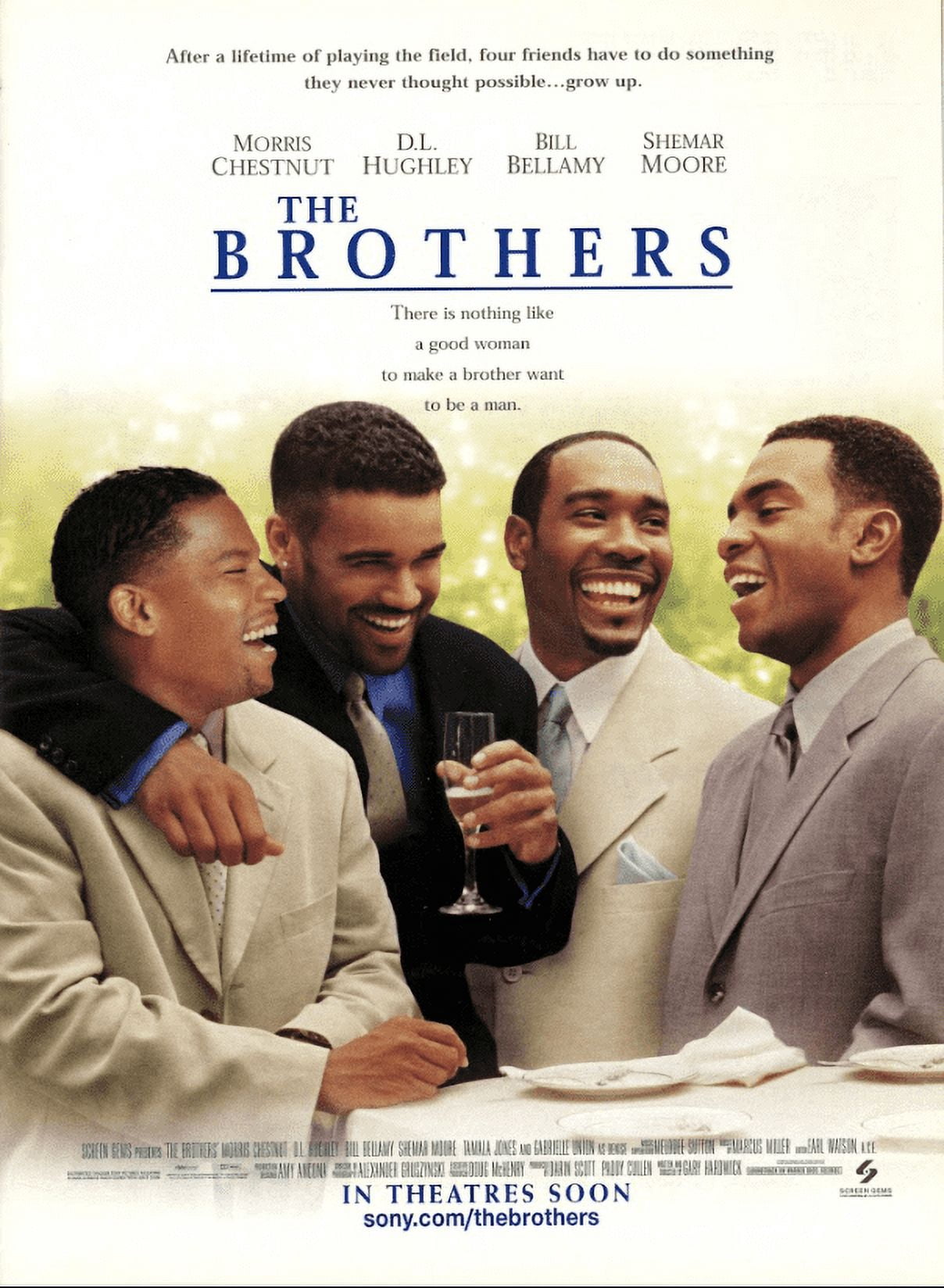
On the more chaotic end of the spectrum, 2001 delivered high-concept slapstick and gross-out humor. Tomcats, directed by Gregory Poirier, leaned heavily into the raunchy, high-stakes betting comedies popularized in the late 1990s, focusing on a group of bachelors wagering on who will remain unmarried the longest. While critically divisive, such films illustrated the commercial appetite for boundary-pushing R-rated comedies that tested the limits of acceptable taste.
Conversely, family-oriented slapstick reached a high-water mark with projects that blended live-action and cutting-edge visual effects or relied on physical cartoon logic translated to the screen. These films balanced juvenile humor with layered winks to adult viewers, ensuring cross-generational appeal.
Animated Comedies and Boundary-Pushing Family Fare
The landscape of comedy shifted dramatically with the release of DreamWorks' Shrek in May 2001. While technically an animated fantasy adventure, the film functioned primarily as a subversive, postmodern comedy that aggressively deconstructed classic fairy-tale tropes, Disney corporate hegemony, and traditional narrative structures. Featuring vocal performances by Mike Myers, Eddie Murphy, and Cameron Diaz, Shrek relied heavily on pop-culture references, anachronistic needle-drops, and dual-layer humor that appealed equally to children and adults.
The massive critical and commercial success of Shrek—culminating in the Academy Award for Best Animated Feature—proved that animated comedy could anchor a major studio's financial portfolio while redefining the stylistic boundaries of the medium.
| Film Title | Primary Subgenre | Key Creative Figures | Notable Cultural Impact |
|---|---|---|---|
| Shrek | Animated Satire / Fantasy | Mike Myers, Eddie Murphy, Andrew Adamson | Revolutionized studio animation, deconstructed fairy tales, won the first Oscar for Best Animated Feature. |
| Zoolander | Fashion Satire / Absurdist | Ben Stiller, Owen Wilson, Will Ferrell | Created an enduring lexicon of catchphrases and subverted high-fashion celebrity culture. |
| Legally Blonde | Romantic Comedy / Satire | Reese Witherspoon, Luke Wilson, Robert Luketic | Subverted "dumb blonde" tropes, established an empowering feminist legal comedy framework. |
| Jay and Silent Bob Strike Back | Stoner Comedy / Meta-Fiction | Kevin Smith, Jason Mewes | Defined the early indie-geek cinematic universe and pioneered self-referential fan service. |
Subverting Expectations: The Rise of Smart-Stupid and Feminist Comedies
A defining characteristic of 2001 comedy was the clever subversion of traditional archetypes. This was epitomized by the release of Legally Blonde, directed by Robert Luketic and starring Reese Witherspoon as Elle Woods. On the surface, the film appeared to be a standard, bubbly romantic comedy about a sorority president pursuing her ex-boyfriend to Harvard Law School. However, the film subverted the persistent "dumb blonde" trope by transforming into a sharp satire of institutional snobbery, legal procedural clichés, and patriarchal expectations.
Elle Woods did not shed her femininity to succeed in a rigorous academic environment; rather, she weaponized her specialized knowledge of fashion, beauty, and interpersonal dynamics to solve a high-stakes murder trial. This synthesis of high-concept fashion aesthetics and sharp courtroom acumen established a new blueprint for feminist-leaning mainstream comedy that resonated across generations.
In the independent and cult spheres, Kevin Smith’s Jay and Silent Bob Strike Back pushed meta-fictional comedy to new extremes. By taking two minor supporting stoners from his "View Askewniverse" and placing them at the center of a cross-country road trip to stop a Hollywood adaptation of a comic book based on them, Smith created a film entirely dependent on audience awareness of cinematic tropes, industry practices, and internet culture. It was an early harbinger of the hyper-referential fan service that would later dominate twenty-first-century blockbuster entertainment.
Commercial Performance, Critical Reception, and Legacy
Evaluating the legacy of 2001 comedies requires examining how contemporary box-office receipts often contrasted with long-term cultural persistence. Many comedies released during this calendar year experienced modest theatrical openings—partly due to changing geopolitical realities and shifting studio marketing budgets—yet achieved legendary status through physical media sales, cable syndication, and internet meme culture.
Critical Metrics and Box-Office Realities
| Metric Category | Theatrical Release Era (2001) | Long-Term Evaluation (Retrospective) |
|---|---|---|
| Primary Distribution | Theatrical exhibition supplemented by VHS and emerging DVD formats. | Streaming platforms, digital on-demand purchases, and global syndication. |
| Critical Consensus | Often viewed by contemporary reviewers as superficial, juvenile, or overly commercial. | Reevaluated as foundational texts for modern satirical and meta-comedic styles. |
| Audience Engagement | Word-of-mouth theater attendance and physical rental shops (Blockbuster, etc.). | Social media quotation, viral video clips, and internet meme integration. |
Critics in 2001 were frequently harsh toward comedies that relied on gross-out gags, repetitive catchphrases, or cartoonish characterizations. Reviewers often lamented a perceived decline in sophisticated screwball writing in favor of low-brow shock value. However, decades later, many of these same films are celebrated for their uninhibited risk-taking and willingness to court absurdity. The stylistic risks taken by directors and writers in 2001 laid the groundwork for the television comedy boom of the late 2000s and 2010s, influencing shows that embraced awkwardness, documentary framing, and relentless self-awareness.
Practical Guide: Curating and Analyzing a 2001 Comedy Watchlist
For researchers, film students, or enthusiasts looking to explore the comedic landscape of 2001, a structured approach yields the best appreciation of the era's diversity. Navigating this cinematic period effectively involves several considerations:
- Identify Your Subgenre Preference: Determine whether you are looking for animated deconstruction (Shrek), fashion-industry satire (Zoolander), empowering romantic comedy (Legally Blonde), or indie geek culture (Jay and Silent Bob Strike Back).
- Examine the Socio-Political Subtext: Pay attention to how historical events and post-millennial anxieties subtly influenced the tone of these films. Notice how escapism manifested as either hyper-stylized absurdity or comforting, triumphant narratives.
- Analyze the Visual and Formal Techniques: Observe the transition from traditional multi-camera or straightforward single-camera setups to more dynamic visual framing, rapid-fire editing, and early integration of digital visual effects for comedic effect.
- Contextograph Comparative Study: Compare the critical reception of these films in 2001 with their modern cultural standing to understand how shifting standards of humor alter cinematic valuation over time.
By contextualizing these films within their original release window while recognizing their forward-looking structural innovations, viewers can fully appreciate why the comedies of 2001 remain enduringly quotable, culturally significant, and academically worthy of study.
Frequently Asked Questions
What was the highest-grossing comedy film released in 2001?
Shrek stands as the most commercially successful comedic release of 2001, grossing over $484 million worldwide and fundamentally altering the financial landscape for animated features. Its success proved that family-oriented comedies could dominate the global box office while appealing equally to adult audiences through sophisticated satire.
How did the events of September 11, 2001, affect comedies released that year?
The tragedy impacted marketing campaigns and box-office performance for several late-year releases. Studios rushed to alter promotional materials, digital billboards, and trailers for films featuring iconic skylines or themes of chaos and destruction. Some films, such as Zoolander, faced sensitive timing challenges regarding their satirical targets, though home video releases later insulated them from initial theatrical box-office dampening.
Are 2001 comedies considered family-friendly?
The comedic landscape of 2001 was highly polarized by rating categories. While major animated releases like Shrek targeted a broad family demographic, many live-action hits carried strict R-ratings for language, sexual content, and crude humor. Viewers should verify specific Motion Picture Association ratings before selecting titles for younger audiences.
Why do some 2001 comedies hold up better than others today?
Films that relied purely on fleeting pop-culture trends or shock value often feel dated to modern audiences. Conversely, comedies that invested in strong character development, robust satirical targets—such as corporate greed, institutional bias, or superficial industry standards—and clever structural writing have maintained their relevance and cultural cachet through decades of technological and social change.