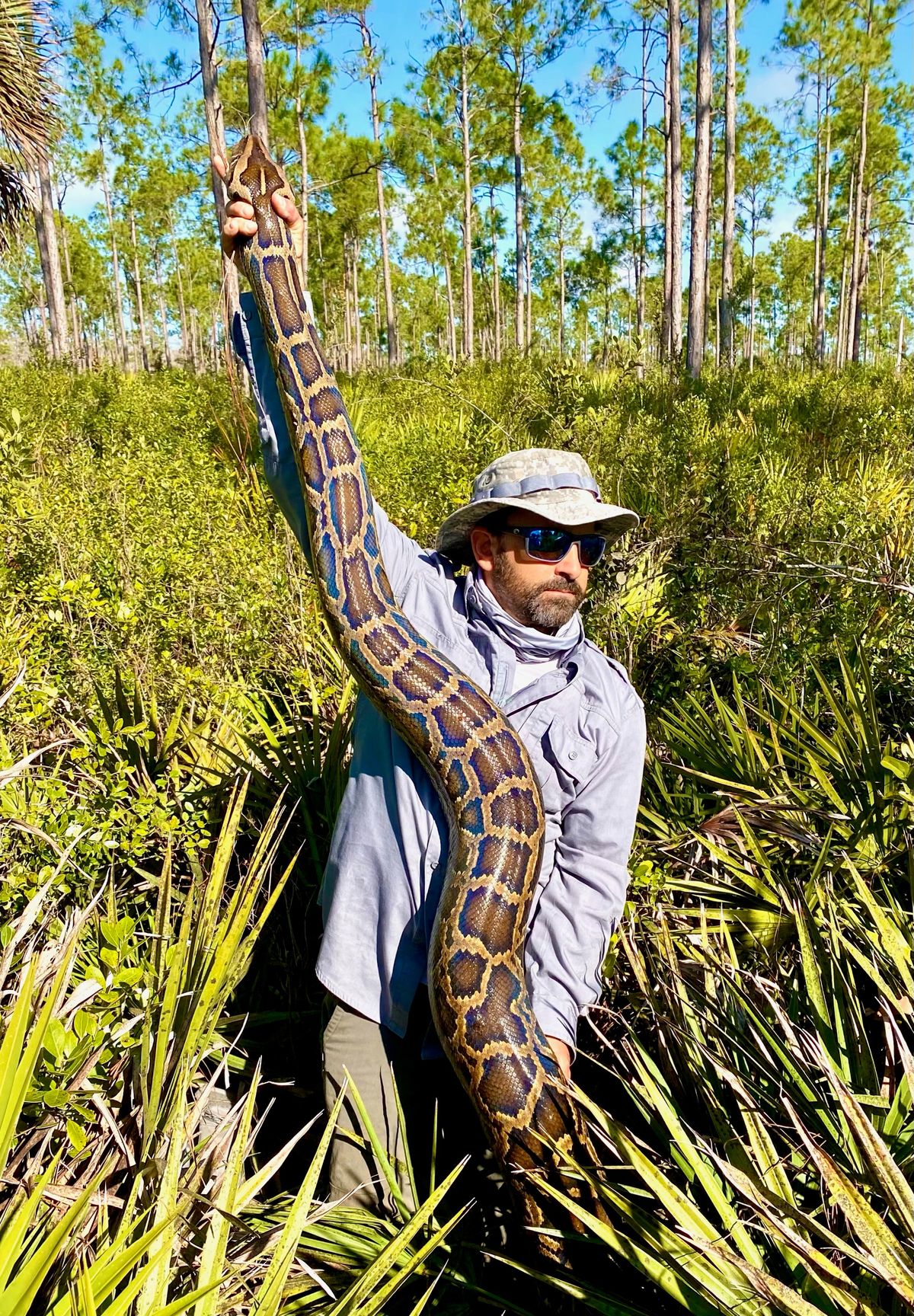
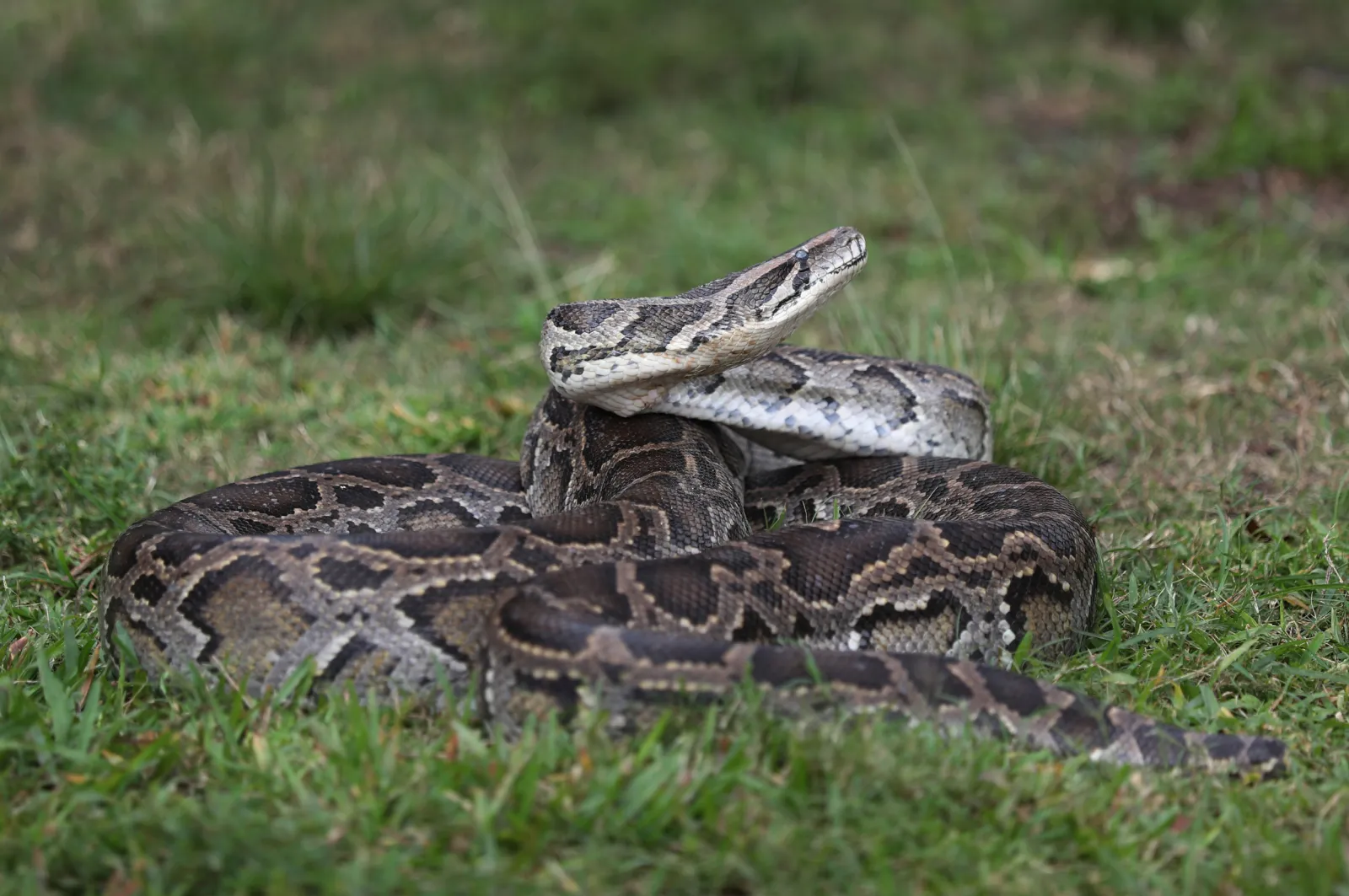
The Burmese python (Python bivittatus) has established a significant, permanent, and destructive presence within the Florida ecosystem, particularly throughout the Everglades. A 16-foot specimen represents an apex predator capable of consuming native wildlife, including white-tailed deer and adult alligators, necessitating urgent public awareness, accurate identification, and adherence to established reporting protocols for residents and recreational users.
The Origins and Scale of the Invasion
The presence of the Burmese python in Florida is not a recent phenomenon, but rather the result of decades of environmental negligence and climatic suitability. Originally imported through the exotic pet trade, these non-native constrictors were either released intentionally or escaped into the wild following natural disasters, most notably Hurricane Andrew in 1992.
The South Florida climate, characterized by mild winters and high humidity, mirrors the snake's native habitat in Southeast Asia. Lacking natural predators and possessing an incredibly high reproductive rate—with females laying clutches of 50 to 100 eggs—the population has exploded. Today, these pythons occupy millions of acres, extending from the southern tip of the state well into the northern reaches of the Everglades and beyond.
The designation of a 16-foot python is a significant threshold. While hatchlings are elusive, a snake of this length is an "alpha" individual. At this size, the python is effectively at the top of the food chain. The ecological impact is catastrophic; researchers from the University of Florida and the U.S. Geological Survey have documented a precipitous decline in mammal populations—including rabbits, raccoons, and opossums—by as much as 90% in areas where python density is high.
How to Spot a Burmese Python in the Wild
Identifying a Burmese python requires more than just luck; it requires understanding the animal’s behavior and physical characteristics. Because these snakes are masters of camouflage, they are frequently overlooked even when in plain sight.
Visual Identification
When attempting to identify a potential Burmese python, focus on the following physical markers:
- Pattern: Look for large, dark-brown, irregularly shaped blotches edged in black, set against a lighter tan or reddish-brown background. This "giraffe-like" pattern is the most diagnostic feature.
- Head Markings: The head features a distinct dark, arrowhead-shaped marking that points toward the snout. There is also a dark line running horizontally through the eye.
- Scale Texture: Unlike venomous pit vipers (like the diamondback rattlesnake), which have keeled scales that appear rough, the python has smooth scales that give it a somewhat glossy appearance.
- Body Shape: These are heavy-bodied snakes. Even at 10 to 12 feet, they are thick, often appearing thicker than a human thigh.
Behavioral Cues
Pythons are ectothermic and rely on the environment to regulate their body temperature. They are most commonly spotted during the "basking" period. Look for them on:
- Levee Roads and Trails: After cool nights, pythons often emerge onto elevated, sun-exposed surfaces like gravel roads or limestone paths to warm up.
- Edge Habitats: They frequently congregate at the transition zones between dense sawgrass and open water, where they wait for prey to pass by.
- Unusual Bird Activity: If you witness a group of mockingbirds, crows, or other birds "mobbing" a specific patch of brush—repeatedly diving and calling out—there is a high probability they are tracking a ground-based predator.
Safety and Interaction Protocols
Encountering a 16-foot snake is a hazardous situation for an untrained individual. A snake of this magnitude possesses immense constriction strength and powerful jaws lined with rows of needle-sharp, rear-curving teeth.
Do not attempt to capture or handle the snake. Even if you believe the snake is sedate, these animals can strike with surprising speed. The primary concern is not venom, but the risk of severe lacerations from bites and the danger of being constricted.
What to Do If You Spot One
- Maintain Distance: Keep at least 15 to 20 feet of separation. A snake can strike at a distance roughly equivalent to one-third to one-half of its body length.
- Document the Location: Note the specific GPS coordinates if possible, or identify distinct landmarks. Use a phone to take a photo from a safe distance, as this helps wildlife officials confirm the species and size.
- Report the Sighting: Use the IveGot1 mobile application provided by the Florida Fish and Wildlife Conservation Commission (FWC). Alternatively, report the sighting via the FWC’s Exotic Species Hotline.
- Stay Calm: Do not antagonize the animal. Back away slowly, keeping your eyes on the snake, and leave the area immediately.
Comparison of Common Florida Snakes vs. Burmese Pythons
Distinguishing a harmless native snake from an invasive python is critical to preventing unnecessary harm to native species.
| Feature | Burmese Python | Native Rat Snake | Eastern Diamondback |
|---|---|---|---|
| Pattern | Large dark blotches | Uniform or stripes | Diamond shapes |
| Head Shape | Rounded | Rounded | Triangular/Arrowhead |
| Scale Texture | Smooth | Slightly keeled | Heavily keeled |
| Size (Typical) | 8–16+ feet | 3–6 feet | 3–6 feet |
| Behavior | Slow, deliberate | Often climbs trees | Rattles when threatened |
The Role of Professional Contractors
Because the state cannot manage the python population through government staff alone, the Florida Fish and Wildlife Conservation Commission (FWC) and the South Florida Water Management District (SFWMD) maintain aggressive removal programs. These programs authorize professional contractors to hunt and remove pythons throughout the Everglades ecosystem.
These contractors undergo specific training, utilize specialized tracking techniques, and operate under strict safety protocols. If you are a resident or a professional working in the backcountry, understanding that these hunters are active in the field is important. Never interfere with an active removal operation.
Frequently Asked Questions
Is it legal to kill a Burmese python on my property?
Yes. In Florida, Burmese pythons are an invasive species and are not protected by anti-cruelty laws in the same manner as native wildlife. Residents are encouraged to humanely euthanize any python found on their private property. However, do not attempt this unless you are properly equipped and trained, as a 16-foot snake is a formidable opponent.
Do Burmese pythons pose a threat to pets and children?
Yes. A 16-foot python is large enough to perceive medium-sized dogs and cats as prey. While there are no confirmed reports of pythons preying on human children in Florida, the sheer size of these animals makes them a significant safety concern in residential areas bordering the Everglades. Keep pets leashed and remain vigilant in areas with dense vegetation.
Can I sell or keep a caught python?
Current regulations prohibit the possession, breeding, or sale of Burmese pythons as pets in Florida. The species is listed as a prohibited animal. If you catch a python, you are required to report it. There are no "bounties" in the traditional sense, but established contractors are paid for their time and the length of the snakes removed.
How do I know if the snake I see is a python or a native species?
The most reliable method is to look at the patterns. If the blotches are clearly defined, dark, and set against a light background, and the snake appears to be over 6 feet long, it is almost certainly a python. Most native snakes in Florida are significantly smaller and have very different color profiles.
Are all 16-foot pythons in the Everglades?
While the highest concentration is in the Everglades, these snakes are highly mobile. They have been found in suburban canals, near residential neighborhoods in Miami-Dade, and in various parts of the Big Cypress National Preserve. Their range is expanding due to their ability to survive in both water and land environments.
Conclusion and Recommended Actions
The invasion of the 16-foot Burmese python is an ongoing ecological challenge for the state of Florida. For residents, the best course of action is education and vigilance. By familiarizing yourself with the identification markers provided in this guide and utilizing the FWC reporting channels, you play an active role in helping officials track and mitigate the impact of this invasive species. If you live near wildlands, keep your property clear of debris and brush where snakes might hide, and always maintain awareness of your surroundings. Your documentation of sightings is a vital data point that informs the ongoing struggle to protect Florida’s unique and fragile natural heritage.