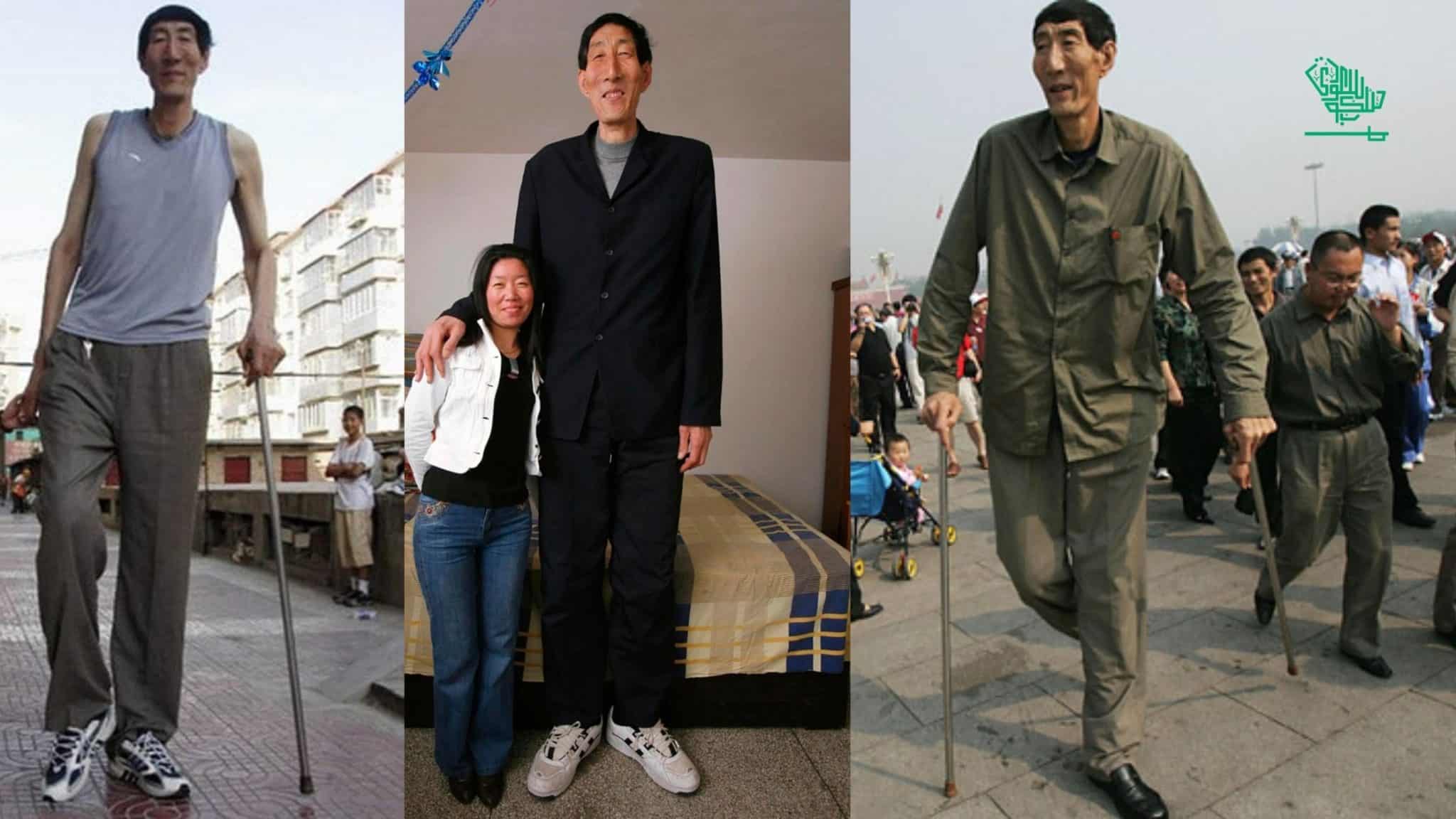
Standing at seven feet tall places an individual well beyond the 99th percentile of human height, effectively identifying them as a giant in any social or professional setting. While reaching the seven-foot threshold is an extraordinary physical milestone, it remains distinct from the world’s most extreme cases of gigantism, which involve individuals who have surpassed eight feet. Understanding these physiological extremes requires looking at human growth, medical diagnostics, and the reality of life for those at the absolute upper limits of the human growth spectrum.
The Physiology of Extreme Height
Human height is governed by a complex interplay of genetics, hormonal regulation, and environmental factors, primarily centered on the activity of the pituitary gland. In most cases where an individual reaches a height of seven feet or more, medical professionals look for signs of pituitary gigantism. This condition is typically caused by a benign tumor (adenoma) on the pituitary gland, which leads to an overproduction of growth hormone during childhood and adolescence before the closure of the growth plates in the long bones.
When these growth plates remain open, the bones continue to lengthen, resulting in extreme stature. It is important to distinguish this from the natural, genetic tallness seen in some populations or families. A seven-foot-tall human may be a healthy individual with a genetic predisposition to height, or they may be dealing with the systemic health implications of hormonal excess. Understanding this distinction is vital, as the health outcomes for these two groups differ significantly.
Analyzing the World’s Tallest People
When we discuss the "tallest people on earth," we are looking at a rarefied group of individuals who have historically claimed the title of the tallest living human. The record books have been dominated by individuals who have reached heights that seem physically impossible.
Sultan Kösen
Sultan Kösen, hailing from Turkey, holds the official Guinness World Record for the tallest living male. As of 2026, he stands at 251 centimeters (8 feet 2.8 inches). His height is the result of a condition known as pituitary gigantism. Unlike many people who reach seven feet through natural genetic variance, Kösen’s growth was driven by an active tumor that required significant medical intervention, including gamma knife surgery, to stop his continued growth.
Robert Wadlow: The Historical Benchmark
While Kösen holds the record for the living, Robert Wadlow remains the tallest person in recorded history. Known as the "Alton Giant," Wadlow reached an astonishing height of 272 centimeters (8 feet 11.1 inches) before his untimely death in 1940. His case provides the historical standard against which all modern individuals reaching the seven-foot mark or higher are compared. His life demonstrated the intense strain such extreme growth places on the cardiovascular system and structural integrity of the human skeleton.
Comparing Stature: The Seven-Foot Perspective
The experience of a person who is exactly seven feet (213 cm) tall is vastly different from that of someone standing over eight feet tall. A seven-foot individual often functions relatively well in society, albeit with the need for custom-made clothing, footwear, and modified living environments. However, once a person surpasses the seven-foot mark and heads toward the eight-foot range, the challenges shift from social adjustments to critical medical and mobility requirements.
| Metric | 7-Foot Individual | 8-Foot+ Individual |
|---|---|---|
| Daily Mobility | Generally independent | Often requires canes or wheelchairs |
| Health Risks | Standard orthopedic stress | Chronic cardiovascular/neurological strain |
| Environmental Needs | Custom doors/beds | Fully specialized living facilities |
| Primary Growth Driver | Usually genetic/constitutional | Frequently pathological/hormonal |
The Daily Realities of Extreme Stature
For a seven-foot human, the world is physically designed for someone nearly a foot shorter. Basic activities like entering a standard doorway, flying in commercial aircraft, or using public transportation become logistical hurdles.
Infrastructure and Ergonomics
The primary challenge for people of extreme height is ergonomics. Standard furniture—desks, chairs, and beds—is designed for the global average height. A person at seven feet often suffers from chronic back pain, joint issues, and nerve impingement due to the need to constantly hunch over or contort their limbs into spaces not designed for their frame.
Medical Management and Longevity
For those whose height is a result of hormonal conditions, consistent medical supervision is a requirement of life. Endocrinologists monitor hormone levels to prevent the dangerous consequences of continued bone growth, which can lead to spinal compression and heart failure. Even for those whose height is purely genetic, the heart must work significantly harder to pump blood across the extra distance of the limbs, making cardiovascular health a priority for this demographic.
Essential Considerations for the Exceptionally Tall
If you or someone you know is reaching heights that qualify as exceptionally tall, there are several key areas of life that require proactive management to ensure long-term health and comfort.
- Orthopedic Care: Joint health is the most common casualty of extreme height. Early consultation with specialists to manage the wear on knees and hips is essential.
- Cardiovascular Monitoring: High-stature individuals are more prone to issues related to circulatory flow. Regular check-ups with a cardiologist are recommended to monitor blood pressure and heart function.
- Nutritional Requirements: To maintain a frame of seven feet or more, the caloric and nutritional requirements are significantly higher than the average adult. A diet rich in calcium and vitamin D is essential to maintain bone density in such large skeletal structures.
- Custom Accommodations: Do not hesitate to seek out professional help for custom furniture. Living with improper ergonomic support is the fastest way to develop chronic physical limitations.
Frequently Asked Questions
Does being seven feet tall always indicate a medical disorder? No. While many individuals who grow to extreme heights have hormonal conditions, there are many seven-foot-tall individuals who achieve their stature through natural genetic heritage. If growth stops at a certain age and health is stable, it is often considered constitutional tallness.
Are there specific organizations for very tall people? Yes. Tall Clubs International is a well-known organization that brings together people of above-average height. These groups offer social support and shared resources regarding clothing and lifestyle adjustments.
Why do some people with extreme height experience shorter lifespans? The human body is optimized for a certain range of height. When that range is exceeded, the heart must work harder to supply oxygen to the extremities, and the structural skeleton experiences intense pressure. These physiological burdens can lead to premature health complications.
How do the tallest people handle finding clothing and shoes? Most individuals over seven feet rely on specialized tailors and orthopedic shoemakers. Major retail stores rarely carry sizes for these heights, necessitating custom orders that can be significantly more expensive than standard apparel.
What is the "Growth Plate" and why does it matter? Growth plates, or epiphyseal plates, are areas of cartilage at the ends of long bones. Once these plates close during puberty, a person stops growing. Excessive height is usually a result of these plates remaining open for longer than usual due to hormonal imbalances.
Next Steps for Exceptionally Tall Individuals
If you are navigating life at or above the seven-foot mark, the most practical step you can take is to establish a relationship with a medical team that understands your unique physiology. Focus on preventive orthopedics and cardiovascular health. Furthermore, connect with support networks to share information about the practical, everyday challenges of living in a world designed for shorter people. By proactively managing your health and your environment, you can mitigate the challenges of extreme stature and improve your daily quality of life.