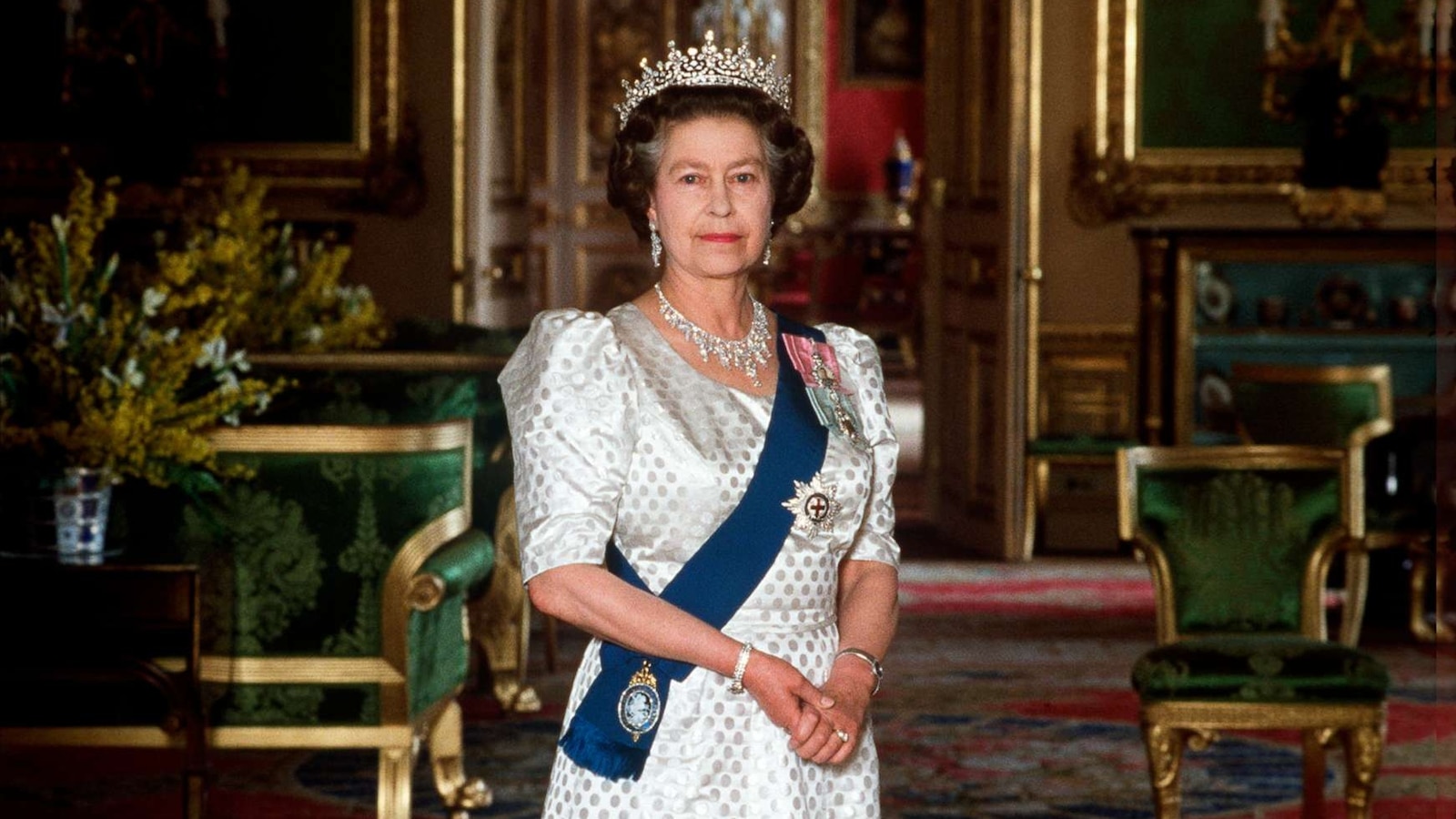
Queen Elizabeth II’s seventy-year reign was defined by a calculated balance of constitutional restraint and personal resolve. By modernizing the monarchy’s communication, maintaining rigorous political neutrality, and mastering the art of soft diplomacy, she transformed the Crown from an imperial symbol into a stable, adaptive global institution that remained relevant well into the 21st century.
The reign of Queen Elizabeth II (1952–2022) is often examined through the lens of longevity, yet the endurance of the monarchy during her tenure was not a matter of mere survival. It was the result of deliberate choices—regal actions that functioned as both symbolic gestures and practical governance. As we look back in 2026, her impact remains the standard by which modern constitutional monarchies are measured.
1. Mastering the Art of Political Neutrality
The most foundational element of the Queen’s legacy was her absolute adherence to political neutrality. Under the British constitutional framework, the monarch is the head of state, but the government is responsible for policy. Elizabeth II navigated this by ensuring her weekly meetings with Prime Ministers remained strictly confidential, a practice that allowed her to offer counsel without ever exerting partisan influence.
This "right to be consulted, the right to encourage, and the right to warn"—concepts famously codified by Walter Bagehot—formed the bedrock of her interactions with 15 different Prime Ministers. By never publicly expressing a political opinion, she prevented the monarchy from becoming a lightning rod for legislative controversy. This neutrality required immense discipline, particularly during periods of intense national upheaval, such as the miners' strikes or the debates surrounding the United Kingdom’s departure from the European Union. Her refusal to be drawn into the fray allowed the institution to stand above the political cycle, serving as a unifying figurehead regardless of which party held the majority in Parliament.
2. Embracing the Televised Coronation
In 1953, the Queen made a decision that fundamentally altered the public’s relationship with the monarchy: she allowed the live broadcast of her coronation. Despite significant opposition from traditionalists who feared that the ceremony would lose its sacred gravity if captured by cameras, she insisted on transparency.
This choice signaled a willingness to adapt to the technological shifts of the era. By bringing the coronation into the homes of millions, she fostered a sense of personal connection between the sovereign and the citizenry. This was the first of many instances where the Queen demonstrated that the monarchy could embrace modern media while preserving its historical pageantry. The decision effectively transitioned the Crown from an abstract, distant institution into a domestic presence, laying the groundwork for her later, highly effective use of television for annual Christmas broadcasts.
3. The Reimagining of the Commonwealth
When Elizabeth II ascended to the throne, the British Empire was rapidly decolonizing. Many analysts predicted the monarchy would lose its influence as colonies gained independence. However, the Queen transformed the relationship by championing the Commonwealth of Nations.
She took the role of Head of the Commonwealth as a personal project, traveling millions of miles to engage with member states not as a colonial master, but as a symbolic link. By fostering a voluntary association based on shared values rather than imperial control, she ensured that the monarchy remained relevant across a diverse, multicultural, and international landscape. Her frequent travels served as a form of soft power, keeping the United Kingdom linked to global partners long after the administrative structures of the Empire had dissolved.
4. Modernizing Royal Finances
One of the Queen’s most pragmatic, yet less discussed, contributions was the reform of royal finances. Recognizing that the public expected greater accountability in how state funds—specifically the Civil List—were managed, she spearheaded a shift toward transparency.
By the early 21st century, this evolution culminated in the Sovereign Grant, an arrangement that replaced the outdated Civil List. Under this system, the funding of the monarchy became more predictable and linked to the revenue of the Crown Estate, with a clear requirement for annual reporting. This transition demonstrated a shrewd awareness that the institution’s survival depended on the consent of the taxpayers. By accepting a modernized financial structure, she stripped away the appearance of unchecked opulence and replaced it with a model of fiscal responsibility that remains in effect today.
5. Cultivating Soft Power and State Diplomacy
The Queen’s "soft power" was not just a side effect of her status; it was a calibrated tool of statecraft. Her ability to build rapport with foreign leaders—whether through the careful selection of an accessory for a state visit or the delivery of a well-timed, nuanced speech—allowed her to navigate difficult diplomatic waters.
A notable example occurred in 2011 during her historic visit to the Republic of Ireland. By choosing to wear green and acknowledging the complex history between the two nations with a simple, eloquent bow at the Garden of Remembrance, she helped reset diplomatic relations. This ability to use symbolic acts to achieve diplomatic ends was a hallmark of her reign. She functioned as an effective, non-partisan diplomat who could engage with autocratic regimes and democratic leaders alike, often facilitating conversations that would have been impossible for political ministers.
6. The 1992 Annus Horribilis and Institutional Resilience
In 1992, the Queen faced what she famously labeled her annus horribilis (horrible year), defined by the breakdown of three of her children’s marriages and a major fire at Windsor Castle. The subsequent public debate over the monarchy’s utility, coupled with the revelation that the Queen would begin paying income tax, forced her to confront the institution's vulnerability.
Her response was one of strategic adaptation. She opened parts of Buckingham Palace to the public to help fund the Windsor repairs and adjusted the royal schedule to be more responsive to public sentiment. This era proved that the Queen was capable of self-reflection. She recognized when the monarchy was perceived as out of touch and took concrete steps to modernize its image, ensuring that the institution felt like a participant in national life rather than an aloof relic.
7. Steadfast Presence During National Crises
Perhaps the most lasting aspect of her legacy was her consistency. Through decades of social change, economic recession, and global conflict, the Queen provided a psychological anchor for the nation. Her address to the nation during the 2020 COVID-19 pandemic—invoking the spirit of the wartime generation by promising "we will meet again"—is a contemporary example of this role.
She performed this duty by adhering to a schedule that prioritized continuity. This presence was not merely ceremonial; it provided a sense of stability that politicians, who are naturally transient, could not replicate. Her legacy is defined by this "steady hand," proving that in a world of rapid disruption, a stable, non-partisan institution can serve as an essential foundation for societal confidence.
Summary Table: Key Regal Actions and Their Impacts
| Action | Primary Motivation | Legacy Result |
|---|---|---|
| Televised Coronation | Transparency / Modernization | Established direct connection to the public. |
| Commonwealth Diplomacy | Global Relevance | Transitioned from Empire to voluntary association. |
| Sovereign Grant Reform | Accountability | Secured long-term public consent for funding. |
| 1992 Reforms | Institutional Survival | Demonstrated adaptability during crises. |
| Constant Availability | National Stability | Provided psychological continuity for the state. |
Frequently Asked Questions
How did the Queen balance her constitutional role with modern political shifts? The Queen maintained strict neutrality by limiting her public comments to non-political matters and focusing on the ceremonial functions of the Crown. She acted as a confidential advisor to Prime Ministers, ensuring her influence remained within the private, protected sphere of the constitutional monarchy.
What was the significance of the Sovereign Grant? The Sovereign Grant replaced the complex and antiquated Civil List system. It centralized the funding of the monarchy based on a percentage of the revenue generated by the Crown Estate, providing a transparent and clearly audited mechanism that is easily understood by the public.
Did the Queen have the power to influence laws? While the monarch has the formal power of Royal Assent, in practice, this is a formality. The Queen’s influence was exerted through her weekly meetings with the Prime Minister, where she provided counsel and perspective based on her vast historical experience, without ever overriding the will of the elected Parliament.
Why was the Queen’s role in the Commonwealth considered so important? The Commonwealth served as a vital bridge between the United Kingdom and its former territories. By elevating her role to Head of the Commonwealth, the Queen provided a neutral, unifying figure who helped maintain diplomatic and cultural ties even after the formal dissolution of colonial governance.
How is the Queen’s legacy measured in 2026? In 2026, her legacy is measured by the enduring stability of the monarchy. She left behind a modernized, transparent institution that successfully navigated the digital age, preserved its cultural significance, and maintained a high level of public support despite the pressures of a rapidly changing global society.
Next Steps for Historical Inquiry
To gain a deeper understanding of the Queen’s constitutional impact, researchers should consult the Royal Archives and the Official Public Records of the United Kingdom. These repositories contain the most accurate documentation regarding the interactions between the monarch and the government, providing primary source evidence of her influence on national affairs. For those interested in the evolution of the monarchy’s public image, analyzing the archived records of the Royal Household’s annual financial reports from 1992 onward offers a clear trajectory of how the institution adapted to public scrutiny and modernized its operations.