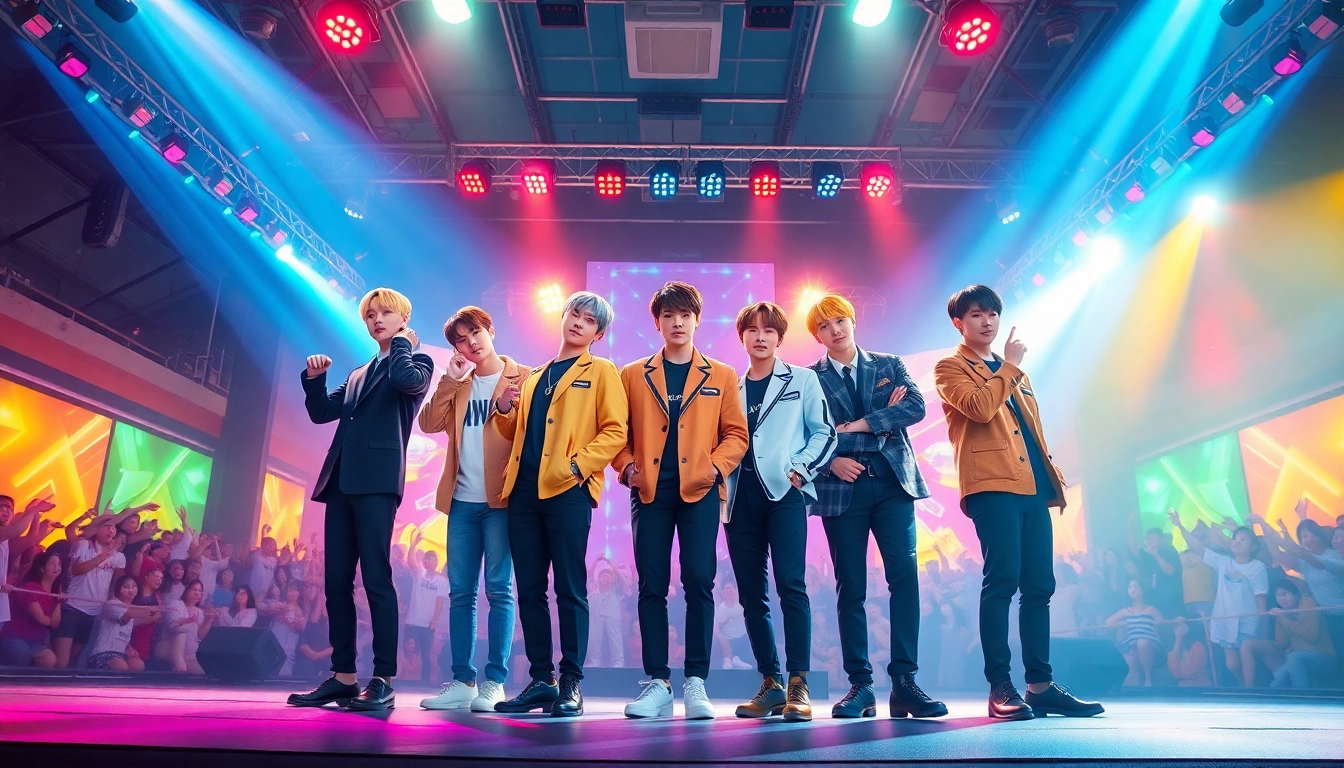
BTS, the global musical phenomenon formed by Big Hit Entertainment (now HYBE), consists of seven distinct artists: RM, Jin, Suga, J-Hope, Jimin, V, and Jungkook. Since their debut in 2013, the group has evolved from a hip-hop-focused outfit into a multifaceted musical powerhouse. Each member contributes a unique set of skills—encompassing songwriting, production, choreography, and vocal performance—that forms the cohesive identity of the group while allowing for diverse solo artistic ventures.
RM (Kim Nam-joon): The Visionary Leader and Lyricist
As the leader of BTS, RM serves as the primary spokesperson and a foundational creative architect of the group's discography. He is credited with a significant portion of BTS's lyrics, bringing a philosophical and introspective depth to their music that often touches on themes of societal pressures, identity, and mental health.
Beyond his role as a rapper, RM is recognized for his intellectual influence on the group’s overarching narrative. His linguistic proficiency and public speaking abilities have made him the bridge between the group and their international audience, particularly during press engagements and United Nations addresses. His solo work, including mixtapes and albums, often leans into alternative hip-hop and indie aesthetics, showcasing his evolution as a storyteller.
Jin (Kim Seok-jin): The Vocalist and Performance Anchor
Jin, the eldest member of the group, is a primary vocalist known for his expansive vocal range and emotional delivery. Often identified as the "visual" of the group, Jin’s contributions extend far beyond his appearance; he provides the stable, soaring vocal melodies that anchor many of BTS’s most powerful ballads and pop anthems.
Jin’s role involves managing the emotional pacing of performances, and he is frequently lauded for his consistency in live settings. Outside of group activities, he has established a presence as a solo artist with tracks that emphasize storytelling through ballads. His personality, often characterized by a playful and approachable nature, has become a vital component of the group's variety content and public brand identity.
Suga (Min Yoon-gi): The Producer and Songwriter
Suga is the group’s resident producer and a core architect of the BTS sound. His work in the studio has been instrumental in shaping the group's transition from traditional idol music to an experimental blend of pop, hip-hop, R&B, and EDM. He frequently serves as a mentor to the group in technical aspects of music production, including arrangement and sound engineering.
Under his producer alias, Agust D, he explores themes of raw ambition, trauma, and societal critique, often utilizing a darker, more aggressive sonic palette than the standard BTS output. His ability to translate complex personal narratives into accessible hit songs has made him a highly sought-after collaborator across the global music industry, working with various artists both within and outside the K-pop landscape.
J-Hope (Jung Ho-seok): The Performance Director and Choreographer
J-Hope is widely regarded as the primary performance director within BTS. His background in professional dance, specifically street dance and popping, heavily influences the group’s complex choreography. He is often the one to lead practice sessions and ensure the technical precision of the group’s dance routines, which are a hallmark of the BTS live experience.
Musically, J-Hope is known for his versatility, moving seamlessly between aggressive rap verses and melodic pop hooks. His solo projects often incorporate elements of funk, soul, and old-school hip-hop, reflecting his optimistic stage persona. His contributions to the group's morale and his meticulous attention to stage detail remain foundational to BTS's reputation for high-quality live performances.
Jimin (Park Ji-min): The Contemporary Performer and Vocalist
Jimin provides a unique vocal texture to BTS, characterized by his high-pitched, ethereal tone and contemporary dance background. His performance style often incorporates elements of modern dance and ballet, which adds a fluidity and grace to the group’s choreography that distinguishes their visual presence from other contemporary acts.
As a vocalist, he handles complex, high-register lines that require significant technical control. His solo discography has focused on R&B and synth-pop, highlighting his ability to convey vulnerability and intimacy through his voice. His presence on stage is often cited as a focal point for the group’s more artistic and emotionally driven performances, acting as a bridge between the intense rap tracks and melodic pop songs.
V (Kim Tae-hyung): The Baritone and Stylistic Innovator
V is recognized for his distinct baritone voice, which provides a deep, resonant contrast to the higher vocal ranges present in many BTS songs. His vocal timbre is often utilized in the group's mid-tempo R&B tracks, providing warmth and texture to the arrangements.
Beyond his vocal contributions, V is often identified as a stylistic innovator, heavily involved in the visual concept and aesthetic direction of the group. His interest in photography, fashion, and classic jazz has informed the group’s creative direction on various albums. His solo work frequently explores jazz-influenced pop and soul, reflecting his penchant for retro aesthetics and atmospheric storytelling.
Jungkook (Jeon Jung-kook): The Versatile Lead Vocalist
As the youngest member of the group, often referred to as the "main vocalist," Jungkook possesses a versatile voice capable of handling everything from soft, breathy pop melodies to aggressive, high-energy rock-inspired vocals. His performance reliability and stamina allow him to maintain pitch consistency even during high-intensity dance sequences, making him a critical component of the group's live vocal stability.
Jungkook is also an accomplished dancer and a self-taught producer, contributing to various songs in the group's discography. His solo ventures have seen him lean into global pop trends, utilizing a contemporary dance-pop sound that aligns with international radio formats. His role in the group is that of the "all-rounder," capable of filling gaps in both vocal performance and choreography whenever necessary.
Summary of Roles and Contributions
The table below outlines the core functional roles within BTS. While these roles are often highlighted in promotional material, it is important to note that all members frequently contribute to writing, composition, and performance beyond their designated titles.
| Member | Primary Role | Core Creative Contribution |
|---|---|---|
| RM | Leader, Main Rapper | Lyrics, Concept Development |
| Jin | Vocalist | Emotional Vocal Anchoring |
| Suga | Lead Rapper, Producer | Music Production, Songwriting |
| J-Hope | Main Dancer, Rapper | Choreography, Performance Direction |
| Jimin | Main Dancer, Vocalist | Performance Dynamics, Vocal Range |
| V | Vocalist | Aesthetic Direction, Baritone Textures |
| Jungkook | Main Vocalist | Vocal Stability, Center Performance |
Frequently Asked Questions
What are the specific technical roles of the BTS members in the studio?
While all members are credited as songwriters, Suga and RM serve as the primary producers and composers. Suga is heavily involved in beat-making and arrangement, while RM focuses on lyrical composition and conceptual structure. Other members contribute topline melodies and creative input during the arrangement phase.
How does BTS maintain performance quality during long tours?
BTS utilizes a rigorous rehearsal schedule and specialized vocal coaching. J-Hope serves as the internal performance director to ensure the technical execution of choreography remains consistent, while individual members manage their stamina through professional physical conditioning and vocal health protocols.
Are the seven members involved in their own creative direction?
Yes, since the group's inception, the members have been heavily involved in their creative output. This includes selecting themes for their album cycles, contributing to the visual aesthetics of music videos, and increasingly leading their own solo musical projects, which allow them to explore genres outside of the group's collective identity.
Why are there seven members?
The number of members is a product of the group's formation process under Big Hit Entertainment. The selection was based on finding a balance of skills—incorporating rap, dance, and vocal performance—that would allow the group to function as both a cohesive dance unit and a flexible musical ensemble capable of exploring various genres.
How do the members balance solo activities with group commitments?
As of 2026, the members manage a balance between solo pursuits and group obligations by coordinating their schedules to ensure that individual projects—such as solo album releases or acting roles—do not conflict with the group's collective vision or long-term operational plans, often utilizing extended periods of rotation to maintain a presence in the industry.
Next Steps for Fans and Researchers
For those interested in the technical contributions of the members, the most accurate source for songwriting credits remains the official metadata provided by the Korea Music Copyright Association (KOMCA). Reviewing these credits provides an objective look at which member contributed to specific compositions, arrangements, and lyrical themes. Furthermore, following the group's official releases on major streaming platforms will provide access to comprehensive liner notes and producer credits for every track in their discography.