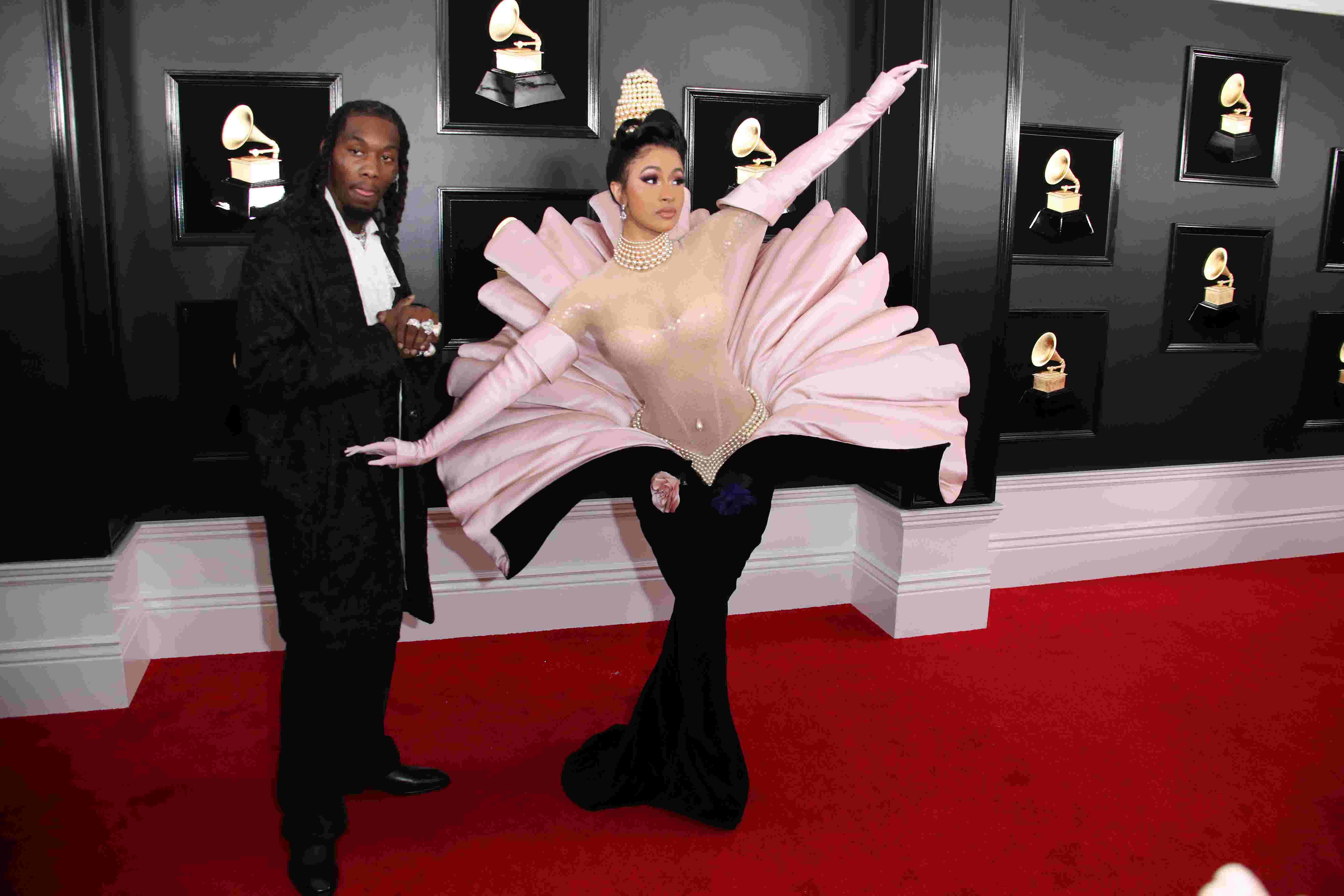
The 61st Annual Grammy Awards, held on February 10, 2019, at the Staples Center in Los Angeles, served as a pivotal moment in music history, defined by a push toward inclusivity, major wins for female artists, and high-profile performances. Hosted by Alicia Keys, the ceremony honored the best recordings, compositions, and artists of the eligibility year spanning from October 1, 2017, to September 30, 2018.
The Significance of the 2019 Ceremony
The 2019 Grammys are frequently cited as a turning point for the Recording Academy. Following the criticism of the 2018 ceremony, where many felt female artists were marginalized, the 2019 event saw a concerted effort to broaden the scope of its winners and nominees. With Alicia Keys as the host—the first woman to hold the position in 14 years—the tone of the evening shifted toward a more collaborative and celebratory atmosphere, emphasizing the diverse contributions of women to the music industry.
The ceremony was marked by significant victories that signaled a change in the academy's voting priorities. Kacey Musgraves took home the prestigious Album of the Year award for Golden Hour, while Childish Gambino’s "This Is America" made history by becoming the first rap song to win both Record of the Year and Song of the Year. These results highlighted a growing appreciation for genre-blurring artistry and socially conscious music.
Major Category Winners and Achievements
The 2019 awards featured several historic milestones. Because the Recording Academy changed its voting rules to include more diverse and younger members, the results often leaned toward critical acclaim rather than purely commercial success.
- Album of the Year: Kacey Musgraves, Golden Hour. This win was particularly notable as it was a country album that leaned heavily into pop and psychedelic influences, demonstrating the Academy's willingness to reward cross-genre experimentation.
- Record of the Year: Childish Gambino, "This Is America." Produced by Ludwig Göransson and Donald Glover, this track was widely recognized for its intense cultural commentary and innovative sound design.
- Song of the Year: "This Is America," written by Donald Glover and Ludwig Göransson. This marked the first time in Grammy history that a rap song secured this specific honor.
- Best New Artist: Dua Lipa. The British singer-songwriter’s win reflected her massive breakthrough in the pop landscape, following the global success of her self-titled debut album.
Notable Performances and Production Elements
The production of the 61st Grammys moved away from the traditional rapid-fire performance style to include more thematic segments. Alicia Keys’ opening segment, which featured a surprise appearance by Michelle Obama, Lady Gaga, Jada Pinkett Smith, and Jennifer Lopez, set a tone of unity and celebration.
The tribute to Dolly Parton was another standout moment, gathering multiple generations of country and pop stars, including Katy Perry, Kacey Musgraves, and Maren Morris, to perform a medley of the icon’s greatest hits. This performance underscored the enduring influence of traditional songwriting in an era dominated by streaming-focused production.
Another high-production moment was the performance by Cardi B for her hit "Money." The stage design and choreography reflected her recent ascent to global stardom, highlighting the Academy’s recognition of hip-hop as the dominant force in American popular culture.
Comparative Analysis of Key Winners
The following table outlines the major winners across the top categories, highlighting the diversity of the artists represented in the 2019 cycle.
| Category | Winner | Notable Achievement |
|---|---|---|
| Album of the Year | Kacey Musgraves | First country album to win in this category in a decade. |
| Record of the Year | Childish Gambino | First rap song to win this top-tier award. |
| Song of the Year | Childish Gambino | Recognized for songwriting excellence in a genre-defying track. |
| Best New Artist | Dua Lipa | Solidified her position as a global pop powerhouse. |
| Best Rap Album | Cardi B | First solo female artist to win in this category. |
The Impact of Voting Rule Changes
In the lead-up to the 2019 ceremony, the Recording Academy implemented structural changes to the way members voted. Previously, the "nomination review committees"—small groups of industry professionals who selected the final nominees from a pool of top-voted entries—were criticized for potentially biasing the results toward certain legacy artists or major label interests. While these committees remained for 2019, the Academy increased the diversity of its membership base to be more representative of the current music-consuming public.
This shift was evidenced by the inclusion of artists like Janelle Monáe and Brandi Carlile in major categories. These artists were recognized for their critical impact rather than just sales figures, a trend that continued into subsequent years of the Grammy Awards.
Challenges and Criticisms
Despite the positive reception of the host and the diversity of the winners, the 2019 Grammys were not without criticism. The "snubbing" of certain highly commercial artists and the ongoing debate regarding the transparency of the nomination process remained hot topics in music journalism.
Additionally, the technical difficulty of producing a live show of this magnitude meant that certain performances—while visually impressive—occasionally faced sound mixing issues. These issues served as a catalyst for future technical upgrades in the production of the awards show, aiming for a more consistent audio experience for television viewers.
Frequently Asked Questions
Who hosted the 2019 Grammy Awards? Alicia Keys hosted the 61st Annual Grammy Awards. Her hosting style was widely praised for its warmth, musicality, and ability to bridge different musical genres and generations of artists during the ceremony.
What made Childish Gambino's win in 2019 historic? Childish Gambino's "This Is America" won both Record of the Year and Song of the Year. It was the first time in the history of the Grammy Awards that a rap song was awarded either of these two major prizes, representing a significant shift in the Academy's acknowledgment of hip-hop's cultural and artistic significance.
Did Cardi B win an award in 2019? Yes, Cardi B won Best Rap Album for Invasion of Privacy. This was a historic win, as she became the first solo female artist to ever receive the award for Best Rap Album in the history of the Grammys.
How many Grammys did Kacey Musgraves win that night? Kacey Musgraves won four awards during the 2019 ceremony, including the night's biggest honor, Album of the Year, as well as Best Country Album, Best Country Song for "Space Cowboy," and Best Country Solo Performance for "Butterflies."
Were the 2019 Grammys considered a success for female artists? The 2019 ceremony was largely viewed as a successful correction following the 2018 awards. With wins for Kacey Musgraves, Dua Lipa, Lady Gaga, and Cardi B, the night featured significant representation and recognition for women, which was highlighted by the show's focus on female empowerment and the choice of a female host.
Conclusion and Historical Legacy
The 2019 Grammys act as a definitive case study in how the Recording Academy adapts to cultural pressures and evolving industry trends. By awarding artists who pushed creative boundaries—such as Kacey Musgraves and Childish Gambino—the Academy moved toward a more nuanced definition of what constitutes "the best" in music. For researchers and music enthusiasts looking back, the 2019 ceremony represents the moment the institution began a genuine transition toward better representation.
If you are looking to explore the full list of winners or examine the specific technical credits for any of the winning albums, the best resource remains the official database of the Recording Academy. The 2019 cycle remains a standard-bearer for how modern, diverse, and genre-fluid music can be celebrated on a global stage.