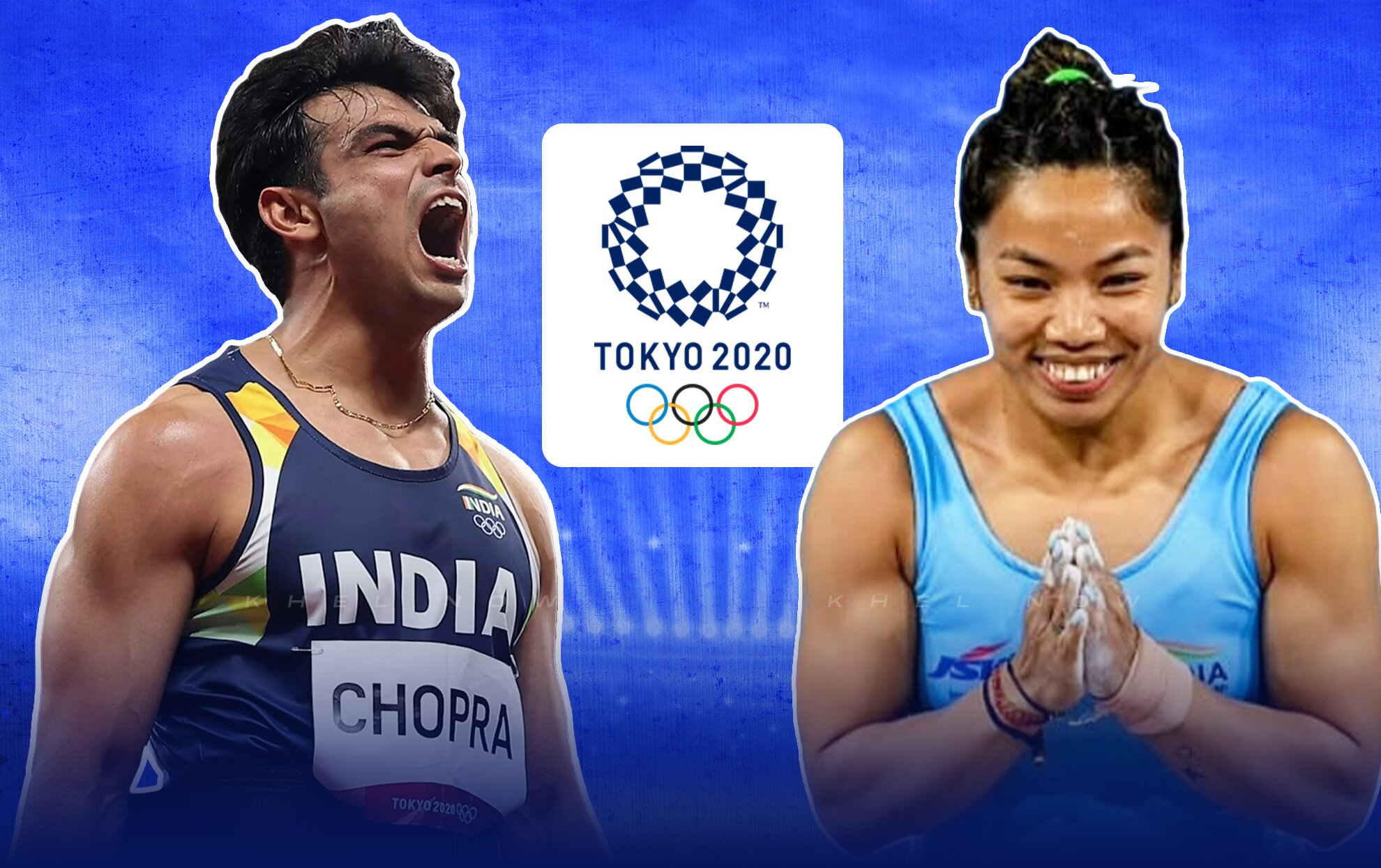
The United States finished at the top of the 2020 Tokyo Olympics medal table, securing 39 gold medals and a total of 113 podium finishes. China followed closely with 38 golds, while host nation Japan achieved its best-ever performance with 27 gold medals. These standings reflect the final official tallies following the games' conclusion.
The Games of the XXXII Olympiad, widely known as Tokyo 2020, were unique in the history of the modern movement. Postponed by one year due to the global pandemic and eventually held in 2021, the event showcased 339 medal events across 33 sports. As we look back from 2026, the data from Tokyo remains a vital benchmark for evaluating national sporting programs and the evolution of elite athletic performance.
The Final Medal Tally: Analysis of the Top Performing Nations
The battle for the top spot on the medal table remained undecided until the final day of competition. This "Gold Medal Race" between the United States and China highlighted different strategies in national sports funding and talent development. While the U.S. relied heavily on its traditional dominance in swimming and track and field, China showed immense strength in specialized disciplines such as weightlifting, diving, and table tennis.
United States: Depth and Diversity
The U.S. Olympic team brought 613 athletes to Tokyo, the largest delegation at the games. Their success was built on a foundation of "depth." Even in events where they failed to secure gold, they frequently occupied the silver and bronze positions, leading to a massive gap in the total medal count (113 compared to China’s 89). Key contributors included Caeleb Dressel, who won five gold medals in the pool, and Katie Ledecky, who continued her distance-swimming legacy.
China: Efficiency in Targeted Sports
China’s performance was characterized by extreme efficiency. They dominated the weightlifting arena, winning seven gold medals out of eight entries. In diving, they nearly swept the board, taking seven of the eight available golds. This "powerhouse" approach in specific technical sports allowed them to lead the gold medal count for much of the sixteen days of competition, only being overtaken by the U.S. in the final hours.
Japan: The Host Nation Surge
Japan utilized its home-field advantage—despite the lack of spectators—to reach a historic high of 27 gold medals. This was a significant jump from the 12 golds won in Rio 2016. Japan’s success was largely fueled by its dominance in Judo (9 golds) and the successful debut of new sports like Skateboarding, where Japanese athletes won three out of four available gold medals.
Comprehensive 2020 Olympic Medal Standings
The following table represents the final top 20 nations by gold medal rank. This ranking follows the International Olympic Committee (IOC) convention, which prioritizes the number of gold medals won over the total medal count.
| Rank | Country | Gold | Silver | Bronze | Total |
|---|---|---|---|---|---|
| 1 | United States | 39 | 41 | 33 | 113 |
| 2 | China | 38 | 32 | 19 | 89 |
| 3 | Japan | 27 | 14 | 17 | 58 |
| 4 | Great Britain | 22 | 20 | 22 | 64 |
| 5 | ROC (Russian Olympic Committee) | 20 | 28 | 23 | 71 |
| 6 | Australia | 17 | 7 | 22 | 46 |
| 7 | Netherlands | 10 | 12 | 14 | 36 |
| 8 | France | 10 | 12 | 11 | 33 |
| 9 | Germany | 10 | 11 | 16 | 37 |
| 10 | Italy | 10 | 10 | 20 | 40 |
| 11 | Canada | 7 | 7 | 10 | 24 |
| 12 | Brazil | 7 | 6 | 8 | 21 |
| 13 | New Zealand | 7 | 6 | 7 | 20 |
| 14 | Cuba | 7 | 3 | 5 | 15 |
| 15 | Hungary | 6 | 7 | 7 | 20 |
| 16 | South Korea | 6 | 4 | 10 | 20 |
| 17 | Poland | 4 | 6 | 4 | 14 |
| 18 | Czech Republic | 4 | 4 | 3 | 11 |
| 19 | Kenya | 4 | 4 | 2 | 10 |
| 20 | Norway | 4 | 2 | 2 | 8 |
Breakout Stars and Individual Winner Highlights
While the medal table tells the story of nations, the individual winners define the legacy of the Tokyo Games. Several athletes moved into the pantheon of Olympic greats through their performances in 2021.
Swimming: The Dominance of Dressel and McKeon
The Tokyo Aquatics Centre saw some of the fastest times in history. Caeleb Dressel (USA) became the fourth male swimmer to win five gold medals in a single Olympics, dominating the 50m and 100m freestyle and the 100m butterfly. On the women's side, Emma McKeon (Australia) made history by winning seven medals at a single games (4 gold, 3 bronze), a feat previously only achieved by gymnast Maria Gorokhovskaya in 1952.
Athletics: Speed and Transcendence
In track and field, Elaine Thompson-Herah (Jamaica) achieved the "double-double," defending both her 100m and 200m titles from Rio. Her 100m time of 10.61 seconds broke Florence Griffith-Joyner’s 33-year-old Olympic record. Karsten Warholm (Norway) produced what many experts consider the greatest performance in Olympic history, shattering his own world record in the 400m hurdles with a time of 45.94 seconds.
The Rise of New Disciplines
Tokyo 2020 introduced four new sports and returned Baseball/Softball to the program. The winners in these categories represented a shift toward younger, more urban audiences:
- Skateboarding: Momiji Nishiya (Japan), at just 13 years old, became one of the youngest gold medalists in history.
- Sport Climbing: Janja Garnbret (Slovenia) proved why she was the favorite by taking the inaugural women's combined gold.
- Surfing: Italo Ferreira (Brazil) and Carissa Moore (USA) secured the first-ever golds in this discipline.
- Karate: Ryo Kiyuna (Japan) and Sandra Sánchez (Spain) became icons in the debut of Kata.
Small Nations and Historic Firsts
The Tokyo Olympics were notable for several "firsts" that demonstrated the widening reach of the Olympic movement. For some nations, a single medal was enough to define their entire sporting history.
Bermuda and the Philippines won their first-ever Olympic gold medals. Flora Duffy took gold for Bermuda in the women's triathlon, while Hidilyn Diaz won for the Philippines in the women's 55kg weightlifting event. San Marino became the smallest country (by population) ever to win an Olympic medal, securing bronze in shooting and later adding a silver in wrestling.
Qatar also had a historic games, winning its first two gold medals. One of those golds resulted in one of the most poignant moments of the games: Mutaz Essa Barshim (Qatar) and Gianmarco Tamberi (Italy) agreed to share the gold medal in the high jump after both cleared 2.37m and had an identical number of failures. This act of sportsmanship became a defining image of the Tokyo 2020 spirit.
Post-Games Medal Adjustments and Verification
It is important to note that Olympic standings can occasionally change years after the event due to the IOC's rigorous anti-doping protocols. For Tokyo 2020, the most significant change involved the Men's 4x100m relay.
Originally, Great Britain won the silver medal in this event. However, following a positive test for banned substances by athlete Chijindu Ujah, the British team was disqualified. This resulted in the Canada team being upgraded to silver and China being upgraded to the bronze medal position. As of 2026, all reallocations for Tokyo 2020 have been largely finalized, though the IOC retains the right to retest samples for up to ten years after the games.
Official records can be verified through the International Olympic Committee and the respective International Federations for each sport, such as World Athletics.
The Legacy of Tokyo 2020 in 2026
From the perspective of 2026, the Tokyo Games served as a critical pivot point. The infrastructure built for Tokyo—much of it "sustainable" and "modular"—set the standard for the Paris 2024 and the upcoming Los Angeles 2028 games. Furthermore, the inclusion of youth-focused sports like skateboarding and sport climbing has since become a permanent fixture, significantly altering how nations distribute their "high-performance" funding.
The data from the 2020 medals list continues to be used by sports scientists to study the effects of the pandemic on athletic output. Surprisingly, despite the lockdowns and delayed training cycles, several world records were shattered, suggesting that the forced rest period may have allowed some athletes to reach higher peaks of physical condition than the traditional four-year cycle would have permitted.
Frequently Asked Questions
Which country won the most medals in the 2020 Olympics?
The United States won the most total medals with 113. They also won the most gold medals (39), silver medals (41), and bronze medals (33). This marked the third consecutive Summer Olympics where the U.S. topped both the gold medal count and the total medal count.
Why did Russia compete as "ROC" in Tokyo 2020?
Russia competed under the acronym ROC, which stands for the Russian Olympic Committee. This was due to sanctions imposed by the World Anti-Doping Agency (WADA) and the Court of Arbitration for Sport (CAS) following a state-sponsored doping scandal. Athletes were not allowed to use the Russian flag or anthem, and the "ROC" designation was a neutral status for those who met specific eligibility criteria.
Did any athletes win more than three gold medals in Tokyo?
Yes, several athletes achieved this rare feat. Caeleb Dressel (USA) led all athletes with five gold medals in swimming. Emma McKeon (Australia) won four gold medals (and seven total medals) in swimming. Their performances were instrumental in their respective countries' high placements on the final medal table.
How many sports were featured in the 2020 Tokyo Olympics?
There were 33 sports and 46 total disciplines featured in the Tokyo 2020 program. This included the debut of skateboarding, surfing, sport climbing, and karate, as well as the return of baseball and softball. In total, there were 339 individual medal events.
How did the host nation Japan perform compared to previous years?
Japan had its most successful Olympic Games in history at Tokyo 2020. They finished third in the gold medal standings with 27 golds, a massive improvement from the 12 golds won at the 2016 Rio Games and the 7 golds won at the 2012 London Games. This success was largely attributed to their dominance in combat sports and the new "urban" sports added to the program.
Final Recommendation for Researchers and Fans
To ensure you have the most accurate and up-to-date information regarding Olympic winners and historical standings, always cross-reference data with the Official Olympic Results Database. While most medal reallocations occur within the first three years post-event, historical records remain subject to change until the ten-year statute of limitations on sample retesting expires. For those analyzing the impact of these games on future performance, comparing the Tokyo 2020 results against the Paris 2024 tallies provides a clear picture of shifting global sporting powers and the efficacy of modern training methodologies.