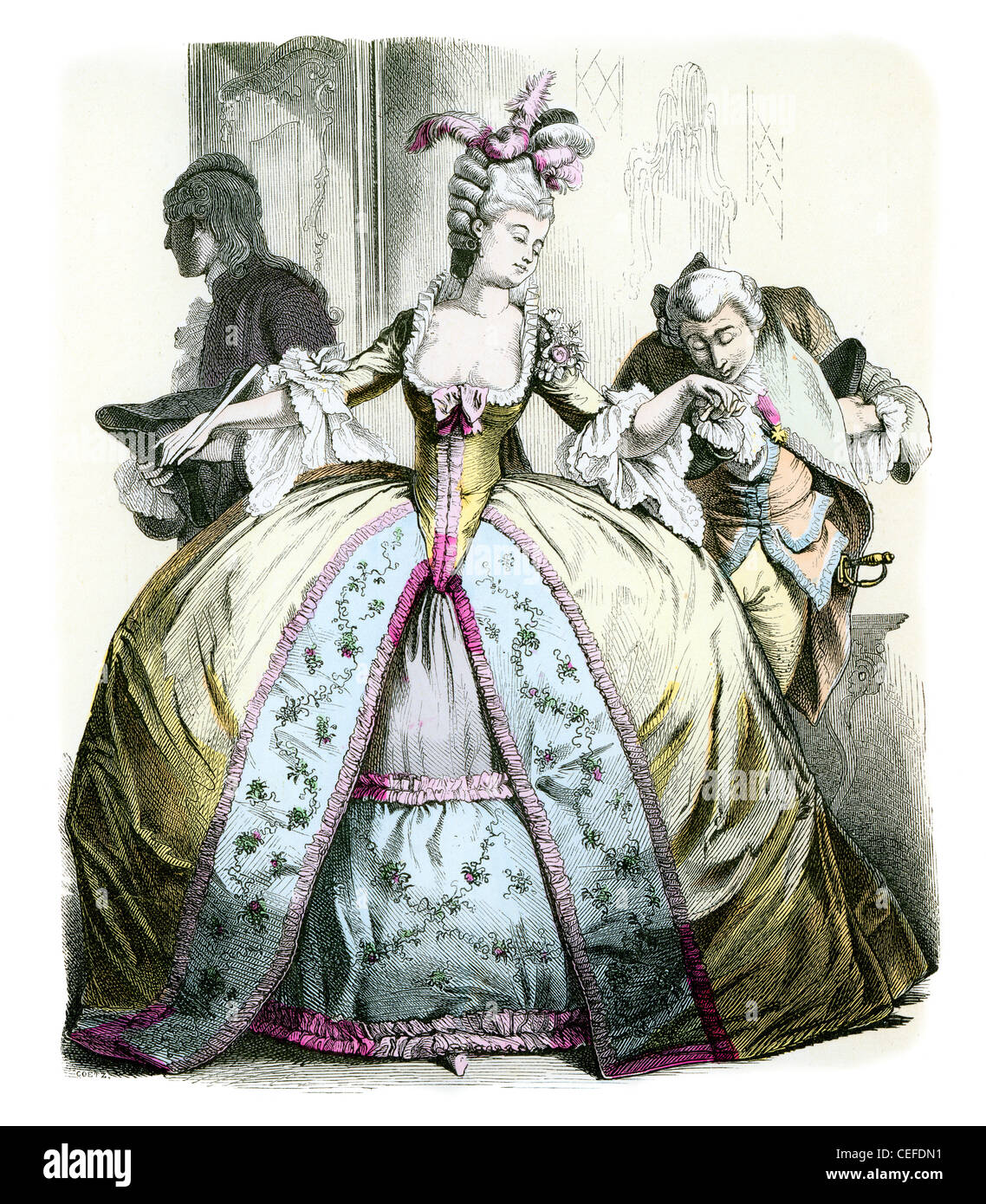
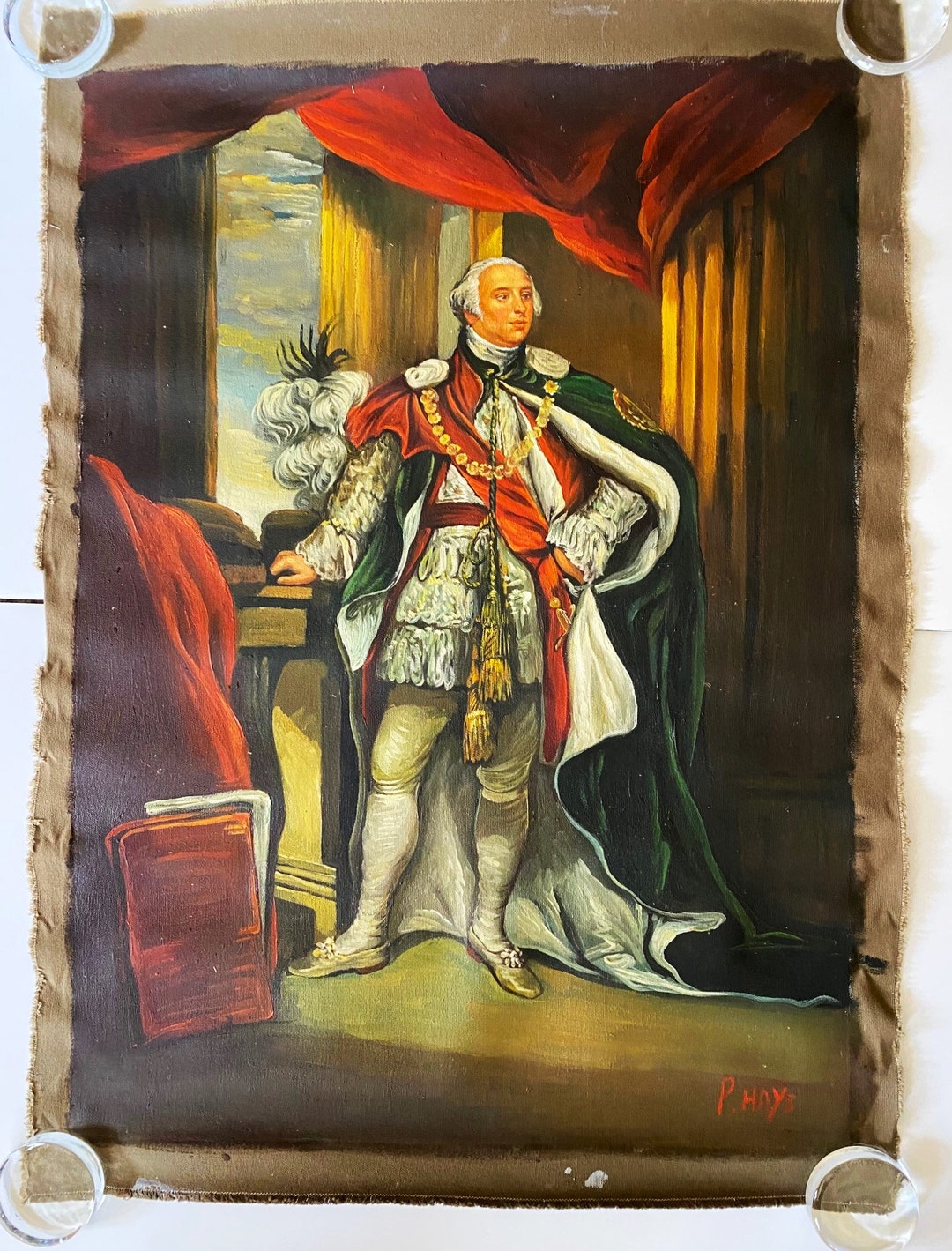
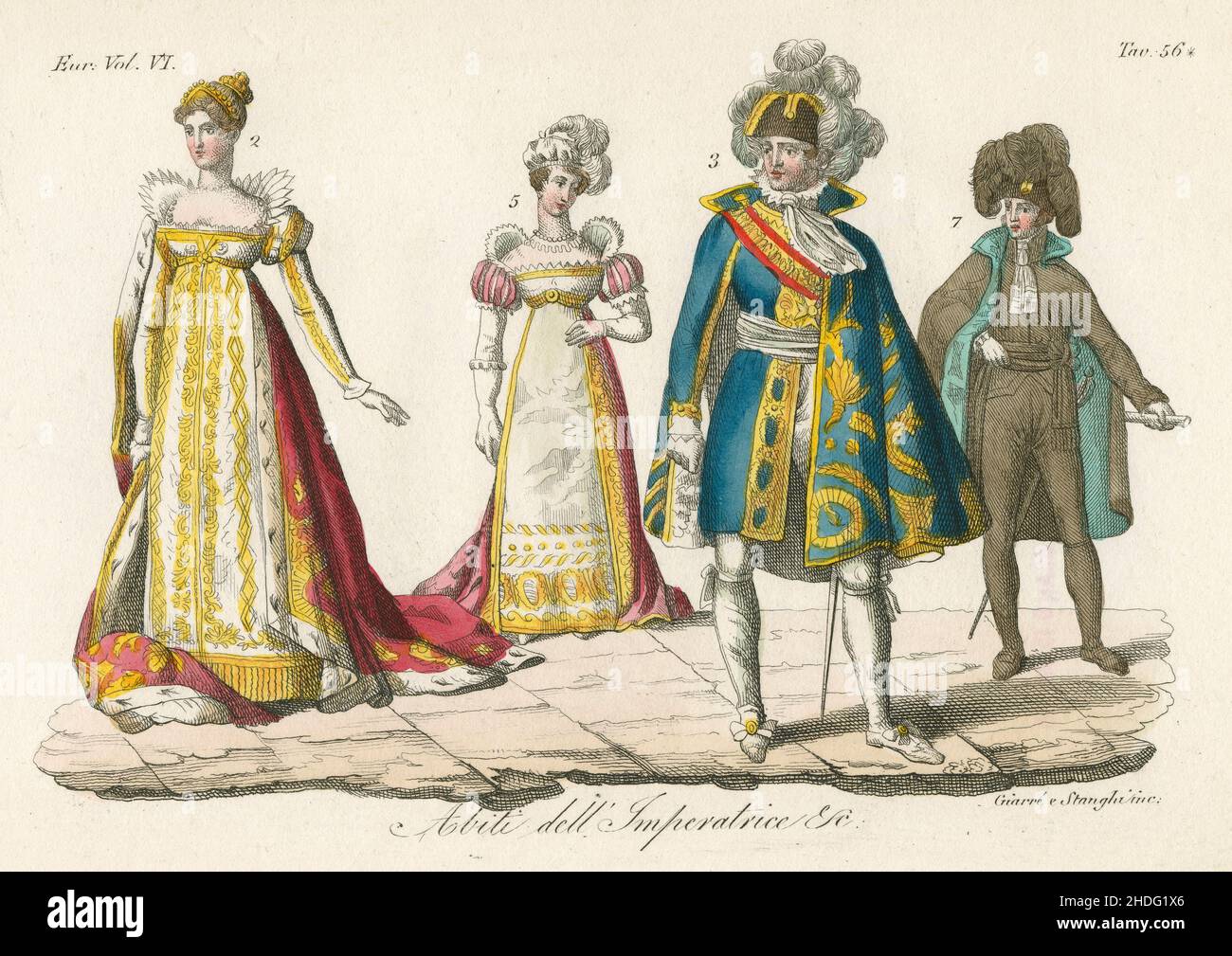
The 18th century was a transformative epoch for European monarchy, characterized by the shift from absolute autocracy to the complexities of enlightened absolutism and the stirrings of constitutionalism. Royals of this era managed vast empires through rigid court protocols, elaborate displays of dynastic legitimacy, and the precarious balancing of divine right against the encroaching ideals of the Enlightenment.
The Nature of Sovereignty in the 1700s
During the 18th century, the concept of royalty underwent a significant evolution. At the century's dawn, the "Divine Right of Kings"—the belief that a monarch’s authority was derived directly from God and was therefore beyond secular challenge—remained the cornerstone of royal legitimacy. However, as the century progressed, the influence of Enlightenment philosophers like Voltaire, Montesquieu, and Rousseau began to permeate royal courts.
This led to the emergence of "Enlightened Despotism." Monarchs such as Frederick the Great of Prussia, Catherine the Great of Russia, and Joseph II of Austria began to justify their rule not solely through divine mandate, but through their perceived utility to the state. They framed themselves as the "first servant of the state," adopting policies aimed at administrative efficiency, legal reform, and the centralization of power. This transition did not signify a surrender of power, but rather a strategic repositioning to maintain relevance in an age where intellectual scrutiny was becoming a standard for governance.
Court Life and the Mechanics of Influence
Royal courts in the 18th century served as both the nerve centers of national policy and the stages for performative power. Versailles, under the successors of Louis XIV, remained the blueprint for courtly life across Europe. The physical space of the palace was meticulously designed to reinforce the social hierarchy; the closer a courtier or noble lived to the royal bedchamber, the greater their proximity to influence.
The Role of Etiquette
Etiquette was not merely a matter of social grace; it was a political instrument. The rigid, codified rules of behavior served two primary functions:
- Standardization of Access: By requiring specific rituals for audience, dress, and address, monarchs could control who gained access to their person, thereby filtering out threats and managing the ambitions of rival aristocrats.
- The Spectacle of Power: Public rituals—the lever (rising) and coucher (retiring) of the monarch—transformed the king or queen into a living icon. By performing these daily routines, the royalty reinforced their status as the sun around which the entire state revolved.
Comparison of European Royal Power Structures
The following table highlights the distinct approaches to governance adopted by major 18th-century monarchies.
| Kingdom | Primary Governance Style | Key Characteristic |
|---|---|---|
| France | Absolutist / Traditional | Heavy reliance on court ritual and aristocratic containment. |
| Prussia | Enlightened Despotism | Emphasis on military efficiency and bureaucratic centralism. |
| Russia | Autocratic / Imperial | Rapid westernization alongside the solidification of serfdom. |
| Great Britain | Constitutional Monarchy | Sovereign power curtailed by Parliamentary oversight post-1688. |
The Impact of Succession and Dynastic Marriage
Dynastic marriage was the primary tool of foreign policy in the 18th century. Marriages were rarely matters of personal affection; they were legal treaties designed to secure borders, finalize peace agreements, or claim territories. The most significant example of this remains the Pragmatic Sanction of 1713, issued by Holy Roman Emperor Charles VI, which aimed to ensure that his daughter, Maria Theresa, could inherit the Habsburg lands.
The resulting War of the Austrian Succession demonstrated the fragility of these legal arrangements. When a female monarch ascended the throne, traditional male-centric power structures were often tested by neighboring rivals, highlighting that despite the legal preparations, the stability of a royal line relied heavily on the military strength of the kingdom.
The Economic Burden and Financial Management
Maintaining an 18th-century royal household was an immense fiscal endeavor. Royal revenue was typically derived from a mix of royal domain lands, feudal dues, and increasingly, complex taxation systems managed by the state bureaucracy.
The lifestyle of the royalty—marked by lavish architecture, extensive patronage of the arts, and the funding of standing armies—often pushed the limits of the state's credit. In France, the financial strain caused by involvement in the Seven Years' War and the American Revolutionary War contributed directly to the fiscal crisis that precipitated the French Revolution. Unlike modern financial systems, there was often little distinction between the monarch's personal purse and the national treasury, making the fiscal health of the country inextricably linked to the personal spending habits and political priorities of the sovereign.
Challenges to Royal Authority
The latter half of the 18th century saw the erosion of royal prestige. The intellectual critiques of the philosophes questioned the necessity of hereditary privilege, while the American Revolution demonstrated that colonies could successfully challenge monarchical rule.
Public opinion became an emergent force. The growth of the press and the proliferation of political pamphlets meant that for the first time, royals were subject to systematic criticism in the public sphere. When Louis XVI and Marie Antoinette were unable to reform the French tax structure, they became the targets of a public discourse that transitioned rapidly from reformist to revolutionary, proving that the traditional mechanisms of control—censure and courtly distraction—were failing against the tide of revolutionary sentiment.
Frequently Asked Questions
How did 18th-century royalty fund their lifestyles?
Monarchs were funded primarily through revenues from crown lands, customs duties, and various forms of internal taxation. By the 18th century, many monarchs also leveraged national banks and issued government bonds, effectively borrowing money from the burgeoning merchant class to fund wars and court expenses.
What was the function of the "courtier" in royal life?
Courtiers were members of the aristocracy who lived in or frequented the royal palace. Their primary role was to serve the monarch, but they also acted as intermediaries, lobbying for titles, land grants, or military commissions for themselves and their families.
Did all European monarchs have the same level of authority?
No. While many operated as absolute monarchs, British royalty functioned under a constitutional framework established by the Glorious Revolution. Meanwhile, elective monarchies like the Polish-Lithuanian Commonwealth operated with severely limited royal power compared to the Russian Tsar or the Prussian King.
Why was 18th-century royal succession so unstable?
Succession was frequently challenged by the death of male heirs, forcing kingdoms to rely on female succession or distant cousins. This instability triggered major military conflicts, as neighboring powers often sought to exploit succession crises to shift the balance of power in Europe.
How did the Enlightenment affect royal governance?
The Enlightenment encouraged monarchs to justify their power through public service rather than divine right. This led to institutional reforms in education, the civil service, and legal codes, as royals sought to modernize their states to survive in an increasingly competitive geopolitical environment.
Conclusion and Further Study
To understand the 18th century is to understand a period of profound transition for the institution of monarchy. Readers seeking to examine this topic further should prioritize the study of the Seven Years' War, as it serves as the ultimate litmus test for the financial and military limits of 18th-century royal power. Focusing on primary source diaries and letters from courtiers provides the most accurate, unfiltered view of the daily reality behind the gilded facade of the royal court.