Addressing scarring at 17 involves understanding the biological healing process, identifying the types of marks left behind, and implementing evidence-based treatments while the skin is still highly resilient. Managing scars during late adolescence is critical because skin collagen production is at a peak, and early intervention can significantly mitigate the visibility of permanent marks caused by acne, injuries, or previous surgeries.
Understanding the Biology of Scarring at 17
At seventeen, your body is finishing its final major growth spurts, meaning skin turnover and collagen synthesis are highly active. When the dermis—the deeper layer of skin—is damaged by trauma, inflammation, or infection, the body attempts to repair the wound by depositing new collagen fibers. This repair mechanism is inherently disorganized compared to original skin tissue, resulting in a scar.
The primary types of scars encountered at this age include:
- Atrophic Scars: These are indentations or "pits" in the skin, commonly caused by inflammatory acne where tissue loss occurs during healing.
- Hypertrophic Scars: Raised, red, or thickened scars that stay within the boundary of the original wound. They often occur on areas of high tension, like the chest or shoulders.
- Keloids: Thick, raised scars that grow beyond the site of the original injury. These have a genetic component and are more common in individuals with darker skin tones.
- Post-Inflammatory Hyperpigmentation (PIH): Technically not a structural scar but a color change resulting from inflammation. It often mimics scarring but is actually a melanin-related issue.
Common Causes of Scars in Late Adolescence
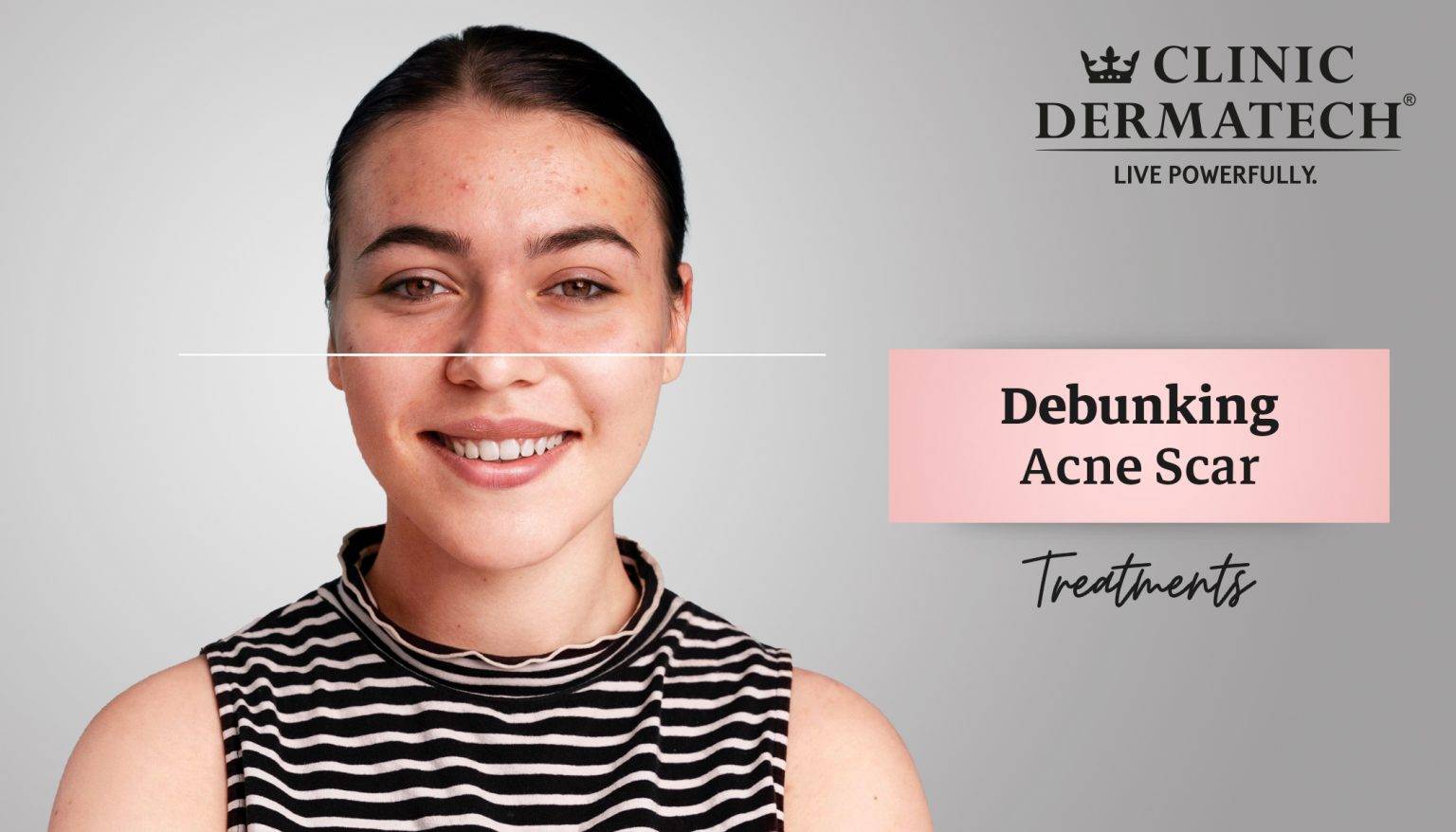
The most frequent cause of scarring for a 17-year-old is persistent acne. Inflammatory acne (cystic or nodular) causes deep damage to the follicular wall. When the body repairs these deep craters, the resulting collagen collapse leaves behind the characteristic "ice pick," "boxcar," or "rolling" scars.
Beyond acne, other common causes include:
- Traumatic Injury: Sports-related injuries, falls, or accidental cuts that penetrate deep enough to trigger an inflammatory response.
- Surgical Interventions: Procedures such as wisdom tooth removal, appendectomies, or orthopedic surgeries that leave linear marks.
- Self-Harm or Skin Picking: The mechanical trauma of picking at skin lesions or acne can turn a superficial blemish into a permanent dermal scar.
- Infections: Skin infections that lead to abscesses or deep lesions often result in scarring once the infection is cleared.
Clinical and Over-the-Counter Treatment Options
Treating a scar at 17 requires a tiered approach, prioritizing non-invasive methods before considering clinical procedures.
Topical Interventions
- Silicone Gel Sheets: Considered the gold standard for managing hypertrophic and keloid scars. They work by hydrating the scar tissue and regulating collagen production. Consistent use for 3–6 months is required.
- Retinoids: Prescription-strength tretinoin or over-the-counter retinol promotes cell turnover, which helps improve the texture of atrophic acne scars over time.
- Vitamin C and Niacinamide: Useful primarily for managing the color (PIH) component of a scar, helping to brighten the area.
Professional Clinical Procedures
For deep-seated structural scars, dermatology offices provide more intensive solutions:
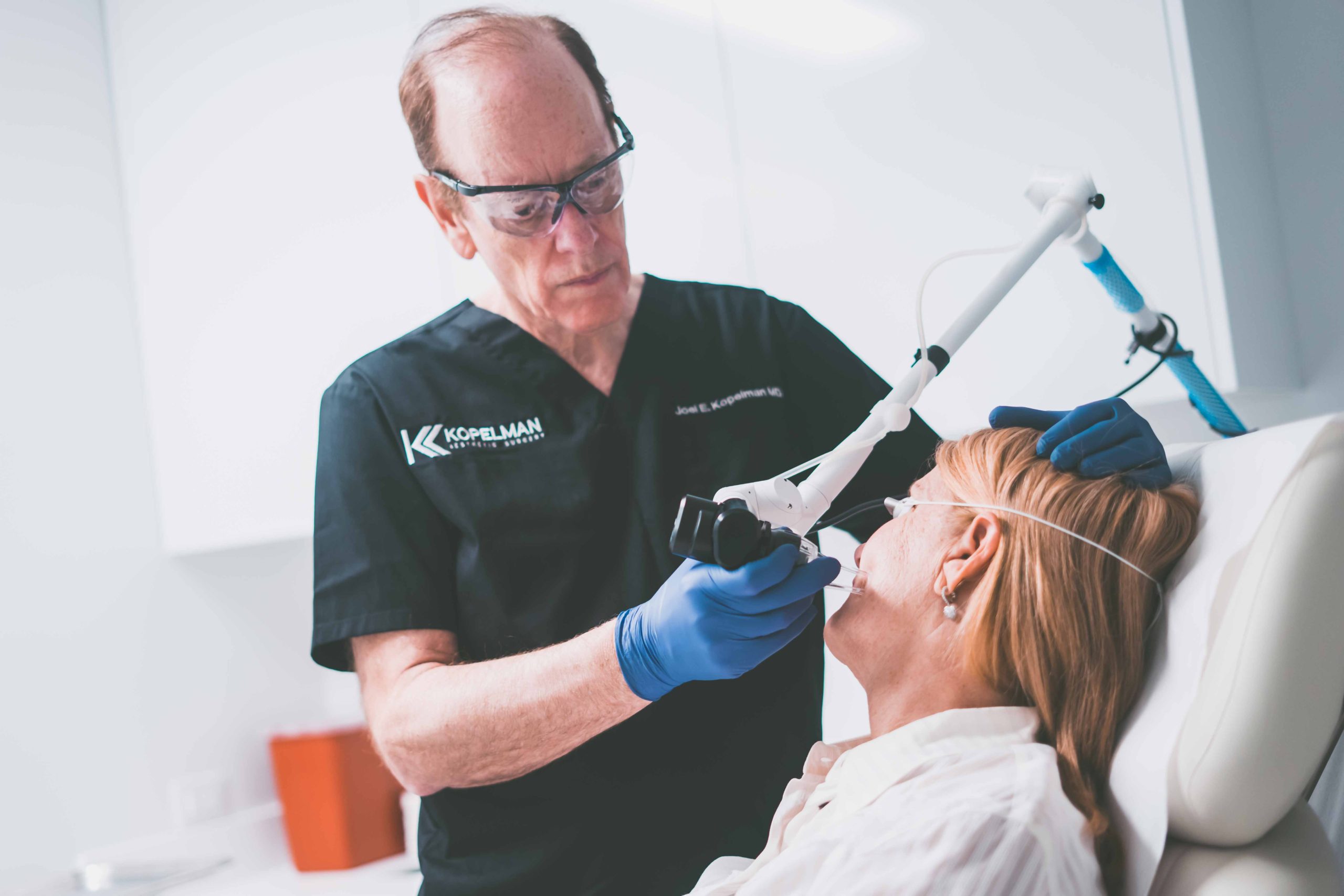
- Fractional Laser Resurfacing: Uses beams of light to create micro-injuries in the skin, forcing the body to produce new, organized collagen to fill in the gaps.
- Microneedling: Creates thousands of microscopic punctures to stimulate the body's natural wound-healing process. It is highly effective for atrophic acne scarring.
- Chemical Peels: Uses acidic solutions to exfoliate the top layers of the skin, improving superficial texture and tone.
- Subcision: A technique where a needle is used to break up the fibrous bands beneath an atrophic scar, allowing the skin to lift and level out.
Comparison Table: Scar Management Methods
| Method | Target Scar Type | Typical Duration | Invasive Level |
|---|---|---|---|
| Silicone Gel | Hypertrophic/Keloid | 3–6 Months | None |
| Microneedling | Atrophic (Pits) | 4–6 Sessions | Moderate |
| Fractional Laser | Deep Structural | 3–5 Sessions | High |
| Retinoid Therapy | Superficial/Pigment | 6+ Months | None |
| Subcision | Tethered/Deep | 1–3 Sessions | Moderate |
Prevention Strategies: The "Better Than Cure" Approach
The most effective way to handle scars is to prevent them from maturing into permanent marks. Prevention centers on controlling the inflammatory response immediately following a skin injury or acne outbreak.
- Sun Protection: This is the single most important prevention tip. Fresh scar tissue is highly sensitive to UV rays. Sun exposure will darken the scar and prevent it from fading, essentially "locking in" the pigment. Use a broad-spectrum SPF 30 or higher daily.
- Hands-Off Policy: Never pick, pop, or squeeze acne. Physical trauma to an inflamed follicle is the primary driver of preventable scarring.
- Early Inflammation Control: If you have acne, seek medical guidance early. Using medicated washes or topicals to stop the cycle of inflammation prevents the tissue damage that necessitates scar formation.
- Moist Healing: If you have a cut or scrape, keep it moist using petroleum jelly or an occlusive ointment. Wounds that dry out and scab are more likely to result in permanent scarring than those kept in a moist, protected environment.
Addressing Frequent Questions
Can old scars at 17 be fully removed? No scar can be fully "erased" because the skin structure has been permanently altered. However, most scars can be significantly improved, softened, and blended with surrounding skin through modern aesthetic procedures and consistent topical care.
Is there a specific diet that helps with scarring? While no single food removes scars, a diet rich in protein, Vitamin C, and zinc supports overall collagen synthesis. Maintaining hydration is also vital to keep the skin barrier strong and resilient during the healing process.
Why does my scar get darker when I'm out in the sun? Freshly formed scar tissue lacks the complex structure of original skin. The melanocytes (pigment-producing cells) in the area may react erratically to UV exposure, causing the scar to hyperpigment. Always cover healing wounds or use high-SPF sunscreen.
Do over-the-counter scar creams really work? They work primarily for newer, superficial scars by providing occlusion (moisture). For deep, structural atrophic scars, topical creams have very limited success. They are best used as supportive therapy alongside professional treatments.
When should I see a dermatologist? Consult a dermatologist if you have cystic acne that does not respond to OTC treatments, or if you notice a scar becoming excessively raised, painful, or itchy. This may indicate a keloid, which requires early intervention to stop further growth.
Next Steps for Skin Recovery
If you are dealing with active scarring, the first step is to assess the type of scar. If you have active breakouts causing the scars, prioritize seeing a dermatologist to bring the inflammation under control before starting scar-specific treatments. If the scarring is from a healed injury, begin a 3-month trial of high-quality silicone gel sheets used daily. Always use sunscreen, and keep your expectations realistic: scar improvement is a marathon, not a sprint. Consistency in your routine—whether it is daily sun protection or adhering to a series of clinical microneedling sessions—is the most reliable path to smoother, more uniform skin.