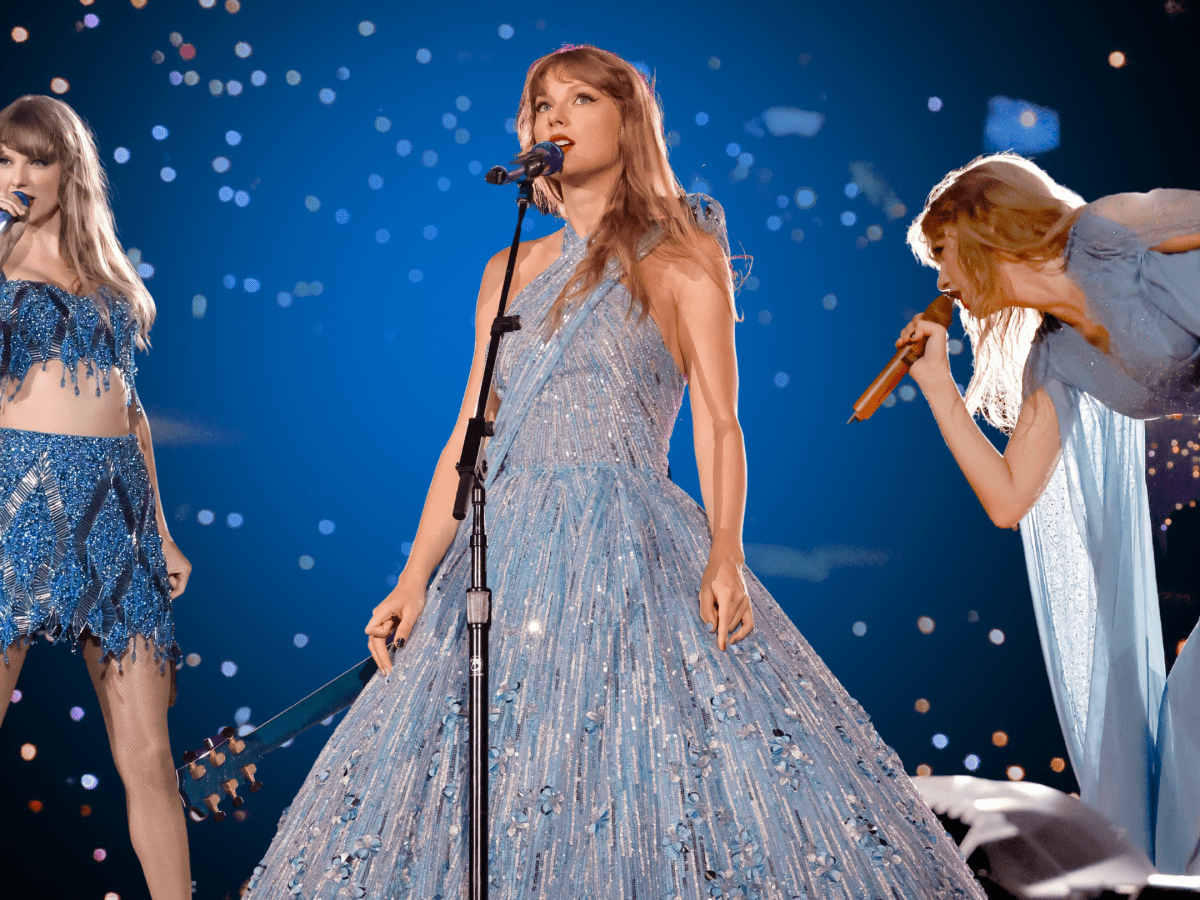
Taylor Swift’s 1989 World Tour, launched in May 2015 and concluding in December of that year, stands as one of the most commercially successful and culturally defining concert residencies of the 2010s. Designed to support her fifth studio album, 1989, the tour transitioned Swift permanently from a dominant country-pop crossover artist into a global pop megastar, redefining the scope and scale of modern pop music spectacles.
Origins and Conceptualization of the 1989 Era
The genesis of the 1989 World Tour is inextricably linked to the commercial and artistic pivot of Taylor Swift's fifth studio album, 1989. Released in October 2014, the album marked Swift's first officially declared full-pop record, drawing heavy inspiration from the synth-pop and dance-pop sounds of the mid-to-late 1980s. To translate this sonic reinvention to the live stage, Swift and her creative team—including show director Baz Halpin—envisioned a production that balanced massive stadium-scale infrastructure with intimate emotional connectivity.
The planning phase required months of technical design, lighting choreography, and wardrobe conceptualization. Unlike her previous Red Tour, which retained theatrical narrative elements rooted in acoustic storytelling and theatrical melodrama, the 1989 World Tour was built to feel like an energetic, high-fashion neon dreamscape. The primary design goal was to make every seat in massive sports stadiums feel connected to the stage, utilizing state-of-the-art visual technology, kinetic stage elements, and immersive audience-interaction tools.
Production Design, Visuals, and Stage Engineering
The technical execution of the 1989 World Tour was a masterclass in modern stadium concert engineering. The staging infrastructure was designed to maximize mobility, visibility, and dynamic space across dozens of sold-out dates worldwide.
Stage Architecture
The primary stage featured a wide main platform equipped with massive high-definition LED video backdrops that shifted narratives from gritty urban skylines to neon-drenched coastal aesthetics. A lengthy B-stage runway extended deep into the floor seating area, allowing Swift to physically bridge the gap between herself and tens of thousands of fans. Furthermore, a central portion of the runway was engineered as a hydraulic lift that elevated and rotated 360 degrees, lifting Swift high above the stadium floor during key emotional ballads like "Out of the Woods" and "Clean."
Interactive Audience Technology
One of the most enduring technical innovations popularized during this tour was the widespread use of LED wristbands distributed to every concert attendee. Controlled via infrared transmitters, these wristbands—dubbed "Swifties light-up bracelets"—pulsed, changed colors, and flashed in precise synchronization with the rhythm of the music and the visual patterns on the main screen. This transformed the physical architecture of the stadium audience into an active, breathing component of the light show, ensuring that fans in the farthest upper tiers felt visually integrated into the performance.
Setlist Structure and Musical Arrangements
The setlist for the 1989 World Tour was meticulously curated to showcase the 1989 album while reinterpreting older catalog tracks through a synchronized synth-pop lens. Transitioning tracks from acoustic or country-leaning arrangements into electronic pop anthems required extensive music direction.
| Segment / Theme | Featured Tracks | Musical Style / Arrangement |
|---|---|---|
| Opening & High-Energy Pop | "Welcome to New York", "New Romantics", "Blank Space" | High-tempo synth-pop with aggressive basslines and electronic percussion. |
| Mid-Era Reinterpretations | "I Knew You Were Trouble", "Love Story", "Style" | Re-arranged with heavy 1980s electronic synthesizers and driving drum machines. |
| Acoustic / Intimate Section | "Wonderland", "This Love", "You Belong with Me" (rotating acoustic numbers) | Stripped-down acoustic guitar or piano performances showcasing vocal dexterity. |
| Theatrical Electronic Climax | "Bad Blood", "We Are Never Ever Getting Back Together", "Shake It Off" | High-energy choreography, pyrotechnics, and bass-heavy stadium mixing. |
Older tracks such as "Love Story" and "I Knew You Were Trouble" were fundamentally restructured. Rather than utilizing traditional acoustic instrumentation, they were outfitted with shimmering synthesizers, gated reverb drums, and pulsating basslines that aligned seamlessly with the sonic universe of the 1989 record.
The Famous Guest Star Phenomenon
A defining and unprecedented cultural hallmark of the 1989 World Tour was Taylor Swift’s tradition of bringing out surprise guest stars during performances of her track "Bad Blood." Across various cities, Swift invited an eclectic rotation of supermodels, actresses, athletes, and fellow musicians onto the stage to walk the runway alongside her.
This nightly spectacle transformed individual concert dates into major entertainment news events. Notable guests included models from the original "Bad Blood" music video—such as Cindy Crawford, Gigi Hadid, Cara Delevingne, and Karlie Kloss—as well as musicians like Selena Gomez, Lorde, Mick Jagger, Justin Timberlake, and Alanis Morissette. While praised for celebrating female camaraderie and pop culture crossover appeal, the guest star tradition also generated media discourse regarding the nature of modern celebrity curation and the construction of public persona.
Commercial Performance, Box Office, and Records
The 1989 World Tour was a monumental commercial juggernaut, shattering previous attendance and box office benchmarks for solo touring artists.
- Gross Revenue: The tour grossed over $250 million globally, making it one of the highest-grossing concert tours of the 2010s.
- Attendance: It drew well over 2 million attendees across 85 total dates spanning North America, Asia, Europe, and Oceania.
- Stadium Records: Swift broke attendance records at numerous legendary venues, including multiple consecutive sell-outs at the Staples Center in Los Angeles and the Melbourne Cricket Ground in Australia, where she became the first female solo artist to headline the venue.
The economic impact extended beyond ticket sales; local economies in host cities reported surges in hospitality, dining, and retail revenue during weekend show runs, establishing a blueprint for the massive economic footprints later observed during blockbuster tours of the subsequent decade.
Cultural Impact and Legacy in Live Entertainment
Beyond the raw financial metrics, the 1989 World Tour permanently shifted industry standards for pop music staging and fan engagement.
Redefining the Pop Spectacle
The tour proved that stadium shows could maintain an atmosphere of intimacy through smart audience integration and technical innovation. The synchronized wristband technology pioneered on this tour has since become an industry-standard practice for major arena and stadium acts worldwide.
Transition to Streaming and Visual Documentation
To immortalize the era, Swift partnered with Apple Music to release The 1989 World Tour - Live, a concert film capturing her monumental November 2015 performance at ANZ Stadium in Sydney, Australia. Directed by Jonas Åkerlund, the film combined professional live-action multi-camera coverage with behind-the-scenes rehearsal footage and commentary from guest stars, providing a comprehensive archive of the tour's cultural zenith.
Frequently Asked Questions
When did the 1989 World Tour take place?
The tour officially began on May 5, 2015, in Tokyo, Japan, and concluded on December 12, 2015, in Melbourne, Australia, spanning North America, Europe, Asia, and Oceania over eight months.
How much money did the 1989 World Tour gross?
The tour grossed approximately $250.7 million worldwide, setting records at the time for ticket sales and attendance across multiple international stadium venues.
Why did Taylor Swift bring out guest stars on stage?
During performances of the song "Bad Blood," Swift brought out various celebrities, musicians, and athletes to reinforce themes of female friendship and collaboration, mirroring the star-studded aesthetic of the official music video.
Was a concert film released for the 1989 World Tour?
Yes. The 1989 World Tour - Live was filmed at ANZ Stadium in Sydney, Australia, and released exclusively through Apple Music on December 20, 2015.
What album was the tour supporting?
The tour supported Swift's fifth studio album, 1989, which marked her official transition from country music to mainstream synth-pop.
Final Recommendations for Fans and Music Historians
For researchers, musicologists, and fans studying the trajectory of modern pop performance, examining the 1989 World Tour provides critical insight into the mechanics of 21st-century live entertainment. Reviewing archival footage via The 1989 World Tour - Live concert film offers a direct look at the transitional phase of stadium-scale pop production, demonstrating how technical lighting design, crowd participation technology, and pop music reinvention intersect on a global stage.