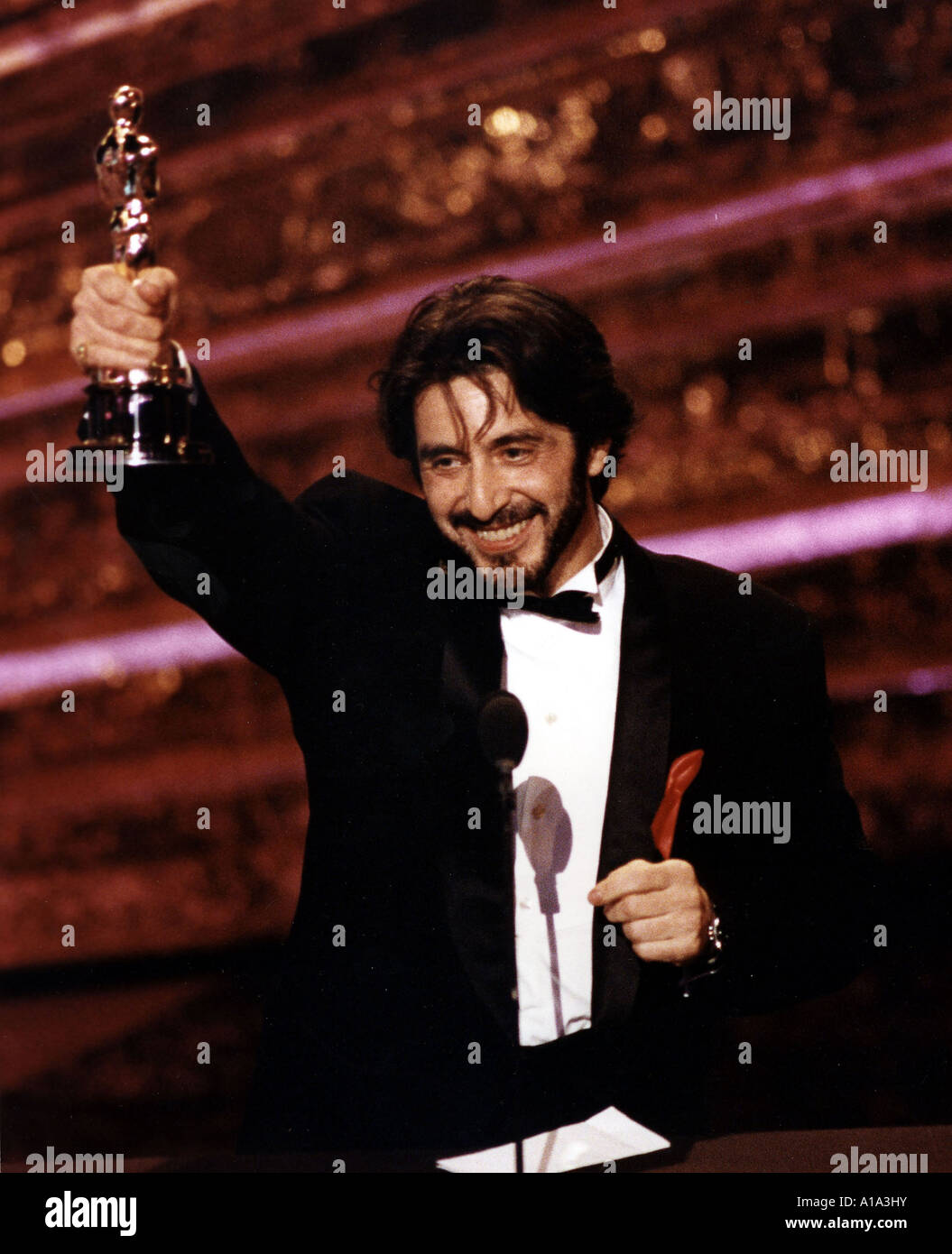
The 64th Academy Awards, held on March 30, 1992, at the Dorothy Chandler Pavilion in Los Angeles, stand as a defining cultural milestone in cinematic history. Presided over by Billy Crystal in his third consecutive hosting stint, the ceremony famously celebrated The Silence of the Lambs, which achieved the rare "Big Five" sweep, while capturing a transitional era defined by independent film breakthroughs, high-stakes political protests, and a shifting Hollywood landscape.
Historical Context and Cultural Background of the 1992 Film Year
The films honored at the 1992 Oscars reflected a motion picture industry undergoing a significant structural evolution. Released throughout 1991, the nominated pool balanced sprawling studio productions with gritty independent dramas that challenged conventional storytelling. The early 1990s marked a period where major studios increasingly relied on high-concept thrillers and psychological dramas, creating fertile ground for prestige pictures that appealed to both critics and mainstream audiences.
Simultaneously, the sociopolitical climate of the era exerted a palpable influence on the ceremony. Activist groups, most notably Queer Nation and ACT UP, staged prominent demonstrations outside the Dorothy Chandler Pavilion. They protested Hollywood's representation—and frequent misrepresentation—of LGBTQ+ individuals, drawing widespread media attention to films like The Silence of the Lambs and JFK. These protests underscored a growing tension between a historically conservative academy and an increasingly vocal public demanding authentic, nuanced representation on screen.
Major Categories and Historic Wins
The competition at the 64th Academy Awards featured several tightly contested races, though a few clear frontrunners ultimately dominated the evening. The most monumental achievement of the night belonged to Jonathan Demme’s The Silence of the Lambs, which swept the major categories, an accolade previously achieved by only two other films: It Happened One Night (1934) and One Flew Over the Cuckoo's Nest (1975).
The "Big Five" Sweep: The Silence of the Lambs
Securing the top five awards—Best Picture, Best Actor, Best Actress, Best Director, and Best Adapted Screenplay—The Silence of the Lambs cemented its status as a critical and commercial masterpiece.
- Best Picture: Produced by Edward Saxon, Kenneth Utt, and Ron Bozman, the psychological thriller defied the traditional horror-genre bias of the Academy.
- Best Director: Jonathan Demme captured the award for his precise, tension-building direction, utilizing intimate close-ups that forced viewers into uncomfortable proximity with the characters.
- Best Actor: Anthony Hopkins delivered a chilling, masterclass performance as the incarcerated psychiatrist and cannibal Dr. Hannibal Lecter, utilizing minimal screen time to create an indelible cinematic presence.
- Best Actress: Jodie Foster earned her second Academy Award for her portrayal of FBI trainee Clarice Starling, capturing vulnerability and ironclad resolve in equal measure.
- Best Adapted Screenplay: Ted Tally successfully translated Thomas Harris’s dense, complex novel into a lean, highly suspenseful cinematic narrative.
Other Notable Competitive Categories
While The Silence of the Lambs captured the lion's share of attention, other nominees mounted formidable challenges across the ballot. Warren Beatty’s biographical epic Bugsy led the overall nomination count with ten nods, ultimately securing awards for Best Art Direction and Best Costume Design. Oliver Stone’s conspiracy thriller JFK captured two awards out of its eight nominations, winning for Best Cinematography by Robert Richardson and Best Film Editing by Joe Hutshing and Pietro Scalia.
In the supporting categories, Jack Palance won Best Supporting Actor for his rugged, self-depocating comedic turn in City Slickers, memorable not only for his performance but also for his one-handed pushups during his acceptance speech. Mercedes Ruehl captured Best Supporting Actress for her vibrant, sharp-witted performance in Terry Gilliam's The Fisher King.
Summary of Major 1992 Oscar Winners
| Category | Winner | Film / Work |
|---|---|---|
| Best Picture | Edward Saxon, Kenneth Utt, and Ron Bozman | The Silence of the Lambs |
| Best Director | Jonathan Demme | The Silence of the Lambs |
| Best Actor | Anthony Hopkins | The Silence of the Lambs |
| Best Actress | Jodie Foster | The Silence of the Lambs |
| Best Supporting Actor | Jack Palance | City Slickers |
| Best Supporting Actress | Mercedes Ruehl | The Fisher King |
| Best Original Screenplay | Callie Khouri | Thelma & Louise |
| Best Adapted Screenplay | Ted Tally | The Silence of the Lambs |
| Best Original Score | Alan Menken | Beauty and the Beast |
| Best Original Song | Alan Menken and Howard Ashman | "Beauty and the Beast" (Beauty and the Beast) |
The Animation and Musical Triumph of Beauty and the Beast
A watershed moment in Academy history occurred within the musical and animation fields, spearheaded by Walt Disney Pictures' Beauty and the Beast. The film earned a historic Best Picture nomination, becoming the first-ever animated feature to contend for the industry's highest honor. While it did not win Best Picture, its inclusion forced the Academy to reckon with the artistic legitimacy of animation as a medium capable of sophisticated storytelling and emotional depth.
The film dominated the music categories. Alan Menken secured the award for Best Original Score, while he and the late Howard Ashman won Best Original Song for the title track, famously performed by Celine Dion and Peabo Bryson. Ashman’s posthumous win added a deeply emotional resonance to the evening, as his contributions to the Disney Renaissance transformed the studio's output and revitalized the traditional movie musical.
Technical Excellence and Craft Achievements
Beyond the marquee categories, the 64th Academy Awards highlighted groundbreaking technical craftsmanship that shaped the cinematic language of the decade. Sound design, editing, and visual effects reached new levels of sophistication, driven by technological advancements and meticulous practical work.
- Best Sound: Tom Fleischman and Christopher Newman secured the award for The Silence of the Lambs, utilizing ambient soundscapes and precise dialogue mixing to enhance the psychological dread of the narrative.
- Best Visual Effects: Stan Winston, Dennis Skotak, Robert Skotak, and Gene Warren Jr. claimed the trophy for Terminator 2: Judgment Day, a film that revolutionized computer-generated imagery (CGI) and practical makeup effects, setting a new benchmark for blockbuster filmmaking.
- Best Makeup: Stan Winston and Neal Daniell won for their transformative work on Terminator 2: Judgment Day, further establishing Winston as a pioneer in physical special effects.
Billy Crystal and the Cultural Impact of the Broadcast
As host, Billy Crystal set a high watermark for Academy Awards telecasts. Entering the stage descending on a harness disguised as Hannibal Lecter—complete with a straightjacket and a hockey mask—Crystal established a tone of self-aware, theatrical showmanship. His opening number, a custom-tailored medley summarizing the nominated films, became an eagerly anticipated television tradition.
The broadcast drew massive viewership, reflecting the cultural ubiquity of the nominated films. However, the ceremony also served as a battleground for off-screen cultural politics. Richard Gere used his presenting platform to deliver an unscripted, highly critical statement regarding the Chinese government's human rights abuses in Tibet, while other presenters and winners utilized their time at the podium to address HIV/AIDS awareness, abortion rights, and economic inequality. These moments transformed the 1992 Oscars from a pure celebration of art into an arena of public discourse, setting a precedent for future political engagement at the ceremony.
Frequently Asked Questions About the 1992 Oscars
Which film won Best Picture at the 1992 Oscars?
The Silence of the Lambs won Best Picture at the 64th Academy Awards. It accomplished this feat as part of a rare "Big Five" sweep, capturing awards for Best Picture, Director, Actor, Actress, and Adapted Screenplay.
How many Oscars did The Silence of the Lambs win?
The film won five Academy Awards. It is only the third film in Oscar history to win all five major competitive categories, following It Happened One Night (1934) and One Flew Over the Cuckoo's Nest (1975).
Was an animated film ever nominated for Best Picture before 1992?
No. Beauty and the Beast (1991) made history at the 1992 Oscars by becoming the first-ever animated feature film to receive a nomination for Best Picture, paving the way for future expansion in the category.
Who hosted the 64th Academy Awards?
Comedian and actor Billy Crystal hosted the 1992 ceremony. This marked his third consecutive year hosting, a run widely praised by television critics for its comedic timing and musical numbers.
What controversy occurred during the 1992 Oscar ceremony?
The ceremony was marked by dual phenomena: active street protests organized by groups like ACT UP demanding better LGBTQ+ representation in Hollywood, and unscripted political statements from presenters like Richard Gere concerning human rights in Tibet.
Conclusion and Legacy
The 1992 Oscars remain a fascinating study of a medium at the crossroads of commercial entertainment, high art, and social conscience. By honoring a psychological horror-thriller with its highest prizes while simultaneously recognizing the artistic breakthrough of animated features and the technical prowess of science-fiction blockbusters, the Academy captured the dynamic spirit of early 1990s cinema. Evaluating this ceremony offers valuable insight into how Hollywood navigates the tensions between popular appeal, artistic innovation, and cultural accountability.