The 1990s romantic comedy represents a golden era for the genre, characterized by witty screenplays, magnetic star power, high-concept premises, and sophisticated urban settings that modernized traditional Hollywood formulas for contemporary audiences.
The 1990s romantic comedy genre transformed how cinematic love stories were told, moving away from the cynical cynicism of the late 1970s and 1980s toward a renewed optimism anchored by charismatic leading actors and sharp, culturally resonant writing. This decade established enduring narrative templates, launched global film stars, and created a distinct aesthetic that continues to influence modern filmmakers and streaming platforms. Understanding the anatomy of a 1990s romantic comedy requires examining its structural formulas, economic context, defining talent, and cultural legacy.
The Cinematic Landscape and Revival of the Genre
At the close of the 1980s, the romantic comedy genre was in a state of transition. While films like When Harry Met Sally... (1989) bridged the gap between classic screwball comedies and modern relationship dynamics, the early 1990s needed a fresh spark to capture the imaginations of younger, post-baby boomer audiences. Studios recognized that mid-budget romantic comedies offered high return on investment, particularly when paired with magnetic ensemble casts and accessible, high-concept premises.
The genre thrived on a delicate balance between escapism and relatability. Protagonists were often working professionals navigating career pressures in major metropolitan hubs like New York City, Seattle, or London. This urban realism provided a stark contrast to the fairy-tale settings of older Hollywood musicals, grounding emotional stakes in recognizable late-20th-century life.
Furthermore, the decade benefited from the rise of independent cinema crossing over into mainstream multiplexes. Studios greenlit projects that relied on sparkling dialogue and palpable chemistry over heavy special effects, giving screenwriters room to craft complex verbal sparring matches that recalled the Golden Age of Hollywood while addressing modern anxieties about commitment, independence, and class differences.
Anatomy of the Narrative: Formulas and Tropes
While critics often accused the 1990s romantic comedy of predictability, the genre’s enduring appeal lay in its mastery of specific narrative mechanics. These films utilized reliable structural frameworks that allowed audiences to enjoy the journey of discovery, even when the eventual destination was clear from the opening scene.
High-Concept Premises and Obstacles
The engine of the 1990s romantic comedy was often a high-concept premise designed to force two incompatible or hesitant people together. Common structural devices included:
- The Fake Relationship: Agreements of convenience that inevitably devolve into genuine affection.
- The Workplace Rivalry: Professional competitors forced to collaborate, dissolving professional boundaries through shared adversity.
- The Transformation or Makeover: Characters shedding superficial layers to reveal their authentic selves to one another.
- The Geographical Divide: Long-distance or culturally mismatched romances that required a dramatic third-act gesture to bridge the gap.
The Evolution of the Meet-Cute
The "meet-cute"—the initial encounter that brings the romantic leads together—underwent a significant evolution during this decade. Instead of accidental meetings at social gatherings, 1990s films used situational comedy to create instant friction. Whether it was a chance encounter in a bookstore, an anonymous online chat room connection, or an awkward traffic dispute, the initial meeting established the power dynamic between the leads, setting up a trajectory of mutual growth.
Defining Stars and Archetypes
The success of the 1990s romantic comedy hinged heavily on star power. Studios built vehicles around actors who possessed distinct personal brands, creating a cinematic shorthand for audiences before a single line of dialogue was spoken.
The Meg Ryan and Tom Hanks Phenomenon
No two actors defined the romantic landscape of the decade more completely than Meg Ryan and Tom Hanks. Ryan perfected the archetype of the vibrant, articulate, and emotionally expressive heroine who could pivot effortlessly from screwball physical comedy to vulnerable sincerity. Hanks brought an everyman charm, combining intelligence with an unassuming warmth. When paired together in films like Sleepless in Seattle (1993) and You've Got Mail (1998)—both directed by Nora Ephron—they created a standard of chemistry that defined the era.
Julia Roberts and the Ascent of the Modern Leading Lady
Julia Roberts transformed the genre through sheer magnetism, beginning with her breakout performance in Pretty Woman (1990). Roberts brought a luminous, infectious energy that redefined the Hollywood starlet. Her characters were often fiercely independent yet emotionally open, anchoring films that grossed hundreds of millions of dollars globally and proving that romantic comedies could be massive box-office tentpoles.
Ensemble and Supporting Players
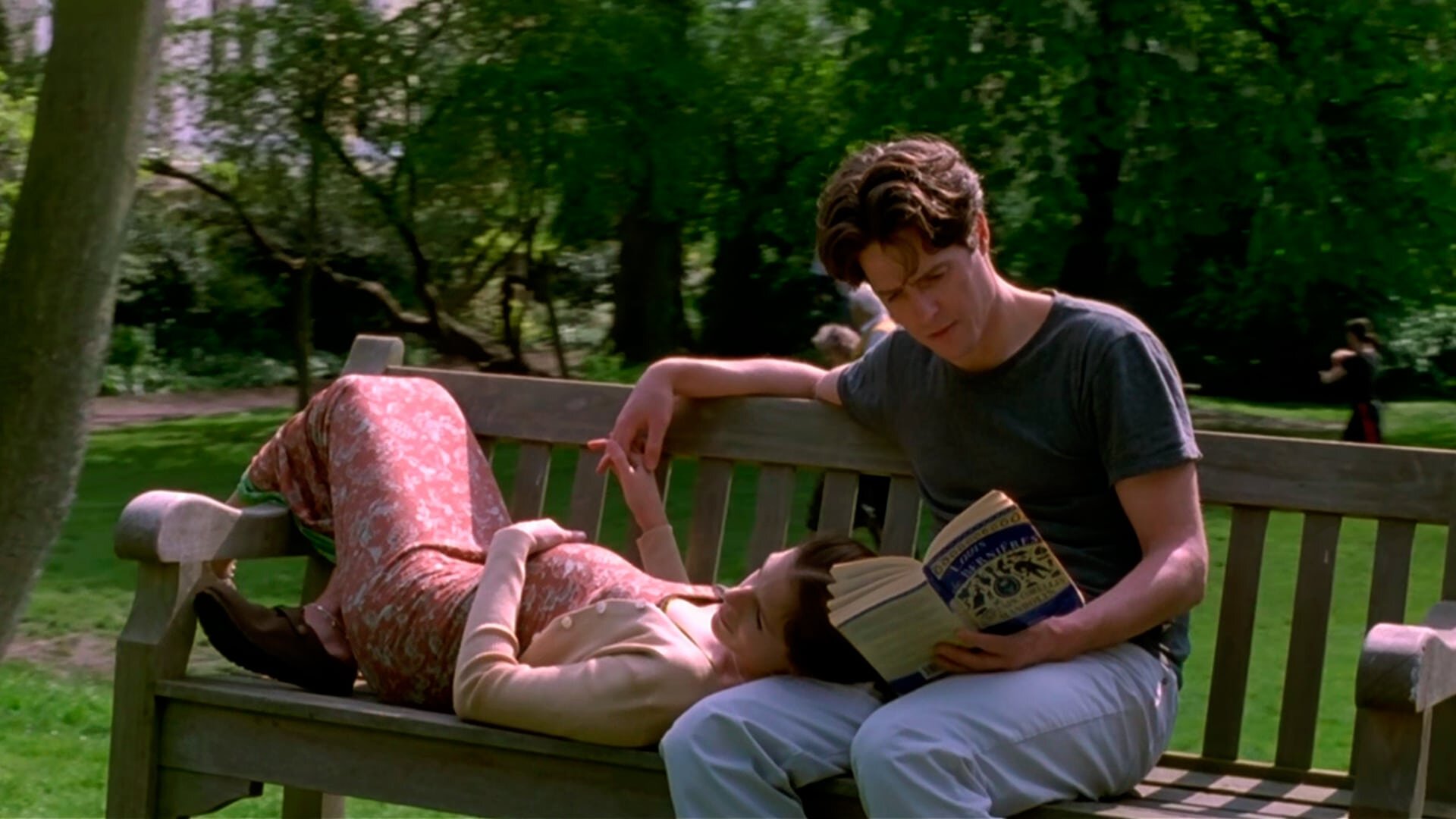
The decade also relied on a robust bench of supporting actors who elevated standard genre tropes. Actors like Hugh Grant, who introduced a stuttering, self-deprecating British charm to films like Four Weddings and a Funeral (1994) and Notting Hill (1999), created a new subgenre of transatlantic romantic comedy. Meanwhile, character actors and best-friend archetypes provided vital comic relief and moral guidance, grounding the central romance in a supportive community network.
Chronological Evolution of Major Releases
| Year | Title | Primary Leads | Key Setting / Premise | Cultural Impact |
|---|---|---|---|---|
| 1990 | Pretty Woman | Julia Roberts, Richard Gere | Los Angeles; Corporate raider and sex worker | Redefined modern fairy tales and propelled Roberts to global superstardom. |
| 1993 | Sleepless in Seattle | Tom Hanks, Meg Ryan | Seattle / New York; Radio grief and long-distance yearning | Popularized epistolary romance adapted for the modern age and solidified the Ephron-Hanks-Ryan triangle. |
| 1994 | Four Weddings and a Funeral | Hugh Grant, Andie MacDowell | British countryside; Serial wedding attendee finds love | Revitalized British cinema and launched Hugh Grant as an international rom-com icon. |
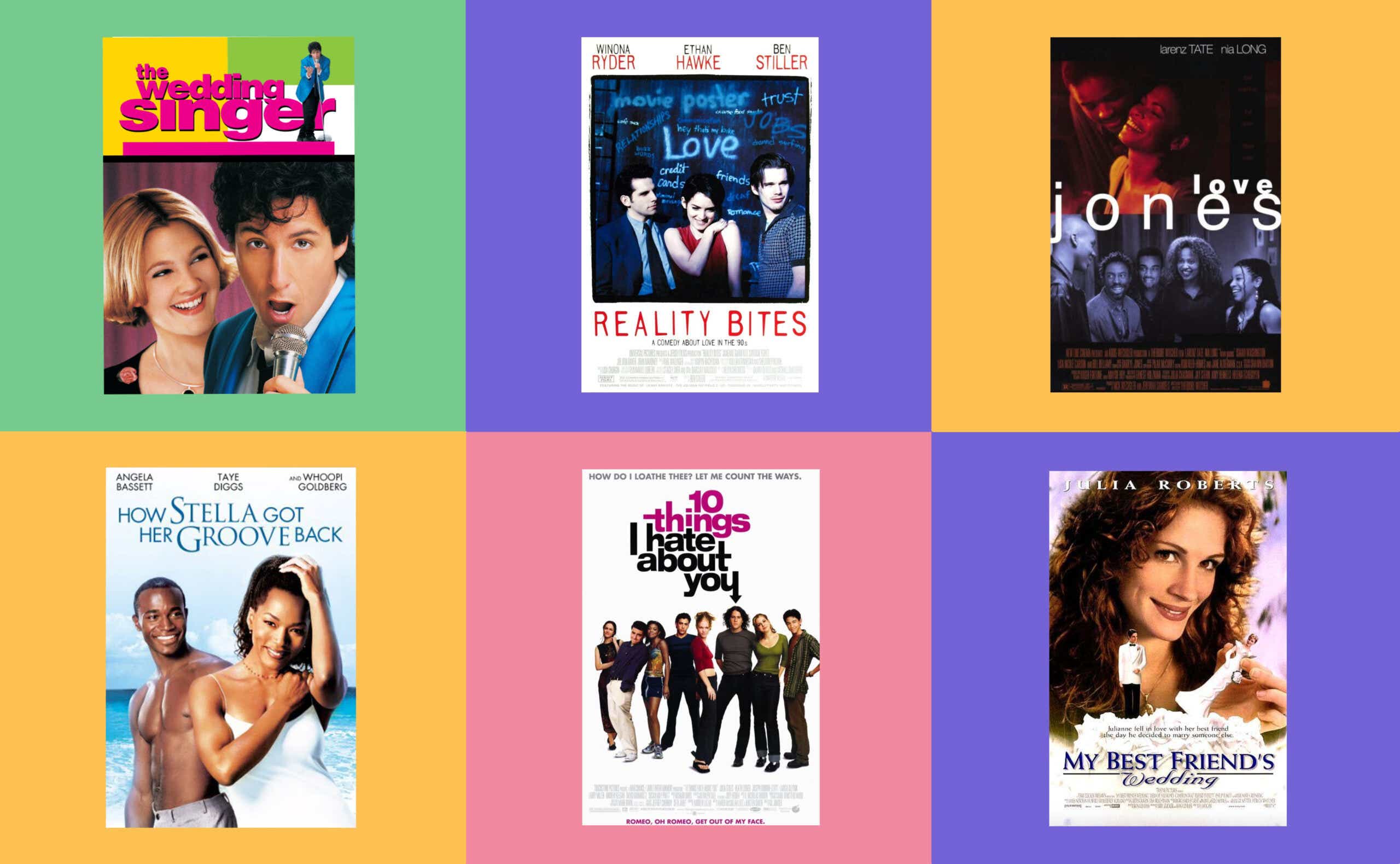
| 1997 | My Best Friend's Wedding | Julia Roberts, Dermot Mulroney | Chicago; Sabotaging a lifelong friend's impending nuptials | Subverted traditional tropes by centering on a morally ambiguous, anti-heroic protagonist. |
| 1998 | You've Got Mail | Tom Hanks, Meg Ryan | New York City; Competing booksellers falling in love online | Captured the dawn of the internet age and corporate retail homogenization. |
| 1999 | 10 Things I Hate About You | Julia Stiles, Heath Ledger | Seattle high school; Modern adaptation of Shakespeare's The Taming of the Shrew | Bridged teen comedy with sophisticated romantic sensibilities, launching modern teen idols. |
The Soundtrack and Aesthetic Architecture
The sensory experience of a 1990s romantic comedy extended far beyond the script and the cast. The visual palette and musical scoring played critical roles in constructing an idealized version of contemporary life.
Cinematographers utilized warm lighting, soft focus, and picturesque urban backdrops to make cities like New York and London feel intimate and romantic. Brownstone apartments, independent bookshops, and bustling outdoor cafes served as character extensions, creating cozy spaces where emotional intimacy could flourish away from the cold mechanics of the corporate world.
Music was equally instrumental. Soundtracks frequently featured lush orchestral scores paired with contemporary adult-alternative pop, classic soul covers, and singer-songwriter ballads. Songs were not merely background noise; they served as emotional punctuation marks for pivotal scenes, encapsulating longing, realization, and joyful resolution during third-act montages. Albums accompanying films like Notting Hill and My Best Friend's Wedding became commercial successes in their own right, cementing the cultural footprint of the cinema.
Cultural Critique and Subversion
While celebrating the mainstream successes of the decade, film scholars and cultural critics have also analyzed the ideological underpinnings of the 1990s romantic comedy. Many films operated within strict socioeconomic parameters, showcasing affluent professionals whose primary life conflicts revolved around romance rather than systemic economic survival.
Furthermore, gender roles were frequently negotiated through traditional frameworks. Heroines often had to reconcile professional ambition with the ultimate goal of domestic partnership. However, subversions did exist. Films like My Best Friend's Wedding dared to feature a protagonist whose romantic machinations failed, challenging the mandatory happy-ending formula. Similarly, teen-oriented romantic comedies like 10 Things I Hate About You (1999) engaged directly with feminist discourse, allowing female characters to voice skepticism regarding patriarchal expectations while still engaging in the pleasure of genre conventions.
Legacy and Influence on Modern Cinema
As the film industry transitioned into the 2000s and beyond, the mid-budget theatrical romantic comedy gradually receded, replaced by superhero franchises, high-concept action films, and, eventually, streaming-exclusive content. Yet, the cultural footprint of the 1990s output remains profound.
Contemporary streaming platforms frequently draw inspiration from the structural beats and casting dynamics established during this decade. Writers and directors study Nora Ephron’s screenplays for their mastery of pacing, dialogue cadence, and emotional payoff. Moreover, audiences continue to return to these films as comfort viewing, finding reassurance in worlds where conflicts are resolved within two hours, communication is verbalized through witty banter, and love conquers cynicism.
The enduring fascination with the 1990s romantic comedy speaks to a fundamental human desire for connection packaged with wit, elegance, and emotional sincerity. By perfecting the intersection of star power, smart writing, and aesthetic warmth, these films created a cinematic sanctuary that continues to resonate decades after their initial release.