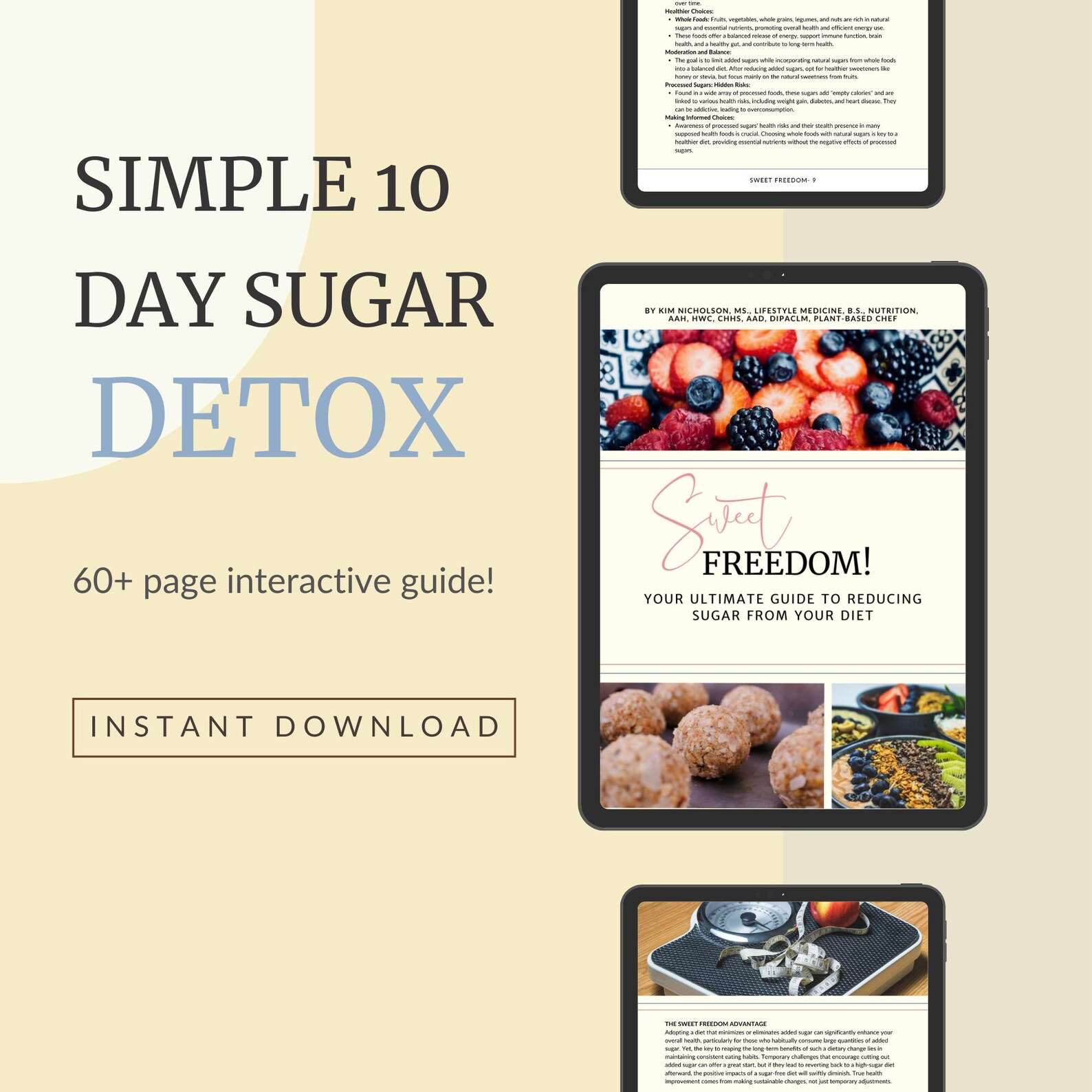
Embarking on a 10-day sugar detox challenge is a structured, short-term dietary reset designed to help individuals break free from added sugars, stabilize blood energy levels, and recalibrate their palate. By systematically eliminating added sweeteners and processed foods over ten days, participants can significantly reduce cravings, improve metabolic markers, and build sustainable healthy eating habits for the long term.
Understanding the Purpose of a 10-Day Sugar Detox
The human body is naturally equipped to process glucose from whole foods like fruits, vegetables, and complex carbohydrates. However, modern commercial food supply chains have saturated packaged goods, sauces, beverages, and snack items with heavily refined, added sugars. This constant influx of fast-absorbing sweetness disrupts normal hormonal signaling, particularly insulin and leptin, leading to chronic energy crashes, persistent cravings, and an increased risk of metabolic dysfunction.
A 10-day duration is strategically chosen for this lifestyle adjustment. It is long enough to break psychological loops and allow taste buds to recalibrate—making naturally sweet foods like carrots, berries, and bell peppers taste intensely sweet again—yet short enough to feel entirely manageable for beginners. Rather than serving as a permanent, restrictive diet, this challenge acts as an educational and behavioral audit. It trains you to read labels critically, recognize hidden names for sugar, and understand how your body responds when it is free from constant glycemic turbulence.
Note: This guide is for educational and informational purposes only. Individuals with underlying health conditions, such as Type 1 or Type 2 diabetes, pregnant or breastfeeding individuals, or those with a history of disordered eating should consult a qualified healthcare professional or registered dietitian before making significant dietary changes.
Preparing for Success: Days -3 to 0 (The Setup Phase)
Jumping into a restrictive challenge without preparation frequently leads to frustration, severe withdrawal symptoms, and premature abandonment. Success relies heavily on the groundwork laid before Day 1 officially begins.
Pantry Purge and Label Reading
The first logistical step is conducting a thorough sweep of your kitchen. Examine your pantry, refrigerator, and office desk drawers. Toss or donate items laden with added sugars. Because manufacturers use dozens of aliases for sugar, you must become familiar with the nomenclature on ingredient labels. Sugars do not always end in "-ose."
When reviewing ingredient decks, look out for:
- Liquid sweeteners: High-fructose corn syrup, agave nectar, maple syrup, honey, malt syrup, and rice syrup.
- Cane derivatives: Cane juice crystals, evaporated cane juice, raw sugar, brown sugar, and confectioner's sugar.
- Chemical syrups and isolates: Maltodextrin, dextrose, fructose, galactose, and lactose.
Grocery Shopping and Meal Planning
Plan your meals and snacks for the entire ten-day duration before you step foot in the supermarket. Focus your grocery cart on whole, unprocessed, nutrient-dense foods that stabilize blood sugar.
- Proteins: Grass-fed beef, pasture-raised eggs, wild-caught fish, poultry, organic tofu, and tempeh.
- Healthy Fats: Avocados, extra virgin olive oil, coconut oil, raw nuts (walnuts, almonds, pecans), and seeds (chia, flax, pumpkin).
- Low-Glycemic Vegetables: Leafy greens (spinach, kale, arugula), cruciferous vegetables (broccoli, cauliflower, Brussels sprouts), and fibrous options like celery and cucumbers.
- Hydration Staples: Still or sparkling water, unsweetened herbal teas, and black coffee.
Phase-by-Phase Breakdown of the 10-Day Journey
Navigating the physical and mental shifts during the challenge requires understanding what to expect at different milestones. The journey is generally split into distinct phases.
| Phase / Days | Primary Physiological & Psychological Focus |
|---|---|
| Days 1–3 | Initial adjustment, sugar withdrawal, fatigue |
| Days 4–7 | Palate resetting, energy stabilization, cravings |
| Days 8–10 | Metabolic adaptation, mental clarity, reflection |
Days 1 to 3: The Detox Transition and Withdrawal
The first three days are often the most challenging. As your body transitions away from a constant supply of fast-acting glucose, you may experience temporary withdrawal symptoms. These can manifest as mild headaches, fatigue, irritability, brain fog, and intense cravings for sweets or simple carbohydrates.
- Actionable Strategy: Do not restrict total calories. If you feel hungry, increase your intake of healthy fats and clean proteins to maintain stable energy. Drink plenty of water and add a pinch of high-quality sea salt if you feel dizzy or sluggish, as dropping insulin levels can cause the kidneys to flush out sodium and water rapidly.
Days 4 to 7: Breaking the Cycle and Palate Reset
By Day 4, the acute physical withdrawal symptoms typically begin to subside. Blood sugar levels stabilize, eliminating the rollercoaster of mid-morning crashes and afternoon slumps. Sleep quality often starts to improve.
- Actionable Strategy: This is the phase where your taste buds begin to adapt. Notice how foods taste different. A plain piece of bell pepper or a handful of almonds may suddenly exhibit complex, sweet, or nutty notes that were previously masked by a high-sugar diet. Focus on mindful eating, chewing thoroughly, and recognizing true physical hunger versus emotional triggers.
Days 8 to 10: Stabilization and Habit Consolidation
During the final stretch, the psychological obsession with sugar usually fades significantly. Many participants report heightened mental clarity, more consistent daily energy, reduced bloating, and clearer skin.
- Actionable Strategy: Begin thinking about Day 11 and beyond. A sugar detox challenge fails if you return immediately to your old habits. Use these final days to outline your long-term strategy for incorporating natural sweeteners or occasional treats mindfully without falling back into addiction-like eating patterns.
Foods to Avoid Versus Foods to Embrace
To ensure clarity during your grocery shopping and meal preparation, reference the following comparative breakdown of acceptable and prohibited items.
| Category | Foods to Avoid (Completely Eliminated) | Foods to Embrace (Unlimited or Moderated) |
|---|---|---|
| Sweeteners | Table sugar, honey, agave, maple syrup, artificial sweeteners (sucralose, aspartame), and sugar alcohols. | None during the 10 days; allow natural fruit flavors to satisfy palate. |
| Beverages | Sodas, fruit juices, sweetened teas, energy drinks, and flavored coffees with syrups. | Water, sparkling water with a twist of lemon, unsweetened green or herbal tea, black coffee. |
| Grains & Starches | Refined white flour, white bread, pastries, cookies, crackers, and sweetened breakfast cereals. | Whole intact grains in moderation (if tolerated), starchy vegetables like sweet potatoes and squash. |
| Condiments | Ketchup, commercial BBQ sauce, sweet salad dressings, teriyaki sauce, and pasta sauces with added sugar. | Olive oil, vinegar, mustard, homemade herb dressings, hot sauces (check labels for sugar). |
| Snacks | Potato chips, candy bars, granola bars, flavored yogurts, and commercial protein bars. | Raw nuts, seeds, olives, sliced cucumber or celery with guacamole. |
Managing Common Side Effects and Challenges
Even with careful preparation, unexpected obstacles can arise. Knowing how to troubleshoot these issues ensures you stay on track.
Dealing with Intense Cravings
Cravings are often psychological habits tied to specific times of day—such as reaching for a cookie after lunch or ice cream while watching television. When a craving hits, pause for five minutes. Drink a large glass of water, go for a short brisk walk, or change your physical environment. Often, the urge is driven by boredom or stress rather than true physiological hunger.
Overcoming Fatigue and Brain Fog
The dip in energy during the first half of the challenge occurs because your metabolism is shifting from burning glucose to burning fats and ketones. Support this metabolic shift by prioritizing restorative sleep, staying well-hydrated, and consuming adequate dietary fats like avocado, olive oil, and unsweetened coconut milk.
Social Settings and Dining Out
Navigating social events while on a 10-day challenge requires proactive planning. Review restaurant menus online beforehand. Most establishments are accommodating if you ask for dressings and sauces to be served on the side, or if you substitute starchy sides for a double portion of non-starchy vegetables or a side salad dressed with olive oil and vinegar.
Transitioning Out: What Happens After Day 10?
The conclusion of the 10-day challenge is not a green light to consume an entire dessert menu. Reintroducing foods improperly can cause sudden digestive distress and trigger a rapid return of intense cravings.
- The Reintroduction Strategy: Reintroduce foods one at a time over several days. If you wish to bring back natural sweeteners like pure maple syrup or occasional dairy, test one item on Day 11 and monitor how your body responds over the next 24 hours. Pay attention to changes in mood, digestion, sleep, and skin.
- Establishing a Sustainable 80/20 Rule: Use the insights gained during the challenge to establish a long-term approach. Many people find success by keeping their day-to-day eating habits completely free of added sugars (roughly 80% of the time), while allowing intentional, mindful enjoyment of treats on special occasions (the remaining 20%).
Frequently Asked Questions
Can I use artificial sweeteners or sugar substitutes during the 10 days?
It is generally recommended to avoid all artificial sweeteners (like sucralose, aspartame, and acesulfame potassium) and sugar alcohols (like erythritol and xylitol) during a 10-day reset. These substances can maintain your psychological addiction to sweet tastes and, in some individuals, trigger blood sugar responses or gastrointestinal discomfort. Resetting your palate relies on lowering your overall sensitivity to sweetness.
Is fruit allowed on a sugar detox challenge?
Whole fruits contain natural sugars packaged alongside vital fiber, antioxidants, and water, which slow down glucose absorption. While very high-sugar fruits (like bananas, grapes, and mangoes) are often limited or excluded during strict detox protocols, low-glycemic fruits like fresh berries (strawberries, blueberries, raspberries) and green apples are typically permitted in moderate portions.
What should I do if I accidentally consume sugar on Day 5?
Do not abandon the entire challenge because of a single slip-up. Acknowledge the mistake, understand the trigger that caused it, and simply resume the protocol with your very next meal or snack. The goal is progress and behavioral awareness, not clinical perfection.
Will I lose weight during the 10-day challenge?
While weight loss is a common side effect—largely driven by the reduction of water weight as glycogen stores are depleted and inflammation subsides—weight loss should not be the primary metric of success. The primary objective is metabolic recalibration, improved energy stability, and the mastery of your dietary choices.
How often should I repeat a 10-day sugar detox?
A 10-day reset can be safely performed as needed whenever you feel your dietary habits have drifted or cravings have gotten out of hand. Many individuals find it helpful to run a structured reset at the change of each season or after holiday periods, interspersed with a balanced, low-sugar lifestyle throughout the rest of the year.